

Every week seems to bring a new promise of better health. Social media feeds are full of influencers promoting miracle supplements, detoxes, specialised waters, expensive tests and the latest “biohacks”. Some are supported by good evidence, while many are promoted with claims that far exceed the available scientific evidence, such that it can become difficult to separate genuine health advice from clever marketing.
Long before the internet, traditional Chinese medicine developed the concept of yǎngshēng (养生), usually translated as “nourishing life”. Rather than searching for dramatic interventions, yǎngshēng is concerned with the quiet, everyday habits that help us maintain health over the long term. Although it comes from a very different medical tradition, many of its central principles sit comfortably alongside what modern research tells us about healthy ageing and disease prevention.
Keep It Simple
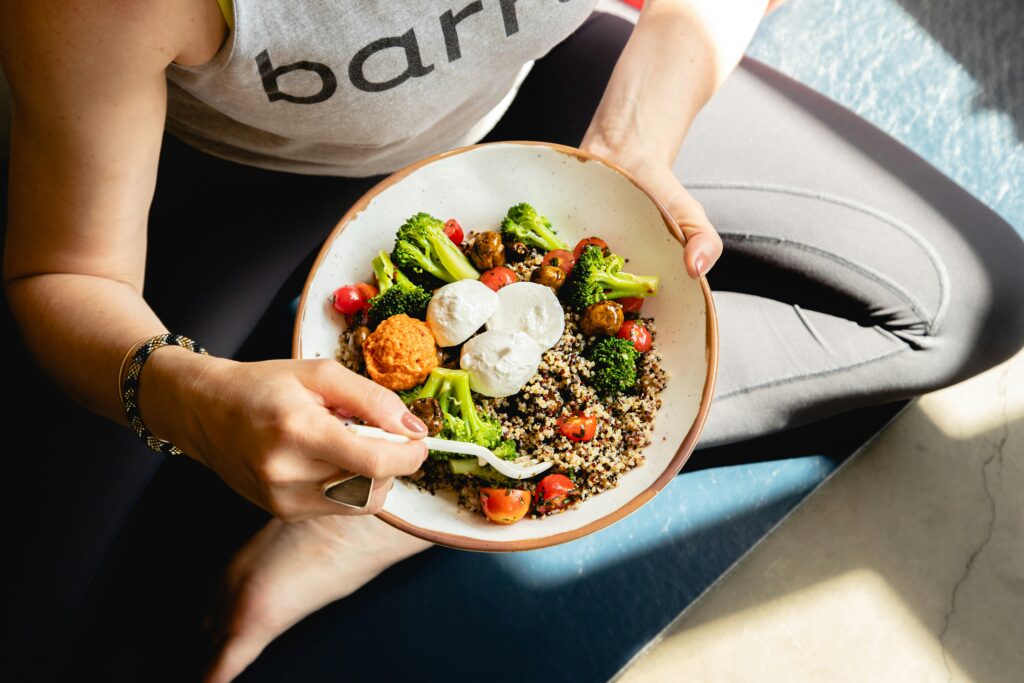
The foundations are remarkably familiar. Eat a varied diet based largely on whole foods. Avoid regularly eating beyond the point of fullness. Take time over meals rather than rushing them. Move your body every day in ways that are appropriate for your age, abilities and circumstances. Develop strength as well as cardiovascular fitness, maintain mobility, sleep well, spend time outdoors, and balance periods of activity with adequate rest and recovery. Look after your emotional wellbeing, maintain meaningful relationships, and make time for activities that bring enjoyment and purpose. None of these ideas are new, yet they remain among the most reliable ways of supporting long-term health.
Cardio, Strength and Mobility
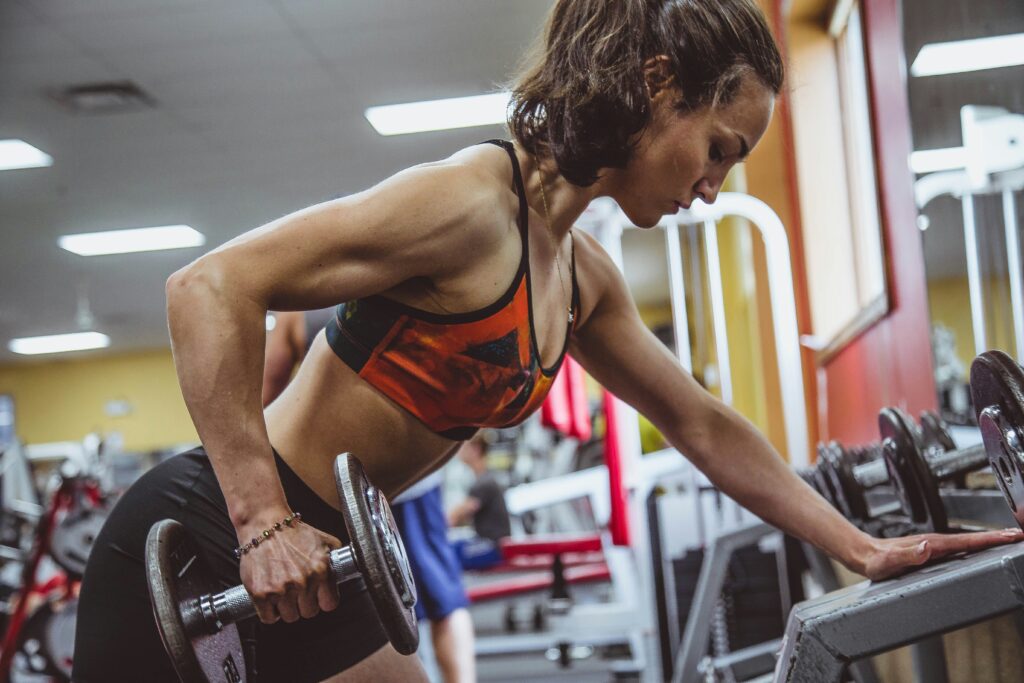
Modern exercise science has added important detail. We now know that resistance training becomes increasingly important as we grow older, helping to preserve muscle mass, strength, balance and bone health. Regular aerobic exercise supports the heart, lungs and brain, while mobility work helps us maintain comfortable, confident movement throughout life. Gentle practices such as qigong, tai chi and yoga can also have an important place, particularly when they encourage regular movement, relaxation and body awareness. The most beneficial form of exercise is often the one that you can enjoy and continue doing consistently.
Beauty Sleep
Traditional teachings recognised that periods of activity should be balanced by periods of restoration, and modern research continues to reinforce the importance of good sleep for physical health, emotional wellbeing, memory, metabolism and immune function. Keeping reasonably regular sleep patterns, allowing time to wind down in the evening, and creating an environment that supports restful sleep are simple measures that can have surprisingly wide-ranging benefits.
Yǎngshēng also encourages us to avoid genuine harms where possible. Smoking, excessive alcohol, chronic sleep deprivation and prolonged inactivity have well-established effects on health. These are real risks supported by decades of high-quality evidence. They deserve far more of our attention than many of the exaggerated health scares that regularly circulate online.

The Siren Song of the Quick Fix
Unfortunately, the simple message of healthy living is often overshadowed by products that promise rapid or dramatic results. Intravenous vitamin drips for otherwise healthy people, alkaline water, detox cleanses, unnecessary food intolerance tests, ozone therapy, miracle supplements and an ever-growing collection of wellness gadgets are all marketed with impressive confidence, often without equally impressive scientific support. They are usually far more expensive than the habits that are most likely to improve our health.
This is not to suggest that nutrition science has answered every question, or that we should stop researching new approaches. Medicine continues to evolve, and some new ideas will prove valuable. Equally, people should always seek appropriate medical advice for specific health concerns rather than relying solely on general lifestyle guidance. The point is simply that our enthusiasm for novelty should not distract us from practices whose benefits are already well established.
Attention and Consistency
Perhaps the most striking thing about yǎngshēng is how ordinary it appears. It asks us to pay attention to our daily routines rather than searching for shortcuts. It values consistency over intensity and moderation over extremes. These habits don’t generate dramatic headlines, but they have quietly stood the test of time.
The foundations of good health are not especially mysterious. They are also, for the most part, available to almost everyone. A walk outdoors, a home-cooked meal, a good night’s sleep, regular movement, meaningful connection with others and time to rest cost little or nothing. They may not be fashionable, but they remain among the best investments we can make in our long-term health.
Thanks for reading!
Find a qualified and regulated acupuncturist in your part of the UK by visiting the British Acupuncture Council's website.
Further reading
Read more on the blog:
- When the needle goes in... - find out how the body responds to acupuncture
- Which kind of anxious are you? - thoughts on anxiety in Chinese medicine
- Acupuncture research - the state of the evidence
- The emotional life of the organs: what Chinese medicine says about how we think and feel
- Is acupuncture energy healing? - a look at whether acupuncture is a kind of "energy work"
- Health without hacks - simple wellbeing advice
- Fit for what? - thinking about strength training for everyday life
- A nourishing morning - looking at healthy morning routines from both a modern scientific and Chinese yangsheng perspective
- Foot health, somatic awareness, massage, and the nervous system - standing on your own two feet
- Common traditional patterns of disharmony: Liver Qi Stagnation and Spleen Qi Deficiency
- What is Qi? - an exploration of vital energy
- Why the channel system of Chinese medicine still matters today
- Chronic pain - acupuncture as a first line intervention
- Acupuncture's interface: the nervous system as an explanation for the therapy's disparate effects
- Is cold water bad for you? - what Chinese medicine really says about iced drinks
- Sailing the Dao - modern misuses of Daoist wisdom
- Six Divisions & TCM Pathology - a comprehensive guide to Chinese medicine
- How many needles? - contrasting styles of acupuncture
- Between freedom & form - tensions between tradition and modern individualism
- Navigating the middle ground - tensions between spiritual healing and modern biomedicine
- How diagnosis works in Chinese medicine
- The scientific mechanisms of acupuncture
- Is acupuncture really "alternative"? - how Chinese medicine stands apart from other alternative therapies
- When wisdom becomes a soundbite - how modern culture uproots classical ideas from their proper context
- Acupressure points for anxiety and migraine relief
- Acupuncture: pseudoscience or evidence-based practice?
- What is tuina? - a look at Chinese massage
- Qi is not quantum - debunking a popular acupuncture myth
- Supporting lymphatic health with acupuncture, tuina, and qigong
- Sleep is sacred: natural ways to ease insomnia
- Is dairy really bad for you? - a Chinese medicine perspective
- Qi in the Age of AI - why Chinese medicine matters more in the information age
- The Chinese body clock - parallels with our modern understanding of circadian rhythms
- Year of the Fire Horse - transitioning into 2026
- How does acupuncture work? - exploring fascia, embryology, and systems science
- How does the body respond to acupuncture? - what happens when we insert a needle
- Can acupuncture help with hayfever and rhinitis?
- Will the treatment work? A look at how we estimate outcome probabilities in living, responsive, complex bodies
- How does acupuncture engage the body's pain relief mechanism? - expanding on an article in National Geographic