

People often say they want to “get fit.” But that raises another question: fit for what?
An Olympic weightlifter is fit for something very different from a marathon runner. A gymnast, a climber, and a discus thrower all possess extraordinary physical abilities, but in completely different ways. Rather than chasing some vague idea of fitness, it is worth asking what sort of life we actually want our bodies to support.
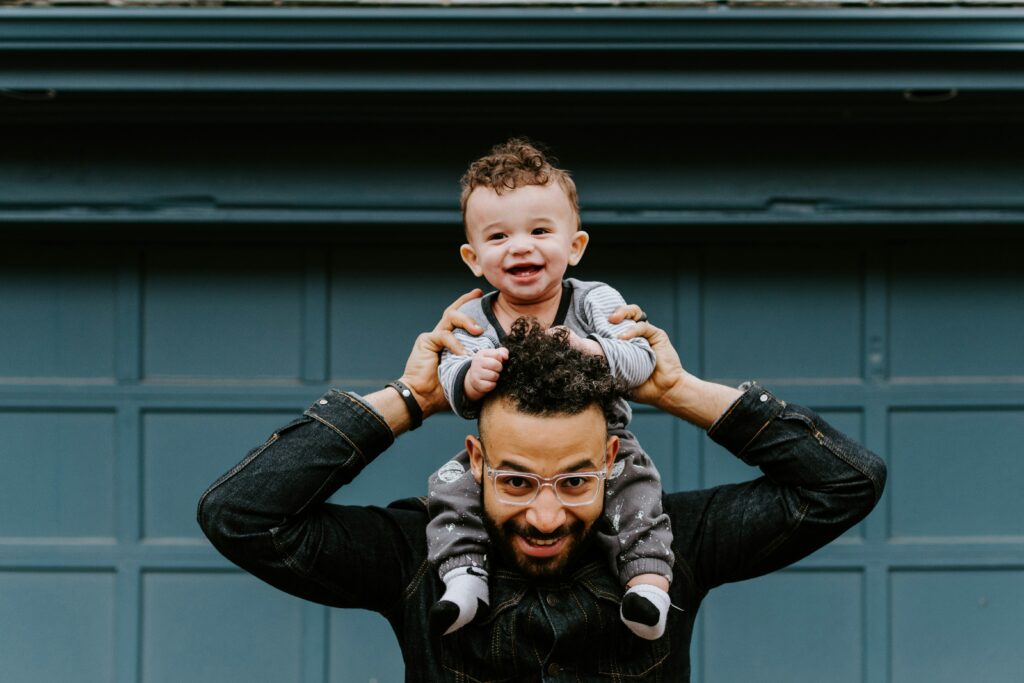
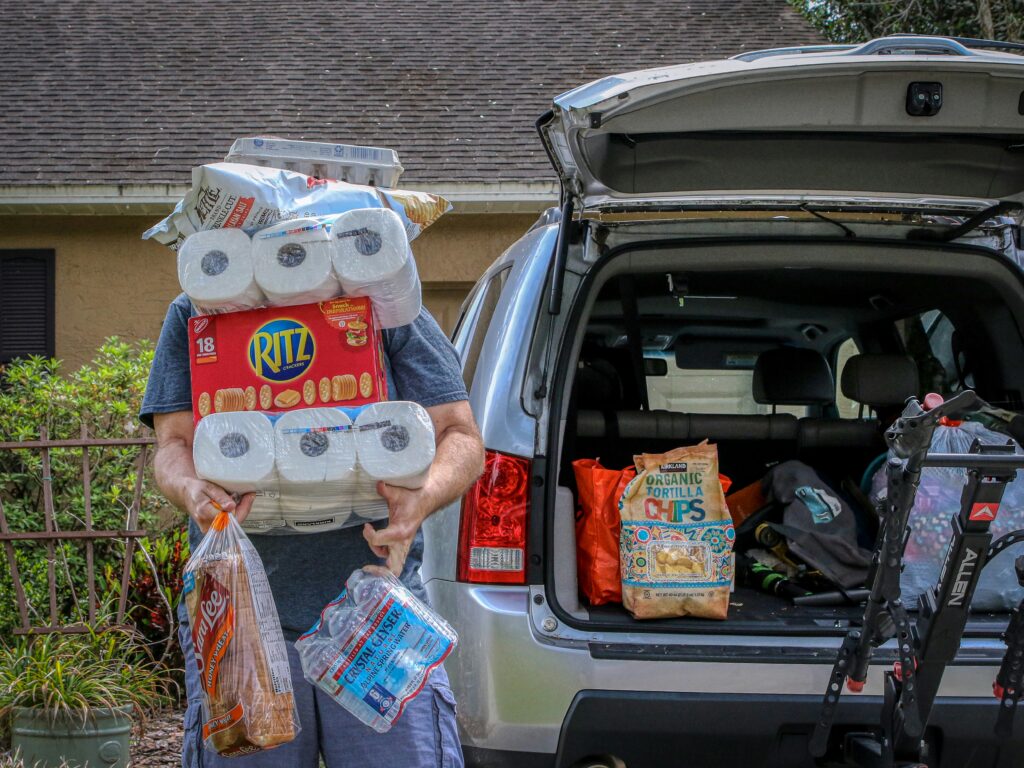
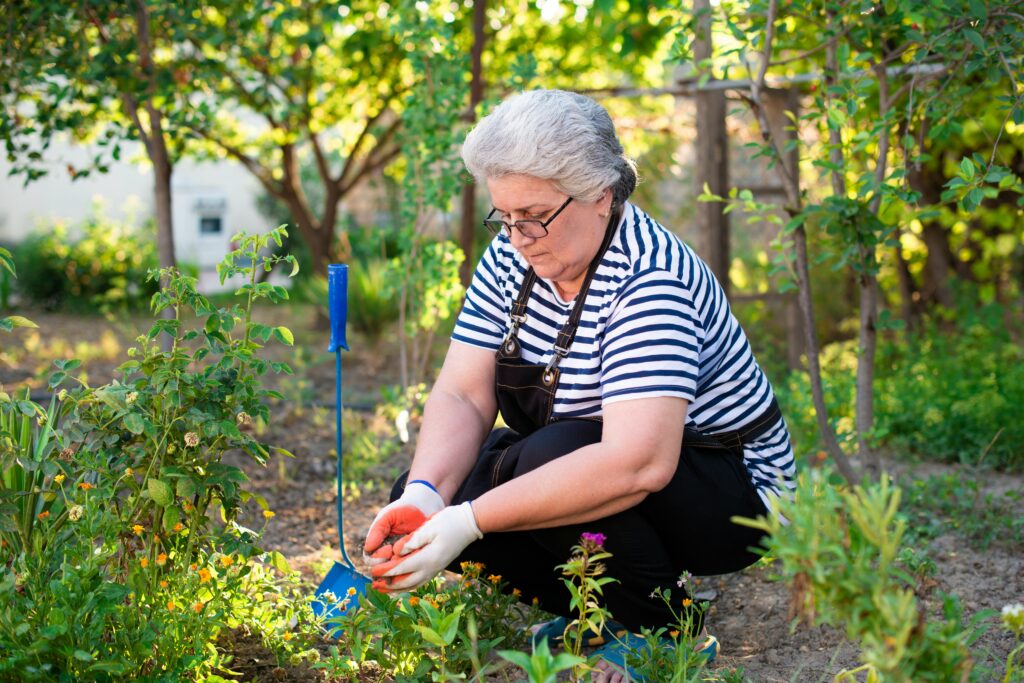
Maybe we want to carry shopping without thinking about it, lift children or grandchildren with confidence, climb hills without becoming exhausted, or spend an afternoon gardening without paying for it the next day. Perhaps we wish to travel and carry our own luggage, get down onto the floor and stand back up with ease, and – crucially – stay independent well into old age. Strength is not just for athletes. It is one of the foundations of lifelong health. Most of us don't need a six pack – we just need strength for everyday life.
You Are Your Own Gym
The encouraging thing is that becoming stronger does not necessarily require a gym membership or expensive equipment. The body itself is one of the most versatile pieces of exercise equipment we will ever own. Pushing, pulling, squatting, lunging, hanging, strengthening the back, rotating and stabilising the trunk can all be practised with little or no equipment at all, and many of these movements have simpler and more challenging variations to suit different levels of ability.
Even something as simple as regularly getting down onto the floor and standing back up again without using the hands is a surprisingly good way of maintaining strength, balance and confidence as we get older. The main thing is that we continue to explore the envelope of what our bodies are capable of, rather than settling into the familiar cycle of sitting, standing, walking, and lying down that modern life can so easily become. Crouching, crawling, rolling, jumping, climbing, and balancing all help maintain strength, coordination, versatility, and range of movement – and keep the mind supple, too, by reminding our nervous system that movement is something rich and varied rather than repetitive and limited.
A Little and Often
The body responds remarkably well to regular challenge. It does not become stronger because we occasionally ask a great deal of it, but because we repeatedly ask a little more than it is used to. That doesn't have to mean long or exhausting workouts. A few minutes of purposeful movement most days is enough to tell the body, "This is something I'll need," and over time the body adapts. Muscles become stronger, connective tissues more resilient, balance improves, movement feels easier, mental resilience grows, and as strength builds an inner sense of satisfaction builds, too.
What’s more, by only asking a few minutes of yourself, easing in with some loosening, rhythmic movements, the resistance to getting started dissipates. Often, what was intended as a short session grows naturally into something longer, simply because movement has become enjoyable in its own right.
As strength develops, many people choose to add external resistance, and heavier loading can bring additional benefits, particularly for building strength and maintaining bone density. The important thing is not where we begin, but that we continue to challenge the body a little beyond what it is already accustomed to. Strength training does not replace other activities like walking, running, swimming, or qigong. Each develops different qualities, and together they help build a body that is adaptable, capable and resilient.
More Than Muscle
The changes taking place are not confined to muscles. Muscle mass helps protect against sarcopenia – the gradual loss of muscle that occurs with age. Bones respond to loading too, helping maintain density and reducing the risk of osteoporosis – something that becomes particularly important for women after the menopause. Tendons and other connective tissues adapt more slowly, but they adapt nonetheless, becoming stronger and helping to stabilise joints.
The benefits extend well beyond the musculoskeletal system. Strength training improves insulin sensitivity and blood sugar regulation, supports cardiovascular health, and encourages the release of Brain-Derived Neurotrophic Factor (BDNF) – a protein that helps the brain form and maintain healthy connections involved in learning and memory.
Better sleep and improved mood are hugely positive side effects that resonate into our relationships and have a downstream effect on virtually every bodily function. Balance and stability improve, too, meaning falls and potential injury become less likely. Over time, a stronger body becomes a more resilient one, recovering more comfortably from the ordinary physical demands of everyday life.
Improved posture carries a ripple effect into everyday life and relationships. Rather than artificially trying to “stand up straight”, strength allows the body to support itself more naturally, and people begin to notice they move with greater ease and confidence. Not confidence in the sense of trying to dominate a room, but the reassurance that comes from feeling physically capable, trusting what their body can do, and feeling relaxed within themselves.
Movement Patterns
Instead of thinking in terms of individual muscles, it can be helpful to ask whether we are regularly practising the basic movement patterns that human bodies evolved to perform.
Are we pushing? Press-ups and their many variations are an obvious example. Dips between sturdy chairs or on parallettes introduce another challenge and, for those who enjoy developing their strength further, can eventually lead towards skills such as the L-sit.
Are we squatting, lunging and spending time on one leg, developing balance as well as strength?
Are we pulling? Dead hangs are a wonderfully simple exercise if you have somewhere suitable to hang from. They strengthen the grip, challenge the shoulders and can eventually progress towards assisted pull-ups or pull-ups.
Are we strengthening the back? Exercises such as Locust, Superman or an active Half Forward Fold encourage the muscles along the spine to do the work they were designed to do, helping stave off the chronic back pain that blights so many with sedentary lifestyles.
Are we strengthening the muscles that stabilise the trunk and pelvis? Dead Bug, Hollow Body Hold and Boat Pose are all excellent examples.
Are we rotating and side-bending? Extended Side Angle Pose, Triangle Pose and other controlled rotational movements like Thread the Needle ask the muscles around the trunk to work in ways that many modern lifestyles rarely demand.
Moving the Dials
None of these movements need to be complicated. Almost every exercise has an easier variation and a more challenging one. You can adjust the dials as required, and as you feel from day to day. The aim is simply to work at a level that is appropriate for where we are now.
Making an exercise harder does not always require adding more weight. Sometimes slowing everything down is enough. Moving with unhurried control, pausing, squeezing, and paying close attention to which muscles are actually doing the work can totally transform a familiar movement. Instead of rushing through repetitions, the mind begins to inhabit the movement itself.
As strength develops, progressive overload becomes important. The body only continues adapting when it is asked to do a little more than before. That might mean progressing to a more demanding bodyweight variation, adding external resistance, increasing the range of movement, or simply allowing time to recover after particularly challenging sessions.
The Psychological Spillover
Strength shapes more than the body. Some of the most profound changes happen outside the exercise itself. People often find themselves walking and enjoying the fresh air and countryside a little more, spending less time sitting, sleeping better, and naturally becoming a little more thoughtful about what they eat.
These choices tend to come naturally and willingly, rather than through self-imposed rules adhered to by determination or a sense of guilt, and it’s also important not to fall into the extremes of “my body is a temple” over-control. The transition to a healthier lifestyle happens because once the body starts feeling stronger and more capable, looking after it begins to feel worthwhile. When we feel the benefits, we want to build on them.
Strength is not really the destination. It is one way of expanding what the body is capable of doing. Fitness can mean many different things, depending on what we ask of ourselves, but a body that is strong enough to support the life we want to live seems a very worthwhile place to begin.
Thanks for reading!
Acupuncture is a great way to support health and recovery. Find a qualified and regulated acupuncturist in your part of the UK by visiting the British Acupuncture Council's website.
Further reading
Read more on the blog:
- When the needle goes in... - find out how the body responds to acupuncture
- Which kind of anxious are you? - thoughts on anxiety in Chinese medicine
- Acupuncture research - the state of the evidence
- The emotional life of the organs: what Chinese medicine says about how we think and feel
- Is acupuncture energy healing? - a look at whether acupuncture is a kind of "energy work"
- Health without hacks - simple wellbeing advice
- A nourishing morning - looking at healthy morning routines from both a modern scientific and Chinese yangsheng perspective
- Foot health, somatic awareness, massage, and the nervous system - standing on your own two feet
- Common traditional patterns of disharmony: Liver Qi Stagnation and Spleen Qi Deficiency
- What is Qi? - an exploration of vital energy
- Why the channel system of Chinese medicine still matters today
- Chronic pain - acupuncture as a first line intervention
- Sailing the Dao - modern misuses of Daoist wisdom
- Six Divisions & TCM Pathology - a comprehensive guide to Chinese medicine
- How many needles? - contrasting styles of acupuncture
- Between freedom & form - tensions between tradition and modern individualism
- Navigating the middle ground - tensions between spiritual healing and modern biomedicine
- How diagnosis works in Chinese medicine
- The scientific mechanisms of acupuncture
- Is acupuncture really "alternative"? - how Chinese medicine stands apart from other alternative therapies
- When wisdom becomes a soundbite - how modern culture uproots classical ideas from their proper context
- Acupressure points for anxiety and migraine relief
- Acupuncture: pseudoscience or evidence-based practice?
- What is tuina? - a look at Chinese massage
- Qi is not quantum - debunking a popular acupuncture myth
- Supporting lymphatic health with acupuncture, tuina, and qigong
- Sleep is sacred: natural ways to ease insomnia
- Is dairy really bad for you? - a Chinese medicine perspective
- Qi in the Age of AI - why Chinese medicine matters more in the information age
- The Chinese body clock - parallels with our modern understanding of circadian rhythms
- Year of the Fire Horse - transitioning into 2026
- How does acupuncture work? - exploring fascia, embryology, and systems science
- How does the body respond to acupuncture? - what happens when we insert a needle
- Can acupuncture help with hayfever and rhinitis?
- Will the treatment work? A look at how we estimate outcome probabilities in living, responsive, complex bodies
- How does acupuncture engage the body's pain relief mechanism? - expanding on an article in National Geographic