

Why the Channel System Still Matters Today

Acupuncture developed within an ancient medical system that paid close attention to pattern, relationship, and change. The channel system, also known as the meridian system, sits at the heart of Chinese medicine. It describes pathways that link the physicality of the body with internal physiological processes – connecting sensation, movement, digestion, circulation, and emotional states into a single clinical picture.
For practitioners, the value of the channel system has always been practical and is used as the basis of both acupuncture and tuina massage. By associating functional pathways (jīngluò) with organ systems (zàngfǔ), it allows symptoms that appear unrelated at first glance to be understood together. These connections reflect repeated clinical observation over centuries, organised into a coherent framework that helps guide diagnosis and treatment.
This usefulness does not depend on treating channels as literal anatomical structures. The channel system functions as a map. Like any good map, it simplifies complexity while preserving what matters for navigation. It highlights relationships that can be acted upon clinically, even when the underlying terrain is more intricate than the map itself suggests.
That distinction matters, especially in modern discussions of acupuncture. Questions about whether channels physically exist can distract from a more important point. The channel system continues to organise clinical reasoning in a way that produces reliable, observable outcomes. Its value lies there.
Models and Literal Structures
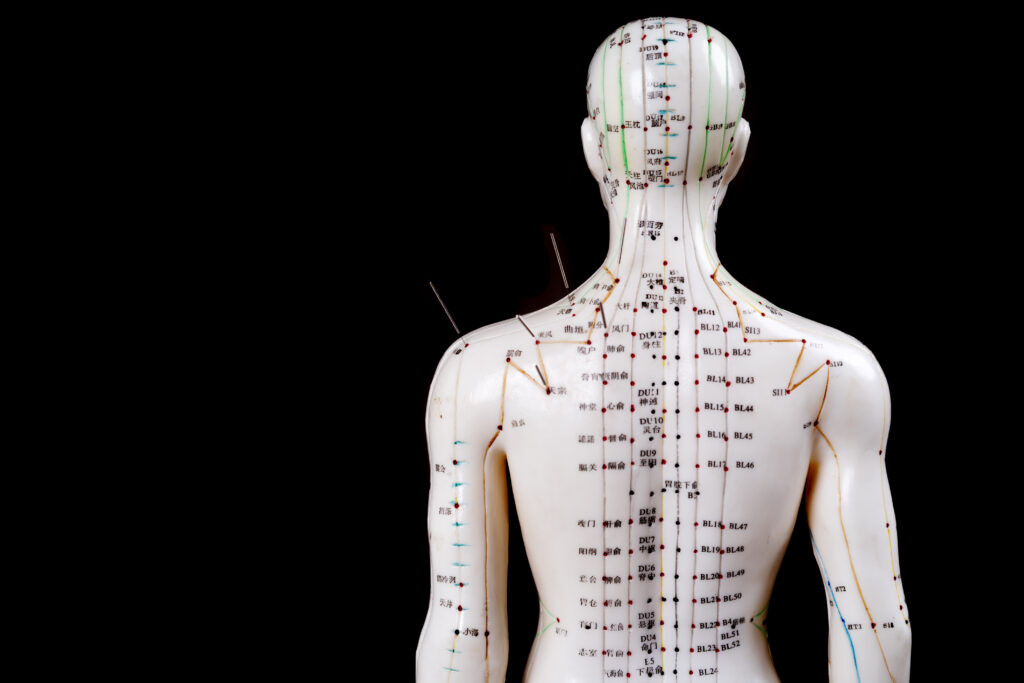
Medicine relies on models. All of science does, in fact. In medicine, these models help us think clearly and act effectively. They are judged by whether they help us make sense of symptoms and choose appropriate interventions.
The channel system belongs to this category. It does not ask for belief in invisible tubes or mysterious energetic substances. It offers a way of describing how different parts of the body influence one another. When discomfort travels along a recognisable pathway, when certain areas of the body reliably respond to needling elsewhere, or when internal symptoms change alongside musculoskeletal ones, the channel model gives those observations a shared language.
Understanding channels as a functional model also avoids a false choice between tradition and modern science. The model can remain clinically useful while our explanations of how it works continue to evolve.
Qi Revisited

Qi is often the point where misunderstandings arise. In everyday language, Qi is sometimes presented as a kind of invisible substance that flows through the body. That description can sound vague or mystical, especially when taken out of its original context.
On the other hand, some theorists seek to legitimise the concept by finding a direct correspondence between Qi and modern physiological mechanisms, proposing equivalents such as ATP (adenosine triphosphate, a molecule produced largely in the mitochondria and used by cells to fuel activity), in an attempt to make Qi more concrete by translating classical language into contemporary biomedical terms. But this is too simplistic and risks narrowing the concept to a single mechanism, losing the value of Qi as a unifying way of describing movement, change, and coordination across systems.
In classical Chinese medicine, Qi is better understood as a way of talking about efficient, functional activity. It refers to movement, transformation, and coordination. When Qi is described as flowing smoothly, it points to processes that are working efficiently and responding appropriately to changing demands. When Qi is described as constrained or deficient, it reflects a loss of adaptability or coherence.
Seen this way, Qi does not compete with physiology. It serves as a useful metaphor that broadly describes how systems communicate, how tissues respond to load and stress, and how the body maintains internal balance. Modern terms such as regulation, signalling, and integration often cover similar ground.
This perspective allows us to remain fluent in classical language while also translating it into concepts that align with current biological understanding. By treating Qi as a functional concept rather than a material substance, the channel system becomes easier to relate to modern ideas without losing its explanatory depth.
What Happens When a Needle Goes In
Local effects
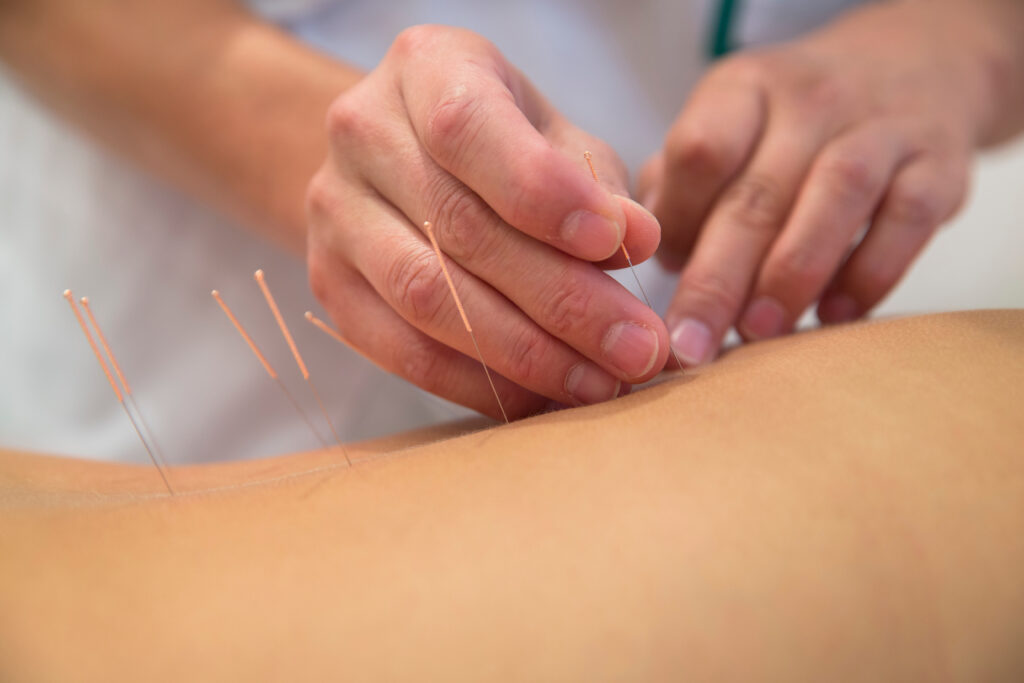
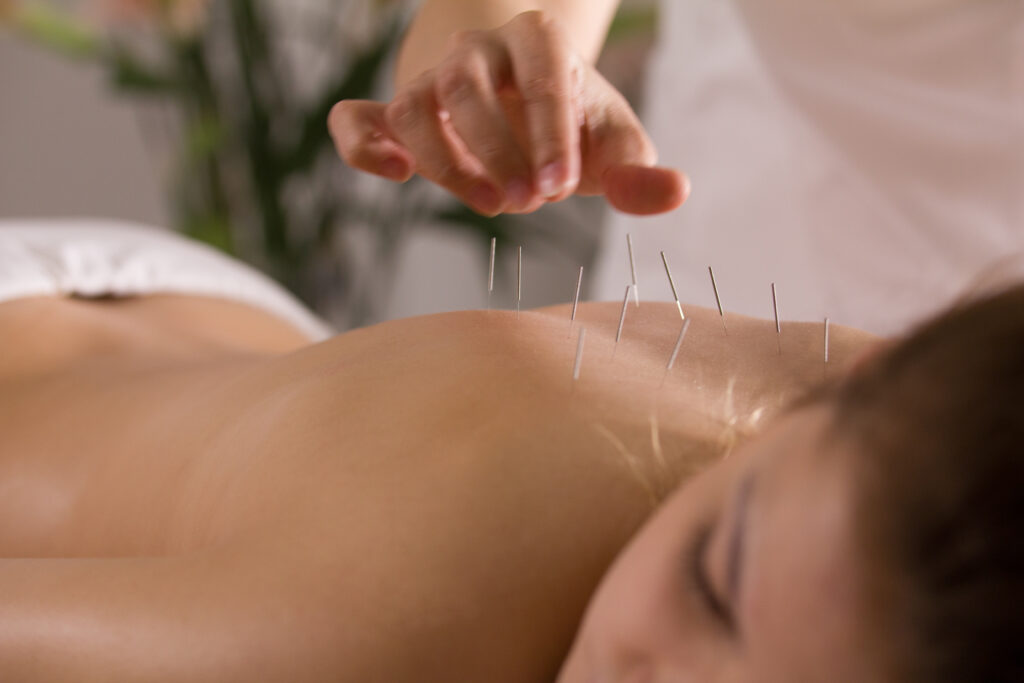
When an acupuncture needle is inserted, several processes begin at once. Some are local and mechanical. Others involve the nervous system, circulation, and the brain. None require reference to channels in order to be observed, but together they help explain why the channel model proved so clinically useful.
At the local level, the needle deforms tissue. This deformation affects skin, connective tissue, and muscle fibres, all of which contain sensory receptors. The body responds immediately. Blood flow increases around the site. Chemical mediators involved in inflammation and repair are released. One of these, adenosine, has a measurable pain-modulating effect and helps explain why local soreness often eases after needling.
Central processing
These local changes matter, but they are only part of the story. Sensory information from the needle travels along peripheral nerves to the spinal cord and onward to the brain. This input alters how pain signals are processed, both at the spinal level and in higher centres. In practical terms, this can reduce the amplification of pain and change how threatening a sensation feels.
Brain imaging studies show that acupuncture influences regions involved in pain perception, emotional processing, and autonomic regulation. These effects help explain why treatment can alter not only pain intensity but also sleep, mood, and stress tolerance. The release of endogenous opioids, such as endorphins, contributes to this regulatory shift by modulating pain signals. In addition, the release of various neurotransmitters, such as serotonin and noradrenaline, further supports these broader changes in the nervous system by enhancing mood, pain tolerance, and stress resilience. (For more on acupuncture's mechanisms, go here.)
What stands out is that these effects are not confined to the immediate area of needling. A point on the hand can influence the neck or jaw. A point on the leg can affect the lower back or abdomen. The nervous system provides one clear pathway for these non-local effects, and it aligns closely with how channels were described clinically long before nerves were mapped in detail.
Rethinking Channels Through Modern Lenses
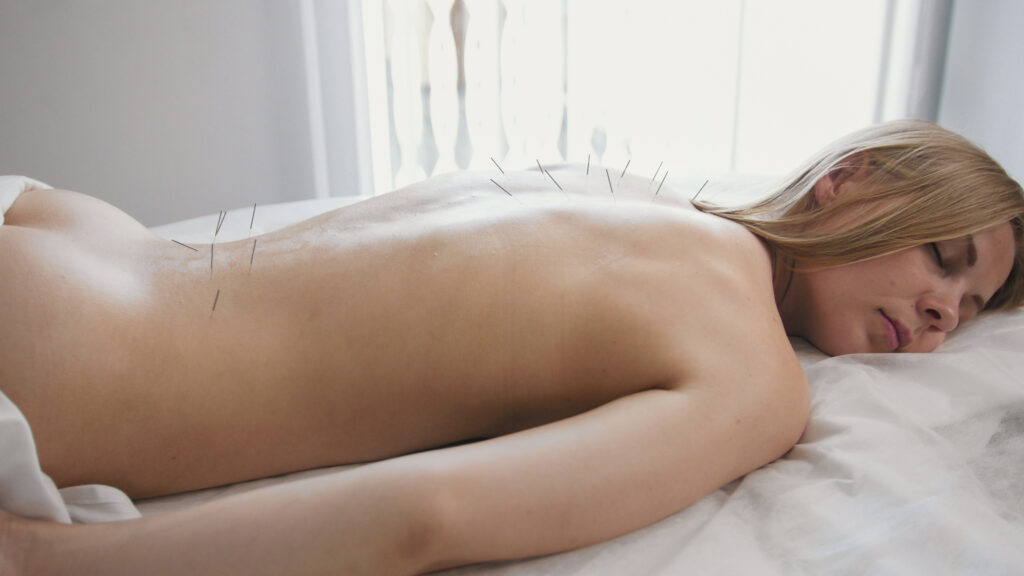
Once we step away from the idea of channels as literal structures, it becomes easier to consider how they might reflect several overlapping systems rather than a single one. No single modern explanation fully accounts for the reach and consistency of channel-based effects. That does not weaken the model. It suggests the model captures something complex that cannot be reduced to one mechanism.
Channels appear to describe regularities in how the body responds to stimulation. These regularities likely arise from the organisation of nerves, connective tissue, circulation, movement patterns, and central processing. Each contributes part of the picture.
This layered view mirrors how Chinese medicine developed. Early clinicians did not measure nerve conduction. They observed how symptoms clustered, how pain travelled, and how treatment at one site influenced distant functions. Over time, these observations were organised into channels, point categories, and patterns of disharmony.
Modern science allows us to revisit those observations with new tools. We can measure changes in blood flow, neural activity, and tissue behaviour. What we cannot yet do is point to a single structure and say: “This is a channel.” That expectation may itself be misplaced. Channels behave more like functional relationships than physical conduits. They are not observable at the dissection table.
Understanding this helps prevent forced equivalences. Channels are not identical to nerves, fascia, or blood vessels, although they probably intersect with all of them. They describe how influence moves through the body, not what carries it in a strictly anatomical sense.
In the sections that follow, we will look at several of the most plausible ways modern research has tried to account for these patterns. Each sheds light on part of the channel system, without claiming to explain it in full.
Embryology and Developmental Patterning
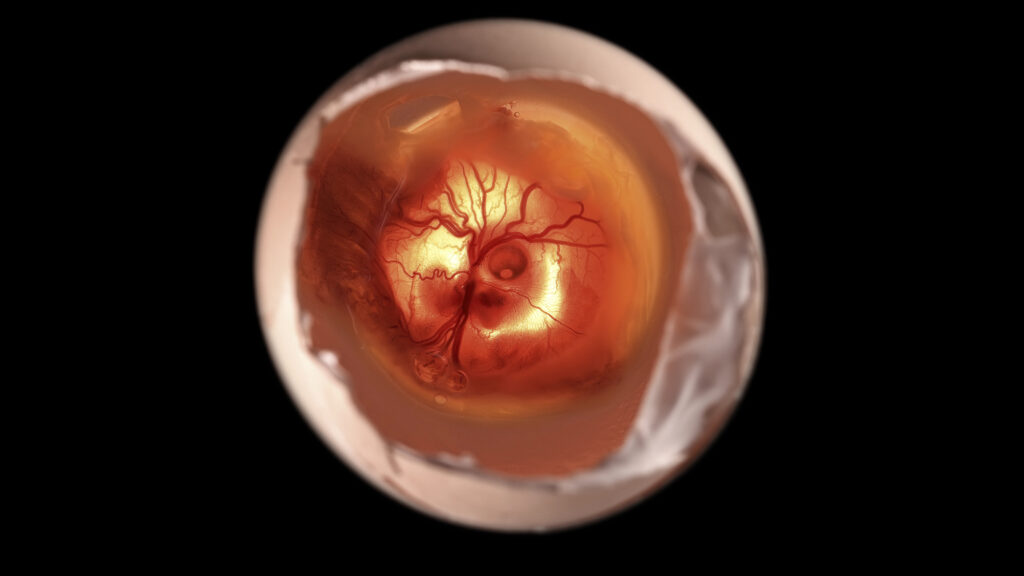
One way of approaching the channel system is to look not at the adult body, but at how the body forms in the first place. During embryonic development, tissues that later appear distinct begin in close relationship. Structures that end up separated by distance in the adult body often share early developmental origins.
Development is not simply a matter of parts spreading out. Relationships established early tend to persist as functional links. Organs that differentiate from related tissues often retain coordinated behaviour. Signals that once travelled over short distances may later operate across much wider anatomical space.
Chinese medicine describes functional pairings and groupings that align surprisingly well with this idea. The six-division model, for example, organises the body into layered relationships rather than isolated systems. These divisions describe how internal and external processes interact, how symptoms move inward or outward, and how regulation shifts over time.
Germ layers
Tài Yīn (Greater Yin), for example, is the division that links Lungs and Spleen. The channels of both organs map on to the medial anterior aspect of arms and legs respectively. The Lung–Spleen relationship reflects their shared role in handling what comes from outside the body. The Lungs interact directly with the surrounding air, while the Spleen (which in Chinese medicine refers to the pancreas and digestive tract as well as the anatomical spleen) governs the digestive process, which takes place within a hollow tract that is functionally continuous with the external environment.
Embryologically, both the respiratory tract and the digestive tract arise from the endoderm, with the lungs developing as an outgrowth of the primitive foregut, reflecting their shared role as interfaces between the body and the external environment. This shared origin in the endoderm helps explain why disturbances in the lungs and digestive systems often overlap, and why Chinese medicine identified a close pairing between them centuries before modern embryology described their common developmental roots.
From a modern perspective, embryology offers a plausible explanation for why certain regions of the body respond together, even when they appear anatomically distant. It suggests that the body’s early organisation by embryonic germ layers may retain enduring patterns of coordination that the channel system captures clinically. This perspective helps explain why channels often link areas that share no obvious surface anatomy, yet respond together in treatment.
Fascia as Mechanical and Communicative Tissue
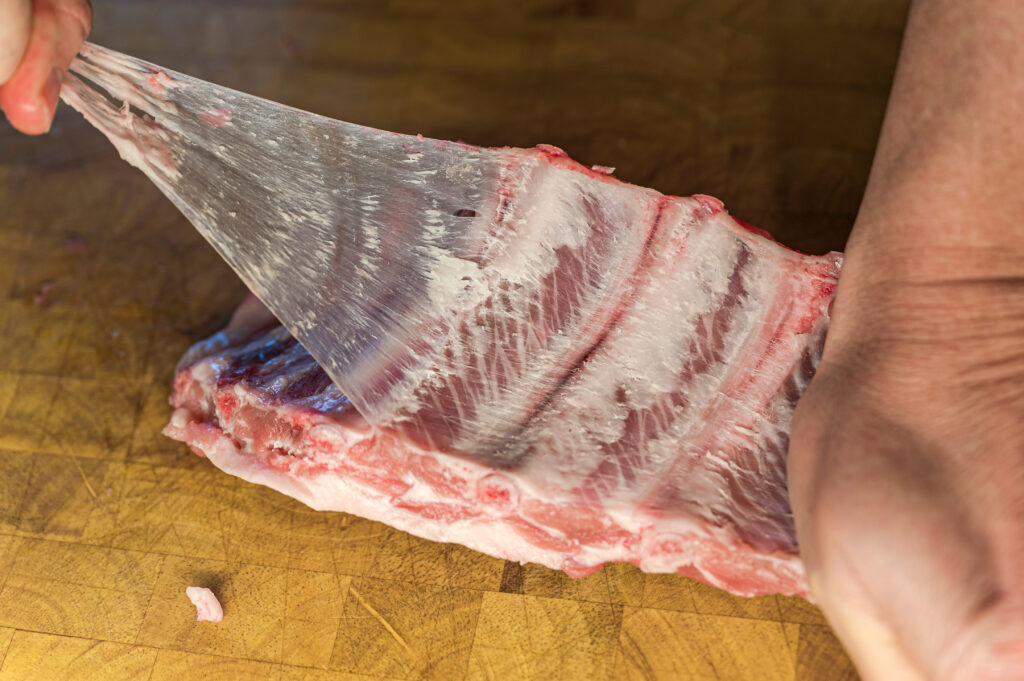
Fascia has attracted increasing attention in recent years, and for good reason. Fascia binds and supports our soft tissues to give us our recognisable human form. It is a continuous, adaptable tissue that wraps, penetrates, and interconnects muscles, organs, nerves, and vessels.
Mechanically, fascia transmits force. When we move, load, or hold tension, fascia distributes that force across wider areas than muscle alone. This means that stiffness or restriction in one region can influence movement and tone elsewhere, in the same way that bunching the fabric of a shirt creates lines of tension throughout the material as a whole.
Fascia is also responsive. It contains sensory receptors and responds to mechanical stimulation. When tissue is compressed, stretched, or twisted, cells within the fascia alter their behaviour. This affects local circulation, tissue hydration, and muscle tone. These changes contribute to how we experience movement, stability, and discomfort. Over time, habitual patterns of tension can become embedded in these connective tissue networks.
Needling fascia
Acupuncture interacts with fascia in several ways. The needle deforms connective tissue, particularly when it engages the tissue layers beneath the skin. Some needling techniques involve rotating the needle, which winds the connective tissue and amplifies sensory input. This deformation can alter local tension and influence how force is transmitted through surrounding structures. It also provides sensory input that feeds into the nervous system. By stimulating mechanoreceptors (movement-sensing nerve endings) in the fascia, acupuncture can inhibit nociceptive (pain-sensing) pathways, effectively reducing pain perception.
These properties make fascia especially relevant to the sinew channels described in Chinese medicine, which relate closely to muscles, tendons, and movement. The overlap here is clearer than with primary channels. The connected train of fascia that begins at the forehead and terminates at the plantar fascia of the foot, for example, maps closely on to the Bladder channel in Chinese medicine. Fascia does not explain the entire channel system, and they are not exact matches, but they are remarkably close considering the age of traditional medicine, and fascia helps account for the physical continuity and mechanical responsiveness observed along certain pathways.
Importantly, fascia should not be treated as a single explanation. Channels describe patterns of influence, and fascia helps explain how some of that influence moves through the body mechanically. While some fascial trains do correlate remarkably closely with the sinew channels of Chinese medicine, fascia is just one contributor among several to our understanding of how the traditional channel system can be translated to modern physiology.
Functional Movement and Postural Patterns

Movement offers another lens through which to understand channels. The body does not move as a collection of isolated muscles. It moves in coordinated patterns that involve balance, weight transfer, timing, and connected lines of power transmission.
Certain postural habits place consistent load along recognisable lines. For example, prolonged sitting with a flexed spine alters tension through the back of the body, from the soles of the feet up through the calves, hamstrings, and spine. Over time, these patterns shape how force is distributed and where discomfort emerges.
Channels often mirror these habitual lines of load and movement. Pain that tracks along the side of the leg, stiffness through the back of the neck, or tension across the chest frequently follows pathways that match classical channel descriptions. This does not require channels to be physical structures. It reflects how movement patterns organise strain and compensation. We are a connected whole, not a collection of isolated parts.
A similar logic appears in postural models such as “double cross syndrome,” which describes predictable patterns of weakness and overactivity arising from prolonged sitting and habitual postures. In this model, inhibited abdominals and gluteals are paired with chronic tension in the lower back, shoulders, and neck, illustrating how sustained positioning and repeated movement distribute load along recognisable lines rather than remaining confined to single muscles.
Real, sustained change here needs to come from lifestyle alterations, but acupuncture can influence these patterns by altering local tissue tone and sensory input. When a point influences how a muscle group behaves, the effect can ripple through a movement pattern rather than remaining local. Seen this way, channels describe how movement, posture, and load organise themselves over time. They capture regularities that remain clinically relevant even as our understanding of biomechanics grows more detailed.
Neurovascular and Autonomic Pathways

Another way of understanding channel behaviour is through the organisation of nerves and blood vessels. In the body, these structures do not travel alone. Nerves, arteries, veins, and lymphatic vessels tend to run together, forming corridors of communication and regulation.
Stimulation at one point along such a corridor can influence sensation, circulation, and autonomic activity at other points along its course. This helps explain why needling a distal point can affect muscle tone or pain perception in a distant region. The effect is not mechanical in the narrow sense. It involves changes in signalling and regulation that unfold across networks.
Autonomic regulation is particularly relevant here. The autonomic nervous system coordinates heart rate, digestion, vascular tone, and stress responses. Acupuncture has been shown to influence autonomic balance, shifting activity away from sustained stress responses and towards more adaptable regulation. These changes are reflected in heart rate variability, breathing patterns, and subjective sense of ease. We thus move from chronic, low level “fight or flight” mode to a “rest and digest” state that gives space for healing and regulation.
Vagal tone
The vagus nerve is a good example of how entwined our internal systems are. This nerve originates in the brain stem, passing close to the carotid artery and jugular vein before continuing to the chest, where it innervates various thoracic organs and structures such as the oesophagus, heart, and lungs. From there, it travels through the diaphragm into the abdomen, innervating the stomach, liver, spleen, pancreas, kidneys, and intestines.
The vagus nerve provides parasympathetic innervation to these abdominal and thoracic organs, playing a crucial role in regulating autonomic functions like heart rate, digestion, and inflammatory responses. Put simply, it acts as a two-way communication line, carrying signals that help the body sense safety, settle internal activity, and coordinate digestion and recovery. It is one of the main pathways through which the body shifts from alertness into rest, repair, and internal coordination.
Channels, viewed through this lens, describe pathways of regulatory influence rather than physical conduits. They map how stimulation in one area reliably affects function elsewhere, especially where neural and vascular communication converge.
Somatic Mapping, Microsystem Acupuncture, and Balance Methods
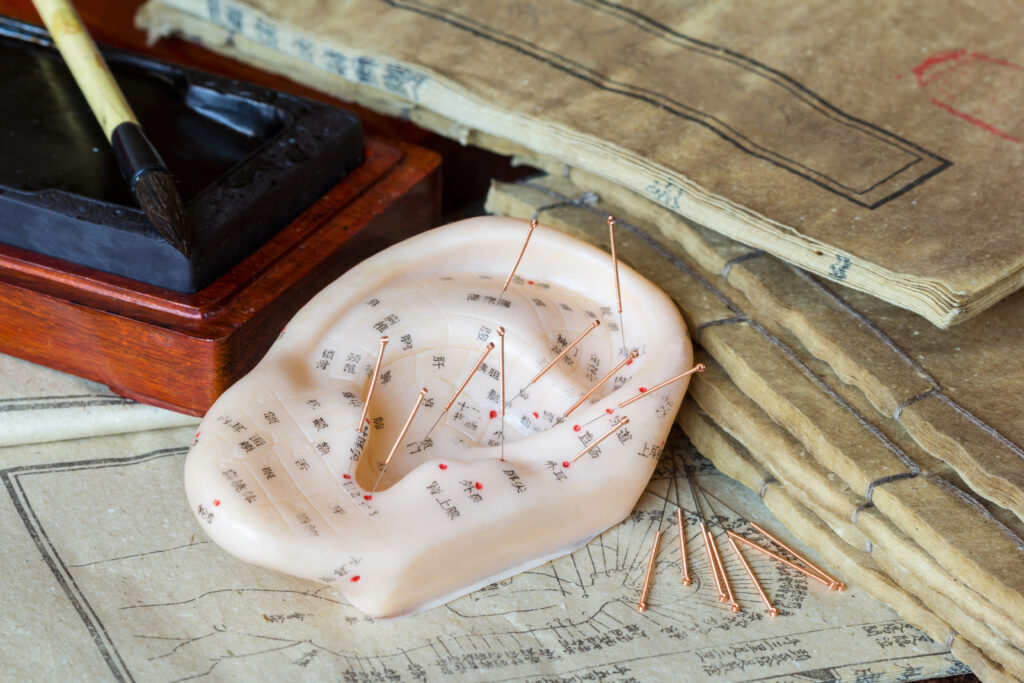
The brain maintains internal maps of the body. These maps organise sensory input, movement, and posture. They are not static; movement and awareness practices can develop them, making them more coherent and detailed. Injury, chronic pain, and habitual tension can distort them, altering how sensations are interpreted and how movements are coordinated.
Acupuncture interacts with these maps. Stimulation at specific sites can change how the brain represents a body region, reducing pain and improving coordination. This principle becomes especially clear in microsystem acupuncture, such as ear, abdominal, or scalp acupuncture, where small areas correspond to the body as a whole.
Balance methods also offer a practical demonstration of this mapping. In these approaches, such as Tan acupuncture, needling is applied to one part of the body to influence symptoms elsewhere, often across the midline or between upper and lower regions. The logic is relational rather than local. What matters is how one area of the body corresponds to another within an organised map.
Other methods draw on classical correspondences, including Yijing-based relationships. Clinically, they show that the body responds to patterned input, not just to stimulation at the site of pain. Channels make sense within this context as large-scale organisational maps that guide how such correspondences are selected and applied.
It's fascinating how the body seems to intuitively recognize and respond to these structured patterns, as if it’s encoded with an innate understanding of these stimuli, reflecting a sort of evolutionary wisdom or innate internal mapping within our nervous system.
Motor Points, Trigger Points, and Dry Needling
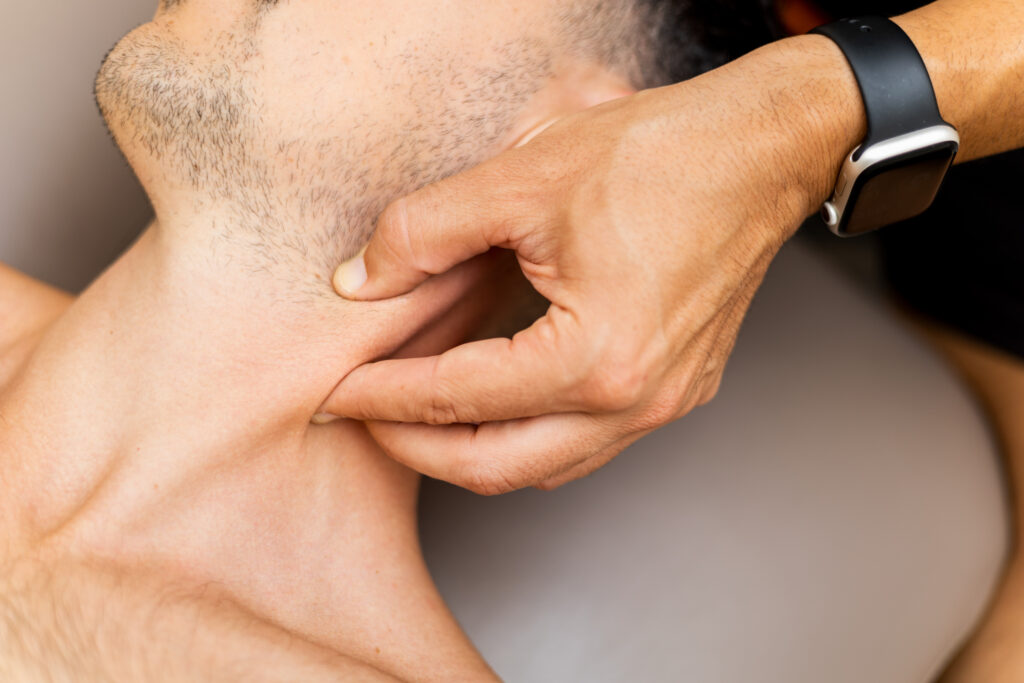
Modern musculoskeletal practice has developed its own language for needling. Dry needling typically targets motor points, trigger points, and areas of local tenderness. These sites are chosen for their capacity to reduce muscle tone, disrupt pain patterns, and restore movement.
There is substantial overlap between these locations and classical acupuncture points. Many acupuncture points lie close to motor points or regions of dense sensory innervation. As a result, dry needling and traditional acupuncture often converge in their immediate effects, particularly in the treatment of musculoskeletal pain.
The difference lies less in technique than in the framework used to guide treatment. Dry needling focuses on local tissue responses and neuromuscular mechanisms. Traditional acupuncture places those local effects within a broader system that considers channel relationships, internal regulation, and constitutional tendencies.
This distinction does not require opposition. It reflects different maps applied to the same terrain. Understanding where these approaches overlap helps clarify why acupuncture has remained relevant as musculoskeletal science has advanced, and why its effects often extend beyond the local site of needling.
Exploring Additional Pathways

Alongside the ideas already discussed, there are a few further ways researchers and clinicians have tried to account for how acupuncture produces effects that extend beyond the immediate site of needling.
One such area concerns bioelectric signalling. Living tissues maintain electrical gradients, and these gradients play a role in development, repair, and regulation. Connective tissue, including fascia, shows piezoelectric properties. When mechanically deformed, it can generate small electrical charges. Acupuncture needles introduce a local mechanical disturbance, particularly where connective tissue is engaged. This disturbance may alter local electrical conditions, influencing nearby cells and signalling processes.
Interstitial fluid can also act as a conductor. This fluid surrounds cells and moves continuously through tissues. It conducts ions and participates in electrical and chemical signalling. Changes in tissue pressure, tension, or hydration can alter how signals propagate through this fluid environment. From this perspective, acupuncture does not act only on nerves or muscle fibres, but on a broader electrochemical medium that links cells and tissues together.
Immune response
Another area of interest involves lymphatic and immunological pathways. The lymphatic system plays a central role in fluid balance, immune surveillance, and inflammatory regulation. Needling influences local circulation and tissue movement, which in turn can affect lymphatic flow. This offers one possible explanation for changes in swelling, inflammation, and tissue sensitivity following treatment. Immunological signalling is closely tied to these processes, and shifts in local inflammatory mediators may contribute to both symptom relief and longer-term regulation.
There are also ideas that sit further at the edges of current understanding. Some researchers have proposed that the body responds to informational patterns of signalling defined by timing, context, and network relationships, which cannot be inferred from anatomy alone. Others have suggested that tissues may respond to mechanical input in resonant ways, where timing, rhythm, and repetition matter as much as location. These concepts remain speculative, but they reflect an ongoing attempt to understand why certain patterns of stimulation consistently produce organised responses rather than random effects.
Fields of influence
The notion of biofields also resides at the margins of this discussion. The term has, in some contexts, drifted into vague ideas about an energetic field surrounding the body, often without clear physiological grounding. At the same time, there is a more concrete body of research examining bioelectric patterning within living tissue, particularly in relation to development and organisation.
Studies of embryonic development, for example, show that stable bioelectric gradients can appear across tissue before visible anatomical structures form. Using bioelectric imaging techniques, these voltage patterns have been observed outlining future structures in advance of their physical development, sometimes described as “morphogenetic fields”. Cells respond to these electrical cues as positional information, helping guide differentiation and organisation alongside genetic and chemical signalling. This bioelectric patterning has been described as a kind of developmental blueprint that operates before form becomes anatomically apparent.
While this research does not map directly onto the channel system, it shows how patterned bioelectric signalling can propagate through living tissue in organised ways. This has led some researchers to consider whether such signalling might contribute to the kinds of functional pathways described in Chinese medicine, without implying a direct anatomical correspondence.
What links all of these ideas is the recognition that acupuncture acts on a system that can interpret many forms of input at once. The central nervous system integrates these signals and responds with a cascade of measurable downstream biochemical effects, shaping how the body responds over time.
Placebo effect
Alongside these physiological processes, it is also important to recognise the influence of expectation, meaning, and therapeutic context. This placebo effect should not be underestimated. The way a treatment is understood, the sense of being listened to, the feeling of safety, and the quality of the therapeutic relationship all shape how the nervous system interprets incoming signals.
While these responses involve higher-level processes such as meaning and expectation, acting as whole-system, top-down influences that shape how physiological signals are interpreted, they do not sit outside physiology. Rather, they act through it, influencing perception, regulation, and the body’s capacity to respond. Expectation and the conscious assignment of meaning can create profound, physical shifts that enhance the therapeutic effect.
Why No Single Explanation Is Enough

Each of the perspectives explored so far accounts for part of what the channel system describes. Neural signalling explains non-local effects and changes in pain processing. Fascia accounts for mechanical continuity and the spread of tension. Developmental patterning helps explain why distant regions remain functionally linked. Movement patterns show how load and posture organise strain across the body. Somatic mapping explains how the brain integrates and reorganises sensory input.
None of these explanations contradict one another. They overlap. Together, they suggest that channels describe how influence moves through a complex, integrated organism. That influence does not belong to a single tissue type or system. It arises from coordination across several layers at once.
This layered view helps explain why acupuncture resists simple reduction. Attempts to pin its effects to one mechanism tend to fall short because the clinical reality is broader. The channel system simplifies complex communication between various interconnected systems, rather than describing a one-to-one equivalence that collapses into a single pathway.
Seen this way, the channel system functions as a synthesis. It brings together recurring patterns of response that emerge from many interacting processes. That is why a concept such as Qi is still such a useful concept. It functions as an elegant, simple metaphor for what in reality is a complex mesh of systems and processes.
Qi was never meant to imply a literal, invisible vital force running around our body like some sort of mystical electricity. Instead, it provides a pragmatic model to describe the overall influence of these systems’ interactions – one that can be worked with practically in a clinical setting.
Using the Channel Model Without Literalism
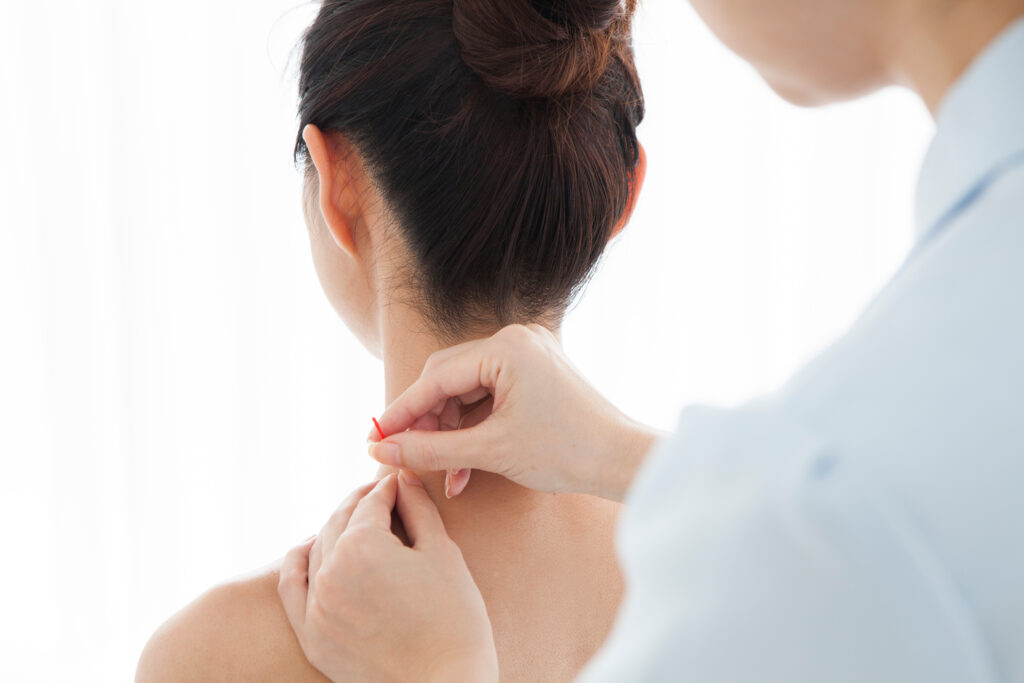
In practice, acupuncturists use channels as guides. They help determine where to examine, where to needle, and how to understand change over time. This does not require imagining channels as physical structures hidden beneath the skin. Dissection tells us clearly that this is not the case.
But in a living being, they are very much present in a functional sense. A clinician might choose a distal point because experience shows it reliably influences a particular pattern of symptoms. That choice can be justified through neural pathways, movement chains, or central processing. It can also be justified, often in a more coherent and clinically useful way, through the classical channel description.
For example, Nèiguān “Inner Pass” (Pericardium 6), located on the inner forearm, is traditionally associated with the chest and emotional regulation. Clinically, it influences nausea, palpitations, and anxiety. Physiologically, it affects autonomic regulation and sensory processing. The traditional model, which explains this by the channel’s topography and its associated organ’s functions, is arguably simpler and more explicit. Nonetheless, the channel model and modern explanations describe the same effect from different angles.
This flexibility is a strength. It allows the channel system to remain clinically relevant while accommodating new understanding. It also avoids unnecessary conflict between tradition and science, which operate at different levels of description.
Closing Reflection
The channel system emerged from careful observation of how bodies respond to illness, stress, and treatment. It offered a way of organising complexity that proved durable because it worked. Modern physiology does not invalidate that achievement. It adds depth to it.
When channels are understood as functional maps rather than literal structures, their relevance becomes easier to articulate. They describe patterns of coordination that remain visible across anatomy, movement, sensation, and regulation. Acupuncture works because it engages these patterns through multiple pathways at once.
Holding both perspectives together allows us to speak clearly and confidently about acupuncture without oversimplifying it. The classical model continues to guide practice. Modern science continues to refine how we understand its effects. Neither needs to be reduced to the other.
Being fluent in both languages is important. Classical medicine offers a coherent, relational framework shaped by centuries of clinical observation, while modern biomedicine provides tools that clarify and specify mechanism, context, and limitation.
When practitioners can move comfortably between these ways of speaking, the result is not confusion but depth. Each perspective sharpens the other, allowing acupuncture to be understood as a living practice rather than a relic to be defended or a mechanism to be collapsed into physiology alone.
Further Reading

Read more on our blog:
- How does the body respond to acupuncture? - what happens when we insert a needle
- Which kind of anxious are you? - thoughts on anxiety in Chinese medicine
- Health without hacks - simple wellbeing advice
- Foot health, somatic awareness, massage, and the nervous system - standing on your own two feet
- Common traditional patterns of disharmony: Liver Qi Stagnation and Spleen Qi Deficiency
- What is Qi? - an exploration of vital energy
- Chronic pain - acupuncture as a first line intervention
- Sailing the Dao - modern misuses of Daoist wisdom
- Six Divisions & TCM Pathology - a comprehensive guide to Chinese medicine
- How many needles? - contrasting styles of acupuncture
- Between freedom & form - tensions between tradition and modern individualism
- Navigating the middle ground - tensions between spiritual healing and modern biomedicine
- How diagnosis works in Chinese medicine
- The scientific mechanisms of acupuncture
- Is acupuncture really "alternative"? - how Chinese medicine stands apart from other alternative therapies
- When wisdom becomes a soundbite - how modern culture uproots classical ideas from their proper context
- Acupressure points for anxiety and migraine relief
- Acupuncture: pseudoscience or evidence-based practice?
- What is tuina? - a look at Chinese massage
- Qi is not quantum - debunking a popular acupuncture myth
- Supporting lymphatic health with acupuncture, tuina, and qigong
- Sleep is sacred: natural ways to ease insomnia
- Is dairy really bad for you? - a Chinese medicine perspective
- Qi in the Age of AI - why Chinese medicine matters more in the information age
- The Chinese body clock - parallels with our modern understanding of circadian rhythms
- Year of the Fire Horse - transitioning into 2026
And, for a deeper dive into some of the topics touched on in this article...
- How does acupuncture work? - exploring fascia, embryology, and systems science
Bibliography
- Anatomy Trains – Thomas Myers
- A Spark in the Machine; The Uncharted Body – Daniel Keown
- Muscles and Meridians – Phillip Beach
- Research on connective tissue and mechanotransduction in acupuncture – Hélène Langevin
- Fascia: the tensional network of the human body – Robert Schleip
- The Body Electric – Robert Becker
- We Are Electric – Sally Adee
- The Polyvagal Theory – Stephen Porges
- Medical Acupuncture – Filshie, White, & Cummings
- I Ching Acupuncture – David Twicken
- Discussions of Cold Damage – Guohui Liu
- Applied Channel Theory in Chinese Medicine – Wang Ju-Yi & Jason Robertson
- A Manual of Acupuncture – Peter Deadman
- The Foundations of Chinese Medicine – Giovanni Maciocia
- The Yellow Emperor's Classic of Internal Medicine – Ilza Veith (translator)
Visit the British Acupuncture Council's website to find a qualified, regulated acupuncturist in your area of the UK.
Thanks for reading!