

More than a placebo...
Acupuncture has been studied for many years, but the last decade has seen a real shift in how we understand it. The more researchers look, the more they find measurable, physiological changes that help explain why acupuncture benefits pain, stress, digestion, sleep, and overall wellbeing. These discoveries match what practitioners have observed in clinic for a very long time: that our systems are fundamentally interconnected and bound together into one responsive, intelligent whole.
How acupuncture affects the brain and nerves
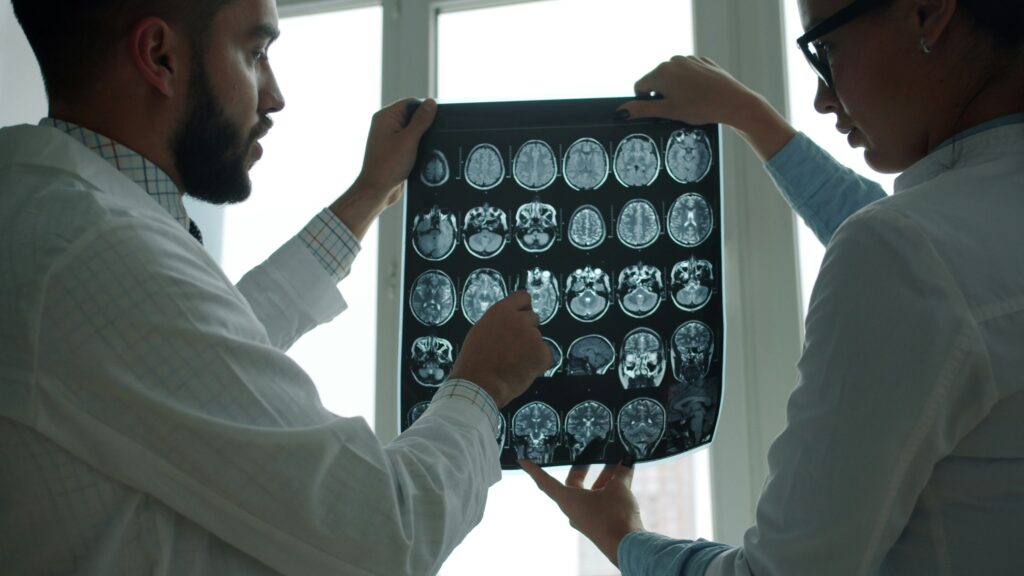
Neuroimaging shows that acupuncture can activate specific regions of the brain linked with pain, sensory processing, mood, and internal regulation. Studies also show effects on the HPA axis, which supports the body during stress. This helps explain why people often feel calmer and clearer after treatment.
The nervous system responds in several additional ways. Needling can increase endorphins and enkephalins, which are the body’s natural analgesics. It also modulates neurotransmitters such as serotonin and noradrenaline, both of which influence pain and emotional balance. There is direct evidence that acupuncture affects TRPV1 pain receptors, which are involved in heat sensitivity and inflammation.
Changes occur in both peripheral and central sensitisation. Locally, acupuncture reduces inflammatory chemicals around nerve endings and increases chemical messengers that soothe them. In the spinal cord and brain, acupuncture stimulates descending inhibitory pathways and influences glial cells that play a role in chronic pain. These effects help reduce exaggerated pain responses over time. Stimulation of A-delta fibres also inhibits C-fibre pain transmission, which explains part of the immediate pain-relief response.
Connective tissue, fascia, and mechanobiology
Fascia is a sensory-rich tissue filled with mechanoreceptors, proprioceptive endings, and immune cells. It communicates throughout the body through mechanical tension rather than electrical impulses, unifying us into something akin to a tensegrity model, whereby affecting one part affects all parts.
Acupuncture interacts directly with this system. When a needle is rotated gently, the surrounding connective tissue winds around it. This creates mechano-transduction effects that influence fibroblast behaviour, tissue tension, and local signalling pathways.
Some researchers propose that piezoelectric signals within connective tissue may help explain communication through the channel system. These signals occur when mechanical pressure creates small electrical charges within the collagen matrix.
The fact that fascial planes often follow the same paths as the classical channels, and that these planes trace back to embryonic germ layer boundaries, adds another layer of interest to this idea. It is possible acupuncture may even engage a sort of structural memory of developmental patterns – a kind of ancestral blueprint to which our homeostatic systems strive to cohere.
Needling can also create very small, controlled micro-injuries. These are not harmful. They act as a stimulus for tissue repair, increase local circulation, and help reset dysfunctional neuromuscular patterns. This is similar to how strength training uses controlled micro-damage to trigger repair and strengthening, but on a much smaller and gentler scale.
Local physiological responses
Acupuncture improves microcirculation by increasing nitric oxide, widening capillaries, and improving oxygen delivery to the tissues. It influences ATP release at the needle site. ATP breaks down into adenosine, which reduces nerve irritation, calms inflammation, and supports mitochondrial function. This chain of events is one of the most well-documented biochemical mechanisms in acupuncture research.
There is also growing evidence that acupuncture modulates mast cells, T-cell behaviour, and microglial responses. Research also shows reductions in pro-inflammatory cytokines such as TNF-alpha and IL-1 beta, which play major roles in chronic inflammatory and pain conditions.
Spinal and whole-system effects
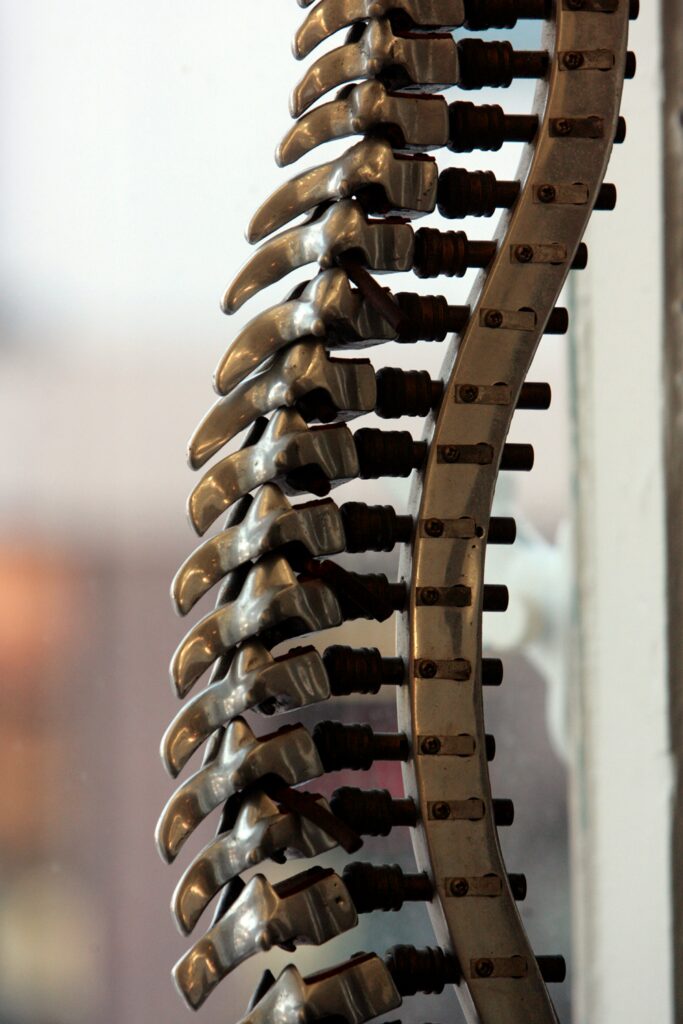
Acupuncture influences spinal segment activity, which helps explain why a point on the leg can affect the lower back or hips. This is a clear link between dermatomes, myotomes, and traditional channel theory.
It also shifts the balance of the autonomic nervous system. Treatment often moves the body away from sympathetic drive and toward parasympathetic recovery. This can improve digestion, circulation, heart rate variability, sleep quality, and vagal tone.
Neuroplasticity, emotional processing, and interoception
fMRI studies repeatedly show changes in the limbic system, the insula, and the anterior cingulate cortex. These areas regulate emotion, attention, interoception, and the meaning we give to bodily signals. Acupuncture can influence these networks in ways that reduce hypervigilance and help the brain process pain more accurately.
There is also evidence of changes in the default mode network, which relates to rumination and self-focused thought. These shifts support emotional ease, clearer awareness, and healthier mind–body integration.
Interoceptive awareness improves as the body becomes less distressed and more regulated. This is not psychological in the dismissive sense. Psychology, physiology, and neurology interact continuously. Acupuncture engages all three in a grounded, measurable way.
Clinical recognition
Internationally, public health bodies are responding to the growing evidence base. The National Institute for Health and Care Excellence (NICE) now recommends acupuncture for chronic primary and secondary pain.
The World Health Organization lists a wide range of conditions for which acupuncture has demonstrated benefit. These endorsements reflect substantial evidence, not tradition alone.
In closing
Acupuncture influences the nervous system, connective tissue, immune signalling, circulation, pain pathways, and brain networks. These changes are real, observable, and supported by an expanding scientific literature. The picture that emerges is one of whole-system regulation rather than just placebo. For many people, this is why acupuncture becomes an important part of their long-term wellbeing.
If you would like to explore how acupuncture may help your own health, feel free to get in touch. Or if you'd like to take a deeper dive into some of the most fascinating theories about how acupuncture works, continue exploring with this article on fascia, embryology, and systems science.