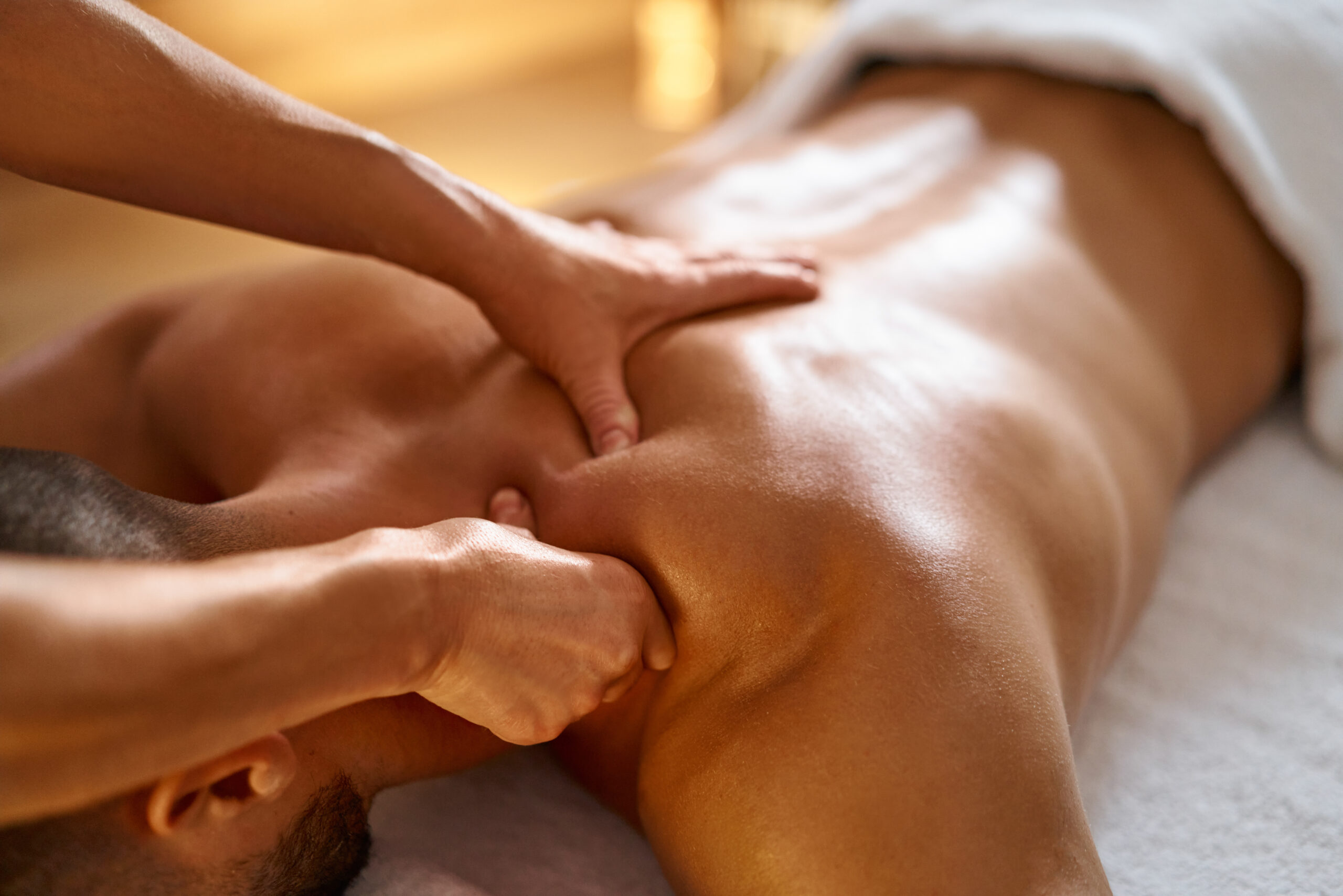
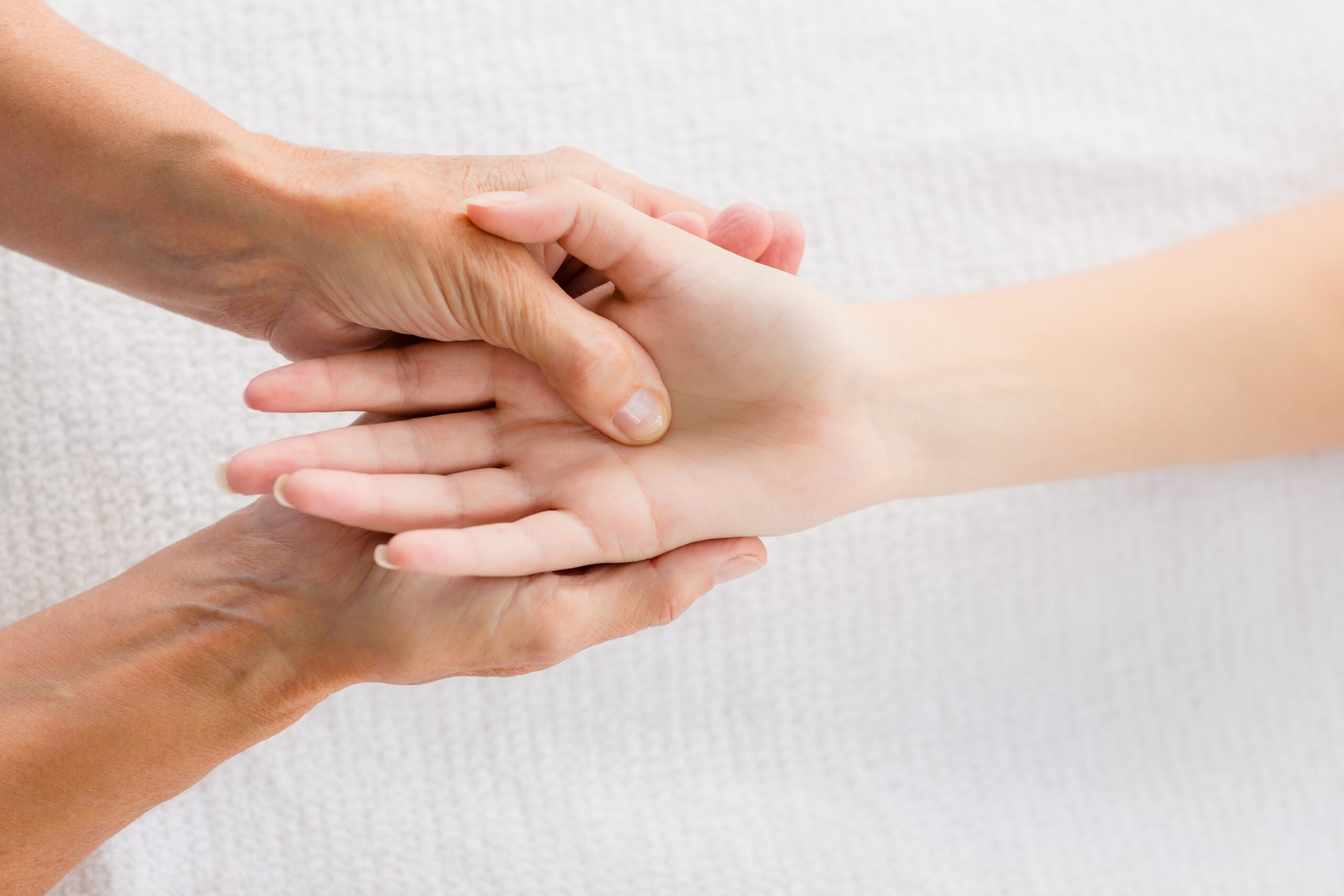
Tuina is a form of medical massage used in Traditional Chinese Medicine (TCM) to address both internal imbalance and physical tension.
Unlike other kinds of massage therapy, tuina (which means “push & pull”) works with acupuncture channels and specific pressure points to move qi and blood, unblock stagnation, and restore functional harmony to the body.
This isn’t a spa massage – it’s therapeutic, purposeful bodywork, rooted in centuries of clinical use – but it can be smoothly integrated with various restorative or remedial massage techniques to tailor a treatment to your body's unique needs, ensuring the best possible care and outcome for you.
While tuina is at the heart of what I offer, I also provide rejuvenating options such as full-body Swedish massage. You’ll discover more about these restorative care offerings as you explore the page.
I'm Richard, a dedicated acupuncturist and massage therapist, focused on helping you move and feel better. Whether you're seeking therapeutic support for recovery and maintenance, or nourishing care for general wellbeing, these traditional tuina and restorative treatments are here for body and mind.

Tuina is highly effective for relieving both acute and chronic pain and tension, improving mobility, and supporting nervous system balance. It promotes recovery from injuries, improves posture, and enhances overall physical alignment and function.
By encouraging the smooth flow of qi and blood, tuina can get blocked energy moving to help improve circulation, enhance peristalsis and digestive function, and support the body’s natural healing processes, especially during times of illness or recovery.
Tuina can help regulate the menstrual cycle, ease cramps and PMS, and support the body during perimenopause and menopause by promoting hormonal balance and easing associated symptoms.
This hands-on massage therapy helps calm the nervous system, reduce chronic stress responses, and bring a sense of emotional ease – making it especially beneficial for anxiety, overwhelm, and burnout. Patients particularly enjoy combining tuina with shun jing meridian tracing (channel brushing) and acupressure for a deeply calming experience.
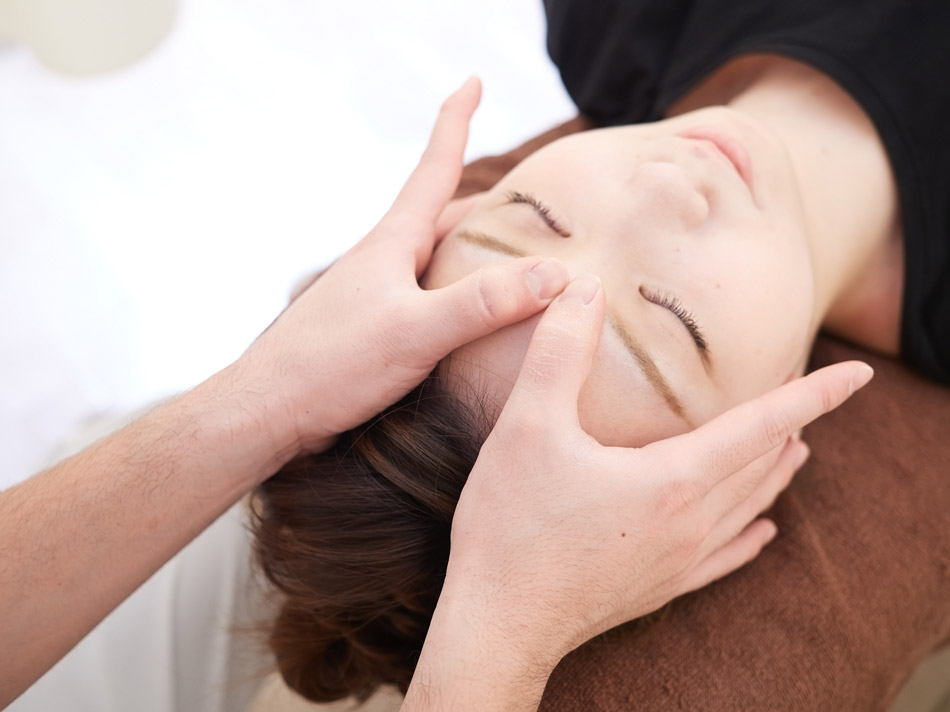
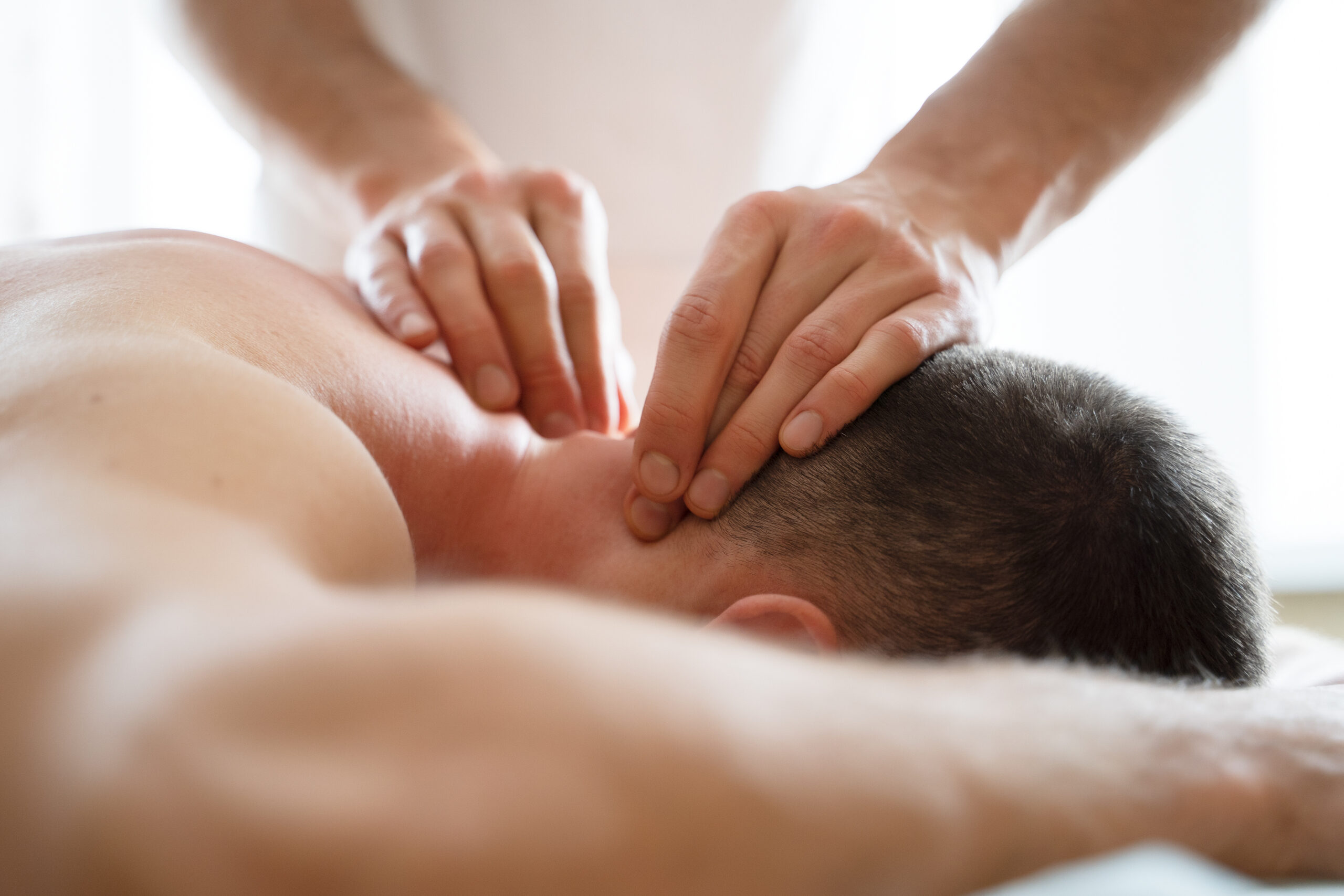
Tuina can help relieve tension held in the head, neck, and jaw. It can also support more restful sleep and boost overall energy levels by rebalancing internal systems.
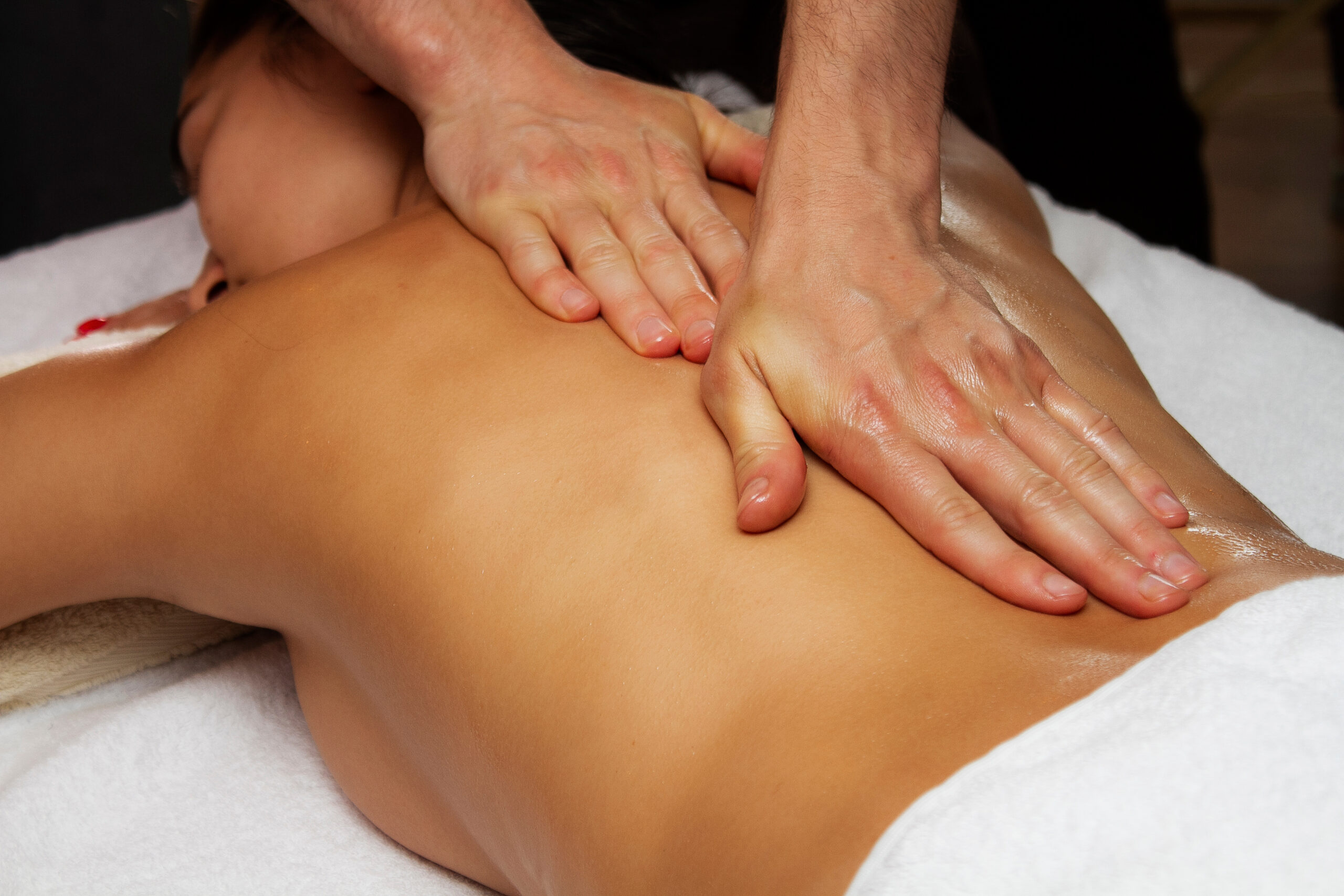
I support people of all ages and walks of life – from those with chronic back pain, to stressed professionals, to older clients navigating long-term conditions, to children managing anxiety. Many clients are new to Chinese medicine and find tuina an accessible way in, especially if they’re unsure about needles.
But tuina isn’t an inferior alternative to acupuncture – it’s a highly effective ancient healing art and medical massage therapy in its own right.
Expect a professional and personalised approach in a safe and supportive environment.
I also provide adjunct therapies such as traditional acupuncture and electro-acupuncture, cupping, and gua sha, along with self-care strategies based on Chinese medicine and qigong movement therapy. Discover what else is offered here.

I offer treatments from three comfortable, private clinics in the Leeds–Bradford area. Each clinic provides a tranquil space to relax and rebalance, nurturing both your physical and energetic wellbeing to support deeper healing. Treatments are delivered by Richard Ashton, BSc (Hons), Lic. Ac., Dip. (Tuina), MBAcC.
Feedback from clients is consistently 5-star across verified platforms. View Google reviews for Bradford and Leeds clinics, or take a look at the client testimonials page.
Appointments by advanced booking only.
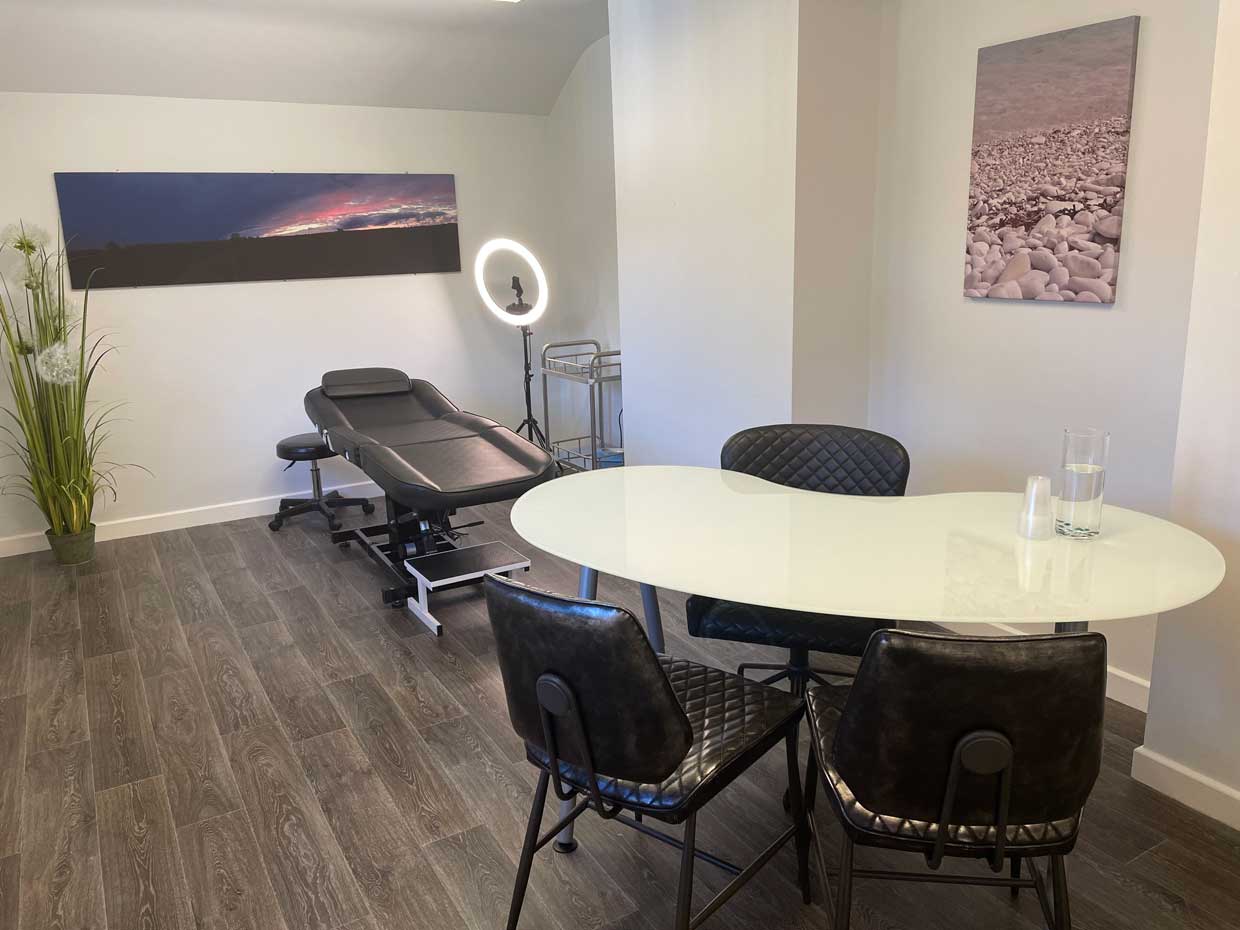


The welcoming clinic space in Bradford is located near Saltaire, at the Heather Yoga shala and co-located with the excellent Dandelion vegan café. There is ample free on-street parking available.
Arriving at Shipley…
Holding Space, John Street, Saltaire, Shipley BD18 3HU
When you arrive, take a seat in the café and I will meet you at your prearranged appointment time. If outside café opening times, please ring the bell and I will come to greet you. If you happen to arrive early, please be patient as I may be with another client and unable to come to the door immediately.
The two lovely clinic spaces in Leeds are located at Rooms@1900 in Calverley and the Tower Clinic in Cookridge. There is free on-street parking at both sites, with private courtyard parking also available at Cookridge.
Arriving at Calverley…
Rooms@1900, 45 Thornhill Street, Calverley, Pudsey LS28 5PR
You will have received an email confirming your room booking. Ring the corresponding buzzer number and I will let you in and come to greet you in the waiting room at the time of your appointment.
Arriving at Cookridge…
The Tower Clinic, 8 Tinshill Lane, Cookridge, Leeds LS16 7AP
Take a seat in the reception area when you arrive and I will meet you at your prearranged appointment time.
Visit the Leeds locations here or the Bradford location here.
Q: "Is tuina the same as Chinese massage?"
"Yes, tuina is Chinese massage. It's one of the oldest healing arts in the world, used for centuries to ease tension, improve circulation, and support the body's natural balance."
Find more FAQs below...

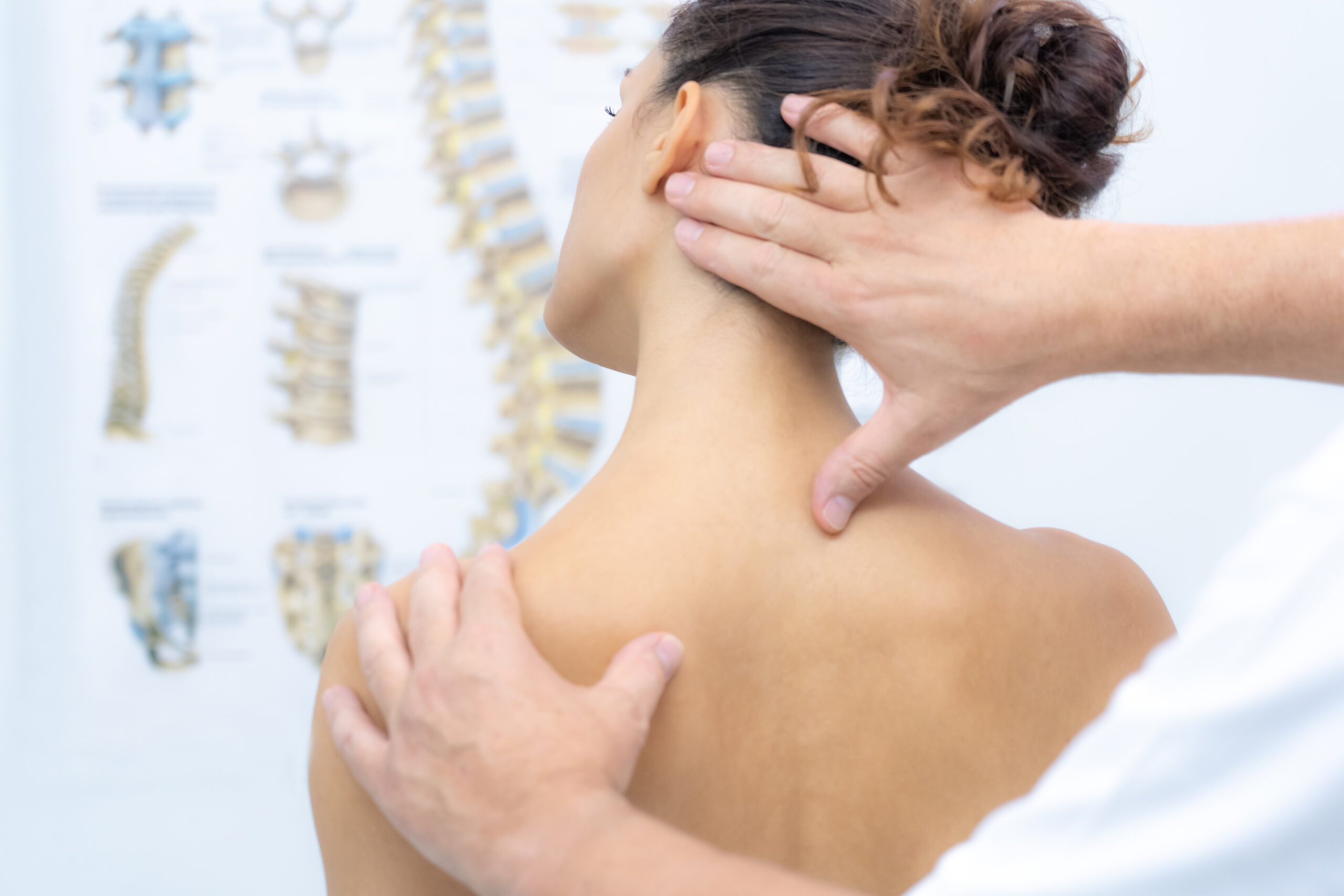
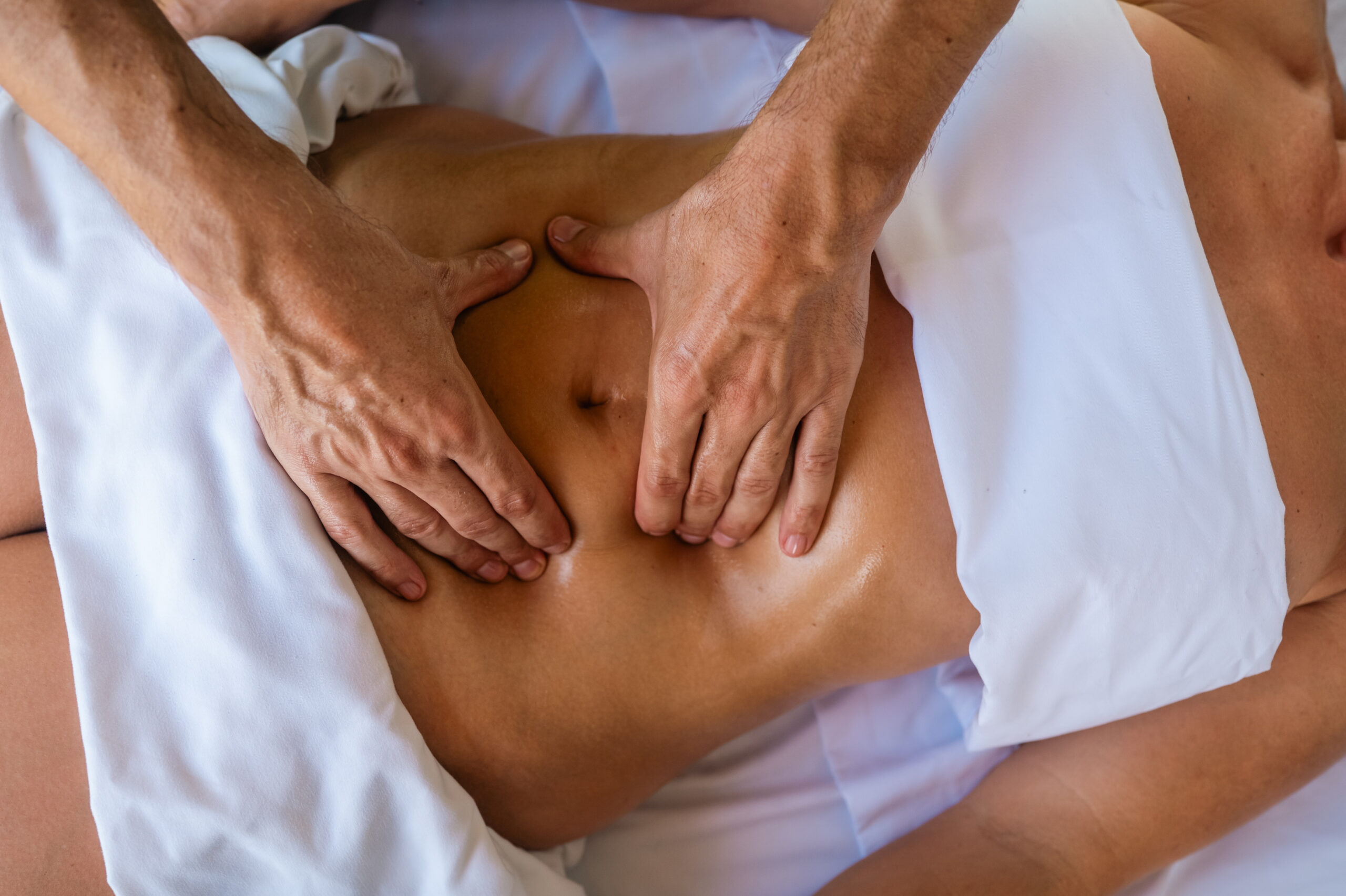
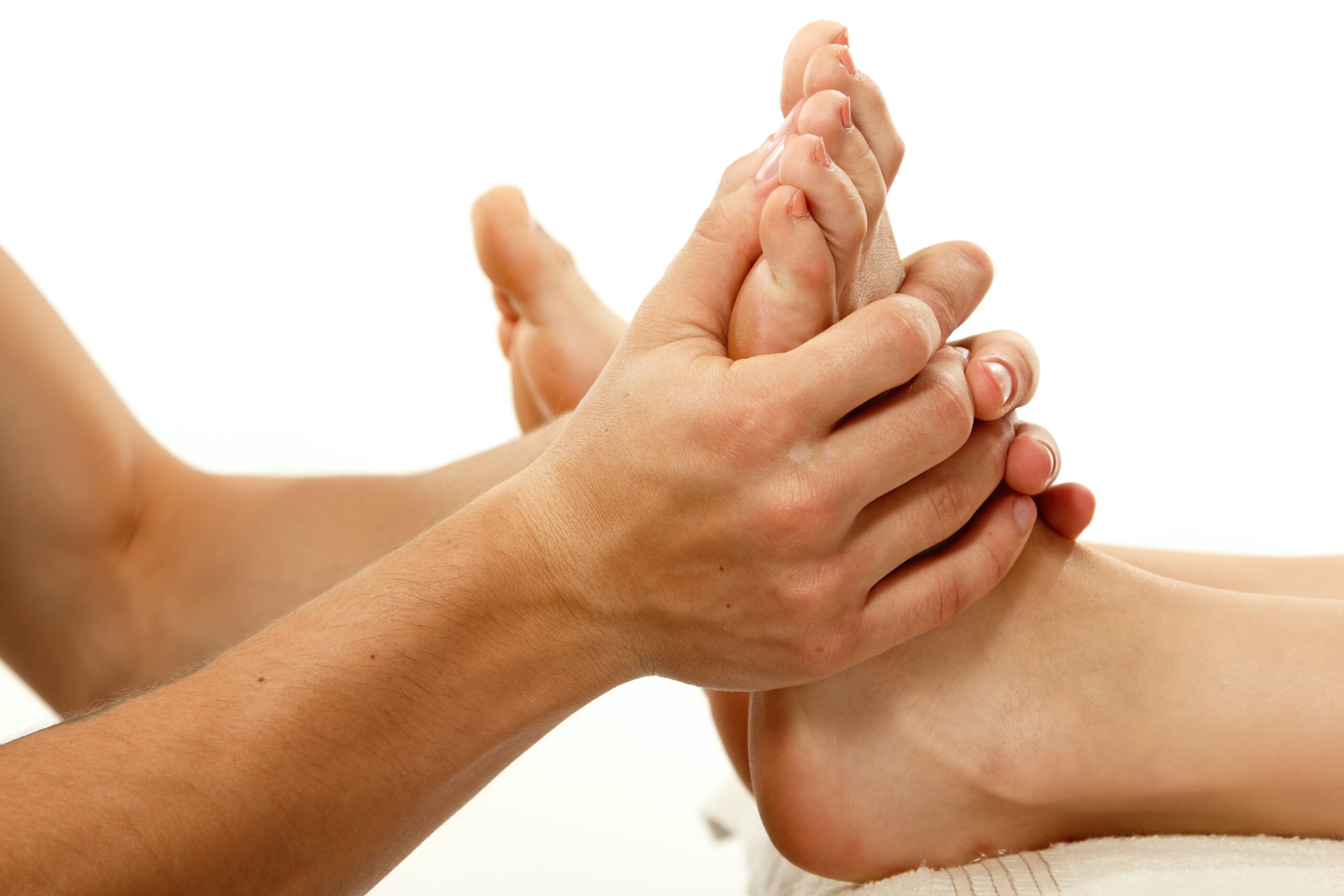
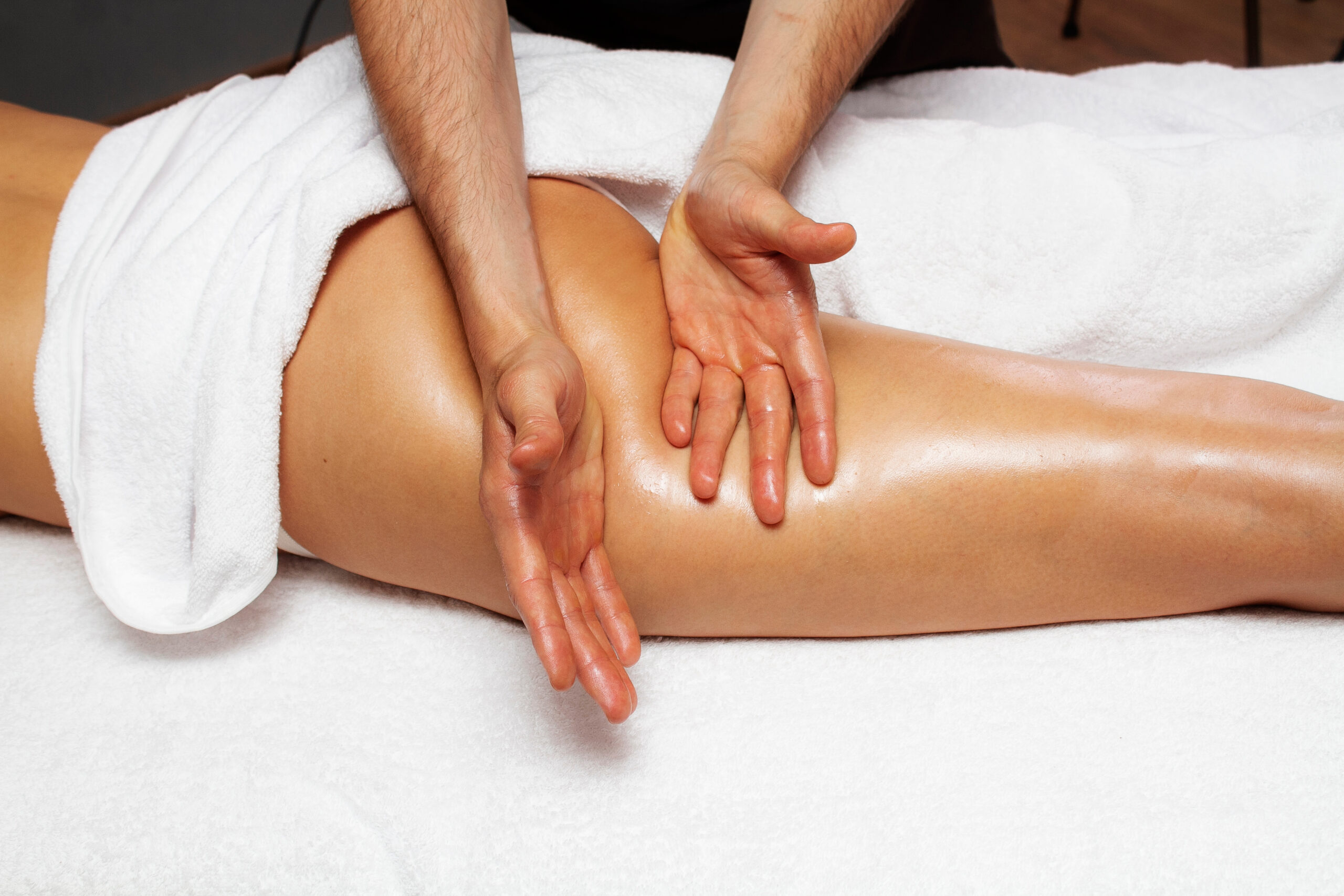
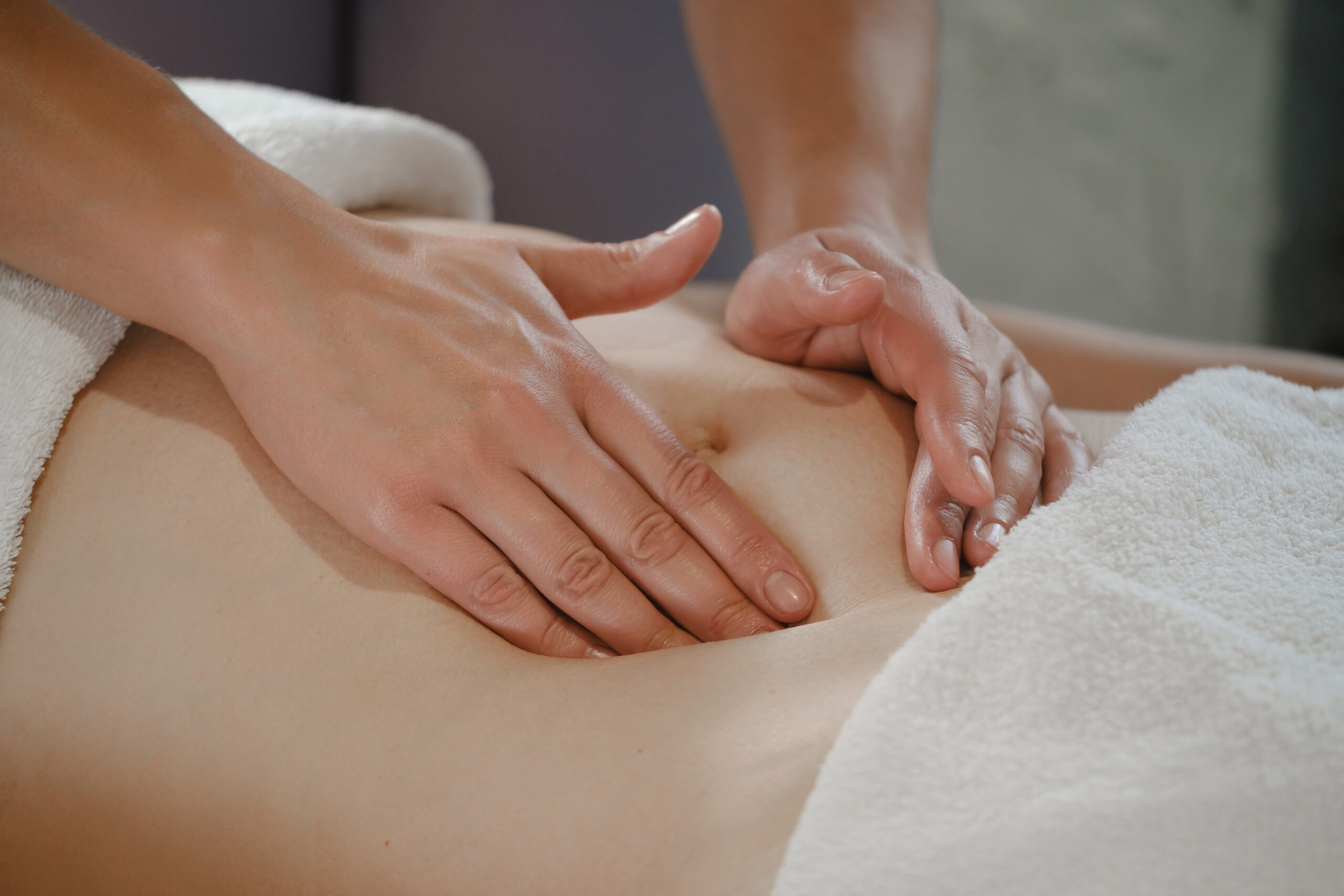
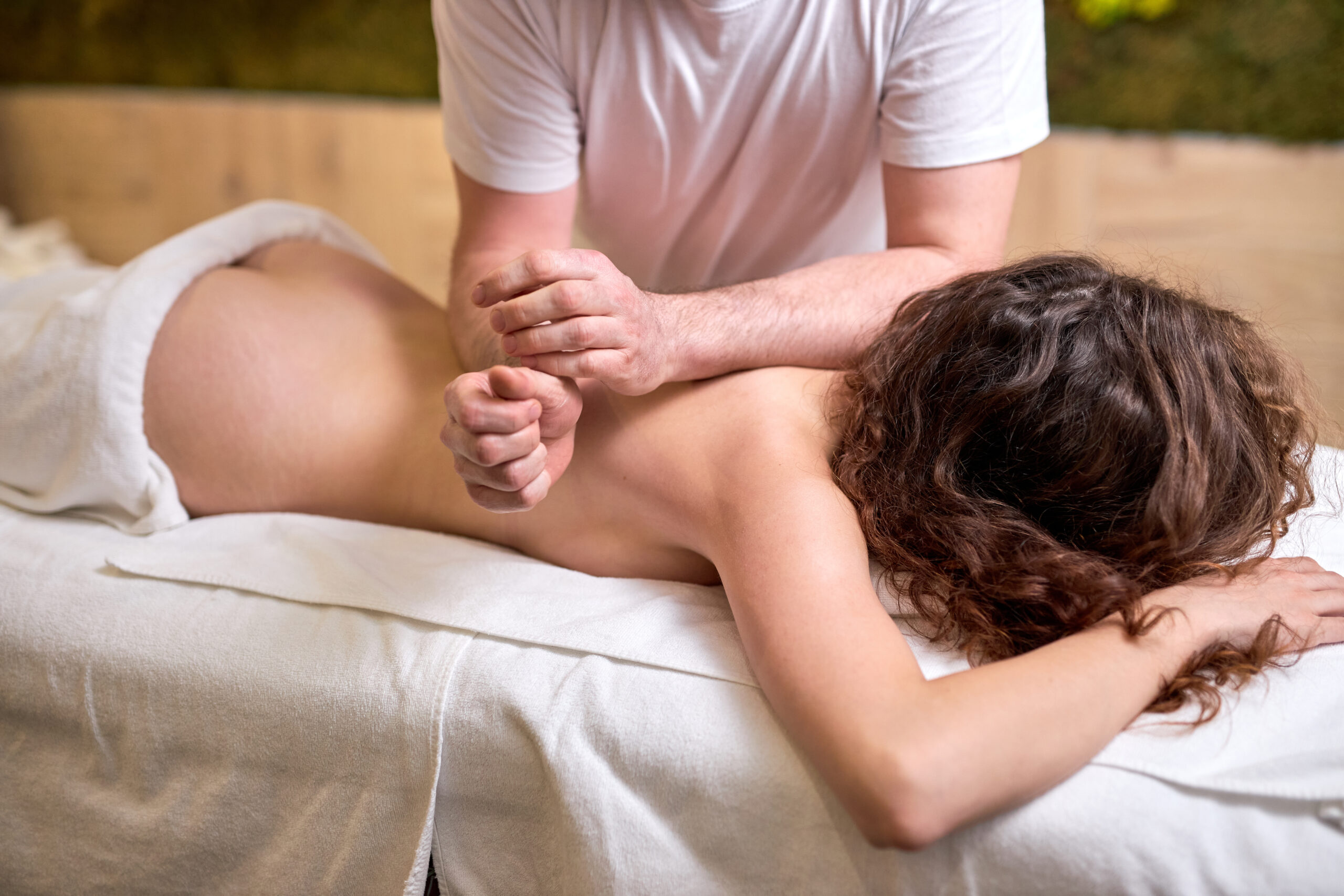
I offer a variety of tuina sessions to suit your needs, from focused 30-minute treatments to extended 45-minute sessions. You can also choose to combine tuina with acupuncture for a comprehensive 80-minute appointment.
My approach blends traditional Chinese bodywork methods — such as acupressure and channel brushing — with soft tissue techniques, spinal manipulation, joint mobilisation, tendon and myofascial release, and focused remedial massage.
Each session is tailored to you, and may incorporate elements like neuromuscular release (NMR), proprioceptive neuromuscular facilitation (PNF), or abdominal, facial, or Indian head massage when appropriate.
For those seeking a unique experience, bodyweight floor massage (described below) applies these same principles to deliver deep, stable pressure in a floor-based setting.
Whatever approach you choose, each session is carried out with communication, care, and clinical expertise — always with the aim of restoring your natural balance.
Sessions available:
• Short tuina or bodyweight massage session (30 mins – £40):
This session is ideal for focused work on a particular area, or if you’d like to receive a bodyweight floor massage (see below for more details).
• Long tuina or Swedish massage session (45 mins – £55):
A longer session for a more comprehensive treatment (floor massage can be incorporated as appropriate).
• Combined acupuncture & tuina or Swedish massage (80 mins – £75):
Integrate acupuncture and tuina for a full therapeutic session.
All sessions are available as single appointments or as part of a 4 or 8-session course. Please see the payment page or the button at the bottom of this page for package pricing.

This focused, floor-based treatment draws on advanced tuina massage techniques, using supported foot pressure and the practitioner’s own bodyweight to apply broad, even compression across the body. Performed fully clothed on a futon, it allows for sustained, grounded pressure that’s difficult to achieve by hand alone, especially over large muscle groups.

Working deeply into the posterior chain (hamstrings, calves, glutes, sacrum, low back) as well as areas like the arms, hands, quadriceps, and feet, this method helps release muscular tension, improve circulation, and restore postural balance. Tuina techniques such as kneading, plucking, and rhythmic pressure are adapted for use with the feet, allowing a unique combination of strength and sensitivity.
Q: "What does a bodyweight floor massage feel like?"
"Clients often describe it as deeply grounding and relaxing: strong, steady pressure that helps the body let go of tension without needing to brace. The use of foot pressure allows for broad, even contact, especially across large muscle groups, and the support used makes it feel safe, stable, gradual, and precise."
Despite its intensity, the treatment is fully supported and carefully delivered. It's not simply walking on the body, but a skilled application of pressure that’s safe, stable, and highly responsive to your needs. It is particularly suited for those experiencing chronic stiffness, fatigue, or deep muscular holding, and offers a therapeutic experience that feels both powerful and restorative.

I have specific training in this form of bodywork, as part of my diploma in advanced tuina techniques.
Bodyweight floor massage can be booked on its own as a 30-minute tuina session, or incorporated into a longer 45-minute tuina treatment, which includes joint mobilisations and hands-on techniques, either seated or on a massage table as required.

Absolutely fantastic experience with Richard. Received treatment for my shoulder, which has been very painful for a long time – nothing has worked. Richard fixed my pain within less than 30 minutes.
He is extremely professional and kind, and has a kind & caring approach to his work. Very impressed – I highly recommend.
I would definitely recommend Richard to anyone considering acupuncture. From our first meeting, he was very approachable and made me feel comfortable and at ease. He took the time to really listen to my concerns before suggesting any treatments.
My issue was plantar fasciitis, and he mentioned he'd had good results treating it in the past— so I agreed to follow his plan. We began with three sessions close together, and I have to say: wow! What an improvement in just the first two weeks. The stabbing pains were gone, and now we're working on the remaining dull pain, which has mostly disappeared too.
Richard is using both electro-acupuncture and tuina muscle massage, so I’m receiving two complementary treatments—and the results have been fantastic.
A huge thank you to Richard for helping resolve such a painful issue!
I’ve had chronic back pain for most of my life. After a single session of tuina massage it felt 80% better immediately, and 90% better the next day. By the day after it had all but gone. Since then, Richard has also been working on my stiff neck and shoulder, with the same amazing result! Thank you!
Richard is extremely professional, kind and welcoming, and has helped me massively with my issues. He goes above and beyond to help his patients – would recommend to anyone!
I had very sore neck and shoulders, which Richard eased greatly in just one session with a combination of Chinese massage, acupuncture, and acupressure. I now have much more mobility in my shoulders, much less pain, and the whole area feels more supple. I’ve noticed I’ve been getting fewer headaches too, and less intense. Thank you so much!


No. While it can work deeply and find sore or tender spots, it is always adapted to your comfort and condition. You are always in control, and most people find it highly relaxing and restorative.
You might feel a little achy or tired after your first session—similar to how you might feel after a good workout. This usually passes quickly and is a sign your body is processing the treatment. Most people report feeling light and energised, or relaxed, calm, and centred.
Yes. Tuina is very safe when practised properly. I always adapt the treatment to suit your age, health, and any existing conditions.
It’s great for muscular and articular pain, tension, injury recovery, stress, fatigue, digestive issues, circulation, menstrual discomfort, and more. It’s a holistic approach that treats both symptoms and root causes.
Yes, very much so. Tuina calms the nervous system and releases held tension, making it a powerful support for emotional wellbeing. Acupressure and meridian tracing (shun jing) are gentle massage alternatives that complement tuina perfectly.
Comfortable, loose-fitting clothing. Unless combining tuina with Swedish massage or other styles that need skin-to-skin contact, you remain fully clothed during treatment.
Not really. Just wear comfortable clothing and try to avoid eating a heavy meal right before.
That depends on your treatment goals. Some people feel better after one session, while others benefit from a short course of treatments. Many people elect to come for regular "maintenance" sessions as part of their preventative self-care program. We'll discuss what's best for you.
After a brief consultation, you’ll lie on a treatment table or sit in a chair, fully clothed. I’ll use techniques like rhythmic pressing, push-and-pull, kneading, rolling, rubbing, grasping, chopping, stretching, gentle joint manipulations and mobilisations, friction, and acupressure, all adapted to your needs. The session may feel relaxing, energising, or both.
Absolutely. Tuina is a complete therapeutic system in its own right.
I offer Traditional East Asian acupuncture, electro-acupuncture, ear & scalp acupuncture, Swedish massage, Indian head massage, reflexology, cupping, gua sha, moxibustion & heat therapy, qigong (breathwork and movement therapy), and bespoke yoga sessions. I may also provide dietary advice based on Chinese food energetics.
Yes, you can book a full body Swedish massage. However, tuina is a focused therapeutic treatment. I tailor each session to address specific areas of concern, such as back pain, restriction in the shoulders, or dysfunction of a limb. Covering the whole body in one session would be impractical and less effective, so full body tuina is not offered. That said, I would always blend in techniques from Swedish or other massage styles where appropriate, shaping your treatment around what's most beneficial for you.
It may look similar on the surface, but tuina is rooted in Chinese medicine and focuses on energy flow, channels, and organ systems—not just muscles. It’s a therapeutic, diagnostic, and holistic treatment.
Yes. I always tailor treatments to suit the tolerance and body type of all my clients. Whether your child is suffering with anxiety, stress, MSK, or digestive issues, tuina can be a highly beneficial treatment. I would often adopt lighter techniques such as channel brushing (shun jing) and acupressure to ensure your child's comfort, whilst maintaining an effective treatment. As parent or guardian, you would be asked to chaperone your child throughout each session.

 Download the Price List
To book, please fill out the contact form here.
Or contact me directly by phone on 01274 003 008.
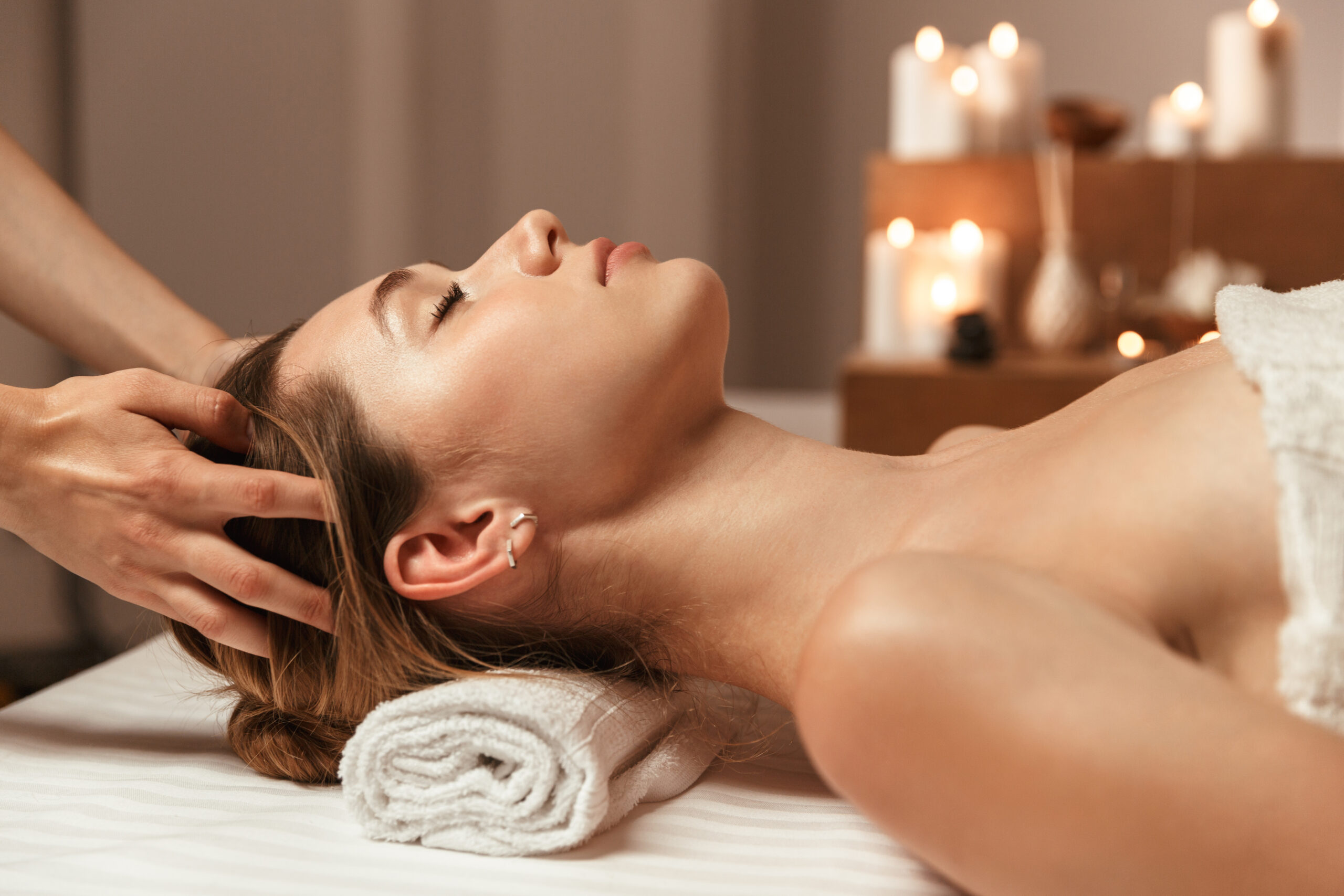
Indian head massage, reflexology, and Swedish massage with oils are also offered for patients seeking gentle and restorative support for calming the nervous system and relieving muscular tension.
An 80-minute Swedish session is £85, and a 30-minute head massage or reflexology appointment is £40, with the Monthly Care Plan as an option for regular clients.
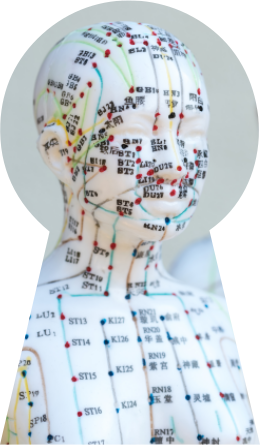
Tuina is one of the oldest therapeutic practices still in use today, with its origins in ancient China dating back more than 2,000 years. Developed as part of the traditional medical system in China, tuina was intended to support the body’s inherent capacity or healing through a combination of manual techniques, pressure-point stimulation, and movement of qi along the body’s meridians.
Throughout history, tuina has been practised not only by physicians but also by generations of dedicated practitioners, many of whom passed on their knowledge through family lineages and formal training. Today, tuina is taught in universities and practised in hospitals across China, often alongside acupuncture and herbal medicine. In the UK, more clinics are now offering tuina in clinical settings, combining traditional methods with modern insights and crossover techniques.
While tuina is rooted in tradition, its efficacy is increasingly being explored in the context of modern science. A growing number of journal articles and clinical studies have examined its role in treating musculoskeletal pain, stress and digestive disorders, with promising suggestions around its ability to support recovery and enhance quality of life. Scientific articles continue to evaluate its mechanisms, and the evidence base is expanding, helping build a clearer understanding of how and why it works. Though more large-scale studies are needed, early findings—and the steady publication of new articles—contribute to the growing recognition of tuina’s clinical efficacy within integrative healthcare approaches.
While research into tuina continues to grow, its real strength lies in its longevity and consistent results in practice. A therapy doesn’t survive for over two millennia without offering something of lasting value. In my West Yorkshire clinics, I see the effects first-hand—patients consistently report reduced pain, improved mobility and a greater sense of wellbeing after a course of treatments. For all the emerging science, it’s these real-world outcomes, session after session, that speak most clearly to tuina’s efficacy today.