

Tuina (pronounced twee-nah) is a powerful, hands-on therapeutic form of massage rooted in Traditional Chinese Medicine (TCM). It blends therapeutic massage techniques, acupressure, and energy-based bodywork to address not just physical pain and tension, but also internal imbalances, emotional stress, and the nervous system’s deeper patterns of regulation and dysfunction.
If you’re wondering how tuina differs from Swedish or sports massage — or you’re simply curious about what it can help with — this guide explains everything you need to know.
Tuina: A Different Kind of Massage

The word tuina (or tui na) means “push and pull” — a direct nod to its tactile, purposeful nature, the feel of many of its techniques, and the central TCM concept of yin and yang. But this isn’t a routine massage. Tuina is part of a complete medical system. It works along the same meridians and pressure points used in acupuncture, aiming to move qi* (energy), improve blood circulation, clear stagnation, and restore harmony between the body’s systems.
Tuina belongs to the broader field of Chinese medicine — an ancient practice used to regulate the body’s vital energy, promote circulation, and enhance overall health. Unlike Western massage, which often focuses only on muscles or joints, tuina is based on a holistic approach that integrates the entire body, including the internal organs, energy channels, and emotional states.
While it can be deeply relaxing, its main focus isn’t pampering — it’s healing. It’s used to treat musculoskeletal pain, support digestion, ease stress and anxiety, regulate hormones, improve sleep and blood flow, and more. This is why many consider it an effective therapy not just for pain, but also for emotional wellbeing and chronic patterns of tension.
*For more on qi and energy channels, see our blog on debunking acupuncture myths here.
Is Tuina Like Sports Massage?
It’s a common question — and the answer is nuanced.
Tuina and sports massage can feel similar at times. Both may use deep tissue techniques, work with firm pressure, and address tight or painful areas. But the intention and framework behind tuina are entirely different.
Tuina doesn’t aim to “break down knots” or “realign muscles” in a mechanical sense. In fact, the idea that massage physically remodels tissue is largely a myth — one reinforced by sticky idioms and outdated models of how manual therapy works. In reality, massage therapy mainly interfaces with the nervous system. It helps the body recalibrate chronic tension patterns, modulate pain perception, get stagnant energy moving, and return to a more regulated state.
Tuina also differs in that the massage therapist works with meridians, acupressure points, and energy flow to restore balance — not just muscles and fascia. It’s both diagnostic and therapeutic, tailored to what your whole system needs, not just where it hurts. It promotes qi flow, helps alleviate stress, and supports the healing process through focused manipulation techniques.
What Can Tuina Help With?

Tuina is an incredibly versatile massage therapy, and we use it to support a wide range of conditions — not just to release physical and emotional tension, improve circulation, or alleviate pain. These include:
Musculoskeletal & Structural Pain
• Back, neck, and shoulder tension
• Sciatica and nerve-related pain
• Chronic pain management
• Repetitive strain injuries
• Joint stiffness and discomfort
• Muscle tightness and postural tension
• Reduced range of motion
• Sports injuries and recovery
• Plantar fasciitis, foot pain and cramps
• Elbow, wrist, knee and hip issues
• Muscle spasms and deep-held patterns
Circulation, Digestion & Internal Health
• Poor blood flow, fluid retention, and sluggish circulation
• Digestive sluggishness, bloating, and abdominal tension
• Breathlessness, wheezing, or post-viral cough
• Chest tightness from muscular restriction
• Recovery from illness, surgery or injury
• Abdominal massage to support peristalsis and digestive function
Hormonal & Reproductive Health
• Menstrual cramps and irregularities
• PMS and perimenopausal symptoms
Nervous System & Emotional Wellbeing
• Stress, emotional tension, and burnout
• Anxiety or difficulty switching off
• Chronic fight-or-flight response
• Somatic disconnection or dysregulation
• Support for mental health through body-based techniques
Head, Sleep & Energy Issues
• Headaches, eye strain and jaw tension
• Sleep issues or restless nights
• Low energy and fatigue
• Facial massage for tension and nervous system calming
Holistic Wellness & Prevention
• Preventative care and long-term balance
• Enhancing somatic awareness and body sensitivity
• Deepening the mind-body connection and listening inward
• Promoting overall health and well being through bodywork
What to Expect from a Tuina Session
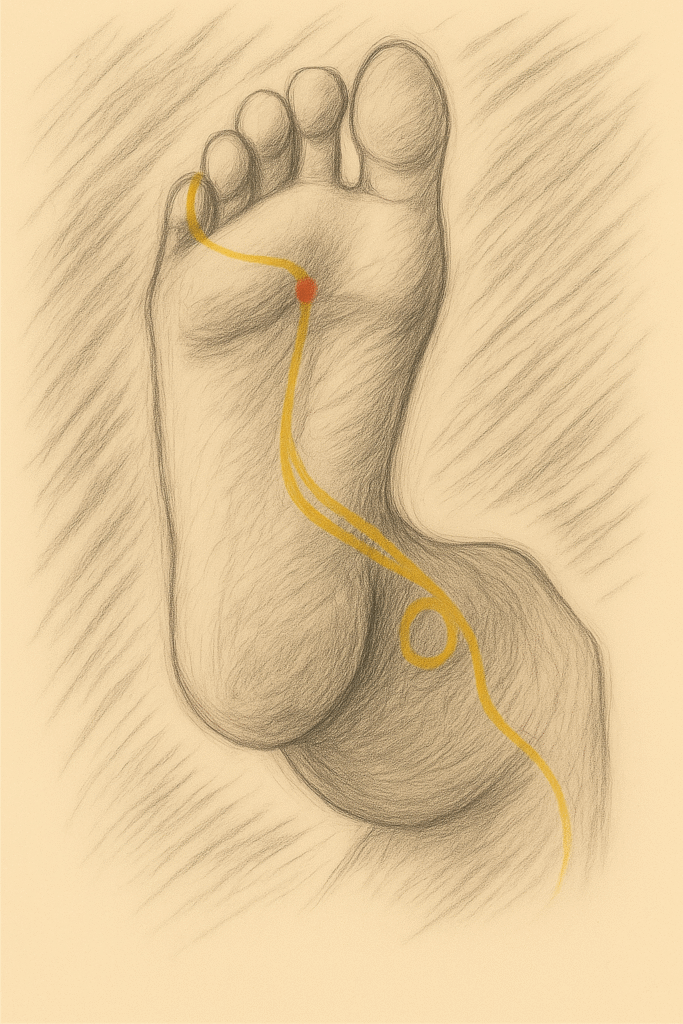
Every session begins with a brief consultation with your massage therapist and is tailored to your unique needs. Tuina is usually carried out through clothing, or a towel or sheet, either on a massage table or seated. Your comfort and feedback guide the process throughout.
Your treatment may include:
• Traditional Chinese massage techniques: kneading, pressing, rubbing, rolling, plucking, grasping, knuckle-rolling, chopping, tapping, muscle-stretching, joint mobilisation
• Acupressure: direct pressure on specific points to restore qi flow and relieve muscle tension
• Meridian brushing (shun jing): light finger-tracing along the channels to calm the nervous system, and for the therapist to assess energetic flow
• Facial or abdominal massage, where relevant, to relieve tension and support the digestive and nervous systems
• Swedish massage (offered as an adjunct to acupuncture sessions only) for gentle nervous system regulation
This blend of various techniques helps alleviate pain and unlock patterns held in the body's tissues, supporting tension release, enhanced circulation, relaxation, and emotional recalibration.
Many clients leave feeling grounded, lighter, and more emotionally and physically aligned. Others experience a deep calm — as though their body and mind have re-synced. The result is often improved circulation, better sleep, clearer thinking, profound relaxation, and a revived sense of inner balance and well being. In Chinese medicine terms, it restores qi to its natural, harmonious flow.
Tuina and Acupuncture: Better Together

While tuina is powerful on its own, combining it with acupuncture can significantly enhance results.
Tuina's holistic approach prepares the body by opening pathways and releasing superficial blockages, allowing acupuncture to work more deeply and effectively. It’s an ideal pairing for:
• Complex or chronic conditions
• Nervous system imbalances
• Fatigue, sleep, and stress-related complaints
• Post-illness recovery
Used together, both these Traditional Chinese Medicine therapies support overall circulation, emotional resilience, and the healing of both acute and long-term issues.
At Ki Acupuncture, we offer both standalone tuina sessions and combined acupuncture and tuina treatments for those who want deeper, multi-layered care. Many clients return for regular sessions to maintain overall balance, and for help with chronic conditions, reducing inflammation, releasing stress, or for general relaxation and health benefits.
An Ancient Tradition — and Growing Scientific Support

Tuina has been in continuous clinical use for more than 2,000 years and is still taught in universities and practised in hospitals across China today. As part of alternative and complementary medicine, its core treatment principles and techniques have stood the test of time — but its value is also increasingly recognised in standard models of modern healthcare.
Emerging evidence supports its use for:
• Low back and neck pain
• Osteoarthritis
• Digestive complaints
• Stress and emotional regulation
• Some paediatric and post-surgical applications
While more large-scale studies are needed, the existing research — combined with centuries of clinical experience — suggests this longstanding massage therapy provides a beneficial, intelligent approach to pain management and stress reduction.
For us, the most compelling evidence is what we see every day: patients reporting reduced pain, deeper sleep, better mood, improved digestion and blood circulation, and a stronger sense of well being.
For a massage therapist, seeing results unfold under your hands is what makes the work so meaningful, rewarding, and worthwhile.
How To Book
Discover more about tuina medical massage at our dedicated web page. To book your tuina session with Ki Acupuncture, find our number or fill out our contact form here. You can also find an up to date price list here.
Appointments are by advanced booking only.
Our clinics are based in Calverley (Pudsey), Cookridge (Leeds), and Saltaire (Bradford), West Yorkshire, UK.
Curious About Tuina? Common Questions Answered

Is tuina painful?
No. While it can work deep into areas of tightness, your therapist will always adapt pressure to your needs. Its techniques should never cause excessive discomfort. You’re in control at all times — and most people find it both relieving and deeply relaxing.
Will I feel sore afterwards?
Some people feel slightly achy or tired after their first treatment session, similar to post-exercise fatigue. This usually passes quickly and is a sign your body is responding. Most clients feel balanced, calm, lighter, and more energised.
Is tuina like other massage styles?
It may look similar on the surface, but tuina is rooted in Chinese medicine and focuses on energy flow, channels, and organ systems—not just muscles. It’s a therapeutic, diagnostic, and holistic treatment.
Is tuina safe for everyone?
Yes. Tuina is extremely safe when practised by a qualified massage therapist. We adapt the approach to suit your age, physical constitution, and any health conditions.
Who do you work with?
We support people of all ages and walks of life – from those with chronic back pain, to stressed professionals, to older clients navigating long-term conditions, to children managing anxiety. Many clients are new to Chinese medicine and find tuina an accessible way in, especially if they’re unsure about needles. But tuina isn’t an inferior alternative to acupuncture – it’s a highly effective ancient healing art and medical massage therapy in its own right.
Is tuina appropriate for children?
Yes. We always tailor our treatments to suit the tolerance and body type of all our clients, whatever their age. Whether your child is suffering with anxiety, stress, MSK, or digestive issues, tuina can be a highly beneficial treatment. We would adapt tuina methods, and adopt lighter techniques such as channel brushing (shun jing) and acupressure to ensure your child's comfort, whilst maintaining an effective treatment. As parent or guardian, you would be asked to chaperone your child throughout each session.
Can I combine tuina with other treatments?
Yes. Many people combine tuina with acupuncture, cupping, gua sha, or qi gong and breathwork for deeper results. It works particularly well as an adjunct to acupuncture, often significantly enhancing outcomes.
Can I have tuina without acupuncture?
Absolutely. Tuina is a complete therapy on its own and does not require acupuncture. However, each complements the other and both together can significantly enhance treatment outcomes.
Is tuina beneficial for stress or anxiety?
Very much so. Tuina calms the nervous system and help to release tension held in mind and body. Techniques like meridian brushing and acupressure enhance its calming, healing, regulatory effect.
What other conditions can tuina help with?
It’s great for muscular and articular pain, tension, injury recovery, stress, fatigue, digestive issues, circulation, menstrual discomfort, and more. It’s a holistic approach that treats both symptoms and root causes.
Can I book a full body massage?
No. Tuina is a focused therapeutic treatment. We tailor each session to address specific areas of concern, such as back pain, restriction in the shoulders, or dysfunction of a limb. A thorough full body massage would take approximately 3 hours!
What should I wear to a session?
Loose, comfortable clothing is ideal. Tuina can be carried out fully clothed.
What does a session look like?
After a brief consultation, you’ll lie on a treatment table or sit in a chair, fully clothed. We’ll use techniques like rhythmic pressing, push-and-pull, kneading, rolling, rubbing, grasping, chopping, stretching, gentle joint manipulations and mobilisations, and acupressure or meridian tracing, all adapted to your needs. The session may feel relaxing, energising, or both.
What is acupressure?
Acupressure is a hands-on Chinese massage technique that involves applying gentle, sustained pressure to specific points on the body to stimulate the flow of qi, release tension, and support healing. It draws on the same principles as (and is a likely precursor to) acupuncture, but using therapeutic touch instead of needles.
What is meridian tracing?
Also known as channel brushing, or shun jing, meridian tracing is a soft massage technique whereby the traditional Chinese medicine channels are gently brushed with the fingers in the direction of qi flow to deeply calm the nervous system and promote circulation. This is ideal for children, elderly patients, and people with high stress, or stuck in chronic "fight or flight" mode. It’s also a useful diagnostic tool.
What other therapies do you offer?
At Ki Acupuncture, we offer Traditional East Asian acupuncture, electro-acupuncture, ear & scalp acupuncture, Swedish massage, cupping, gua sha, moxibustion & heat therapy, qigong (breathwork and movement therapy), and bespoke yoga sessions. We may also provide yangsheng (life-nourishing) lifestyle suggestions, and dietary advice based on Chinese food energetics.