

Broadening the Approach: Chronic Back Pain, Emerging Evidence, and Where Acupuncture Fits In
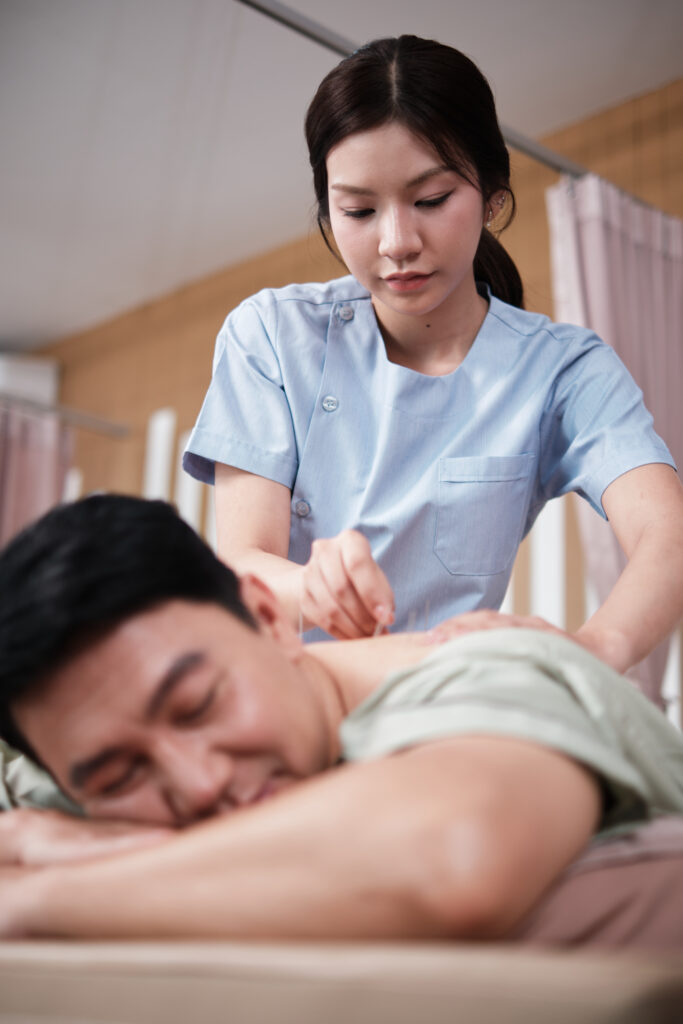
For many people, acupuncture only comes into view at the end of a long and frustrating road. After years of pills, referrals, side effects, and dashed hopes, someone finally says, “I’ve tried everything else, I suppose I could give acupuncture a go.” The irony is that this treatment – safe, effective, and rooted in centuries of accumulated wisdom – could have been one of the very first options on the table.
Chronic back pain is a striking example. It affects millions worldwide and is now so common that it is often described as an epidemic of modern life. Yet even in 2025, in spite of mounting research, acupuncture is still not routinely offered in mainstream UK healthcare, and even then, often not until other approaches have been exhausted. The consequence is a reliance on long courses of medication, escalating prescriptions, and a culture that too often treats pharmaceuticals as the only serious option.
This article explores why acupuncture deserves to be considered a first-line treatment for many chronic conditions, using back pain as a prime example. We will look at the latest evidence, the cultural patterns that keep it marginalised, the lifestyle and stress factors that make pain so prevalent, and the broader significance of traditional therapies.
New Evidence and the Question of Guidelines

In September 2025, a major NIH-funded study confirmed what practitioners have long observed in clinic: acupuncture is more effective and carries fewer risks than many medications for older adults with chronic lower back pain. This builds on decades of smaller trials and neuroimaging studies showing measurable changes in brain activity, neurotransmitter release, and inflammation markers.
Guidelines are slowly catching up. The Scottish Intercollegiate Guidelines Network (SIGN) already recommends acupuncture for back pain, while in England the National Institute for Health and Care Excellence (NICE) still hesitates. NICE does recommend acupuncture for chronic primary and secondary pain and tension headaches, but does not specify back pain. The difference matters. Guidelines shape what GPs can prescribe, what patients are offered, and how the public perceives legitimacy. When SIGN recognises acupuncture as valid and safe, but NICE does not, patients in different parts of the UK end up with unequal access to care. The inconsistency makes for a confused message.
The call here is not to abandon conventional medicine but to broaden the first-line toolkit. Acupuncture should not be the last resort after years of suffering. It should be offered alongside physiotherapy, lifestyle support, and appropriate medications as a front-row option.
Why Guidelines Lag Behind

To be fair, it is easy to see why a body like NICE can be slow to make a definitive recommendation. Its framework is built around large, standardised trials designed to produce measurable outcomes across broad populations. This approach works well for pharmaceuticals, where a single active compound can be tested against a placebo. It is less well suited to acupuncture, which is highly individualised, shaped by the practitioner’s skill, the diagnostic framework, and the therapeutic encounter.
Personalised, holistic care can be difficult to fit into a model suitable for nationwide rollout, and where acupuncture is offered in hospital settings it can often be a watered-down, protocol-based approach based on modern “dry needling” techniques that filter out the rich and valuable, tried-and-tested framework that informs traditional acupuncture.
There is also the question of cost-effectiveness and structural inertia. NICE’s role is not only to assess clinical benefit but to decide how best to allocate limited NHS resources. Even when the evidence shows that acupuncture works, it must still be weighed against the upfront costs of training, service provision, and clinic time. By contrast, medications are often cheaper in the short term, even if they carry greater long-term costs in side effects and dependency.
This creates a dilemma. Evidence that is compelling in day-to-day practice can look less conclusive when forced into the narrow shape of a drug-style trial. At the same time, financial pressures encourage short-term solutions, even if they do not serve patients well over the years. The result is a cautious stance: NICE may recommend acupuncture for chronic primary pain, yet stop short of wider or more specific endorsements until the evidence and the economics both align with its framework.
Pharmaceuticals: A Recent Development in the History of Medicine

Pharmaceuticals are without question life-saving. Antibiotics transformed global health, and there are countless conditions where modern drugs are indispensable. Yet it is worth remembering how new this approach really is. For most of human history, medicine was rooted in plants, manual therapies, and accumulated wisdom about the body’s natural rhythms.
Many modern drugs trace their origins to herbal medicine: aspirin from willow bark, digoxin from foxglove, morphine from poppies. What traditional systems offered was not just raw materials but a context of knowledge: when to use them, how to balance them, and how to support the whole person rather than target a single symptom.
Pharmaceuticals often work well in acute situations but can create difficulties when used chronically. Side effects accumulate, interactions multiply, and dependency can form. In back pain, especially, a cascade of prescriptions is common: one drug to reduce pain, another to ease side effects, and sometimes more to address sleep disturbance or low mood. Acupuncture offers a different model: safe, non-addictive, and able to address both the physical and emotional dimensions of pain.
The Culture of Reliance on Medication

Why does the system default to pills first? It is not usually because doctors dismiss acupuncture or wish to ignore it. Most GPs are doing their best within a tightly constrained system: appointment slots are short, budgets are stretched, and the only widely approved tools to hand are prescriptions and referrals.
Another factor is the position GPs themselves are placed in. They work within a framework of standardised protocols and shared expectations. Prescribing outside of these norms, whether that means referring a patient for acupuncture or choosing a less common drug, carries a sense of added responsibility. If things go well, it is rarely noticed, but if something goes wrong the GP may be questioned on why they did not stick to the accepted pathway. This climate encourages adherence to the safest, most conventional options, which may feel professionally secure but can hold back innovation and limit patient access to more suitable alternatives.
This creates a subtle friction. Sticking with familiar pharmaceutical options feels safer, even when the evidence for alternatives is strong. In practice, it means that innovative or integrative approaches can be slow to gain ground, not because they are ineffective, but because the system places the weight of caution on the shoulders of individual doctors.
The broader culture plays a role too. Medical doctors are educated in modern biomedicine; traditional medicine simply isn’t within their usual scope or remit. Furthermore, pharmaceuticals are deeply woven into Western expectations of healthcare. Patients are often more comfortable leaving the GP’s office with a prescription than with advice about movement or stress management, because it feels like they have something tangible to hold, and the burden of healing and change is transferred from the individual to the pills. Meanwhile, as mentioned above, the structure of the NHS, with its emphasis on standardised protocols, can unintentionally sideline approaches that do not fit neatly into the model.
What this reveals is not a failure of individual practitioners but a systemic imbalance and bias in the favour of large pharmaceutical companies. Conventional medicine is powerful at crisis intervention. Traditional therapies excel at prevention, regulation, and long-term care. To keep favouring one at the expense of the other is to miss the opportunity for genuine integrative medicine. Pharmaceuticals have their place, but they are often the default choice due to large-scale NHS agreements with pharmaceutical companies, sometimes at the expense of other, more appropriate measures.
Beyond the Placebo Debate

One of the most common objections to acupuncture is the idea that its benefits are “just placebo.” This view overlooks a wealth of research showing measurable physiological changes that far surpass what could be explained by placebo alone. Functional MRI studies demonstrate altered patterns of brain activity during and after acupuncture treatment, which vary depending on the points being needled.
Neurotransmitters such as endorphins, serotonin, and dopamine shift in ways that correlate with pain relief and improved mood. These shifts in neurotransmitters are partly facilitated by the release of adenosine, a compound that helps reduce pain and inflammation, along with the stimulation of other pathways, triggered by acupuncture needling and further supporting the body's natural healing process.
Local effects include changes in blood flow, improved tissue healing, and modulation of muscular tension and inflammatory pathways. The autonomic nervous system can also shift towards parasympathetic dominance – the “rest and digest” state that promotes relaxation, enhances healing, and supports overall balance in the body and mind.
It is true that the placebo effect exists in acupuncture treatments; it exists in every form of medical intervention, including pharmaceuticals. This does not mean the treatment itself lacks value. Placebo reflects the way the body responds to care, expectation, and context. It is a real effect, bringing real results, which serves to demonstrate the power we have over our own healing. But in the case of acupuncture, while placebo surely plays a part, it is not the whole story. The physiological evidence is clear, and the clinical results are consistent.
Framing acupuncture purely as placebo also risks dismissing the importance of the therapeutic encounter. The time taken, the space given, and the sense of being heard all have genuine effects on stress and nervous system regulation. These are not tricks of the mind but central aspects of healing.
Stress, Lifestyle, and the Modern Epidemic of Pain

Back pain has always existed, but the sheer prevalence today is strongly linked with the conditions of modern life. Sedentary habits start early in life, with long hours spent at desks or on screens. Movement becomes something squeezed into spare time, often framed as a chore in the form of gym workouts rather than a natural and integral part of daily living. The body adapts poorly to this, and the cost shows in muscle weakness, postural strain, and persistent pain.
Chronic stress amplifies the problem. Living in a constant low-level state of fight-or-flight affects circulation, hormone balance, and the way the brain processes pain signals. When stress is unrelenting, small physical strains that might once have healed smoothly can tip into long-lasting pain or even serious disease.
Acupuncture and related therapies such as tuina massage help break this cycle. By calming the nervous system, improving circulation, and supporting the body’s capacity to self-regulate, they create conditions for recovery. This is not simply symptom management but a rebalancing process that addresses the underlying environment in which pain arises.
To achieve the best results, a multi-pronged approach is essential. This includes not only acupuncture and massage but also mobility and strengthening exercises, lifestyle advice, and, where necessary, physiotherapy. Such a comprehensive strategy addresses the root causes of pain rather than merely masking symptoms with painkillers, ensuring a more sustainable path to relief.

The Wisdom of Traditional Medicine
Acupuncture is part of a much larger tradition of medicine that has evolved through centuries of observation and refinement. Touch therapies, herbal remedies, breathing practices, and movement systems such as qigong were all developed to maintain balance and prevent disease. The guiding principle was to detect and correct disharmony early, before illness became entrenched.
Modern medicine has often overlooked this heritage, focusing instead on crisis intervention and pharmaceutical solutions. Yet the two are not opposites. Many drugs still derive from plants used in traditional systems. The difference is that traditional medicine always held a broader vision: treating the person as a whole, not just the isolated symptom.
Bringing these approaches together does not mean abandoning the advances of modern science. It means valuing the accumulated knowledge of the past and recognising its relevance today. In the case of back pain, it means acknowledging that acupuncture, a therapy refined across generations, has as much place in first-line care as the latest drug.

Towards an Integrative Model of Care
The future of healthcare lies not in choosing between conventional and traditional approaches but in finding ways to integrate them. Some countries already model this. In China, acupuncture is a standard part of hospital care and is offered alongside surgery, medication, and physiotherapy. Patients are not asked to choose one system over the other. They receive the best of both, depending on what their condition requires.
In the UK, steps toward integrative medicine are slower. Yet there are signs of movement. Increasing numbers of physiotherapists are training in acupuncture, albeit often in a limited paradigm, and NHS pain clinics sometimes offer it as part of a package of care. The risk is that acupuncture becomes reduced to standardised dry needling protocols, stripped of its wider context and diagnostic richness.
For acupuncture to fulfil its potential, its traditional depth must be preserved even as it is integrated into mainstream settings. Throwing out centuries of acquired wisdom would be both arrogant and foolish. Embracing this rich heritage not only enhances patient outcomes but also ensures that the essence of acupuncture is maintained for future generations.
Emotional Wellbeing and the Physiology of Healing

Pain is not only physical. It is shaped by mood, stress, and emotional resilience. A body that is locked in tension, or a mind worn down by chronic worry, finds it harder to heal. Increasingly, it is becoming clear that prolonged emotional stress, along with environmental factors like pollution, can act as contributing triggers for serious illness.
How we keep our minds and manage our habitual thought patterns and emotional landscape really matters. This is not about positive thinking in a superficial sense; it is about recognising the well-established links between emotional state and physiology.
Beyond the physiological aspects, our mindset plays a crucial role in healing. When we practise mindfulness and meditation, we gain better control over our thoughts and emotions, reducing the impact of stress and anxiety on the body. This mental clarity not only supports emotional resilience but also fosters a state of balance that enhances overall wellbeing. By cultivating this inner calm, we create an environment that gives the body space to heal more effectively.
Research shows that stress hormones such as cortisol influence immune function, inflammation, and pain sensitivity. Acupuncture helps regulate these systems by calming the sympathetic nervous system and engaging the body’s rest-and-digest responses. Patients often report not only reduced pain but also better sleep and digestion, steadier moods, and a greater sense of resilience. These outcomes are not side benefits: they are essential to the process of recovery.
A Cultural Shift in Perspective

To move acupuncture into the first line of care requires a cultural shift. It means recognising that not all healing comes from a prescription pad. It also means valuing the traditions that shaped medicine long before pharmaceuticals existed. These traditions have accumulated knowledge through observation, reflection, and clinical practice across centuries.
Pharmaceuticals will remain indispensable. There are conditions they treat with precision and speed that no other approach can match. Yet when it comes to chronic back pain, where long courses of drugs often do more harm than good, acupuncture deserves to be offered first. It is safe, evidence-based, and able to address both body and mind.
Chronic pain can be a complex beast, with the nervous system sometimes stuck in a cycle of pain signalling even in the absence of structural issues. Moreover, chronic pain can lead to changes in brain structure and function, reinforcing these pain signals, and the emotional impact of pain can further complicate the condition. Acupuncture can help reset these pain pathways in the brain and calm the emotional responses – holistic therapies that address both mind and body are often the most effective at breaking this cycle and restoring balance.
What Leading Bodies Say
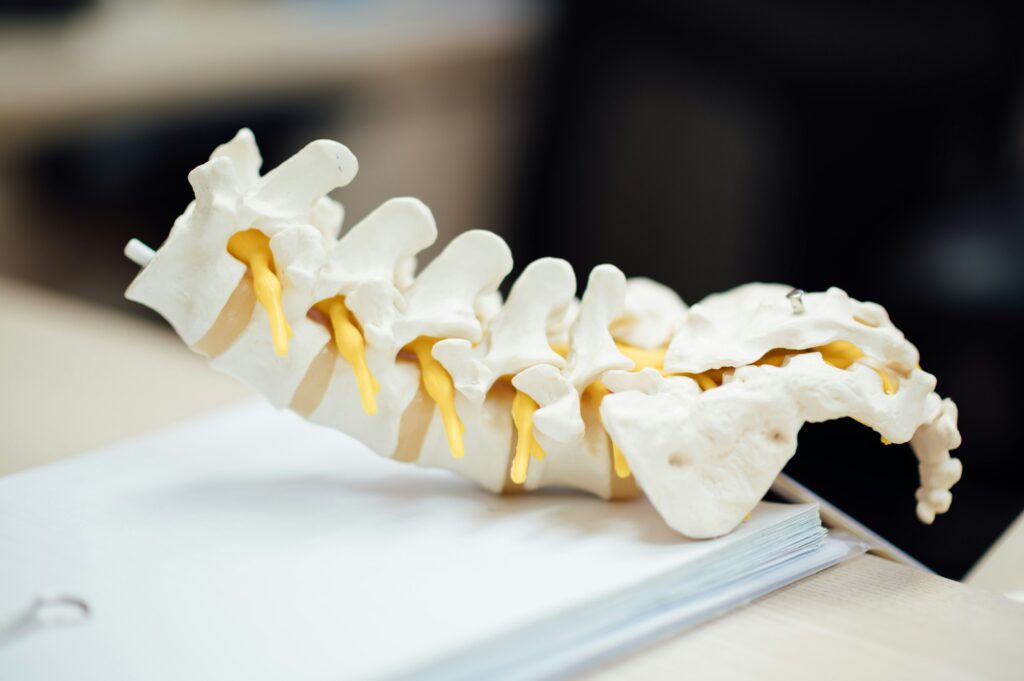
Chronic back pain is one of the defining health challenges of modern life. The default reliance on pharmaceuticals reflects a system shaped by habit and constraint rather than by balance. Acupuncture stands as a reminder that medicine has always been more than chemistry. It is touch, attention, movement, and the wisdom of the body finding its way back to harmony.
The recent NIH-funded study is especially important here. For readers outside the US, the NIH (National Institutes of Health) is the primary federal medical research agency. Their paper, a randomised clinical trial published in September 2025, confirmed that acupuncture is both safe and effective for older adults with chronic lower back pain. It not only reduced pain but also improved quality of life and significantly eased anxiety, while lowering the risks that come with multiple overlapping prescriptions. It seems likely a similar trial looking at a broader age range would have similar findings. The authors concluded that acupuncture should be promoted as a first intervention for this group, rather than left until other options fail. You can read the full research paper and the NIH article that summarises it for more detail.
The World Health Organization also recognises acupuncture as effective for a range of conditions, with particularly strong evidence for chronic low back pain, migraine, osteoarthritis, and postoperative recovery, and moderate evidence for many issues including acute low back pain. It highlights non-pain conditions where the evidence is robust, including nausea and vomiting and allergic rhinitis. Beyond these, research continues to build in areas such as digestive disorders, anxiety, and insomnia, where results are encouraging but the evidence is not yet as firmly established. Taken together, this shows that acupuncture’s scope is broader than pain alone, even while recognising that the strength of evidence varies across conditions.
Beyond chronic conditions, acupuncture also supports balance and resilience across many aspects of health. It is used to regulate menstrual cycles, ease menopausal transitions, support fertility and pregnancy, improve circulation, address fatigue and low energy, and strengthen overall wellbeing. In this sense it is both therapeutic and preventive, helping the body maintain equilibrium before illness takes hold.
Placing Acupuncture at the Front of Care
All of this brings us back to the central point of this article. Acupuncture is not an afterthought, nor a last resort when other options fail. It is a safe, evidence-based therapy with deep roots in human history and a proven role in modern healthcare. Recognising it as a first-line treatment is not only about managing pain more effectively, but about reshaping our understanding of what medicine can be: a balance of science, tradition, and care that puts the whole person at the centre.
The evidence is now strong. The safety record is clear. The experience of countless patients supports it. Acupuncture should no longer be the last resort at the end of a long road of medication. It should be a first-line option, offered with the same seriousness and respect as any modern treatment. And returning to a preventive model of healthcare would be even wiser: better to seal the hull in the first place instead of putting all our resources into plugging the leaks. Traditional acupuncture deserves a place at the front of modern care: safe, evidence-based, and centred on the whole person.

For anyone living with a chronic condition, considering acupuncture early can make a profound difference. If you are curious about how this approach could help you, seeking professional guidance can be the first step toward a fuller quality of life. You can continue exploring by reading more on our blog or browsing the rest of the site, and if you are in the Leeds or Bradford area in the UK you are welcome to get in touch to discuss your needs.