

A brief guide to the mechanisms and benefits of acupuncture, massage, and qigong
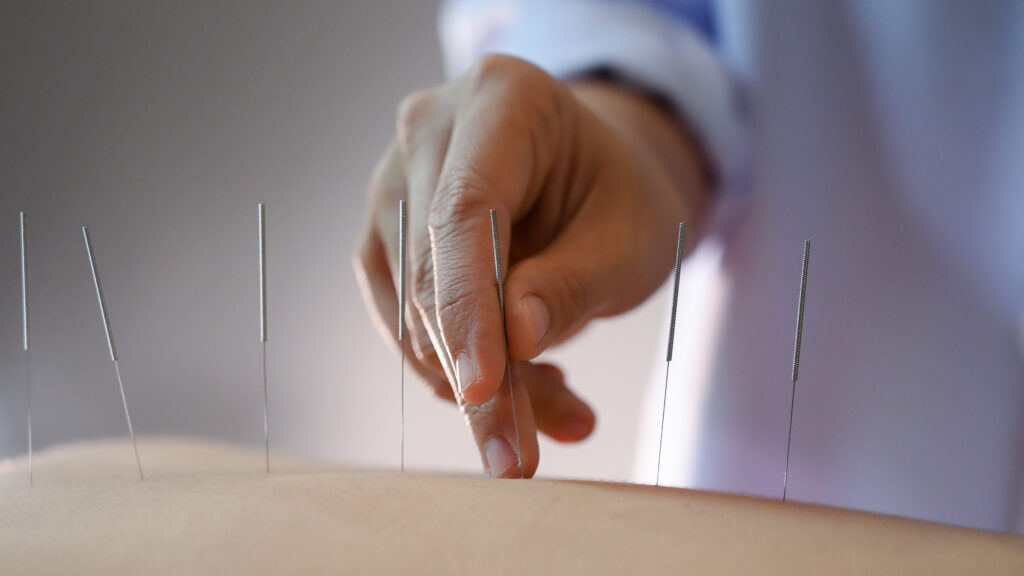
One of the most common questions I’m asked is simple and reasonable: “How does acupuncture actually work?”
The needles and the nervous system
When an acupuncture needle is inserted, it creates a very specific kind of physical input. The needle engages nerve endings in the skin, fascia, and surrounding connective tissue. That local stimulation is picked up by sensory nerves and relayed through the spinal cord to the brain. This is the first key interface: a precise, focused signal from the body to the nervous system.
The brain does not just passively receive this information; it actively interprets it and adjusts how signals are processed and regulated. This is one of the main ways acupuncture helps with pain, tension, and stress. By changing how incoming signals are weighted and responded to, the nervous system can dampen excessive pain signalling, soften stress responses, support vagal tone and recovery, and shift the body away from a constant state of alarm.

A direct line
Alongside this neural signalling, the mechanical stimulation of the needle triggers local biochemical changes. Cells in the surrounding tissue respond by releasing substances such as adenosine, which has a calming, anti-inflammatory effect and helps reduce pain locally.
At the same time, acupuncture influences the release of neurotransmitters and neuromodulators such as serotonin and dopamine, which support mood regulation, pain modulation, and emotional balance. These effects can also set off a wider cascade, including the release of endogenous pain-relieving compounds such as endorphins.

Because the nervous system plays a central role in regulating hormones, these calming effects often have downstream benefits for hormonal balance too. Acupuncture supports the body’s own regulatory systems, including the stress response and reproductive axes, allowing cycles, mood and energy levels to settle and normalise over time.
Tension and flow
There are also direct local effects. Needling increases microcirculation in the surrounding tissue, improving blood flow, oxygen delivery and waste removal. This supports tissue repair, reduces stagnation, and helps ease muscular and fascial tension. These local changes feed back into the nervous system, reinforcing the broader regulatory effects.
Taken together, this combination of mechanical input, nervous system modulation, biochemical signalling, and improved circulation helps calm inflammation, reduce pain, and shift the body into a more settled, restorative state. Rather than forcing change, acupuncture nudges the system towards regulation and balance.
Why do people choose acupuncture?

These diverse effects are why acupuncture is used to support such a wide range of concerns. People most often seek treatment for:
• headaches and migraines
• chronic pain and arthritis
• back, neck and shoulder tension
• menstrual regulation
• fertility and pregnancy support
• menopause symptoms
• anxiety and low mood
• digestive issues
• poor sleep
• slow bowel motility
• skin comfort
• sports injury recovery
• stress and burnout
• nerve health
• immune resilience
• general sense of calm and wellbeing
The mechanisms for recovery are shared, even when the symptoms look very different.

Massage and qigong: perfect complements to acupuncture
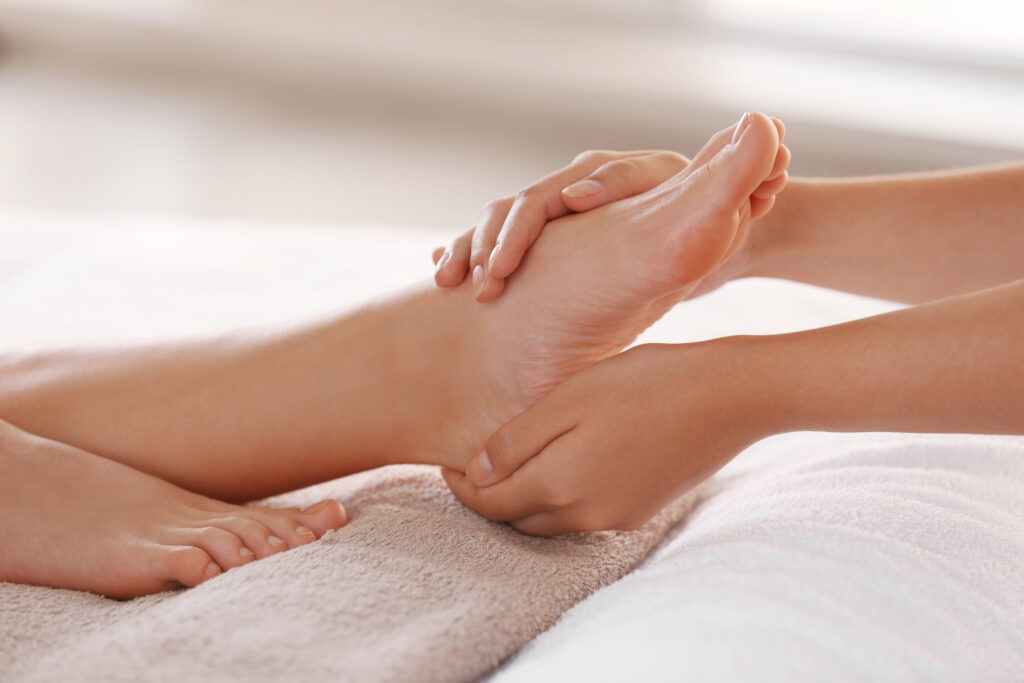
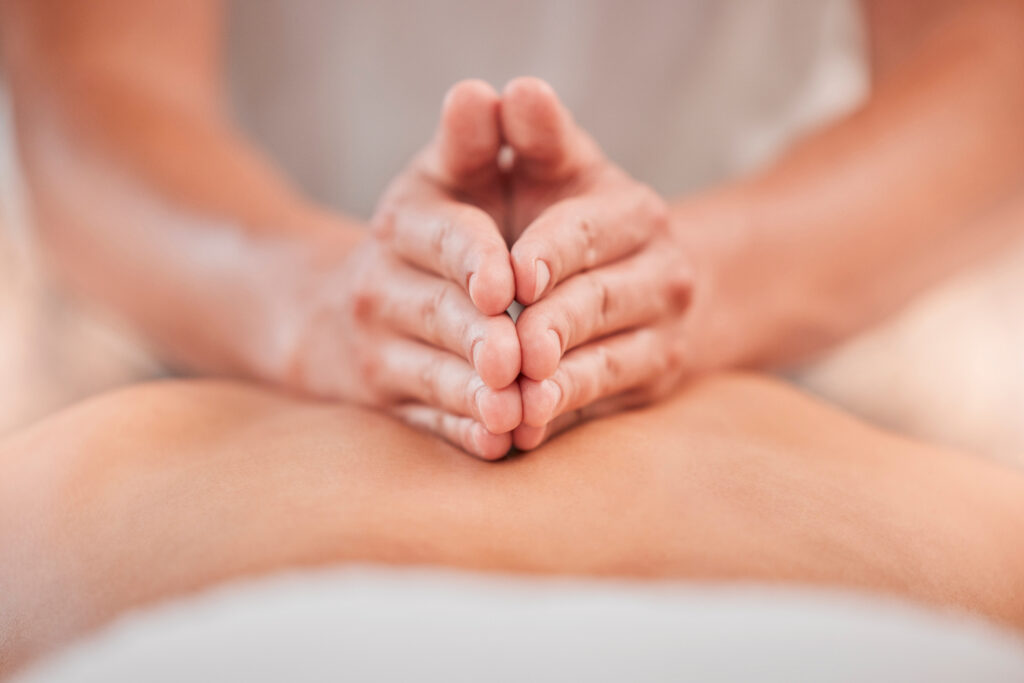
Massage works in a closely related way. Through sustained touch, pressure, and movement, massage provides rich sensory input to the nervous system, encouraging relaxation and reducing protective muscle guarding. It improves circulation and lymphatic flow, supports tissue health, and has a powerful calming effect on mood and stress levels. As with acupuncture, many of the downstream benefits arise because the body is given permission to settle and reorganise itself.
Qigong – a Chinese system of mindful movement – complements both acupuncture and massage from another angle. It combines gentle, controlled movement with breath and focused attention. This helps regulate the nervous system, improve interoceptive awareness, and cultivate a calmer mental state.
Physiologically, qigong keeps the connective tissue supple, lubricates the joints, improves circulation, and supports coordinated, efficient movement. The mindful aspect matters too: directing attention into the body while moving strengthens the brain-body connection and reinforces self-regulation rather than dissociation or overdrive.
Movement and touch also play an important role in mental health. They help reduce chronic stress signalling, support emotional regulation, improve sleep quality, and restore a sense of safety and embodiment. These effects are not incidental; they are central to how the body heals.

An ancient model for modern times
Traditional Chinese medicine provides a different but clinically useful framework for understanding all of this. The channel system and pattern-based diagnosis offer practical ways to link symptoms, identify underlying imbalances, and guide treatment strategies. While modern physiology and evidence-based research have expanded our understanding of mechanisms, the classical model still holds real value in clinical practice. It remains a coherent way of making sense of complex, overlapping symptoms and responding to them effectively.

Ultimately, when all the detail is stripped back, the common thread is simple. Acupuncture, massage, and qigong help calm the nervous system and bring the body and mind out of a state of chronic stress. From that place, digestion improves, sleep deepens, inflammation settles, and pain subsides. In some form, stress is often at the root of our problems. But with time, attention, and skilful cultivation, the body can regain the conditions it needs to thrive.
Alongside a balanced diet and a lifestyle that allows for adequate rest, movement, and emotional nourishment, acupuncture, massage and qigong form a powerful combination for health, resilience and long-term harmony.

Further reading...
For a more detailed look at the mechanisms of acupuncture, check out this article.
Curious about Qi? Read more here.
Want to know about diagnosis in Chinese medicine? Explore how it differs from modern medical diagnosis here.
Find out about Chinese tuina massage in this blog article, or about different massage options on our dedicated website page.
Read about what to expect at your acupuncture treatment...
... And here is a deeper dive into possible physiological explanations for the acupuncture channels.
Find a qualified and regulated acupuncturist in your area of the UK here.
Thanks for reading!