
Feeling puffy, sluggish, or stuck?
Your lymphatic system might need a little help...
Unlike your blood, lymph has no pump — it relies on movement, breath, and subtle pressure to keep things flowing. When it stagnates, you get swelling, tension, fatigue, and inflammation.
Acupuncture, tuina (Chinese massage), channel brushing (shùn jīng), and qigong (moving breathwork) can all help support your lymphatic system — from both a biomedical and Traditional Chinese Medicine perspective — to:
- Boost circulation
- Shift your nervous system
- Clear inflammation and fluid
- Reconnect with your body’s natural rhythms
How Traditional Chinese Medicine Helps Keep Your Body’s Internal Waters Flowing
When people think about circulation, they usually picture the blood. But your body has another vital transport system — the lymphatic system — and it plays a crucial role in your immune health, tissue repair, and fluid balance.
If you’ve ever experienced swelling, puffiness, or fluid build-up (like a puffy knee or ankles), that’s your lymphatic system struggling to keep up.
At my clinic, I regularly support clients with acupuncture, tuina, channel brushing (shùn jīng), and tailored qigong or mobility exercises to help restore healthy flow. Let’s look at what the lymphatic system is, why it matters, and how these approaches help — in both Western and traditional East Asian medical terms.
What Is the Lymphatic System?
Your lymphatic system is a vast, silent network of vessels and nodes that runs alongside your blood vessels. It’s responsible for:
- Draining excess fluid from tissues (interstitial fluid)
- Removing waste and cellular debris
- Filtering pathogens and toxins through lymph nodes
- Supporting immune surveillance and response
Unlike the blood, lymph doesn’t have a heart to pump it. Instead, it relies on:
- Muscle contraction
- Breathing
- Tissue pressure and movement
This means that without regular movement, or in the presence of inflammation or injury, lymph can stagnate — leading to swelling, congestion, fatigue, or even immune dysfunction.
Why Does Fluid Build Up?
Fluid build-up (or oedema) happens when:
- Inflammation increases local fluid production
- Lymphatic vessels are compressed or overloaded
- Movement is limited (e.g. after injury or during long periods of inactivity)
- The nervous system is stuck in “fight or flight” mode, impairing lymph flow
Over time, chronic swelling can cause heaviness, stiffness, discomfort, and delayed tissue healing.
Acupuncture and the Lymphatic System
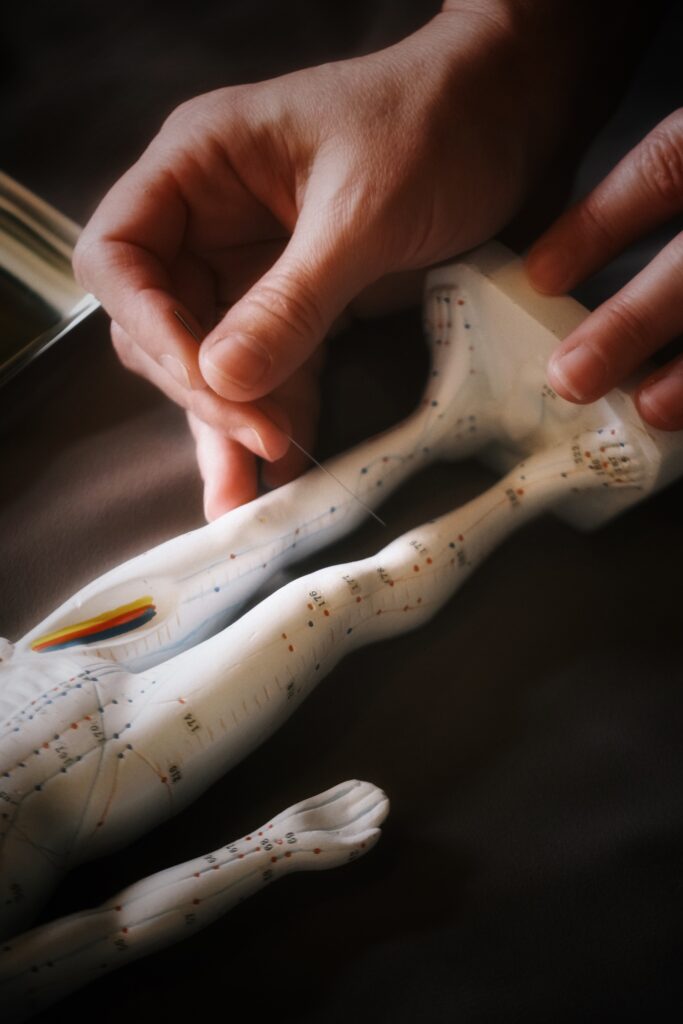
Acupuncture supports the lymphatic system on several levels:
- Stimulates local circulation of both blood and lymph
- Reduces inflammation by modulating immune and cytokine activity
- Regulates the autonomic nervous system — shifting the body into “rest and digest” mode, where lymphatic flow is most efficient
- Activates motor points in muscles, helping initiate the subtle contractions needed to move lymph
Clinical outcomes often include:
- Reduced swelling and inflammation
- Softer, freer movement in previously stiff areas
- A general sense of “lightness” or internal spaciousness
Tuina and Channel Brushing (Shùn Jīng)
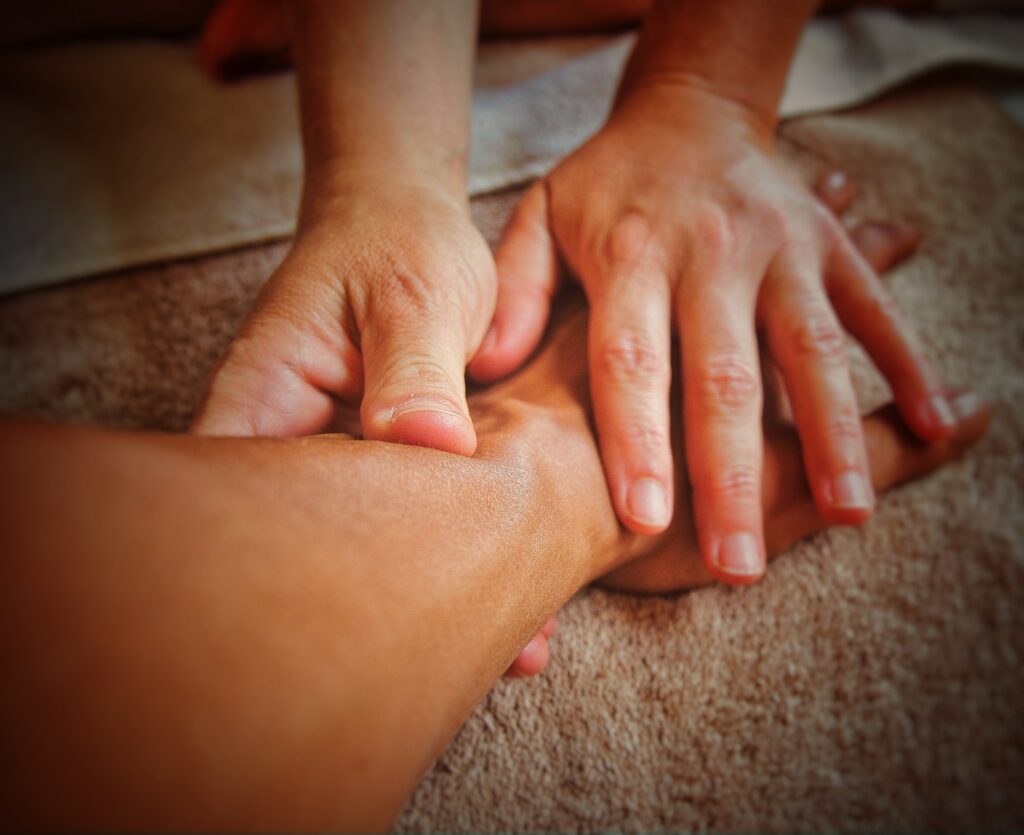
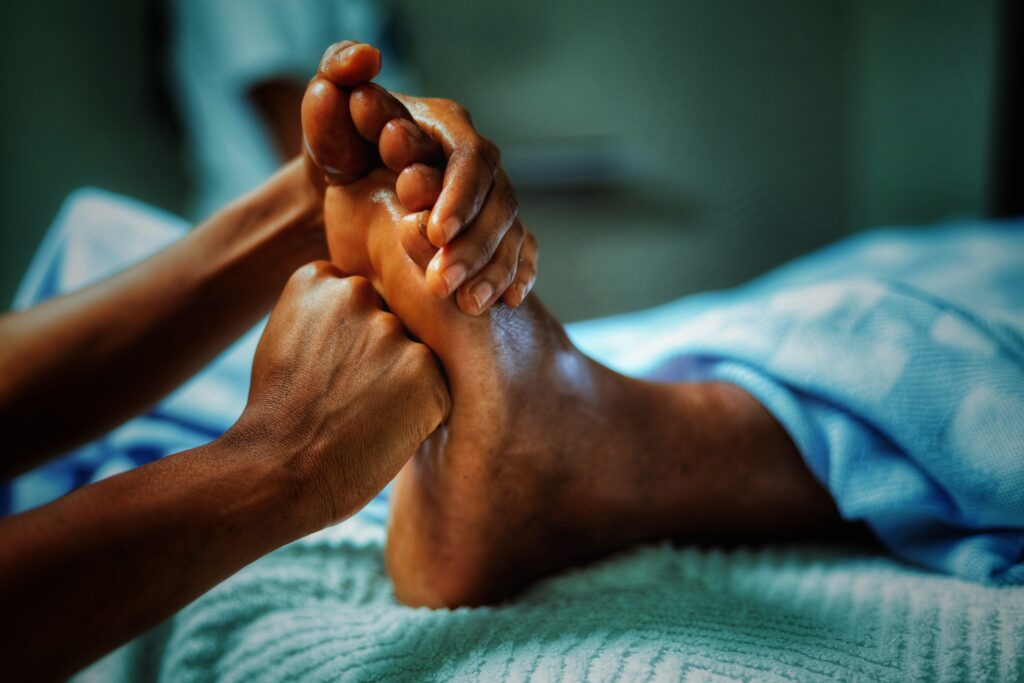
Tuina is a therapeutic form of Chinese medical massage that moves Qi and Blood through the meridians and soft tissues. When applied with sensitivity to fluid dynamics, it also helps mobilise interstitial fluid and promote lymphatic drainage.
Channel brushing (shùn jīng) is a lighter, rhythmic technique used along the meridian lines. It mimics the sweeping motion of lymphatic flow and can:
- Gently shift fluid through surface tissues
- Stimulate superficial vessels and nodes
- Ease fascial tension that may block lymph movement
Both therapies work well alongside acupuncture — or on their own — and are particularly effective for clients with puffiness, tissue congestion, or post-injury swelling.
Qigong, Gentle Movement & Breath
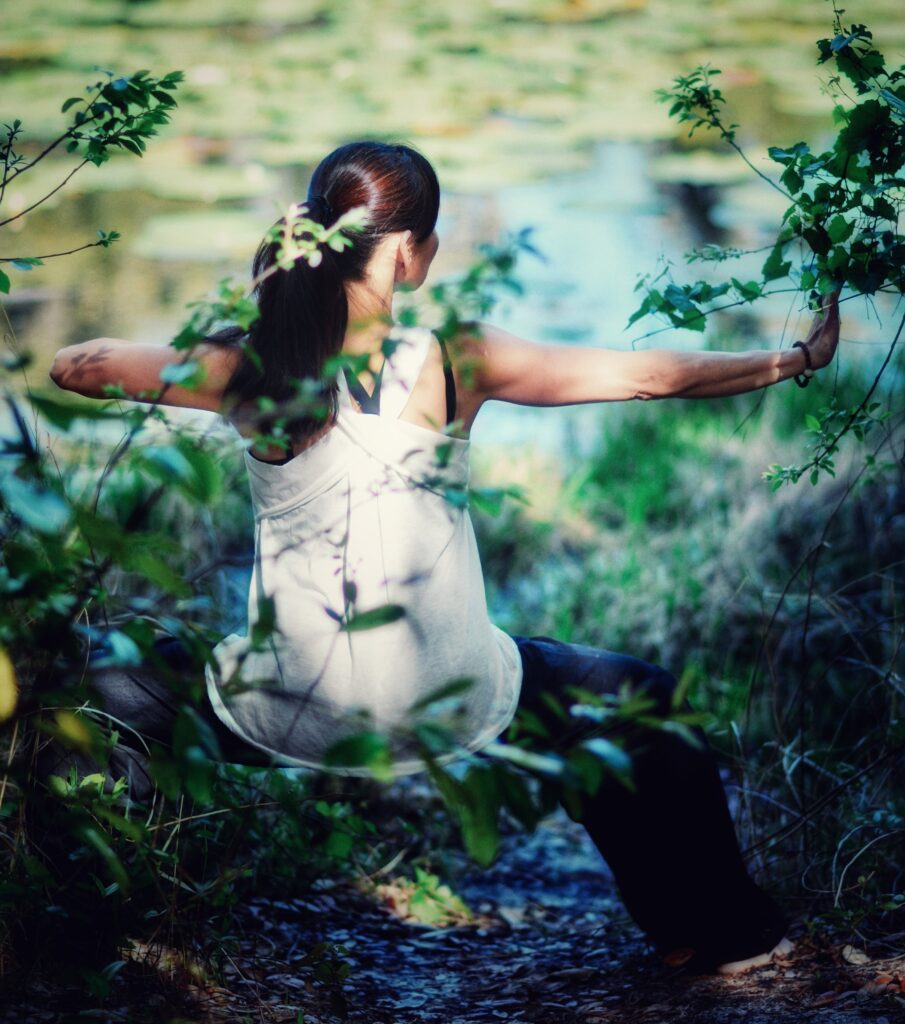
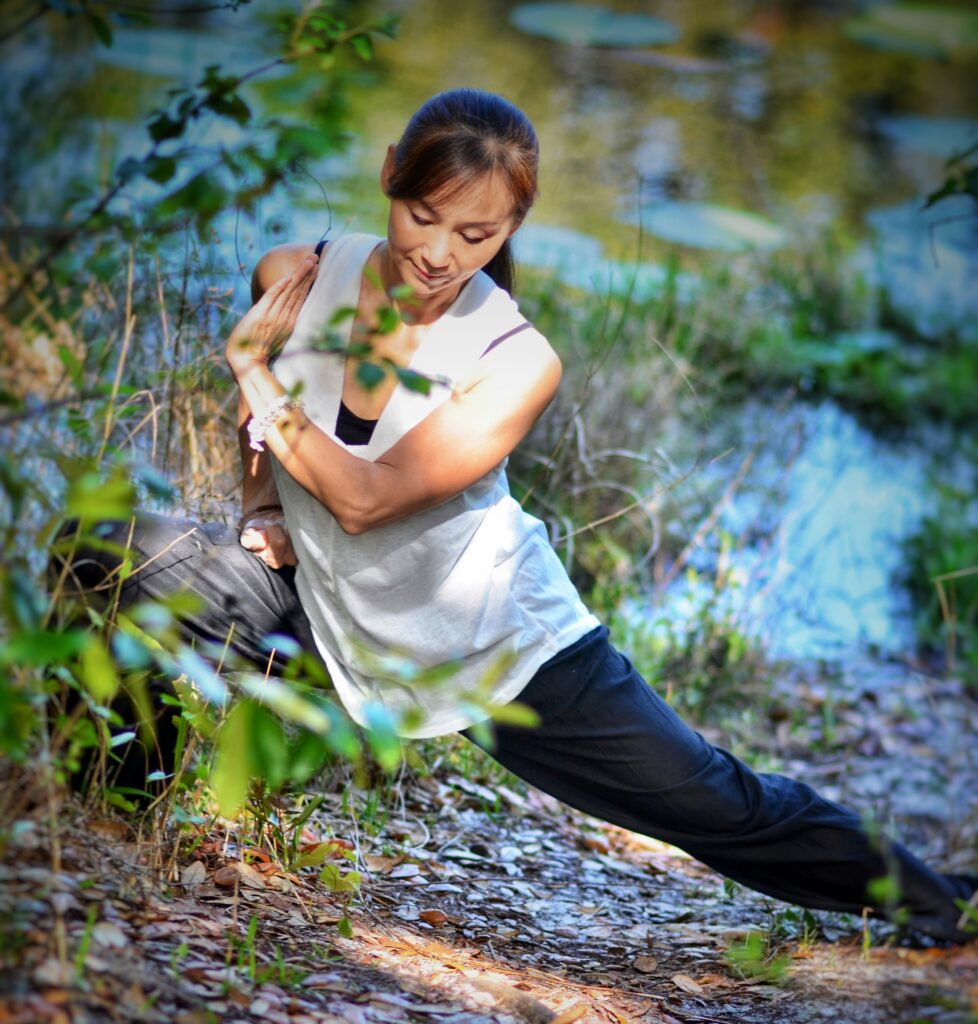
Because the lymphatic system relies on movement and breath, it thrives on slow, rhythmic activity — exactly what practices like qigong, gentle mobility exercises, and walking provide.
Coordinating movement with breathing:
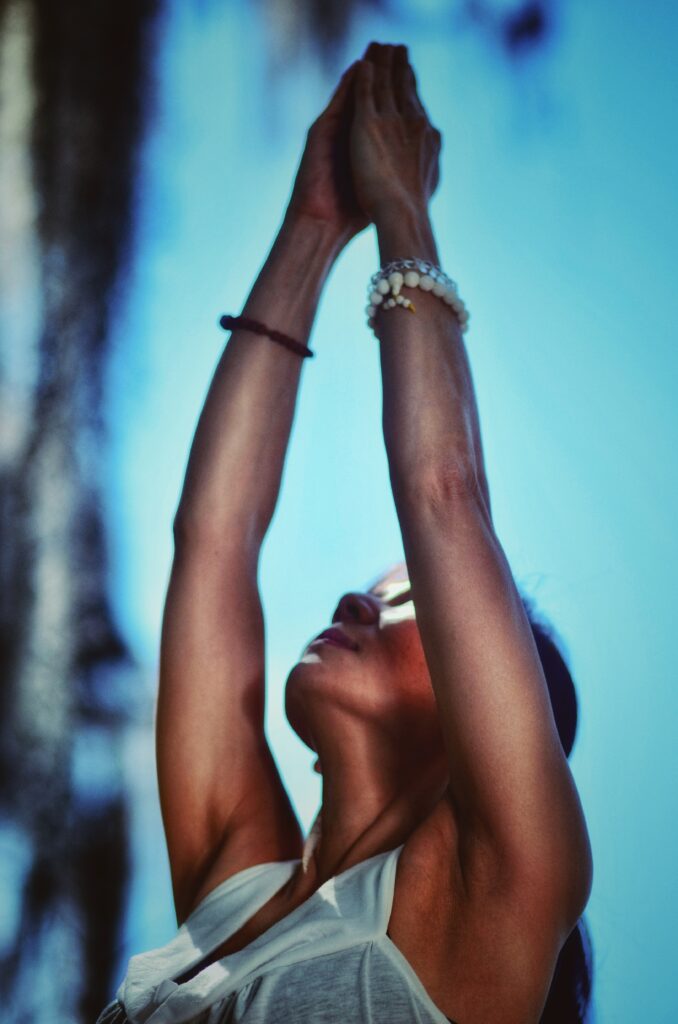
- Enhances the natural pumping action of the diaphragm, drawing lymph through the thoracic duct
- Encourages muscle activity without strain
- Regulates the nervous system, reinforcing parasympathetic tone
This kind of movement is ideal for people who are recovering from injury, managing inflammation, or experiencing fatigue or fluid retention.
The Lymphatic System in Traditional Chinese Medicine (TCM)
TCM doesn’t describe the lymphatic system as a distinct anatomical entity, but many of its functions and dysfunctions are recognised — just through different language.
Several systems overlap:
Spleen – Transformation & Transportation
In TCM, the Spleen governs the movement of fluids. A weak Spleen leads to Dampness, fluid retention, and swelling. Strengthening the Spleen helps the body process and distribute fluids properly.
Lung – Movement at the Surface
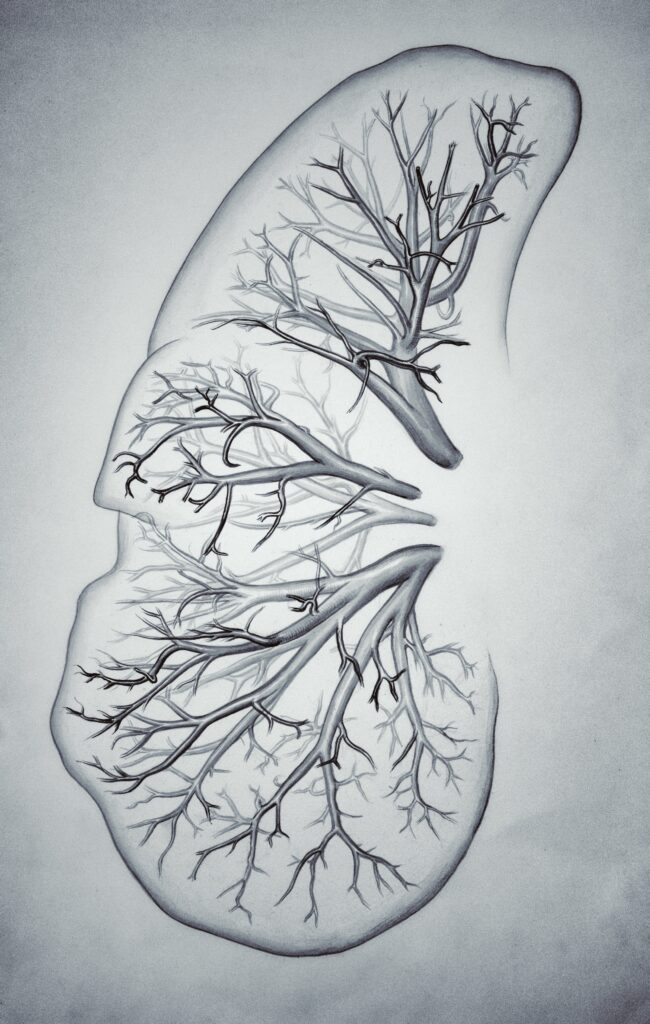
The Lung governs Qi and regulates the skin. It helps disperse fluids to the surface and maintains immunity at the body’s “outer gates.”
San Jiao (Triple Burner) – The Waterways
The San Jiao is a functional system that governs the movement of fluids throughout the body:
- Upper Burner: breath, chest, lungs
- Middle Burner: digestion, transformation
- Lower Burner: elimination and fluid drainage
The San Jiao manages the distribution and drainage of water pathways, and is often the key when fluid metabolism is disrupted.
Together, these systems describe a highly dynamic and responsive view of the body’s internal waterways — one that acupuncture, tuina, and qigong all work to regulate.

How to Support Lymphatic Flow at Home
Whether you’re receiving treatment or not, there are things you can do to support your lymphatic health daily:
- Stay gently active — walking, stretching, or qigong
- Breathe deeply and slowly
- Use hot–cold contrast showers
- Stay hydrated
- Get regular rest and quality sleep
- Avoid sitting for too long without moving
A Word from the Clinic
Many of my clients are surprised at how calm, clear-headed, and even emotionally lighter they feel after treatment. That’s no accident. When the lymphatic system is flowing freely, your whole body works better — immune, digestive, emotional, and physical.
If you’re experiencing persistent swelling, sluggishness, or tension that doesn’t shift, acupuncture and bodywork may help get things moving again — from the inside out.
You can get in touch here, or discover more about tuina massage here.
Our website also contains a wealth of information on acupuncture, styles of acupuncture, and qigong and complementary therapies.