

Modern health advice is a minefield. Instead of a sustainable approach to health, everywhere we see an inundation of hyperbolic and unsupported claims, unlikely but appealing quick fixes, extreme or performative practices, and countless, mutually contradictory "truths". And with every self-positioned expert motivated by satisfying social media algorithms, who puts out “hot take” video content and clickbait titles declaring:
“You’ve been lied to!”
... or: “What they’re not telling you about…” (whoever “they” are?)
... or (worst of all): “<insert common food or behaviour here> is killing you!”
– we increasingly need a sanity check.
All this advice comes packaged as certainty, with urgency, and a try-hard novelty. If only we would apply the right technique, follow the right protocol, or eliminate the wrong behaviour, then we would “manifest our best possible self”. Preferably in a six-month window. Each new trend claims to correct the failures of the last, all the while replacing one set of rigid ideas with another.
Some of it is well-meaning. Some of it is cynical. A lot of it is thinly disguised marketing. And for every perfect specimen championing this new ideal approach to fitness and wellness, there are scores (or thousands) of followers who fall by the wayside and either give up or go on searching endlessly and futilely for The Next Big Thing.

Off-trending
This article does not aim to counter with a competing system. It is not an attempt to debunk or persuade. It’s not about optimisation or “hacking” your health. It's not about rapid "gains" and high-tech gadgets. Instead, it lays out a set of broad principles that hold up across time, bodies, and circumstances. The focus is on how people actually live, how bodies actually function, how they differ, and how health develops when everyday conditions are broadly supportive.
Many of the most reliable influences on health are unremarkable. They do not lend themselves to dramatic before-and-after images, trendy anagrams and memes, or pithy “Five Things You Need to Know About…” rules. They work slowly, accumulate gradually, and rely more on consistency than intensity. Unfortunately, that makes them unsexy and easy to overlook… and difficult to market. But it also makes them worth returning to.

Health as an adaptive process
Good health and fitness develop as an outcome of how the body is treated over time. When the causal conditions are favourable, many systems regulate themselves with little intervention. What we need is a sustainable approach to health and wellbeing.
The human body evolved to adapt. It adjusts to changing demands, recovers from stress, and compensates for short-term disruption. Problems tend to arise not from occasional excess or inactivity, but from persistent mismatch between what the body needs and what it receives. Long-term restriction, chronic tension, irregular rhythm, and repeated override of fatigue signals are more disruptive than most isolated lapses.
Traditional Chinese medicine approaches health from a similar position. Rather than focusing on isolated symptoms, it looks at function, movement, nourishment, rest, and emotional state as interdependent processes. Health is understood as something that emerges when these processes remain sufficiently supported, rather than something imposed from outside.
This perspective places emphasis on adjustment rather than correction. Needs change with age, workload, stress, season, and environment. A practice that supports health at one stage of life may become less appropriate at another. Paying attention to feedback, noticing patterns, and making small changes are more effective than trying to adhere to a fixed, external ruleset.
Seen this way, health is a dynamic state that reflects how well current demands are being met. The sections that follow explore how this plays out in everyday areas such as eating, movement, rest, and emotional regulation, without relying on shortcuts or rigid prescriptions. Attention, moderation, adaptability, and balance are key.
Diet without dogma
There is no single way of eating that suits everybody. Metabolism, constitution, workload, climate, age, and health history all influence how food is processed and used. Diets that work well for one person may create problems for another, even when followed carefully. This is not a failure of discipline or knowledge. It reflects biological variation.
Traditional Chinese medicine takes this variability as a starting point. Rather than ranking foods as universally good or bad, it looks at how food supports digestion, energy, and recovery in a particular person, at a particular time. The emphasis is on the food's energetic function and the person's internal climate. Does eating in this way support steady energy, comfortable digestion, good sleep, and emotional stability? If it does, it is broadly appropriate. If it does not, adjustments are needed.
Which is best... for you?
Many modern dietary debates revolve around supremacy. One approach is framed as correct, while others are dismissed as harmful or misguided. In practice, most long-term problems arise not from inclusion of a particular food group, but from restriction taken too far. Ethical choices such as veganism deserve respect, but they also require thoughtful planning. Restrictive diets can place extra demands on digestion and metabolism, particularly during periods of stress, illness, or recovery.
Paleo-style eating often provides a useful reference point, especially with its emphasis on whole foods and reduced processing. It becomes less helpful when it turns into a dogmatic mantra. Carbohydrates are not inherently problematic. Dairy, the same. Some people digest it well and benefit from it, while others do not. Sugar is biologically necessary. The brain depends on glucose to function. Treating sugar as inherently evil tends to create anxiety rather than insight. It’s only when we fall into regular habits of consuming refined sugar in highly processed foods “to get through the day” that problems emerge.
There is no holy grail of diets. We just need to pay attention to what our bodies are telling us and make choices that work for us.

It ain't what you do...
For most people, basic energetic balance is a more useful guide than detailed tracking or excessive control. Whether the energy being taken in broadly matches the energy being used over time usually tells us more than obsessively measuring individual nutrients or variables. In Chinese medicine, an over-controlling nature is often an expression of an imbalanced Liver system. Maintaining a light, adaptable, and non-judgemental attitude helps the nervous system function smoothly. Being kind to yourself and allowing the occasional indulgence is normal and healthy.
How food is eaten matters as much as what is eaten. Time spent chewing properly and allowing the body to digest afterwards, paying full attention to what we are eating, and our enjoyment of it all influence the nourishment we extract from our food. Eating quickly, distracted, or under pressure places extra load on the digestive system.
A range of lightly cooked, minimally processed foods form a reliable foundation for most people. This does not require perfection. Variety matters more. Repeating the same foods day after day, even when those foods are considered healthy, can lead to imbalance over time.
Hydration and supplements
Hydration is essential, but it is frequently over-managed. The body provides clear feedback when fluid intake is insufficient. Thirst, energy levels, digestion, and urine colour are practical indicators that do not require constant monitoring.
Excessive focus on hydration can interfere with digestion, particularly when large volumes of cold fluid are consumed with food. From a physiological perspective, this can dilute digestive secretions and slow gastric emptying. From a Chinese medicine perspective, it can weaken digestive function by placing extra demand on the Spleen-Stomach system. Moderation and attention to feedback are usually sufficient.
Supplements occupy a similar position. They can be useful and, in some cases, necessary. Deficiencies do occur, and supplementation can play an important role during illness, pregnancy, or periods of high demand. Problems arise when supplements replace food, or when they become a substitute for attention to basic habits or good food choices. Having your multivitamins doesn’t make that takeaway any healthier, unfortunately!
Protein shakes and meal replacement powders can support specific training goals. They are less suitable as a default replacement for meals. Whole foods provide fibre, texture, and sensory input that support digestion and satiety. Over-reliance on supplements can reflect a loss of trust in ordinary eating, or health anxiety, rather than a genuine nutritional need. Most of us aren’t training for competition level events. Natural, whole foods are generally sufficient.
A broadly balanced diet should meet most requirements for most people. When it does not, targeted supplementation makes sense. The distinction lies in whether supplements are being used to support an already solid foundation, or to compensate for patterns that remain unaddressed.
Movement, sitting, and posture

Contrary to what some internet hysteria would have you believe, sitting is not inherently harmful. It is a normal human behaviour that has been part of daily life for as long as people have rested, worked, and gathered. Apes do a lot of sitting. As a species, we’re just not that active. Problems arise when any position is held for too long without change. The body adapts to what it does repeatedly. When movement becomes limited, circulation slows, tissues weaken or stiffen, and muscular activity reduces. Imbalances and compensatory holding can creep in unnoticed. Over time, these can manifest as pain or injury.
Chairs are… evil?
Modern chairs encourage this by providing back support that removes much of the work normally done by the legs, hips, and trunk in a squatting position. Over time, this can reduce strength, range of movement, and awareness in those areas. The solution is not to avoid sitting altogether, but to vary positions regularly. Squatting, kneeling, crouching, side-sitting, and sitting cross-legged all place different demands on the body and maintain a wider range of movement and strength. Getting up from the floor in various ways also contributes to strength and mobility. As with foods, variety is king.
If your commute, meals, work, and rest are all spent seated every day, and your varied movement and postures limited to small windows of exercise, then the body will adapt to feel most comfortable in those limiting, seated positions. Standing up, walking, and changing position throughout the day support circulation and venous return from the legs, which in turn supports metabolic activity in muscles and organs. The large muscles of the legs are metabolically active tissue and play an important role in circulation.
So if your work requires long periods at a desk, it's essential you get up and walk around intermittently. Chairs aren’t evil. But sitting in one for hours without moving is probably a pretty bad idea.
Sit up straight!
Posture is often discussed as if there were a single correct alignment that should be maintained at all times. This idea does not stand up to scrutiny. There is no such thing as "good posture". Good for what task, and for how long? Holding the body in a fixed position through conscious effort creates sustained muscle tension. Over time, this can introduce further imbalance rather than resolve it.
Posture is better understood as something that emerges. Strength, mobility, balance, and emotional state all influence how the body organises itself in space. When these factors are supported, posture tends to improve without force. Practices that explore a wide range of movement encourage this process.
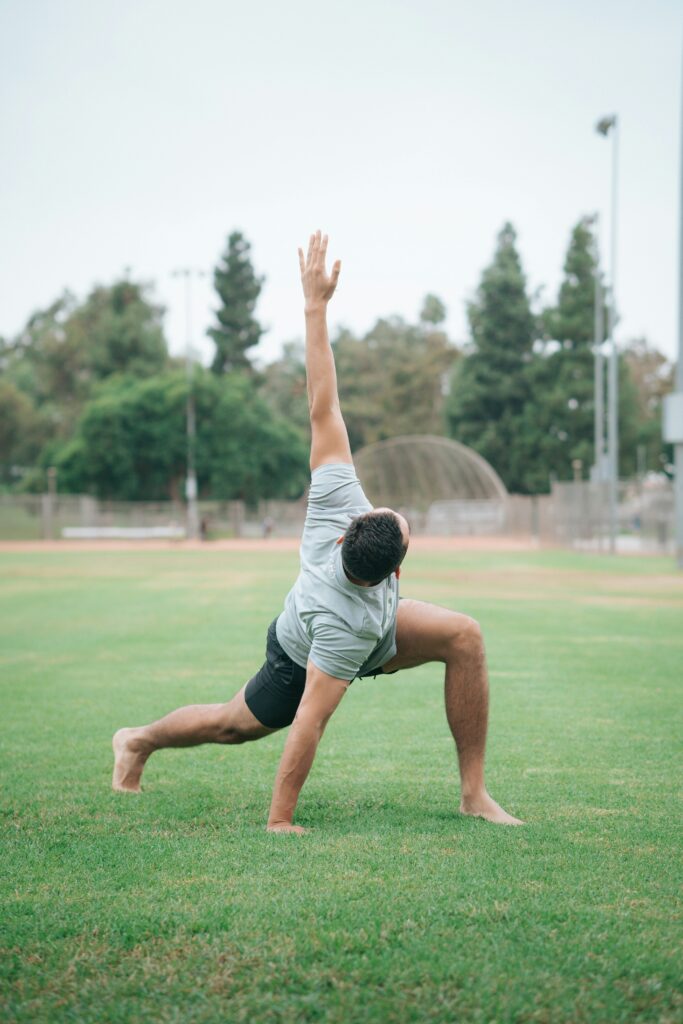
Yoga, flow-based practices, “animal moves”, and martial arts all expose the body to changing loads and positions, allowing coordination and ease to develop naturally. When was the last time you crawled, rolled, or jumped? Placing the body in unfamiliar relationship with its environment can awaken the whole nervous system and stimulate neuroplasticity, as well as activating underused muscles and tendons.
From a physiological perspective, varied movement supports joint nutrition, tissue hydration, and circulation. From a Chinese medicine perspective, it supports the free movement of Qi and Blood, terms used to describe functional activity and circulation throughout the body. When movement becomes limited, discomfort and stiffness follow. When we practice movement regularly and mindfully, our bodies adapt to become more fluid and supple… and our minds tend to follow suit.
Exercise that's motivating, not flagellating
There is no single best form of exercise. (… Was that an accidental hot take?!)
Cardiovascular activity, strength training, mobility work, coordination, balance and stability, and play all contribute to health. The relative importance of each depends on what the body is being asked to do. Fitness for a weightlifter looks different from fitness for a long-distance runner. But most people do not need to specialise. They need sufficient capacity to meet the demands of daily life.
High-intensity training, whether resistance work, interval-based exercise, or circuit training, can be an important and beneficial part of a varied movement practice. Problems arise when training shifts toward repeated extreme endurance efforts that drive the body to its limits and are pursued as a regular ideal rather than an occasional challenge.
Such efforts can be impressive and personally meaningful, but when treated as a sustained approach to fitness they increase cumulative strain and injury risk, and often undermine recovery over time. Variety, adequate rest, and moderation are what make intensity supportive rather than depleting.
Fit for what?
A useful question is what you want to be fit for. Carrying shopping, climbing stairs, playing with children, working in the garden, or enjoying recreational sport all place different demands on the body. Training that supports these activities tends to be more relevant and sustainable than training aimed at abstract ideals. Do you really need those “killer abs”? If so, great. But if that’s just a cosmetic goal, perhaps it would be worth formulating a more relevant and pragmatic reason for training. Something that's motivating, not flagellating.
Enjoyment plays a central role. People abandon exercise plans not because they lack motivation, but because the activity creates too much friction. Willpower alone is a finite resource. Boredom, discomfort, and rigid schedules make repetition difficult to sustain.
Humans conserve energy by default. This is a normal biological tendency, not a character flaw. When our fundamental needs are met, Exercise with a capital E is a redundant waste of precious resources, in evolutionary terms. That unused gym membership isn’t so much an indicator of a failed personality; it’s an expression of a normal and natural attitude embedded in our bodies. Those movement practices that engage interest and provide some form of intrinsic reward are more likely to be repeated.
Activities such as sports, martial arts, yoga, qigong, climbing, or dancing combine physical effort with coordination, attention, and often social interaction, too. These elements support consistency over time.
Strong body, strong mind
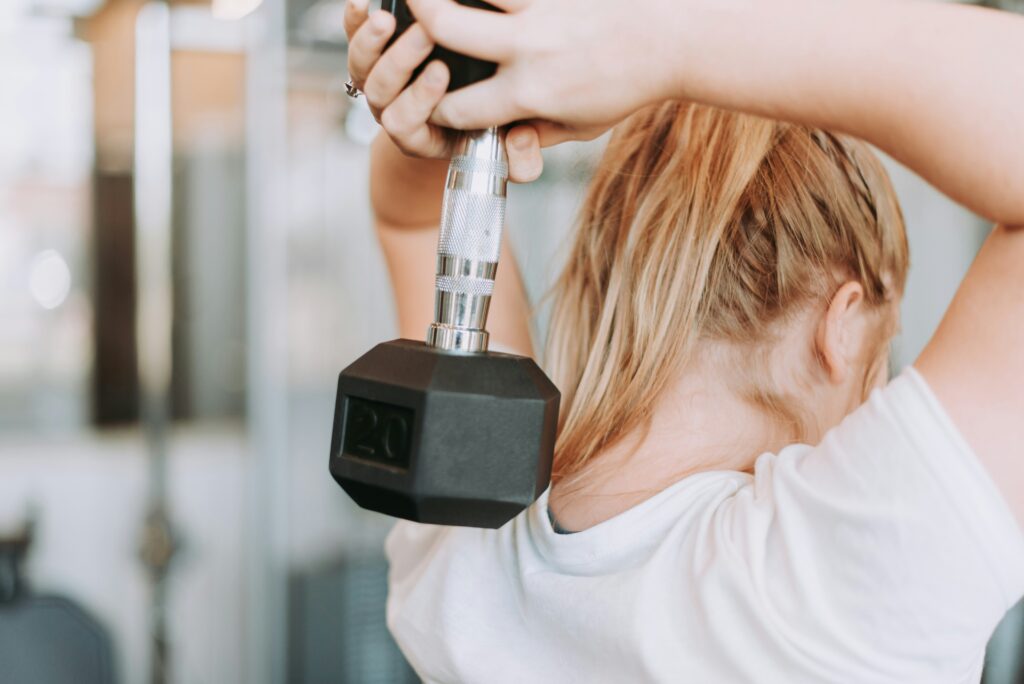
Strength training deserves particular mention, especially for women. Staying strong into later life strongly influences independence, balance, and resilience, particularly as hormonal changes accelerate muscle and bone loss. Maintaining muscle mass supports joint health, metabolic function, and bone density. Resistance training with weights, not just bodyweight, is essential for long-term fitness.
Exercise also carries psychological benefits, beyond those feel-good endogenous chemicals. Developing physical capacity improves confidence and self-image. Completing tasks that require effort and skill provides a sense of competence and satisfaction. These effects influence recovery, stress tolerance, and engagement with daily life. Healthy routines and attitudes become entrenched as a positive feedback loop. A little and often is the best way to build a self-reinforcing and positive cycle. If it feels good to do it, we do it.
The aim is not to punish the body into change, but to develop capacity gradually. When exercise supports rather than depletes, and isn’t compartmentalised into a separate box, it becomes an enjoyable part of ordinary life rather than something to endure.
Integrating movement into daily life
For many people, the greatest barrier to movement is not effort, but organisation, prioritisation, and procrastination. When activity is framed as a separate event that requires a set amount of time, specific clothing, and mental preparation, it becomes easy to postpone. Movement is more sustainable when it is woven into the day rather than fenced off as a special task.
Part of the difficulty many people have with movement lies in how exercise has been medicalised. When movement is framed primarily as a corrective intervention or prescription, it becomes detached from ordinary life and harder to sustain. It becomes something you should be doing rather than something you want to do.
Keep It Short and Simple
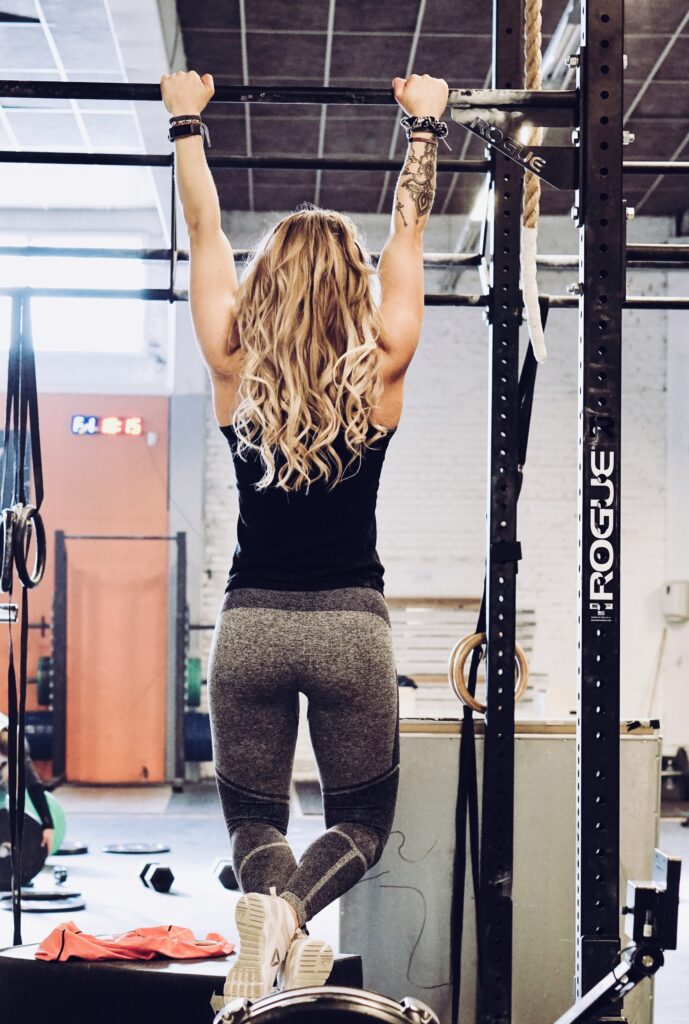
Short bouts of activity lower the threshold for starting. A few minutes of stretching or bodyweight movement in the morning, or rising, gentle spinal movement while waiting for the kettle to boil, or standing and walking during phone calls, or some subtle breathwork or qigong on the railway platform – all contribute to circulation and joint health. These moments add up. They also change how the body feels during the day, which in turn influences mood, attention, and energy.
Many people notice that when movement happens earlier in the day, other things shift with it. Mood tends to be steadier, we become less emotionally reactive, food choices are less driven by fatigue, and sleep is more settled at night.
Psychologically, committing to a small amount of movement is easier than committing to a full session. "Just doing a few minutes" can easily turn into half an hour or more. Setting out to do half an hour can seem much more burdensome. So dupe yourself into it! Just do a minute. Then another... and another...
Curiouser and curiouser...
Curiosity plays a role here. Exploring how a movement feels, varying tempo or range, changing intention or emphasis, or noticing changes in breathing and balance, all keep attention engaged. Repeating routines mechanically, with attention elsewhere, reduces both enjoyment and benefit.
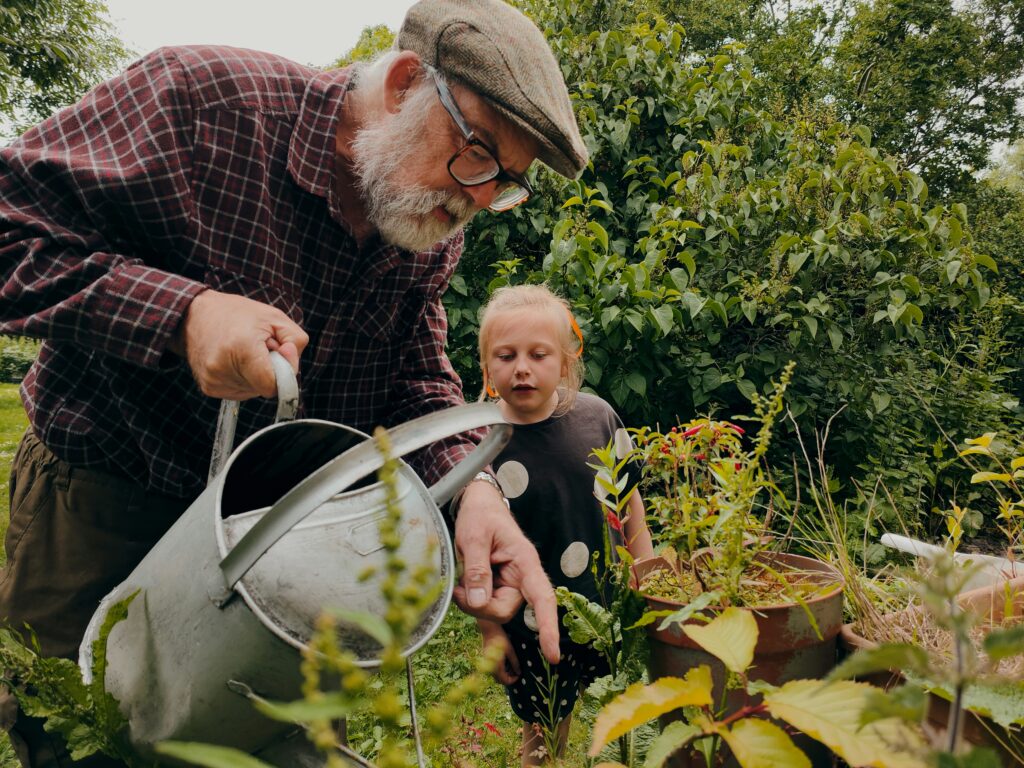
Household chores and manual labour can be a great way to check in with how we are moving. Holistically, from centre? Or over-reaching or straining certain parts? In this way, even vacuuming can shift from boring necessity to enquiry into movement patterns. Gardening fits naturally here, too. Purposeful digging, lifting, reaching, carrying, and walking place varied demands on the body without feeling like exercise for its own sake.
Emotional regulation as a physical process
Emotional state influences physical function in direct and measurable ways. Digestion, sleep, muscle tension, pain sensitivity, and immune response all change in response to ongoing emotional load.
Chronic worry, frustration, or suppression of emotion increases muscular holding, alters breathing patterns, and shifts nervous system activity. Over time, this affects recovery and resilience. Traditional Chinese medicine has long recognised this connection, describing emotional strain as a huge contributor to physical disharmony, rather than a separate category of illness.
Activities that regulate emotion often work through the body. In a very real sense, we are our bodies. We are not the separate, disembodied “driver” we perceive ourselves to be. Ultimately, there is no separation between body and mind. One cannot be extracted from the other.
Movement, regular meals, rest, and consistent rhythm all support emotional stability. Creative activities provide a different form of regulation. Crafting, drawing, writing, or playing music engage attention, stabilise and ground us, and provide a sense of agency.
Social interaction also plays a crucial role. Shared activity, conversation, playful humour, and time spent with others profoundly influence nervous system regulation and stress hormones. Isolation places additional load on the system, even when our basic needs are met.

Get out!
Time spent outdoors is hugely valuable as well. Walking, particularly at an unhurried pace, improves circulation, joint mobility, and metabolic activity. It also alters breathing patterns and reduces muscular tension. The benefits of walking do not depend on intensity. Regular, moderate walking supports cardiovascular health, digestion, and sleep.
Being in natural environments adds another dimension, too. Research has explored chemical factors released by trees, but the more significant effect is experiential. Changes in light, sound, space, and visual complexity influence attention and nervous system tone. Pausing in nature, taking notice of surroundings, and allowing attention to rest reduces our cognitive load.
The idea of “forest bathing” reflects a cultural shift away from this kind of contact. Taking time to be still in nature has been rebranded as a deliberate activity for health and wellbeing because it no longer feels normal to many people. But it does not require special effort or purpose to stop and take notice of your surroundings. Allowing the body and mind to settle should be an integral component of daily life. You don’t need a meditation practice to practise stillness.
Even meditation itself has fallen victim to the “life hack” mindset. We see professionals seeking to optimise their productivity with daily meditation sessions. But meditation isn’t an optimisation tool. It’s a practice and a way of life.

Sleep, rhythm, and recovery
Sleep plays a central role in long-term health. It supports immune function, metabolic regulation, memory, emotional stability, and tissue repair. Poor sleep does not only cause tiredness. Over time, it reduces resilience and shortens our healthspan – the period of life we spend in good functional health.
Sleep depends on rhythm. The body follows circadian patterns that coordinate hormone release, temperature regulation, digestion, and alertness across the day. Cortisol, a hormone often discussed only in negative terms, is natural and essential, and rises naturally in the morning. This rise supports waking, energy, and activity.
Thus, morning light exposure and exercise early in the day can effectively support sleep at night. Physical activity raises body temperature and metabolic rate, which then fall later, supporting natural drowsiness and sleep onset. Consistent meal timing also plays a role. Large or irregular meals late in the evening can interfere with digestion and sleep quality, too.
But sleep hygiene advice is useful as guidance rather than rule. Screens in the evening affect some people more than others. For those who sleep well and wake rested, there is little reason to impose draconian restrictions. When our sleep becomes fragmented, shallow, or delayed, then it makes sense to adjust. Headaches, irritability, and persistent fatigue provide us with useful feedback. Small changes, such as earlier exposure to daylight, reduced evening stimulation, or more regular routines, often suffice.

Seasonal adaptation
Human physiology responds to seasonal change. Temperature, daylight, and workload vary across the year, and the body adjusts accordingly. Expecting the same energy, appetite, and activity level in mid-winter as in summer creates unnecessary strain.
But seasonal adaptation does not require strict rules, either. Eating slightly warmer, more cooked foods during colder months supports digestion and energy use. Clothing choices influence both comfort and muscle tension, particularly around the neck and lower back. Activity may shift towards shorter sessions or indoor movement when daylight is limited. But it doesn’t have to! As with anything else, paying attention and listening to what your body is telling you is the main thing. If your body wants winter night runs or cold-water dips then go for it! This isn’t about being prescriptive. Everybody is different.
Traditional Chinese medicine places emphasis on aligning habits with seasonal change, but the underlying principle remains simple. Pay attention to how the body responds to environment, and respond with proportionate, incremental changes. Variation across the year reflects adaptability rather than inconsistency.
The nervous system and the vagus nerve
“Hacking” the vagus nerve has become a focus of popular health advice. This nerve plays a big role in regulating heart rate, digestion, breathing, and emotional response. Its function reflects the state of the autonomic nervous system, which balances activity and recovery.
While specific activities such as deep breathing practice, chanting, or humming can certainly enhance parasympathetic response, leading to a calmer state and improved health, nervous system regulation emerges from the overall conditions the body experiences. Regular meals, varied movement, social interaction, mindful regulation of thought patterns, rest, and enjoyment all influence autonomic balance more than targeted techniques.
Breathing patterns, posture, and muscle tone also contribute. Chronic tension and shallow breathing increase sympathetic activity, which supports alertness and action. When this state persists without adequate recovery, our sleep, digestion, and mood all suffer.
Adaptability over perfection
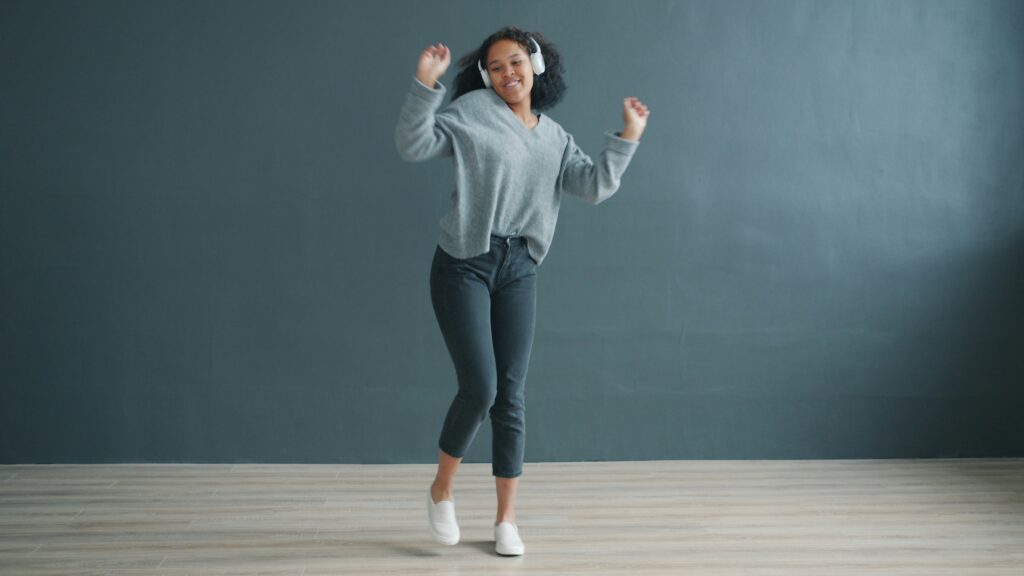
Health is often discussed in terms of lifespan, with the implicit aim of extending years regardless of their quality. A more practical focus might be healthspan: the length of time the body remains capable, resilient, and able to participate fully in daily life.
Perfection is not the aim. Bodies fluctuate. Energy rises and falls. Periods of stress, illness, or disruption are unavoidable. Health is shaped less by avoiding these phases than by how recovery is supported when they occur. Capacity to adapt, rather than capacity to control, determines long-term function.
This perspective reduces the pressure we put on ourselves to optimise every behaviour. It allows for variation in diet, movement, and routine without treating deviation as failure. It also places emphasis on noticing patterns. If certain habits reliably lead to pain, poor sleep, or low energy, they are worth adjusting. If flexibility and variety support steadiness, they are worth preserving.
The underlying aim is to protect recovery, avoid chronic depletion, and support systems that allow repair to take place. The surface-level aims are engagement, enjoyment… and fun!
Consistency is key
Health develops through ordinary actions repeated over time. Eating regularly and attentively, moving in varied ways, sleeping in alignment with natural rhythms, spending time outdoors, maintaining social and creative engagement, and allowing periods of rest all contribute to this process. None of these require exceptional discipline or specialised knowledge. None of it requires hot takes, buzzwords, or health hacks. Sorry if that's dull. But it's true.
Attempts to simplify health into fads or techniques often overlook how adaptable the body already is. The approach outlined here does not offer quick results. It offers something more durable. Broad, eternal (and perhaps rather boring!) principles of balance, diversity, and moderation, applied with attention and flexibility, allow health to flourish in a way that fits our real lives.
You probably don’t need to "get shredded” in six months. You're probably not missing out on that one key slogan that will "change everything". What your body craves is sustained, consistent input, variety, awareness – and kindness. Health advice is a minefield. You don't need to close your ears to what's out there. But do tread carefully.

Thanks for reading!
If you enjoyed this article, you might also enjoy...
Is dairy bad for you? A traditional Chinese medicine perspective
Sleep is sacred: acupuncture and natural ways to ease insomnia
Acupressure for anxiety relief
Supporting lymphatic health with acupuncture, massage, and qigong
What kind of anxious are you? How anxiety is framed in Chinese medicine
Foot health, somatic awareness, massage, and the nervous system
How does the body respond to acupuncture? A brief guide to the benefits of acupuncture, massage, and qigong.
When wisdom becomes a soundbite: how modern culture misinterprets traditional practices.
Looking for a qualified and regulated acupuncturist in your area of the UK? Find one here.