

A Chinese Medicine Perspective on Rest, Repair and Renewal

We tend to think of poor sleep as an annoyance — something you can power through with coffee and determination. But the truth is, even if you “feel fine” now, your body keeps the score.
Sleep is one of life’s most underestimated healers. Lose it for a night or two and you feel foggy, irritable, clumsy. But lose it for weeks or months and something deeper begins to unravel.
In the quiet hours of night, your body is anything but idle. Memories are consolidated, tissues repaired, hormones reset. The brain itself enters a kind of deep cleanse, clearing waste proteins linked to neurodegenerative conditions. Your digestive system recalibrates, your cardiovascular system rebalances, and even your emotional processing happens in the dream world of REM sleep.
Yet for many people, these restorative processes are disrupted. You may lie awake unable to switch off your mind, or wake at 3am with a racing heart and no obvious reason. Over time, sleep deprivation doesn’t just sap your energy — it alters your mood, immunity, and even long-term health.
In Traditional Chinese Medicine (TCM), insomnia isn’t seen as a single diagnosis, but as a symptom — a sign that your body’s delicate balance of activity and rest, movement and stillness, has been disturbed. Through acupuncture, therapeutic massage, gentle movement, and nourishing lifestyle changes, TCM offers a way to restore your natural rhythm.
The Science of Sleep: Why It Matters So Much

Sleep is far more than rest. It’s a state of dynamic repair and regulation:
- Non-REM sleep: rebuilds muscles, strengthens immunity, and restores energy reserves.
- REM sleep: processes emotions, consolidates memories, and supports learning.
- The glymphatic system: clears waste proteins from the brain, protecting against Alzheimer’s and other neurodegenerative conditions.
- Hormonal balance: growth hormone peaks at night; cortisol rhythms reset; reproductive hormones stabilise.
- Cardiovascular health: blood pressure and heart rate lower to reduce strain on the heart.
- Digestive recalibration: the parasympathetic state supports healthy gut motility and microbiome balance.
- Emotional resilience: the brain processes and integrates experiences, helping you wake feeling calmer and more balanced.
- Chronic disease prevention: Long-term lack of sleep is now linked to cardiovascular disease, type 2 diabetes, obesity, depression, Alzheimer’s, and weakened immunity.
Modern life disrupts these processes with artificial light, irregular bedtimes, stimulants, doom-scrolling, and the relentless mental overactivity that often follows us into the night.
Patterns in TCM: Seeing the Bigger Picture

In Chinese medicine, insomnia isn’t seen as a single problem but as one thread in a larger pattern of imbalance within the body.
Practitioners explore this wider picture — considering aspects like digestion, energy levels, and emotional health — and then hone in on the specifics, asking questions like:
- How long does it take you to fall asleep?
- Do you wake in the night? If so, at what time and how often?
- Do you struggle to get back to sleep?
- How deeply do you sleep? Do you toss and turn?
- Do you dream, and if so, are the dreams vivid, disturbing, or pleasant?
- Do you wake feeling anxious, restless, or with palpitations?
- Do you snore or grind your teeth?
- Do you feel hot at night, experience night sweats, or have a dry mouth and thirst?
- Do you ever have cold sweat or wake feeling chilly?
- How do you feel on waking – refreshed or fatigued?
These questions help reveal your pattern – a constellation of signs that guide treatment. A pattern isn’t a disease label but a map of where balance has been lost. And the beauty of Chinese medicine is that these patterns are not fixed – they are dynamic, always in flux.
With gentle, skilful nudges through acupuncture, herbs, massage, and lifestyle changes, the body can find its way back to harmony. Unlike a diagnosis that hangs a label on you and files you in a drawer, TCM sees you as a living, changing whole.
Yin, Yang and the Shen: The TCM View of Sleep

At night, yang — the active, warm, outward-moving force — should naturally withdraw inward, allowing yin — the cool, nourishing, and still quality — to take its place. Yin and yang are not fixed substances but dynamic qualities that describe the rhythms and relationships within the body.
As the day’s yang settles, yin rises to envelop the body in stillness and repair. This is the time for the Shen — the mind, spirit, and emotional centre — to return home and rest in the Heart, anchored by sufficient blood and yin. When this process falters — through stress, deficiency, or internal disharmony — the Shen becomes unsettled, drifting like a restless flame. The result may be difficulty falling asleep, frequent waking, vivid or disturbing dreams, and an overall sense of unease at night.
Five Spirits: Hun, Po & Beyond

In Chinese medicine, the Five Spirits are aspects of consciousness linked to different organ systems. Together they shape how we think, feel, dream, and interact with the world — awake or asleep. When they are in harmony, sleep feels natural and restorative. When disturbed, the mind may wander, dreams turn turbulent, and rest becomes elusive.
Each of the five zang (Heart, Liver, Spleen, Lungs, Kidneys) houses one of these spirits, and their interplay influences the quality of our sleep in distinct ways.
Shen (Spirit) – Heart
The Shen governs consciousness, memory, and emotional presence. Anchored by Heart blood and yin, it should rest peacefully at night. When Heart blood or yin are deficient, the Shen becomes like a restless flame. This can manifest as difficulty falling asleep, racing thoughts, palpitations, and vivid, often emotionally charged dreams. Heat disturbing the Shen may lead to a sense of agitation or waking with a racing heart.
Hun (Ethereal Soul) – Liver
The Hun gives us imagination, vision, and healthy dreaming. Nourished by Liver blood, it helps integrate emotions and experiences during sleep. When Liver qi stagnates or blood is deficient, the Hun may “wander,” leading to waking between 1–3am, restless or fragmented sleep, and vivid, chaotic dreams. Anger, frustration, or unexpressed emotions often show up here, and people may wake tense or clenching their jaw.
Po (Corporeal Soul) – Lungs
The Po relates to bodily instincts and sensations, including breath and touch. Disturbed Po can cause shallow breathing, frequent waking between 3–5am, or dreams of loss, vulnerability, or grief. People may describe waking with tightness in the chest or a sense of loneliness in the small hours. Chronic respiratory issues, night coughing, or unresolved sadness may also point to Lung imbalance.
Yi (Intent) – Spleen
The Yi governs focus, thought, and memory. The Spleen’s role in transforming food into qi and blood is crucial for nourishing the Heart and Liver. When weakened by overthinking, worry, or poor diet, Yi scatters. This shows as a restless mind at bedtime, difficulty staying asleep, light, unrefreshing sleep, or waking groggy despite hours in bed. Dampness from weak Spleen function may cloud both the body and spirit, creating heaviness, digestive discomfort, or even excessive salivation at night.
Zhi (Willpower) – Kidneys
The Zhi provides determination and deep inner strength. The Kidneys are the root of yin and yang, supporting all other organ systems. Kidney yin deficiency allows yang to float upward unchecked, leading to restlessness, night sweats, dry throat, and early waking (often around 4–5am). Kidney yang deficiency, on the other hand, may fail to warm the body at night, leaving some people waking chilled or with cold sweats. Fear, insecurity, or a subtle sense of vulnerability in the night often points here.
When Patterns Overlap: The Web of Sleep

These spirits and their organ systems rarely act alone.
- Spleen weakness may fail to nourish Heart blood, leaving the Shen unanchored.
- Liver yin depletion can leave the Hun without a safe “home” at night.
- Kidney weakness undermines the stability of the entire system.
- Lung qi stagnation from grief may disturb the Po and hinder deep breathing.
Other patterns can complicate the picture further:
- Phlegm-heat or damp accumulation may cloud the “orifices” (the mind’s clarity), creating a muzzy head, unquiet Shen, and tossing and turning with a heavy, uncomfortable body.
- Heat rising from the Stomach (due to late-night eating or digestive stagnation) can also disturb sleep, with vivid dreams and restlessness.
This nuanced view is one of Chinese medicine’s strengths. Rather than masking symptoms, treatment supports the interplay of yin and yang, clears stagnation, nourishes deficiency, and helps the spirits return to their proper resting places — so the body can remember how to sleep naturally.
Acupuncture: Resetting Body and Mind

Acupuncture and acupressure help re-establish the body’s natural sleep-wake rhythm, encouraging a shift from high alert to rest-and-digest.
Why It Helps
- Regulates cortisol and melatonin cycles to support the body’s natural circadian rhythm.
- Moves stagnant qi and blood to ease physical and emotional tension.
- Calms the Shen, helping the mind let go of worry and settle into stillness.
- Encourages parasympathetic activation (rest-and-digest), allowing deep repair and restoration.
- Soothes overactive sympathetic (fight-or-flight) responses, helping to break cycles of hypervigilance that often disrupt sleep.
- Relieves pain and discomfort that can keep the body restless at night.
- Strengthens Spleen and Kidney function over time, building the foundation for deeper, more consistent sleep.
Key Acupressure Points for Sleep

- Anmian (Peaceful Sleep): Soothes an overactive mind and invites the Shen home.
- HT 7 (Shenmen): Nourishes Heart blood and quiets anxiety.
- SP 6 (Sanyinjiao): Supports yin and harmonises Heart-Spleen-Kidney axis.
- KD 3 (Taixi): Strengthens yin and draws floating yang back down.
- PC 6 (Neiguan): Relieves chest tightness and emotional holding.
- LV 3 (Taichong): Regulates Liver qi, calms frustration and emotional agitation, and settles the Hun for undisturbed sleep.
- KI 6 (Zhaohai): Nourishes yin and regulates the Yin Qiao Mai (Yin Motility Vessel), which helps draw yang energy inward at night so the body can rest. Often paired with BL 62 (Shenmai) to harmonise yin and yang and restore the natural rhythm of sleep and wakefulness.
- Yintang: Calms mental chatter. Interestingly, Yintang lies on the forehead just in front of the pineal gland – the part of the brain linked to circadian rhythms and melatonin production. It’s a poetic resonance between acupuncture and Western science: stimulating this point may help settle the mind and align the body’s natural sleep cycles.
Clients often describe sensations of warmth or tingling during treatment, and afterwards: a profound sense of calm, a quieter mind, a feeling of internal harmony – as if their whole system has been gently reset.
Massage: Releasing Tension, Inviting Rest
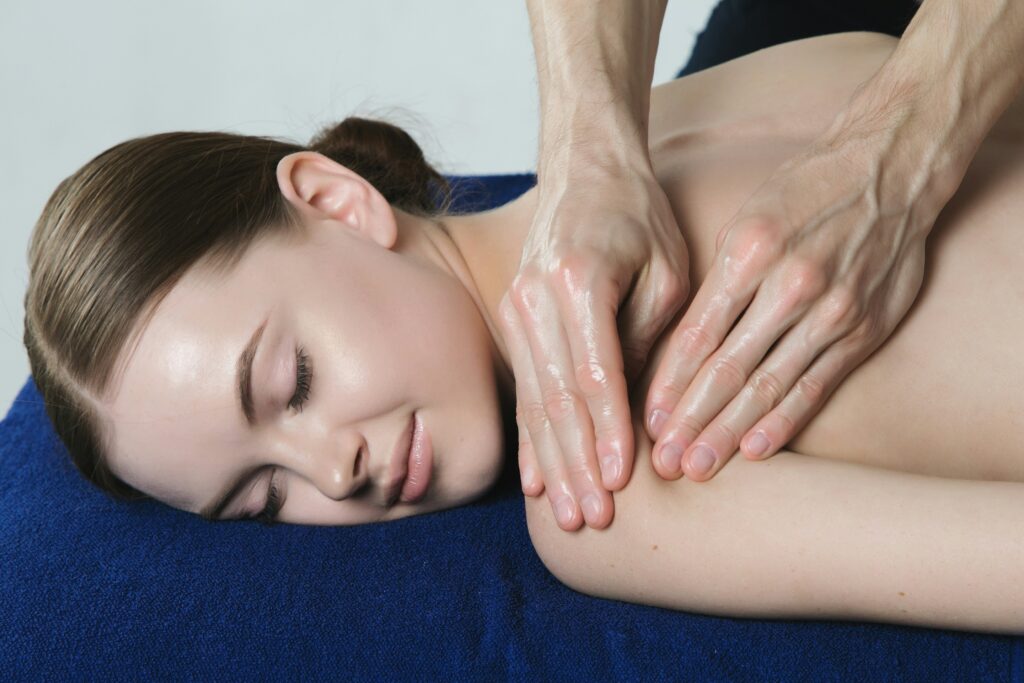
Massage works on the body’s “memory” of stress, where unresolved emotions often lodge as muscular tightness and shallow breathing. Modern medicine is increasingly recognising what Chinese medicine has long understood: that unresolved, stagnant emotions aren’t just “in your head” – they can burden the whole system, contributing to physical tension, hormonal disruption, and even being implicated in the root of disease itself.
Tuina (Chinese Therapeutic Massage)
- Combines acupressure, rolling, and kneading along meridians.
- Releases tension and restores energy flow.
- Grounds yang energy, allowing the Shen to settle.
Swedish Massage
- Soothes soft tissues and promotes deep relaxation.
- Activates parasympathetic responses, helping the mind let go.
Practices to Try Before Bed
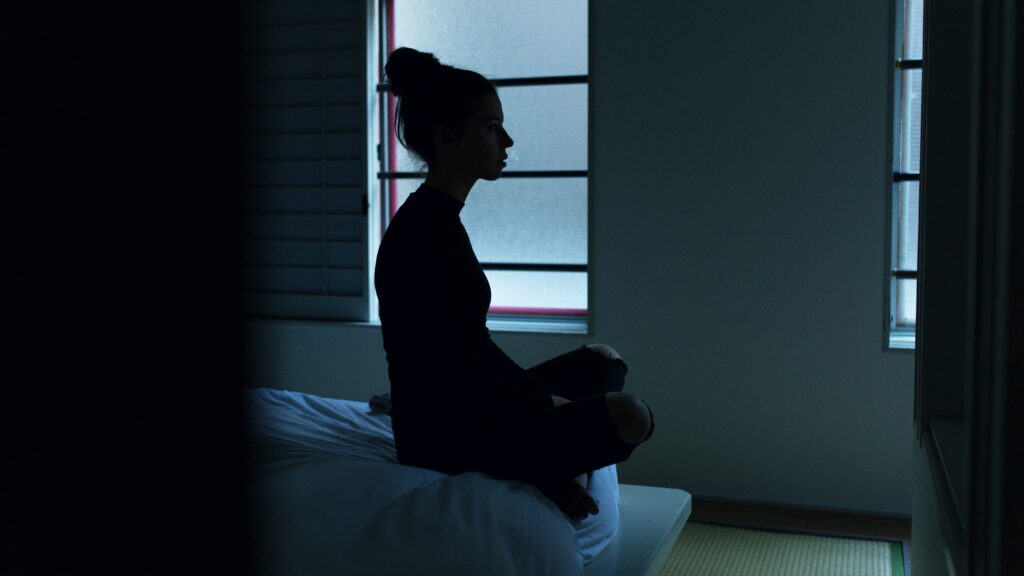
- Self-acupressure: Use gentle, steady pressure on points like Yintang (between the eyebrows), Anmian (just behind the ear), and PC 6 (inside the forearm). Spend a few breaths on each point, softening as you exhale, and notice any subtle sensations as qi begins to shift. This practice helps calm the Shen and soothe the nervous system.
- Abdominal breathing: Place your hands over your navel. Feel the gentle rise and fall of your belly. As you exhale, relax and let the breath sink. Rest your mind in the lower abdomen, safe and stable.
- Head-to-toe body scan: Breathe into each part of the body from the scalp to the toes, consciously relaxing each area and visualising a soft bathing light or cool water flowing through.
- Humming or singing: Let your voice vibrate gently through your chest, throat, and skull. In traditions like chanting Om (or Aum) in Hinduism and Tibetan Buddhism, this sound is said to attune body and mind to the fundamental vibration of the universe, fostering inner calm and connection. Modern research also shows these vibrations stimulate the vagus nerve, helping the nervous system shift into a parasympathetic “rest and digest” state.
- Somatic awareness: Shift your attention to the sensations of lying down. Notice where your boy meets the mattress - head, shoulders, arms, spine or torso, hips, legs, and feet. Feel the gentle pull of gravity and allow yourself to soften and surrender, knowing the surface will support you fully. Bring your awareness to the rise and fall of your breath. Emphasise long, slow, sighing exhales and pause before the next inhale arises on its own. Feel cool air entering, warm air leaving, and notice subtle differences between each breath. Allow your body to breathe itself, resting your mind in the quiet rhythm of these sensations.
Qigong, Meditation and Deep Rest

Qigong combines gentle, flowing movements, conscious breath, and focused awareness to regulate the nervous system and harmonise yin and yang. By coordinating body, breath, and mind into one integrated whole, qigong helps release muscular and fascial tension, anchors restless yang energy, and nourishes yin.
This inward-turning practice calms the Shen and prevents the Hun (Ethereal Soul) from wandering at night. Over time, regular practice retrains the body to recognise stillness as a natural state, making it easier to slip into restful, restorative sleep. As qi circulates freely and the channels open, a sense of spaciousness and quiet returns — the body and mind remembering how to rest deeply.
How Qigong Helps
- Regulates breathing and heart rate variability.
- Softens fascial and muscular tension.
- Trains the mind to return to stillness.
- Supports emotional resilience and clears stagnation.
- Anchors yang energy so the Shen can rest deeply.
- Calms the nervous system by weaving breath, movement and awareness into a single, integrated whole — slow, mindful practice that quiets both body and mind.
Deep Rest Practices: Yoga Nidra and NSDR

Yoga Nidra, sometimes called “yogic sleep,” is a guided practice that leads you into a state between waking and sleeping — deeply restful yet fully aware. Lying comfortably, you’re guided through body scans, breath awareness, and visualisations that draw your focus inward layer by layer. The body remains still while the mind gradually releases its grip on thoughts and external distractions.
In this state, the nervous system shifts profoundly: heart rate slows, cortisol drops, and brainwaves transition from the active beta state into slower alpha and theta patterns — the same rhythms seen in early stages of sleep. This allows deep restoration to begin, even if actual sleep doesn’t occur.
Non-Sleep Deep Rest (NSDR) is a Western adaptation of these principles, often stripped of cultural references and offered as a secular practice. It uses similar tools — guided relaxation, breathing, and focused awareness — to help reset the nervous system and improve stress resilience.
Both practices are particularly helpful for people who struggle to “switch off” at night. They calm the Shen, ground scattered yang energy, and nourish yin, creating the conditions for natural sleep to arise. Over time, regular practice can train the body to recognise and return to restful states more easily.
Food, Drink and Herbal Support

What and how we eat plays a vital role in preparing the body for rest. In TCM, food is more than fuel; it’s medicine that shapes our qi, blood, and emotional state. Eating in harmony with your body’s needs supports the organs most involved in sleep and helps anchor the restless mind.
Nourishing Foods
- Warm, cooked meals in the evening anchor yang and encourage the body to shift into rest.
- Oats, barley, millet: Support Spleen and Stomach qi, calm the Shen, and help settle an overactive mind.
- Walnuts, goji berries, jujube (red dates): Nourish Heart blood and Kidney yin, particularly helpful for dream-disturbed or broken sleep.
- Black sesame seeds and almonds: Support Liver and Kidney yin, helping to soothe dryness and restlessness.
- Spinach, beetroot, and dark leafy greens: Build blood to anchor the Shen, especially useful if sleep issues relate to deficiency.
- Pumpkin and sweet potato: Strengthen Spleen qi and provide gentle sweetness to calm overthinking.
Herbal Teas
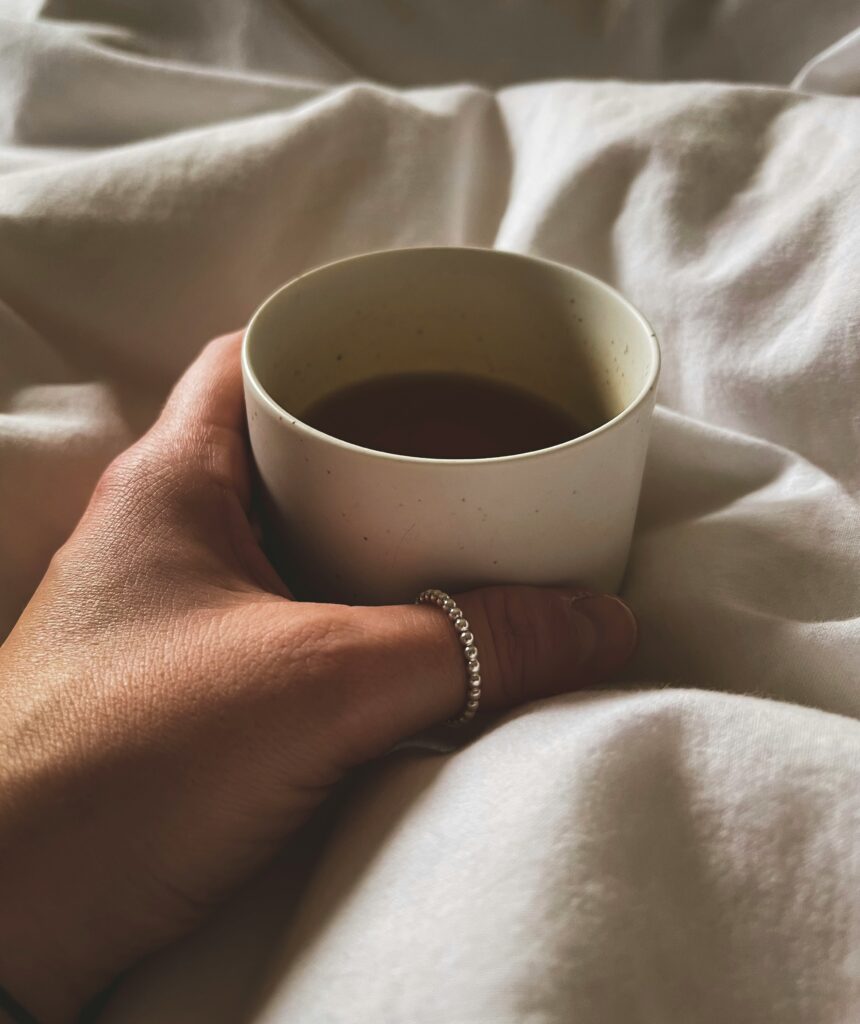
- Chamomile: Calms the nervous system.
- Chrysanthemum: Cools excess heat.
- Jujube tea: Nourishes Heart blood.
- Lavender: Eases tension, settles the breath, and promotes relaxation.
- Passionflower: Supports restful sleep (consult a practitioner for stronger herbs).
Yangsheng (Nourishing Life) Advice
- Prioritise breakfast during Stomach time (7–9am), when digestion is primed, and support it with nourishing foods as the Spleen takes over (9–11am) to transform and transport what you’ve eaten. Modern research also shows digestion and metabolism are most efficient earlier in the day.
- Finish your evening meal a few hours before bed, as keeping the digestive system active late at night can interfere with the body’s focus on repair and renewal during sleep.
- Make your evening meal light but warm, nourishing and satisfying. In TCM, a gently cooked, flavourful dinner helps anchor yang, nourish yin, and calm the Shen – reducing late-night cravings and preparing the body for rest.
- Avoid overeating, as excess food burdens the digestive system and can lead to stagnation of qi. Stop eating when you feel about 70–80% full to support proper transformation.
- Avoid cold, raw, or greasy foods, which in TCM can weaken Spleen qi and create dampness, leaving you feeling heavy or sluggish. Favour warm, lightly cooked meals to strengthen digestion.
- Stay hydrated throughout the day, choosing warm or room-temperature drinks. Cold beverages can constrict digestive qi and impair the Spleen’s function.
- Choose seasonal, locally sourced whole foods. Minimally processed ingredients nourish the body more deeply and help it stay attuned to the rhythms of nature.
- Eat mindfully and enjoy your food. A relaxed, positive mindset at mealtimes supports digestion and nourishes the Shen, while over-controlling or restricting your diet can create stress that undermines the Spleen.
- Chew thoroughly and take your time. This simple practice helps break food down properly, lightens the digestive load, and allows you to savour textures and flavours.
- Create a calm, screen-free environment at mealtimes. Rushed or distracted eating can weaken digestive qi and lead to discomfort or cravings later.
Sleep Hygiene: Anchoring Your Circadian Rhythm

Your body thrives on routine. Predictable rhythms signal safety to the nervous system, allowing it to relax fully.
All of life moves in rhythms: day and night, seasons, breath. Regular bed and wake times anchor your circadian clock and improve hormonal balance, digestion, and emotional stability. Finding rhythm in life allows it to flow with ease, bringing spaciousness and freedom to the mind. Far from creating boredom or stagnation, a regular daily routine is one of the most underestimated paths to health and happiness. And just like taming a wild animal, a steady routine teaches your body when it’s safe to let go — so it can recognise when it’s time to rest.
Creating a calm, consistent wind-down routine can also help your mind and body transition more easily into sleep:
- · Establish a simple pre-sleep ritual. This could be lighting a candle, making herbal tea, or gentle stretching — a cue for the mind that it’s time to unwind.
- · Read a calming book or listen to an audiobook with a soft, steady tone. Avoid anything too gripping or emotionally charged.
- · Listen to soothing sounds like calm music, nature soundscapes, or ocean waves to ease the nervous system.
- · Keep lighting dim in the hour before bed. Soft, warm light encourages natural melatonin production and signals to your body that night is coming.
- · Turn off screens at least an hour before bed. The stimulation — visual, cognitive, and emotional — can keep your mind active long after.
- · Align mealtimes with sleep rhythms. Finish eating at least 2–3 hours before bed so your body isn’t still digesting when it should be winding down.
- · Keep your bedroom cool, dark, and quiet. The body sleeps best when the environment mirrors yin qualities — calm, still, and slightly cool.
- · Reserve your bed for sleep and rest. Avoid using it for work, scrolling, or other waking activities to strengthen the association between bed and sleep.
- · Step outside briefly in the morning light. Early daylight exposure helps regulate your circadian clock and supports better sleep at night.
- · Try a warm bath or shower before bed. The drop in body temperature afterward can help trigger drowsiness.
- · Journal your thoughts or make a to-do list for the next day to offload mental clutter and quiet a racing mind.
- · Avoid caffeine and alcohol in the evening. Both can disrupt deep sleep and leave the nervous system overactive or unsettled.
Emotions and Sleep: The Body Keeps the Score

Unresolved emotions like anger, grief, or worry can disturb organ systems and lodge in tissues. Proper sleep helps process and resolve these emotions, but acupuncture, massage, and qigong actively support this release too.
Adjusting Thought Patterns
Recognising habitual thought patterns is the first step: overthinking and worry (Spleen), frustration and anger (Liver), fear and insecurity (Kidneys), agitation or joylessness (Heart), and unresolved grief (Lungs). These tendencies can become ingrained over years, but they are not permanent.
Meditation helps create a space between you and your thoughts – a moment to step back and observe them with compassion and equanimity. This skill of watching without judgement allows even deeply embedded patterns to begin to soften and lose their grip.
Somatic practices like qigong, tai chi, and martial arts also help. By bringing awareness fully into the body, they interrupt cycles of habitual thinking, even briefly. These embodied moments plant a seed of recognition that unhelpful thought patterns are not part of the true self and can, with time, be unlearned. With regular daily practice, gentle mindful awareness, and non-judgemental encouragement, these old patterns are replaced by healthier ones – much like poor posture can be retrained into balance.
Other supportive practices include:
- Affirmations and reframing: Replace worry or rumination with calm, positive statements.
- Journaling: Process thoughts and emotions in a contained, reflective way.
- Creative activity: Painting, writing, or music can offer the mind a different kind of processing and energy release.
- Walking in nature: A relaxing walk outdoors calms the nervous system, encourages free flow of qi, and helps settle scattered thoughts. Exposure to natural light and fresh air supports circadian rhythms, while the rhythmic movement of mindful walking soothes an overactive mind, creating space for clarity and quiet. Time among trees and plants nourishes the Wood element in Chinese medicine and, as modern research shows, also lowers cortisol levels, blood pressure, and heart rate. Compounds released by trees, known as phytoncides, may further promote relaxation and strengthen immune function. The living presence of nature reminds the body of its own rhythms and cycles, helping it rediscover a sense of balance and calm.
Sleep Is Not a Luxury

We often treat sleep as optional — the first thing to sacrifice when life gets busy. But restorative sleep is not a luxury. It’s the foundation on which your physical, emotional and mental health are built.
Traditional Chinese Medicine sees sleeplessness not as a failure of willpower or a fixed condition, but as a sign that the body has drifted out of balance. And the beauty of TCM is that this balance can be restored.
With acupuncture to calm the Shen and regulate qi, massage to release tension and ground the nervous system, mindful movement to retrain the body’s rhythms, and nourishing lifestyle changes to support yin and yang — deep, restful sleep can return.
You don’t have to live in a state of constant exhaustion. The body remembers how to rest. Sometimes it just needs the right support to find its way back.
If you’re ready to experience this for yourself, reach out to a qualified acupuncturist and take the first step toward a more peaceful night.

And if this has sparked your curiosity, why not take a moment to explore the rest of my site — you’ll find more about acupuncture, massage, qigong, and other ways to nourish body, mind and spirit, along with client testimonials and blog collection to inspire your own journey back to balance.