

Is Acupuncture Really “Alternative”?
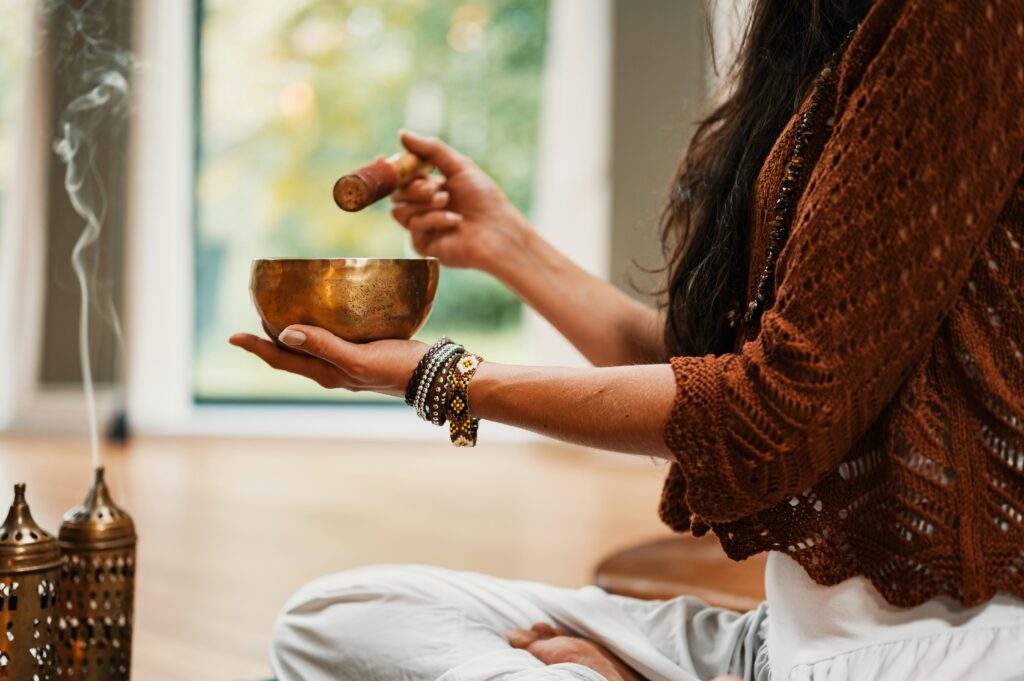
There is a curious tendency in modern culture of placing everything that sits outside conventional biomedicine into a single, vague basket labelled “alternative.” Acupuncture sits there. So do Ayurvedic formulae, Tibetan pulse diagnosis, Japanese meridian therapy, neo-shamanic drumming workshops, reiki attunements, crystal grids, sound baths, and a host of other practices that vary wildly in depth, lineage, method, and intent.
Treatments with long, sophisticated intellectual histories are placed alongside ideas that were created only a few decades ago. Systems refined over centuries by scholars and physicians are spoken of in the same breath as modern intuitive approaches that emerged from the contemporary wellness movement. It becomes very difficult for the public to know what belongs together and what does not.
Acupuncture lives within a classical medical tradition. It developed through periods of scholarship, clinical refinement, debate, and commentary. It is rooted in the philosophical languages of yin and yang, five phase theory, and the study of functional relationships within the body. It mirrors the structure of other traditional systems such as Ayurveda and Tibetan medicine. It is integrated into hospitals and primary care services in many countries worldwide, including large parts of Europe and Asia. Yet it is often presented as if it were interchangeable with crystal healing or “energy attunement,” and this obscures its real context. The intention of this article is to clarify where acupuncture genuinely sits within the wider landscape of healing, and to explore why these distinctions matter.
What Counts as a Healing Tradition?
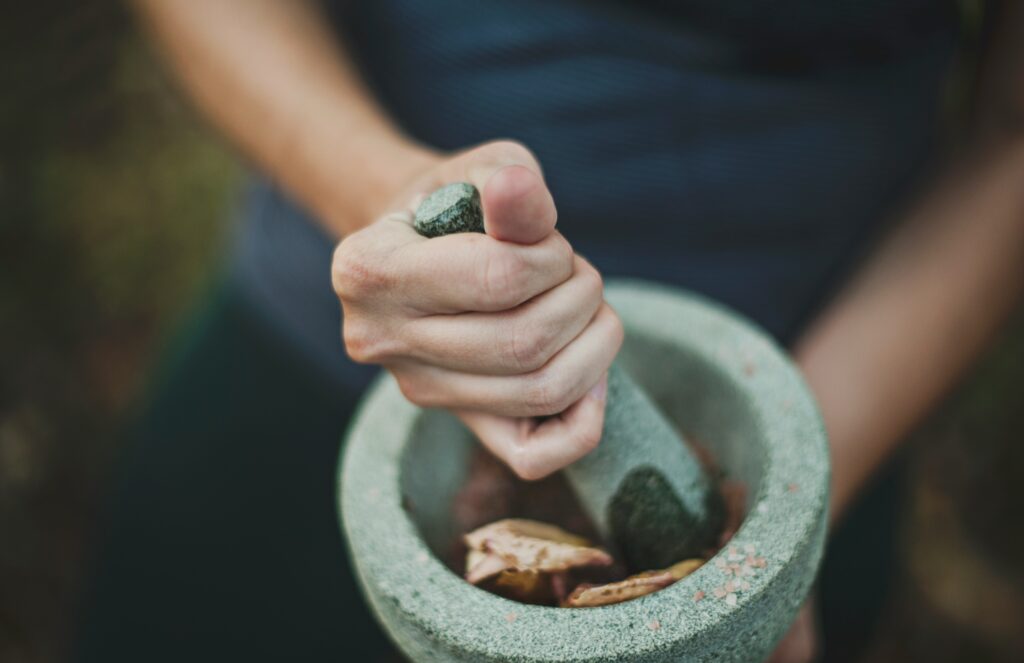
To understand why acupuncture does not belong in the generic “alternative” category, it helps to consider what defines a true healing tradition. Classical medical systems share several characteristics. Knowledge is transmitted through teachers, through commentary on canonical texts, and through apprenticeship. Their theories are grounded in recognised philosophical frameworks that explain how the world works, how the body mirrors those processes, and how imbalance arises. Diagnosis is structured through well-defined methods such as pulse reading, palpation, observation, and questioning. These systems did not emerge spontaneously, but matured through centuries of refinement.
Traditional Chinese Medicine developed inside a worldview that examined the dynamic patterns behind all living processes. It was influenced by classical philosophy, by Daoism, and by practical observation. Techniques such as acupuncture and moxibustion were shaped by debate among scholars who proposed, experimented, and refined ideas over generations. The same is true for Ayurveda with its analysis of doshas, dhatus, channels, digestion, and constitutional types. Tibetan Sowa Rigpa aligns medicine with Buddhist psychological theory and the study of wind, bile, and phlegm as functional aspects of life.
These systems did not depend on personal intuition alone; they depended on training and on disciplined study. They were upheld by an intellectual lineage that kept them relevant and clinically effective across centuries. This is the sense in which “traditional medicine” is meaningful. It is not simply old. It carries structure, context, and an inheritance of knowledge that has been shaped and reshaped through generations of practitioners.
Ancient Healing Systems Across Cultures
When people speak of traditional medicine, they often think only of acupuncture or Ayurveda, yet almost every culture has developed its own understanding of health, meaning, and the relationship between humans and the natural world. These systems often share common features while remaining distinct in their details.
Chinese Medicine
Chinese medicine views life through the lens of dynamic balance. Qi refers to the observable energetic activity of the emotional and physical body body – organ function and physiological processes – rather than a mystical substance as it is sometimes portrayed. The zangfu organ systems, the channel network, and the interaction of yin and yang describe patterns of function, transformation, and rebalancing. Acupuncture, herbal medicine, tuina, daoyin, and internal meditative practices such as neidan all arise from this way of seeing the body. These practices express a coherent medical and spiritual worldview rather than a collection of isolated techniques.
Ayurveda and Yogic Medicine
Ayurveda analyses health through the interaction of vata, pitta, and kapha. It emphasises digestion, lifestyle, and constitutional tendencies. It also includes marma therapy, dietary medicine, herbal formulation, cleansing practices, and elements of yoga. Classical yogic systems once served as subtle-body disciplines rooted in meditation, mantra, and breath. Originally, they were not structured around the modern seven-colour chakra model that has become familiar in contemporary wellness settings. Traditional kundalini yoga was an esoteric discipline transmitted privately, not an open group practice as it has been redesigned and propagated in recent decades.
Tibetan Medicine
Tibetan Sowa Rigpa integrates medicine with psychology, ethics, meditation, and cosmology. Its diagnostic methods include detailed pulse analysis, urine examination, questioning, and observational skills. Its understanding of wind, bile, and phlegm describes functional disturbances rather than material substances. Treatments include herbal preparations, diet, behaviour, acupuncture-related modalities such as moxibustion, and external therapies.
Japanese Healing Traditions
Japan adapted Chinese medical ideas into its own systems. Meridian therapy and Kampo herbal medicine have long histories. Shiatsu grew from older pressure and massage traditions, although modern Western forms of shiatsu sometimes diverge from classical Japanese theory.
Shamanic and Indigenous Systems
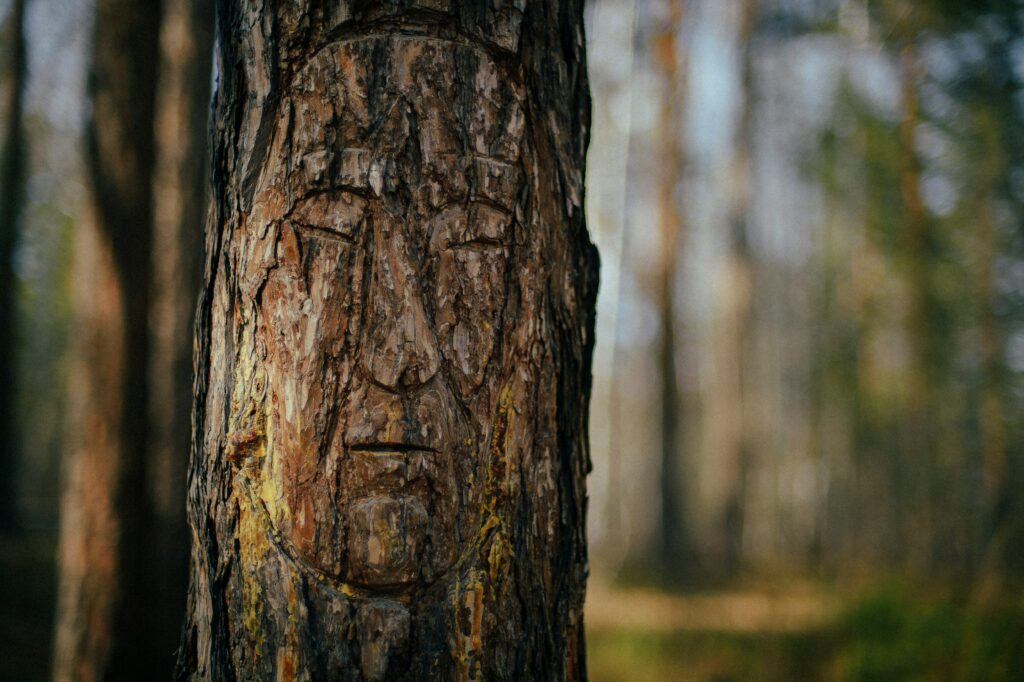
Indigenous cultures across the world also developed healing practices based on direct relationship with landscape, animal spirits, ancestors, trance, and ritual. These lineages required intense apprenticeship. Rather than being a self-declared intuitive, the shaman was recognised by the community and trained for years. Healings involved ceremony, song, drum, breath, and altered states understood within a consistent worldview. These practices were not casual inventions, but were understood by a culture that knew the risks and responsibilities of working with trance, spiritual entities, and symbolism.
Symbol, Ritual, and Meaning in Real Healing Traditions
When people hear the word “energy,” they often think of colours, auras, or vague spiritual forces. In many traditional systems, the picture is quite different. There is symbolism, certainly, but it sits inside a structured understanding of how life moves, changes, and rebalances.
Symbolism is not the same as symbolic healing
Classical traditions use symbol as a way of speaking about reality. The Taiji diagram, for example, expresses the constant turning of yin and yang, the way stillness contains movement and movement returns to stillness, the way day folds into night and back again. It is a map of the universal tension between change and constancy expressed in a single image. It is philosophical, yet it also describes the rhythms of physiology, emotion, and behaviour.
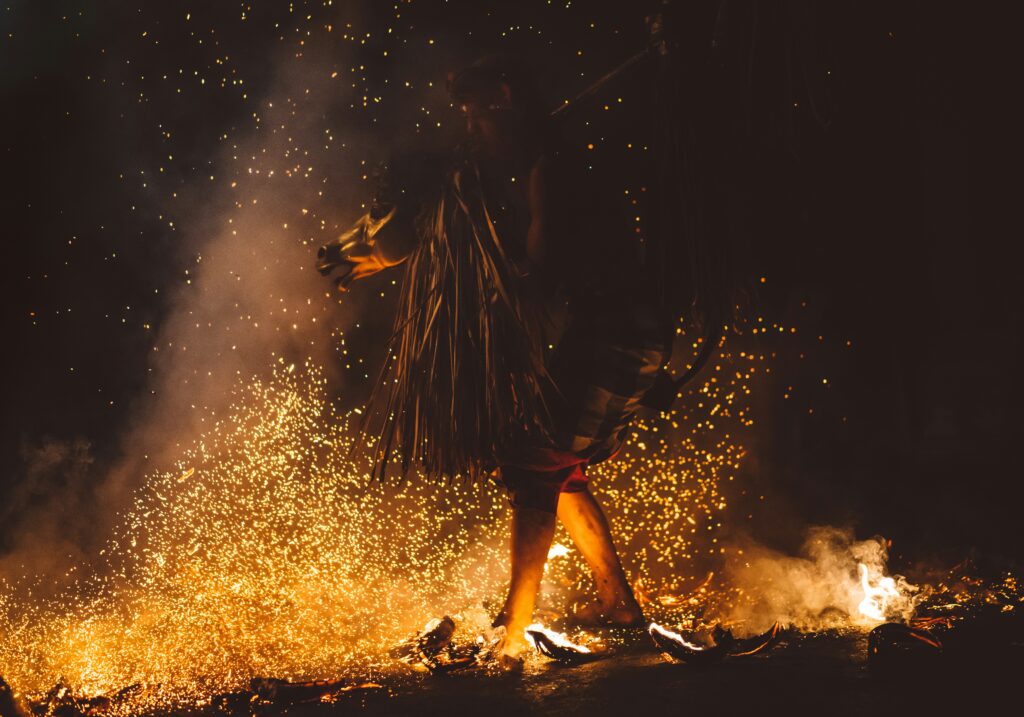
In many systems, symbols are embedded in practice. Daoist inner cultivation uses visualisation, breath, and posture to regulate qi and spirit. Tantric traditions employ mantra, mandala, deity forms, mudra, and breath as a precise inner technology. Shamanic ritual uses animal spirits, journeying landscapes, and ancestral presences that are not simply imagined. They arise from deep, somatic experience and are shared across the community.
This is different from modern “symbolic healing” in which someone may improvise a narrative around light, colours, or imagined energies without a shared framework, lineage, or method. All too often it spills into personal fantasy and delusion. Traditional symbolism is more like a language that has grammar, history, and agreed meanings. It takes time to learn, and it carries the weight of a culture.
How ritual affects the body
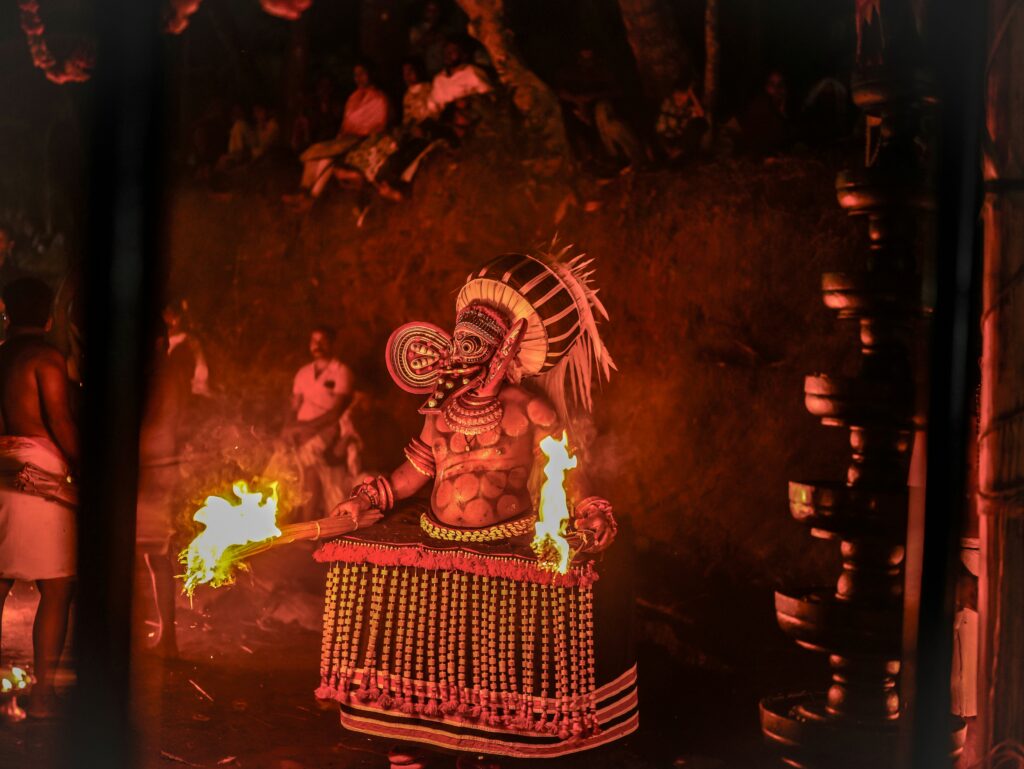
Ritual is not an abstract idea. It changes the way bodies and nervous systems behave. Many ceremonies bring together breath, sound, movement, and posture. They use rhythm and repetition. They gather people into shared attention. This combination has potent physiological consequences.
Slow, deliberate breathing alters autonomic patterns. Chanting and drumming can shift brainwave activity and promote trance. Certain postures engage or release muscular holding, and the language of the body translates seamlessly to the mind and emotions body – after all, while we conceptualise mind, body, and emotion as different things, in reality they are intrinsically integrated and inseparably one. Repeated movements and synchronised rhythm pull individuals into a shared field of experience. People who live close to traditional ritual often have a very different sense of what “spirit” means. It is woven through their bodily perception, their relationship with land, and their sense of time.
Across cultures, from Chinese medicine to Nordic mythology to Native American shamanism, these traditions recognise that humans are part of a wider ecological and spiritual field. The individual does not sit apart from the world. Life unfolds in a constant exchange with weather, landscape, season, and community. Ancient systems studied how that flux affects the body and mind. They watched how wind, damp, heat, cold, grief, fear, anger, and joy move through people, and how imbalance appears when the dialogue between inner and outer environments is disrupted. Healing emerged as a way of restoring that conversation to balance.
Why symbolic meaning remains powerful
Modern science tends to analyse mechanisms. Traditional cultures often paid closer attention to meaning. Meaning is not just an idea – it is felt. When a person takes part in a ritual that honours their ancestors, or stands in a forest that their mythology describes as sacred, their physiology shifts. The body responds to story, place, and symbol. Heart rate changes. Muscles soften or tense. Hormones and neurotransmitters adjust.
Classical medicines arose in societies that observed this deeply. They did not separate body from meaning. Symbol, ritual, and story were ways of working with the whole person. In that sense, all real healing traditions already understood something that modern research is gradually catching up with. The stories we live in affect our physiology. Human beings are storytellers and myth-makers. This is how we make sense of the world, and make sense of ourselves and our place in it.
This is one reason New Age practices can feel powerful, even when they are historically thin. Humans are responsive to symbol and ritual, even in improvised form. The difficulty comes when modern symbolic healing is presented as if it were equivalent to a classical medical system, or when a personal sense of intuition is treated as a replacement for training, lineage, and culture.
The Rise of Modern New Age Healing
Over the last century, especially in Western countries, a very different landscape of spirituality and healing has emerged. It borrows heavily from older systems, yet it often discards the structure and context that kept those systems grounded.
What defines a modern New Age modality
Several features tend to appear together:
• The practice is relatively new, often from the last hundred years.
• There is no clear lineage or apprenticeship model.
• Training may consist of short workshops or rapid “certifications.”
• The language is highly individualistic and centred on personal intuition.
• Symbols are borrowed from multiple cultures without their original context.
• There is little in the way of diagnostic structure or long-term clinical refinement.
In this kind of landscape, a practitioner might speak about “energy” in very sweeping terms. They may refer to the universe, light, frequency, or alignment without a clear model of how these relate to physiology or specific patterns of imbalance. The emphasis falls on how the healer feels in the moment, rather than on a shared theory or set of agreed reference points.
Examples of modern New Age systems
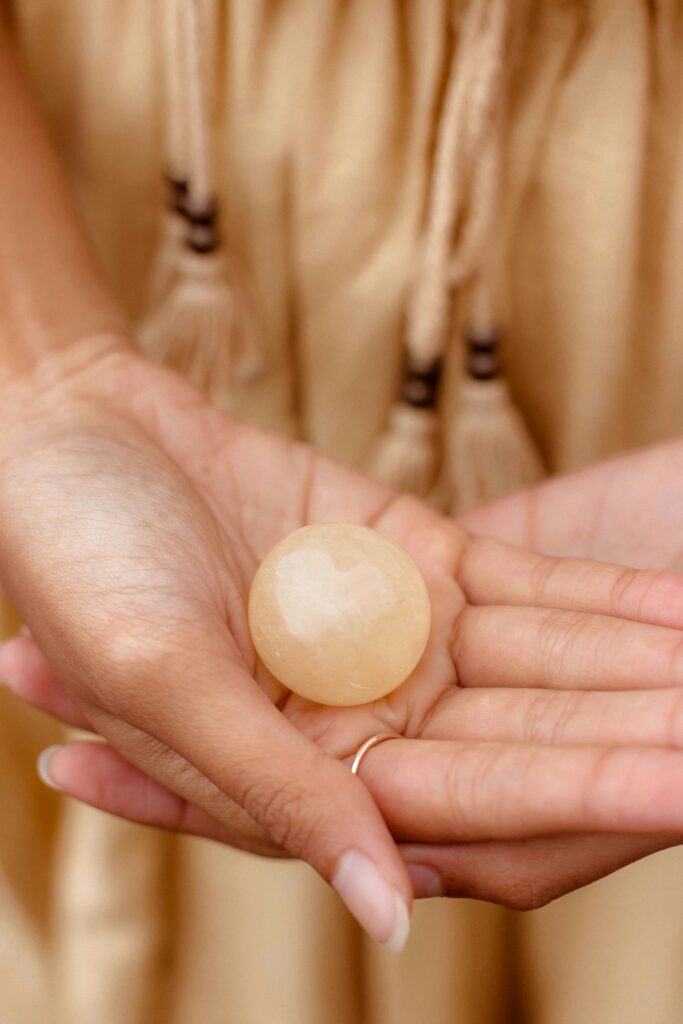
Crystal healing is a good example. There are ancient practices that honour certain stones, mountains, or sacred places. These sit inside animist or religious frameworks. Modern crystal healing, however, tends to map highly specific emotional qualities onto particular stones, often in fixed lists. These correspondences are usually recent, loosely agreed, and heavily influenced by marketing. The practice works symbolically. The client projects meaning into the stone. The ritual of choosing, placing, or wearing it can feel soothing and supportive, but it does not arise from a classical diagnostic or medical tradition.
Contemporary chakra balancing uses a seven-colour rainbow system that developed in the twentieth century. It is only loosely connected to the subtle-body maps of classical tantra. In many workshops, chakras are spoken of as simple emotional centres that can be aligned in a single session by someone laying hands on the body. This is a very different thing from a yogin spending years training in breath, mantra, posture, and visualisation as part of a disciplined path.
Reiki has roots in a Japanese system that was fairly contained in scope. Modern Western reiki, however, often merges that with chakras, spirit guides, psychic messages, and other additions. The practice can still be soothing and meaningful, yet much of what is now taught as reiki would look quite unfamiliar to its original founder.
There are also overtly modern inventions such as “quantum healing,” angel therapy, aura cleansing, Access Bars, and similar branded modalities. These may offer an impression of depth by drawing on scientific language or spiritual vocabulary. In reality, they often lack both a classical philosophical framework and a coherent medical theory.
In their most problematic forms, these therapies can be misleading, especially when they claim clinical healing effects despite there being no credible, peer-reviewed evidence for outcomes beyond general relaxation. It creates confusion when systems like acupuncture, with all their depth, clinical history, and scientific evidence base, are bundled in with other "alternative" therapies that lack a solid foundation and have no real evidential support.
Why people find them meaningful
Even when methods are recent or loosely constructed, they can still touch real human experience. Many people are starved of time, touch, attention, and shared ritual. To lie in a room filled with sound, or to be held in focused presence while someone speaks gently and uses symbolic language, can feel deeply nourishing. The body responds to slowing down. The nervous system settles. It is natural that people come away from such sessions feeling changed, sometimes profoundly.
The challenge is not that these experiences have no value. The challenge is that they are frequently presented as ancient, or as equal in depth to classical medicine. They are also sometimes offered by practitioners who have had very little training in how to work with trauma, boundaries, distinct physiological constitutions, or complex psychological material. This is where the lack of lineage and method begins to matter.
The Middle Ground: Hybrids and Reinterpretations

Between classical healing systems and fully modern New Age practices lies a broad middle ground. Many modalities draw inspiration from traditional ideas, yet alter them so much that they become something new. This is not always wrong. Cultures evolve, and healing practices adapt. The difficulty arises when it becomes hard to see where tradition ends and modern invention begins.
Systems with traditional roots and modern overlays
Reflexology is a useful example. There is evidence of foot massage and therapeutic touch in many older cultures. The detailed maps that assign every organ to a specific point on the sole, however, were developed in the twentieth century. Modern reflexology works with pressure, relaxation, and attention. It can be helpful. At the same time, it does not come from a long-standing medical lineage in the way that acupuncture or Ayurveda do.
Yoga is another case. Classical yoga was a path of practice that unified ethical training, meditation, breath work, and often renunciate or semi-renunciate lifestyles. Modern group yoga classes that focus on posture sequences, inspirational quotes, and playlists are a very recent expression. Many teachers are skilled and thoughtful – this is not intended as an indictment by any means, and asana-based yoga practice can often be a revelation in somatic practice for people, and a real boon for individual health and wellbeing – yet the gap between contemporary yoga culture and the original texts is significant and not always fully acknowledged or understood.
Elsewhere, there are forms of medical qigong in which practitioners claim to send or manipulate Qi externally. Some of these arise from Daoist or martial lineages. Others are blends of TCM terminology, Western psychology, and modern energy language. Similarly, neo-shamanic workshops may borrow elements of drumming, journeying, and animal symbolism, yet compress them into weekend trainings without the deep cultural container that originally held those practices.
The problem of decontextualisation
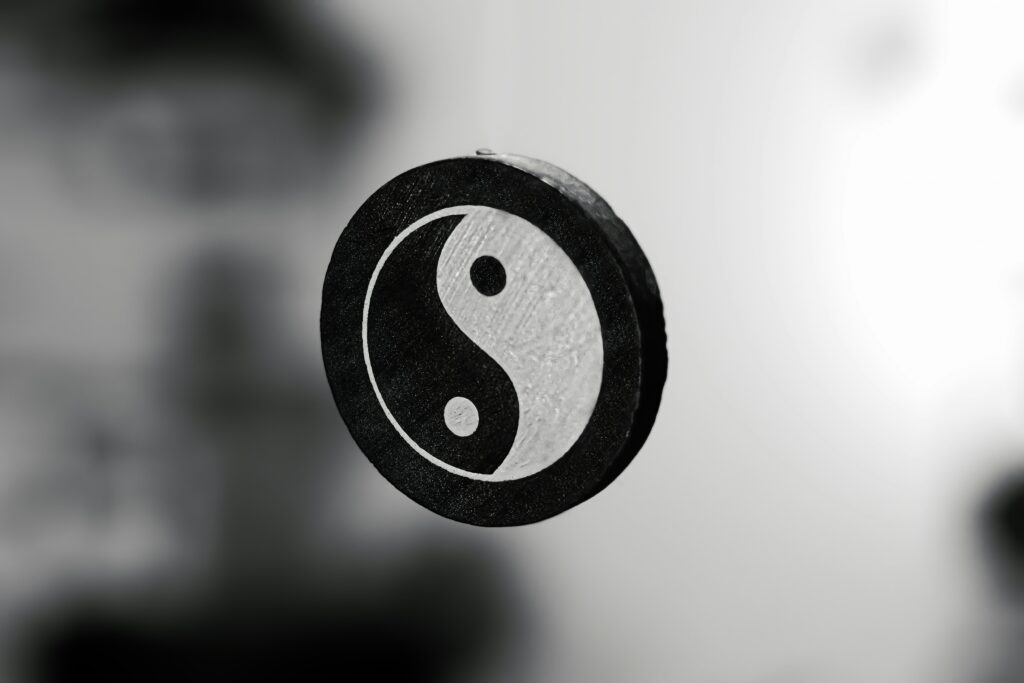
When ideas are transplanted away from their original context, they often lose some of their depth. A mantra in Sanskrit is not only a sound. It carries centuries of devotional and philosophical meaning. A Taiji diagram on a T-shirt is not the same thing as a Taiji diagram studied as a living expression of cosmology.
Many modern hybrid practices arise from sincere curiosity. People encounter fragments of different traditions and try to weave them together in ways that feel meaningful. The result can sometimes be sensitive and creative. It can also drift into a kind of collage in which important distinctions vanish and cultural roots are severed.
This matters because context is part of safety and part of depth. A practitioner who has been trained within a tradition has been shaped by its ethics, its view of mind and body, its understanding of risk and responsibility. A person who assembles their own method from books and workshops does not have that same support. They may still have good intentions, yet the structure around their work is different. Sometimes, this lack of depth and awareness of wider context or trauma-informed practices can lead to harmful outcomes.
The dangers of half-truths and soundbite wisdom
Modern fad culture often picks up fragments of traditional wisdom and applies them universally, devoid of nuance, relationality, or appropriate adjustment, and far removed from their original context and meaning. Practices and attitudes that are valuable in one context may be unhelpful, or even harmful, in another. Spiritual openness, for instance, is a quality widely regarded as universally laudable. But when we’re open to everything, and guarded against nothing, we make ourselves vulnerable to all kinds of spiritual threats. Not every spirit is benevolent.
Meditation is often presented as universally calming, yet this is not always the case. When introduced too quickly, without guidance, or in people with certain nervous system tendencies or trauma histories, it can become destabilising rather than supportive. Intensive meditation retreats in particular can worsen Shen disturbance or further deplete someone with severe Qi or blood deficiency. Similarly, intermittent fasting can be detrimental to deficient constitutions.
The internal climate of the individual matters. People with cold or damp presentations may find that cold water immersion (like wild swimming or ice baths) aggravates their symptoms, while someone with a heat pattern such as Liver fire or yin deficiency empty heat is better avoiding intense, tapas-building yogic techniques like bellows breath or skull-shining breath.
A personal evaluation with a clinician trained in energetic diagnosis can help determine whether these practices are suitable before building them into a regular routine. For a deeper dive into how traditions are fractured by modern simplifications, click here.
The Meaning-Response: Placebo and the Physiology of Ritual

Any time we talk about symbolic healing and ritual, the word “placebo” is never far away. It is often used as a way of dismissing therapies that sit outside mainstream medicine. In reality, placebo is more interesting and more complex than that.
Placebo as meaning, not deception
Placebo effects occur when expectation, trust, and context change how a person experiences symptoms. They involve real physiological shifts. Brain imaging shows altered activity in pain pathways when someone believes they are receiving effective treatment. Hormone and neurotransmitter levels can change. Immune markers respond over time to emotional climate and belief.
This means that every encounter with a healer carries a meaning-response. The way the room looks, the practitioner’s confidence, the ritual elements of the session, and the story that the patient tells themselves all shape how the body responds. Placebo in this sense is not an accusation. It is a reminder that humans are highly responsive to meaning.
At the same time, placebo does not fully explain what happens in established medical systems such as acupuncture. Over several decades, research has consistently shown that needling specific points produces physiological responses that exceed those seen in sham or minimal-needling controls. Studies suggest changes in connective tissue, modulation of inflammatory mediators, altered pain processing, and measurable effects in brain regions associated with sensory and emotional aspects of pain. Autonomic patterns can shift in ways that correspond with classical descriptions of regulation and balance. These findings indicate that acupuncture engages mechanisms beyond suggestion alone. Go here for a fuller exploration of the science behind acupuncture.
Why modern symbolic healing can feel powerful
Modern practices such as gong baths, breathwork circles, or guided visualisation can influence the nervous system in strong ways, even without a classical medical framework behind them. Sound at certain volumes and frequencies affects the vestibular system and body perception. Lying still in a darkened room with immersive sound and gentle facilitation can drop people out of everyday thinking into slower, more spacious states. Group synchrony, shared intention, and a sense of being held all alter stress physiology.
People often describe these sessions as profound. They may cry, remember forgotten experiences, feel waves of sensation, or enter states they call “spiritual”. This is entirely understandable. Humans are built to respond to rhythm, group ritual, and symbolic focus. Traditional cultures made careful use of these tools. Modern sound healers and facilitators are rediscovering them, sometimes skilfully, sometimes in a more improvised way.
Powerful experience and medical tradition
It is helpful to keep two ideas in view at the same time. Many symbolic or experiential practices can support wellbeing. They can help people feel less alone, less anxious, more connected, and more able to inhabit their bodies. These are real benefits.
Traditional medical systems, however, add another layer. In acupuncture, for example, the practitioner does not only provide a soothing environment and a sense of ritual. They also work with a diagnostic framework that differentiates patterns of imbalance. They choose points and techniques according to a body of knowledge that has been tested and refined across generations. Placebo and meaning effects still operate, as they do in all healing work, including modern biomedicine, yet they interact with specific physiological effects rather than replacing them. Understanding this distinction allows us to value the role of meaning and ritual without collapsing everything into placebo or treating all methods as if they were interchangeable.
Why This Distinction Matters for Acupuncture
For an acupuncturist, these distinctions are not only academic. They shape how patients, other clinicians, and wider society understand the work.
Protecting the integrity of classical medicine
When acupuncture is placed in the same conceptual basket as crystal healing, angel cards, or “quantum energy sessions,” its roots become invisible. Acupuncture begins to look like a technique that someone might adopt because they have a feeling of being intuitively drawn to mysterious energetic nodes, rather than a discipline that demands study, practice, and continuing reflection. Intuition is certainly a mark of a good acupuncturist, but it comes largely through development of these latter three qualities, rather than through some inherent magical ability or sixth sense.
Protecting the integrity of acupuncture is not about claiming superiority. It is about honesty and accuracy. Acupuncture belongs to a family of classical systems that include Ayurveda, Tibetan medicine, Kampo, and other lineage-based therapies. These systems carry a long memory. They are the result of humanity paying close attention to patterns in health and illness across many generations, and they deserve to be understood and respected on those terms.
Helping patients navigate the landscape
From the perspective of someone seeking help, the contemporary healing world can be overwhelming. There are methods rooted in long-standing traditions, modern psychotherapeutic approaches, and a wide range of New Age or hybrid practices. All of them may present themselves as “energy work,” “holistic healing,” or “alternative therapy.”
A more nuanced conversation can help people choose with greater clarity. Some may simply want a soothing, symbolic experience. Others may be looking for a structured medical approach that still respects meaning, ritual, and subjectivity. Some may benefit from a combination. Clear language about lineage, training, and method allows patients to understand what they are engaging with and to make choices that match their needs and expectations.
Returning acupuncture to its rightful context
Bringing acupuncture back into view as a classical medical discipline offers an opportunity to reconnect it with its deeper resources. This includes the full breadth of Chinese medical theory, the relationship between body and environment, the role of emotion, lifestyle, and meaning, and the rich interface between practice and philosophy. It also allows more honest dialogue with biomedicine and research, since acupuncture can be seen as a coherent clinical system rather than an arbitrary collection of techniques.
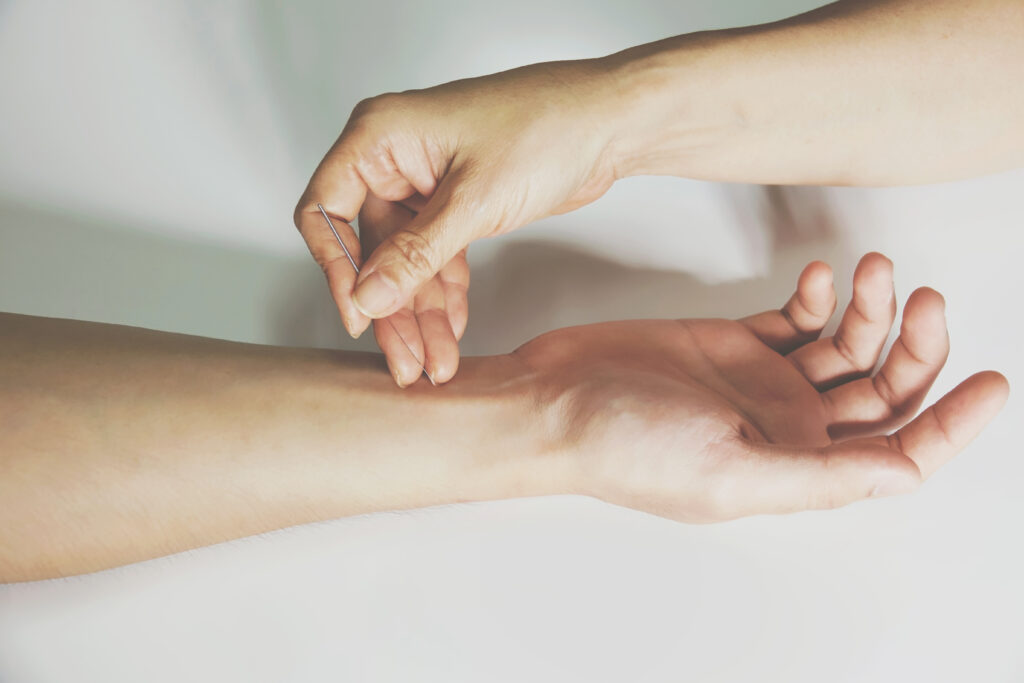
At the same time, acknowledging the value of ritual and symbolism prevents the discussion from becoming overly dry or mechanistic. One of the strengths of traditional medicine is its capacity to hold physiology and meaning in the same frame. A needle can affect connective tissue and nerve pathways. It can also participate in a ritual that signals safety, care, and transformation to the person on the couch. Both matter.
Clarity without Cynicism
We live in a time when ancient lineages and modern inventions sit side by side. Classical medical systems encounter psychotherapy, neuroscience, and global spiritual culture. Some people respond by dismissing anything outside biomedicine. Others embrace every new healing modality that appears. There is space for a different approach.
It is possible to respect the depth of traditional medicine, to recognise the seriousness and efficacy of lineages that have carried knowledge across centuries, and to acknowledge that many modern spiritual practices also give people something they are hungry for. It is also possible to be honest about differences. Systems that rest on thorough training, diagnostic structure, and philosophical coherence are not the same as methods that arise from individual intuition, intensive training weekends or short courses, and loosely assembled symbols.
For acupuncture, this clarity matters. It supports the profession in presenting itself truthfully as a disciplined, rooted, and evolving medical art. It helps patients understand that when they come for treatment, they are entering a conversation that stretches far beyond the present moment, into generations of observation and practice. It also invites a more mature public dialogue about healing, one that can honour both the body’s physiology and its profound responsiveness to meaning.
In a world where everything tends to be lumped together, careful distinctions are a form of respect. They respect the traditions that have carried healing across time. They respect the people seeking help. They respect the complexity of human beings who live, as all living things do, in continual participatory exchange with the wider field of nature and culture. Acupuncture, understood in its rightful context, belongs firmly within that long, thoughtful, and creative story.
Continue your journey into Chinese medicine and holistic healing:
- Explore cutting edge ideas on channel theory and the mechanisms of acupuncture.
- Understand how TCM diagnosis differs from a biomedical diagnosis.
- Reflect on the middle ground between traditional beliefs and evidence-based practice.
- Consider the tensions between modern individualism and lineage practices.
- Look at contemporary corruptions of traditional Daoism.
- Discover how acupuncturists determine needle dose.
- Or dive into the evidence base for acupuncture in treating back pain, and why it should be a first line intervention.