

The forgotten foundation
“Where do you stand…?”
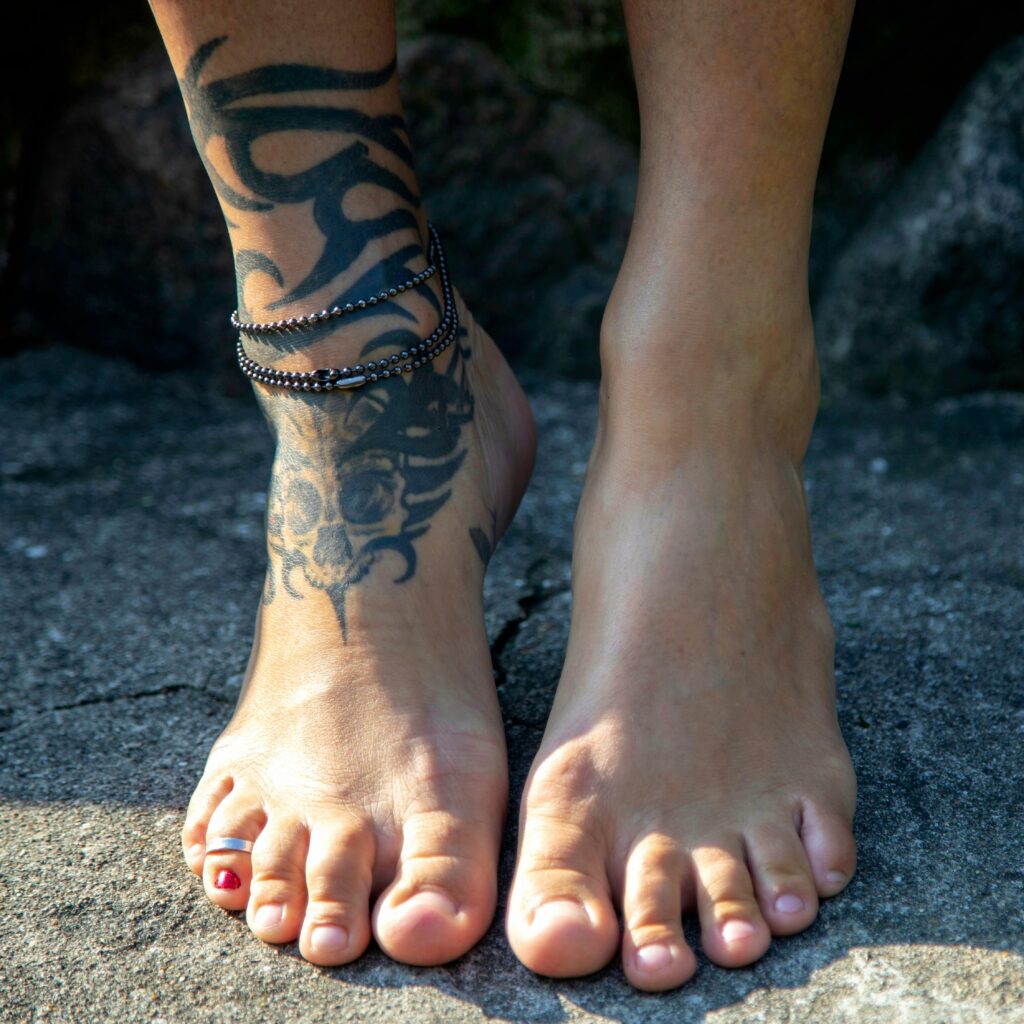
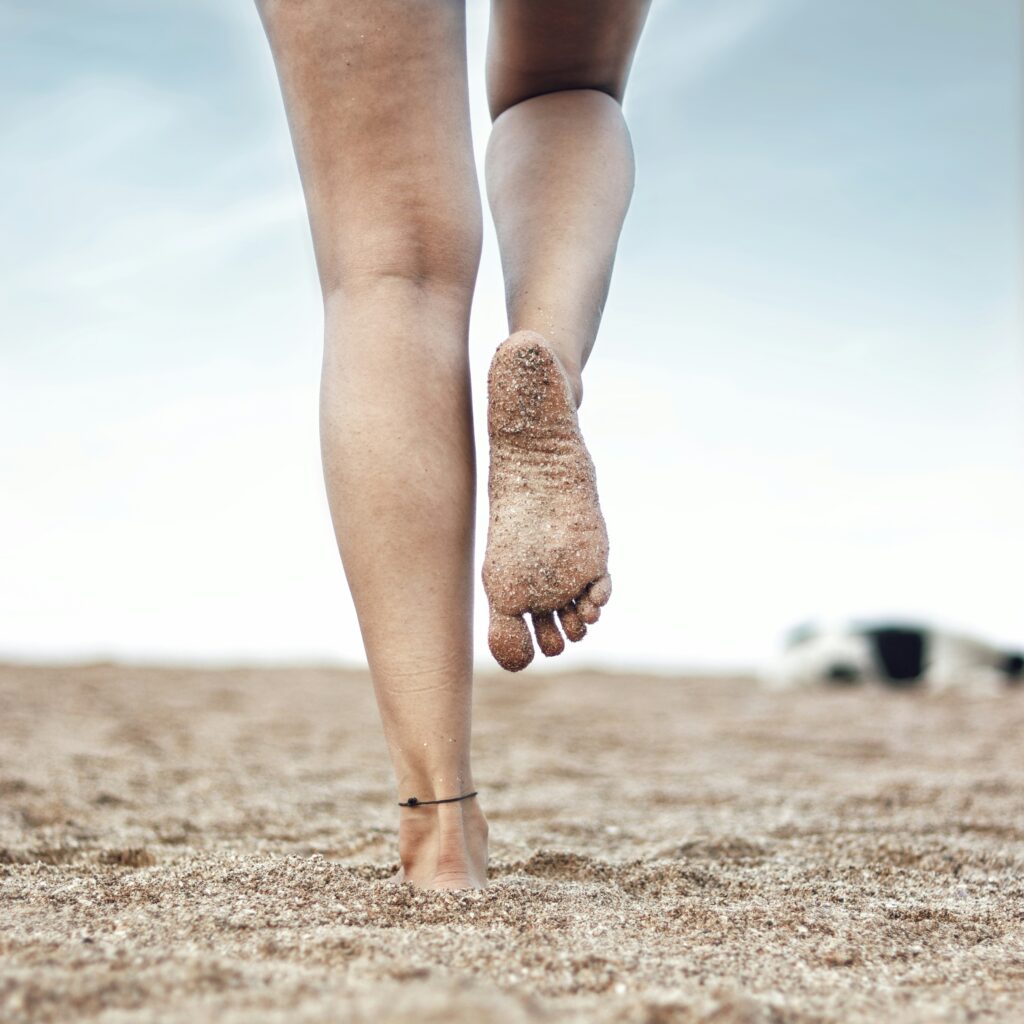
The feet are our primary interface with gravity and with the world beneath us. Every step we take represents a complex negotiation between balance, force, and sensory feedback. Yet for most people, this interface operates almost entirely outside conscious awareness. We stand, walk, and move without much sense of how weight passes through the soles of the feet, how pressure shifts from heel to forefoot, or how subtle changes in terrain alter the demands placed on the body. Foot health is integral to so many things, but our feet can be easily overlooked.
Modern footwear has played a role in this disconnection. Thick cushioning, rigid soles, and constant support reduce the need for the intrinsic muscles of the foot to work and dampen the sensory information travelling back to the nervous system. Over time, strength and adaptability diminish, and with them the quality of feedback that helps us coordinate movement. What feels comfortable in the short term gradually erodes sensitivity and control.
What we gain in luxury we lose in foot health. Where awareness fades, sound movement patterns can degrade, tension can accumulate, and problems can develop. One major aim of meditation practice is to become more conscious – to live with more awareness. Let’s start with our foundations. Let’s start with awareness in our feet.
Awareness declines, tension gathers
The feet hold a surprising amount of tension. This tension is rarely noticed because the sensory map of the feet has grown faint. What is not clearly felt is easily ignored.
The same pattern appears in the hands. We curl fingers, grip objects harder than necessary, or hold the hands in a guarded position for long periods. Practices that cultivate awareness in the extremities make this contrast obvious. In arts such as tai chi, baguazhang, and qigong, the hands are trained to remain open, responsive, and alive. Feelings of warmth and improved circulation and sensitivity are common experiences.
The feet respond in much the same way. When awareness returns, tension begins to release without force. The foot becomes responsive and adaptable rather than stiff and braced. This shift supports balance and coordination throughout the body.
Muddy maps: dead zones in the body

Somatic awareness refers to the capacity to sense what is happening within the body. It includes several related forms of perception. Interoception describes awareness of internal states such as breath, heart rate, or visceral sensation. Proprioception refers to the sense of joint position and movement. Kinaesthetic awareness integrates these inputs into a lived sense of movement and coordination.
These systems rely on accurate sensory maps within the nervous system. When parts of the body receive limited attention or feedback, those maps can become imprecise. Certain areas turn “muddy” in awareness, while others may feel almost absent. The feet are a common example.
This lack of clarity shows up clearly in movement teaching. When people are asked to notice whether their weight sits toward the front of the foot, the back of the foot, or the centre, many simply cannot tell. The information is present in the tissues, but the brain struggles to interpret it.
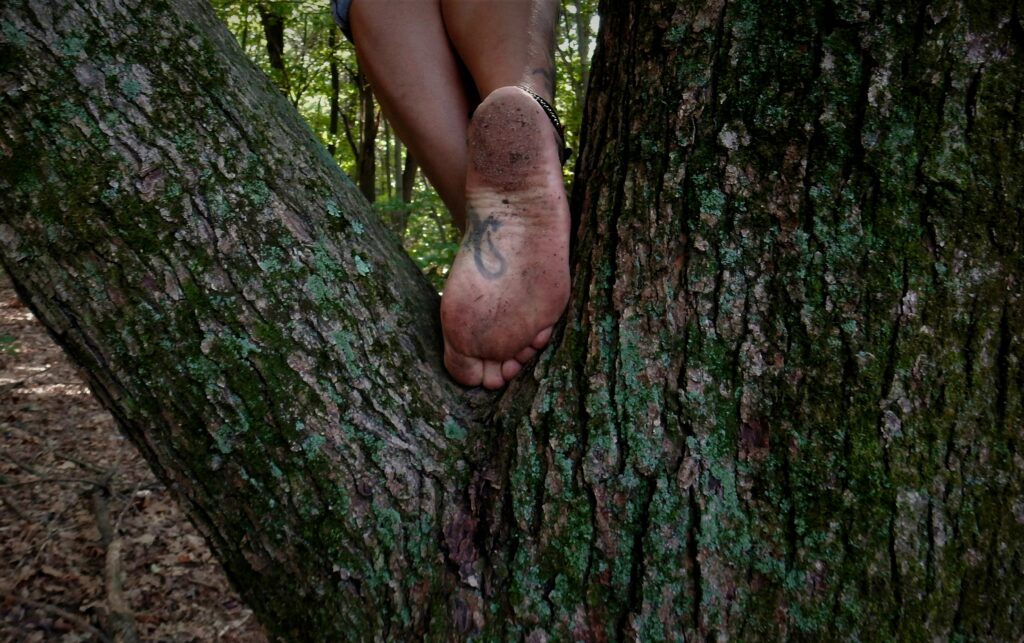
Activities that demand constant sensory adjustment can restore this clarity. Skiing on variable snow, running on uneven trails, or moving across irregular ground require continuous feedback from the feet. Climbing, dancing, skateboarding, surfing… activities such as these all train that crucial mind to foot connection. Over time, awareness sharpens. The body learns again to sense pressure, direction, and balance.
This process reveals how much information has been absent. Many people do not realise what they have been missing until the sensory map is drawn and integrated.
Stepping with intention: martial arts and conscious walking
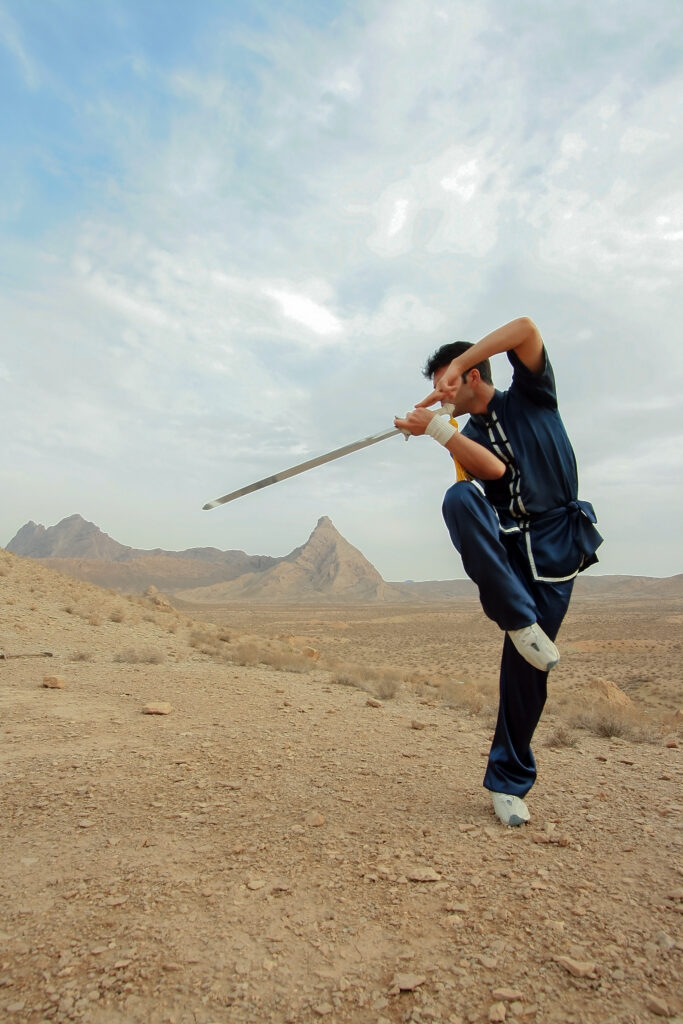
Traditional martial arts place great importance on how the foot meets the ground. Stepping methods are taught as sensory education rather than as choreography. In systems such as Shaolin, baguazhang, and xingyiquan, the way weight transfers through the foot determines balance, power, and responsiveness.
One clear example is the rooster step. This method requires the practitioner to place the foot with precision, maintain balance on one leg, and remain ready to change direction without delay. The emphasis lies on control and adaptability rather than forward momentum. Each step trains awareness of pressure through the sole, alignment through the ankle and knee, and connection through the pelvis.
This approach contrasts sharply with modern walking habits. Many people move by allowing their body weight to fall forward and then catching themselves with each step. While efficient on flat ground, this pattern relies heavily on momentum and offers little training for balance or adaptability. Stepping practices in martial arts reverse this tendency. They cultivate grounded stability alongside readiness, qualities that depend on clear sensory input from the feet.
Over time, this training develops strength and awareness together. The foot becomes capable of adjusting to uneven surfaces, sudden changes in direction, and shifts in load. These skills remain relevant well beyond martial contexts. They support everyday movement and reduce reliance on rigid patterns that strain joints and tissues.
From foot to spine: movement chains and living architecture
The body functions as a continuous chain from the sole of the foot to the top of the head. Movement at the foot influences the ankle, knee, hip, and spine in sequence. When grounding is poor, alignment upstream must compensate. These compensations can create excessive load in specific joints or tissues.
Plantar fasciitis provides a useful illustration. Pain at the sole of the foot may reflect local strain, yet it also relates to altered mechanics through the calf, knee, hip, and glutes. Persistent pain there also maintains protective muscle tone and altered gait through nervous system guarding. Treating the foot in isolation rarely addresses the issue fully. Restoring balanced load through the entire chain often proves more effective. Foot health isn’t just about the feet!
The spine deserves particular attention within this chain. Many people experience it as a rigid structure that bends forward and backward and twists, but does little else. This perception limits movement options. In reality, the spine supports undulation, rotation, lateral flexion, and subtle shifts between these actions. By feeling into a variety of spinal movements we can unlock a whole new vista of awareness within our bodies. And by enlivening our spines we can better distribute load and allow efficient transfer of force from the ground.
Yoga offers an accessible entry point into spinal awareness. Practices such as cat and cow explore flexion and extension with clarity and safety. They provide a foundation. Beyond this, exploring twisting, side bending, spinal waves, and fluid transitions restores the spine’s role as an adaptable, flexible structure rather than a fixed column. Gait patterns reflect this difference clearly. A rigid spine restricts arm swing and rotation, while a responsive spine supports ease and coordination in walking.
Balance, stacking, and yoga as a laboratory of awareness
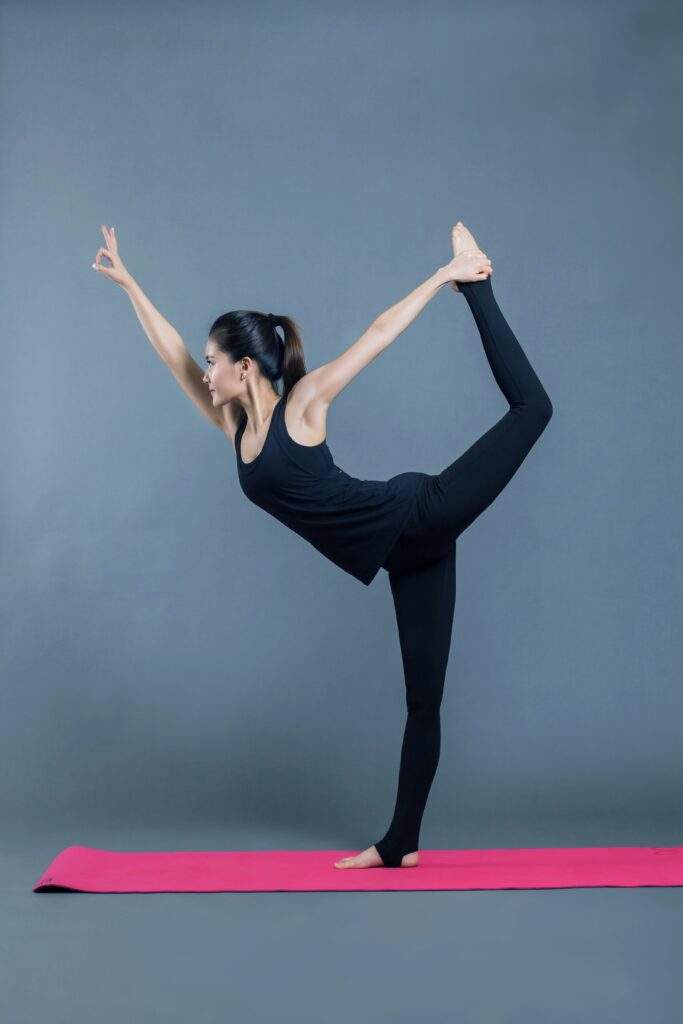
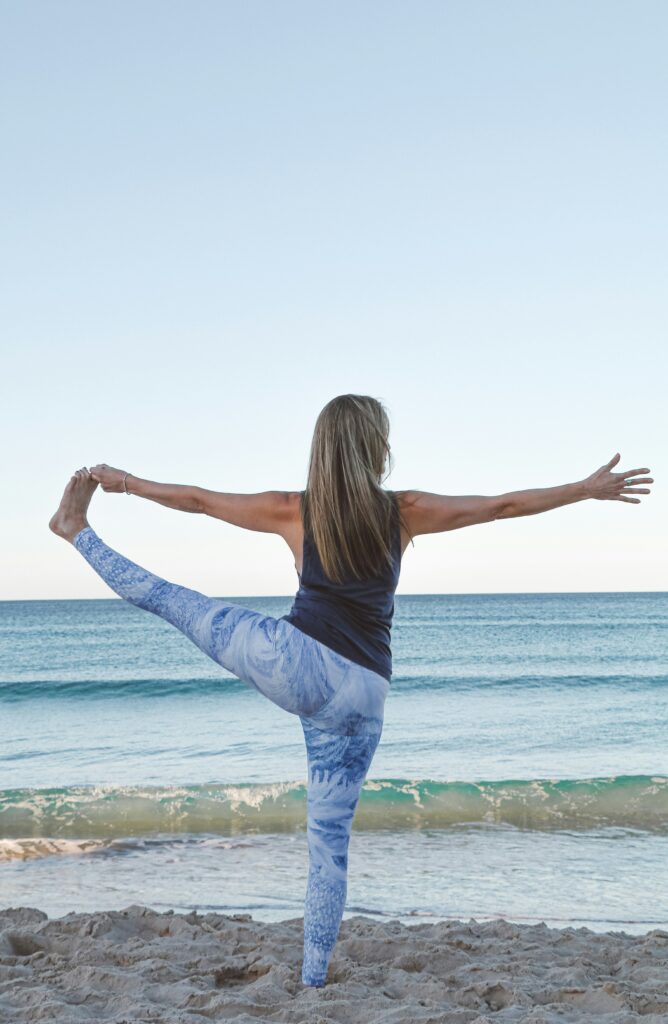
Balance depends less on strength than on accurate sensory information. Yoga provides a structured environment in which this information becomes clear. Standing postures reveal how weight distributes through the foot and how the body stacks above it.
When weight aligns efficiently over the foot, effort decreases, and excess tension can melt away. Muscles engage as needed rather than bracing continuously. Balance postures then become a source of feedback rather than a test of endurance. Small shifts in pressure signal natural adjustments through the ankle, hip, and spine.
This sensory clarity becomes increasingly important with age. Muscle power can be maintained to a degree, yet balance depends heavily on timely and accurate feedback from the feet. Preserving this feedback supports confidence in movement and reduces fall risk.
Why foot massage works so deeply
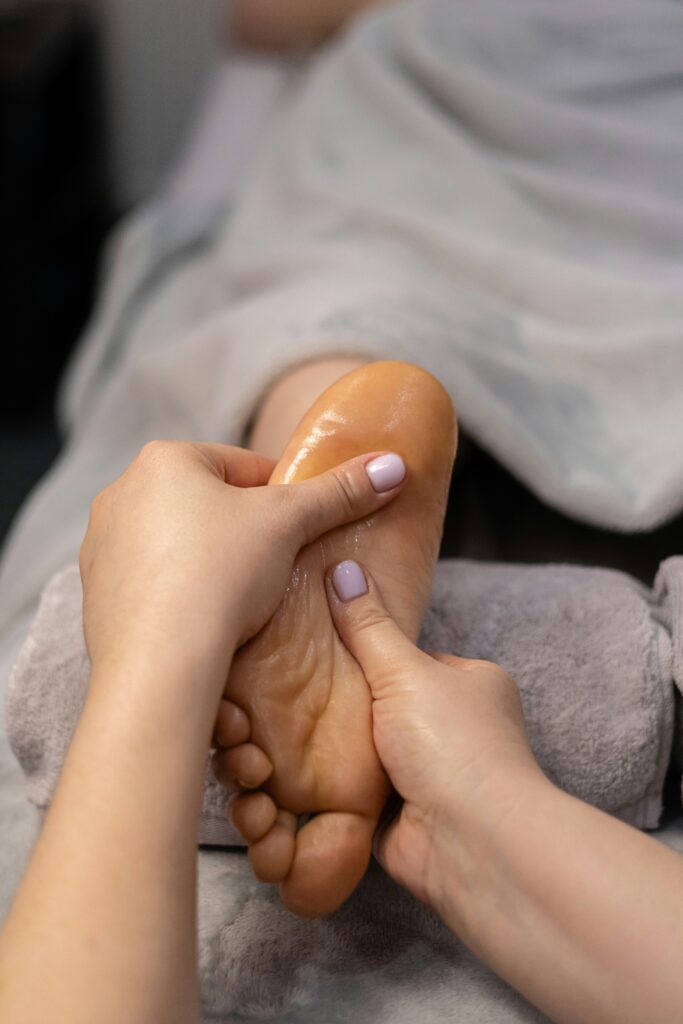
Foot massage produces effects that extend well beyond relaxation. Mechanical pressure improves tissue hydration and encourages fascial layers to glide more freely. Circulation increases locally, supporting metabolic exchange and tissue health.
Neurologically, the feet contain a dense concentration of sensory receptors. Stimulation of these receptors provides strong non-painful input to the nervous system. This input modulates pain signals and reduces excessive muscle tone through reflex pathways. As muscle tone normalises, movement becomes easier and less guarded.
Massage also sharpens the body map within the brain. Clear sensory input refines the nervous system’s representation of the foot. Improved mapping supports balance, coordination, and confidence in movement. The feet occupy high-priority sensory territory, so changes here influence whole-body organisation.
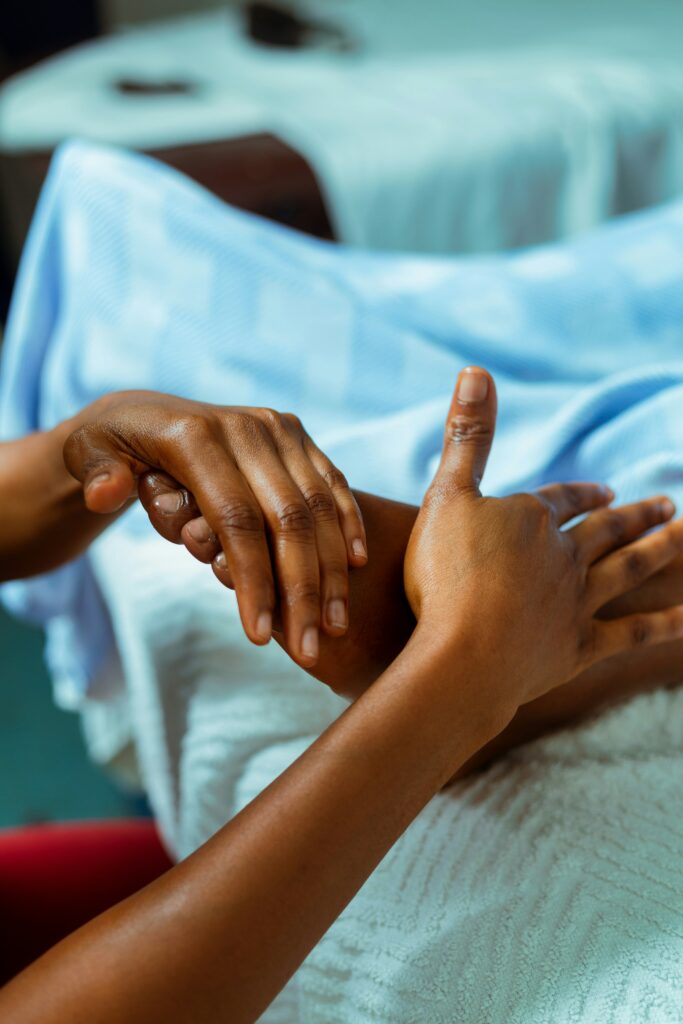
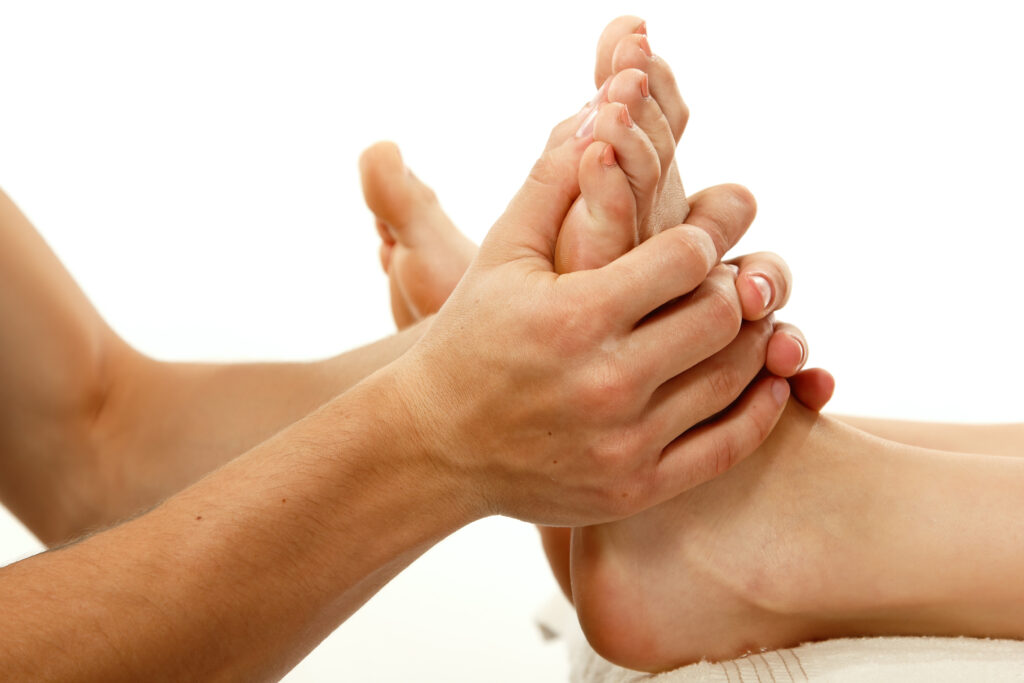
Different styles of massage approach the same area from different angles. Swedish work tends to emphasise broad circulation, rhythmic pressure, and tissue drainage. Deep tissue work and acupressure apply slower, more specific load to reduce stubborn tone and restore movement between layers. Tuina (Chinese massage) blends sustained pressure, kneading, rolling, and joint mobilisation in a way that can shift both local tissue quality and whole-body regulation.
Compression, squeezing, and mobilisation deserve explicit mention because they combine mechanical and neurological effects. Sustained compression changes how fluids move through tissue and alters local tone, while repeated squeezing and release provides strong sensory input. Mobilisation restores joint play, suppleness in connective tissue, and movement options, which feeds back into balance and coordination the next time the foot meets the ground.
Although the techniques differ, the shared outcomes remain consistent: improved awareness, improved circulation, and better regulation of the nervous system. The immediate experience varies by style and by person, yet the direction of change tends to converge on the same essentials, namely clearer sensation, less bracing, and more adaptable movement.
The sensory homunculus and nervous system recalibration
The sensory homunculus is a visual model that represents how much brain area is devoted to sensation from different body regions. Hands, feet, lips, and genitals occupy a disproportionately large space. This distribution reflects their importance of these areas for interaction with the environment.
Stimulating the feet therefore has widespread effects. Rather than targeting a single symptom, it recalibrates sensory processing more broadly. Clearer input allows the nervous system to coordinate movement with greater accuracy. Balance improves because the system receives reliable information about pressure and position.
This recalibration does not rely on intensity so much as on clarity and consistency of input. Even simple stimulation can restore awareness that had faded through disuse or protection.
Massage, mindfulness, and stepping out of chronic stress
Massage creates conditions similar to breath-based meditation. Attention shifts away from narrative thought and toward direct sensation. Obligations, plans, and concerns recede as awareness settles into the body. It is a form of mindfulness; a gateway into the present moment of felt sensation.
Physiologically, this shift reduces sympathetic nervous system activity and supports parasympathetic function. Vagal activity increases, promoting regulation across multiple systems. Digestion improves as blood flow redistributes. Sleep quality improves as arousal decreases. Energy regulation stabilises as the body exits persistent stress states. The benefits are myriad and profound, reaching far beyond foot health alone – everything from cell repair to respiration to a sense of vitality and even healthier personal relationships!
This process carries internal psychological significance, too. Grounding sensation provides a sense of safety rooted in physical presence. The body becomes a stable reference point rather than a source of tension or a forgotten adjunct to the mind.
Our awareness becomes diffused throughout the body, rather than the body being a numb thing that “carries around” the mind that we often perceive to be located “in our heads”. The brain is not isolated in our skulls. It connects throughout our bodies via the central and peripheral nervous systems, through our senses and out into the world around us. We are not so much walking minds, as minds that walk.
Perspectives on foot health from bodywork and Chinese medicine
Traditional Chinese medicine views the body as having an integrated network of channels that support movement, nourishment, and regulation. These channels describe functional relationships rather than anatomical structures. Several begin or end at the feet, reflecting their foundational role.
The Kidney channel, for example, relates to stability and foundational support. A commonly used point is Yǒngquán “Bubbling Well” (Kidney 1), located on the sole. This point connects awareness downward and supports grounding. From a physiological perspective, stimulation here engages dense sensory tissue at the foot’s contact point with the ground.
The Liver channel relates to smooth movement and adaptability. Tài chōng “Great Rushing” (Liver 3) lies on the dorsum of the foot and influences coordination through the lower limb. Its effects align with the idea of reducing excessive tension and improving movement flow. fMRI studies have shown significant modulation of brain activity when this specific point is stimulated.
Traditional texts also describe relationships between the feet and more distant regions. Zúlínqì “Foot Governor of Tears” (Gallbladder 41), when paired with Wàiguān “Outer Pass” (San Jiao 5), is classically said to influence the waist girdle through the Dai Mai, or belt channel. This reflects an early understanding of how the feet relate to the trunk through connective pathways.
Modern anatomy recognises similar relationships through fascial continuities. The correspondence is close rather than exact, yet the functional insight remains valuable and demonstrates the depth of understanding early practitioners of traditional medicine had, even two thousand years ago and more.
Cold and damp feature prominently in Chinese medical descriptions, too. Chinese medicine warns us (along with our grandmothers!) to guard against allowing cold or damp to enter the channels through the feet. In everyday terms, prolonged exposure to cold or wet conditions reduces circulation, stiffens tissues, compromises joints, and dulls sensation. These changes impair feedback, increase tension, and impinge mobility. Sensible adaptation to environment supports both comfort and function.
In clinical practice, acupuncture on the feet uses the same sensory pathways as acupressure and massage, with the addition of sustained, precise stimulation that can influence both local tissue tone and wider nervous system regulation.
Simple practices with big effects
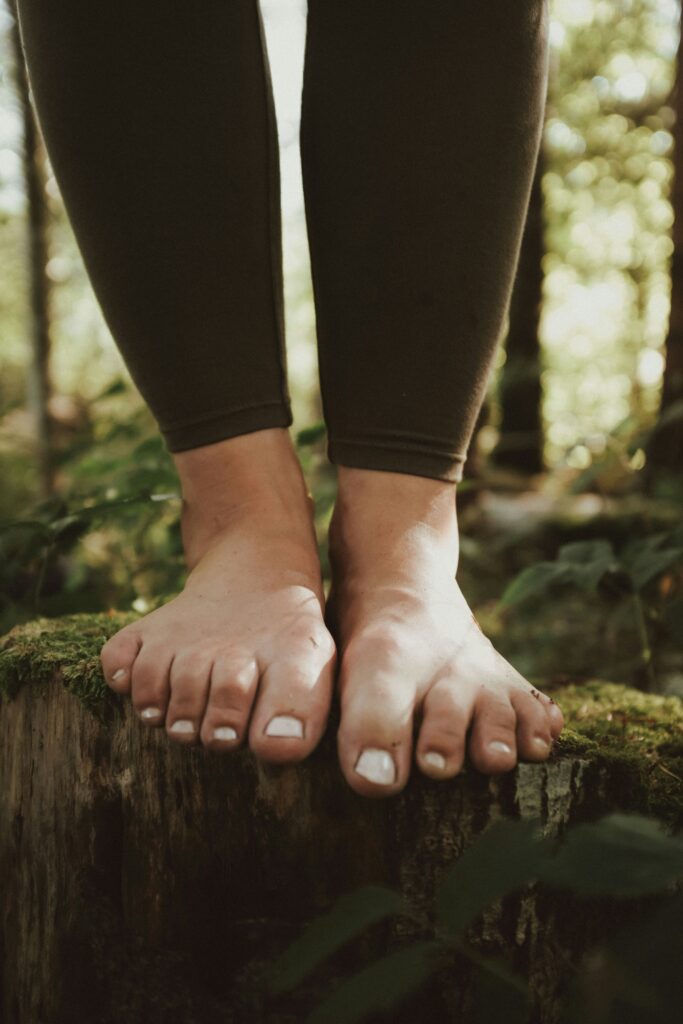
Restoring foot awareness does not require complex routines. Simple, consistent practices provide strong sensory input and encourage tissue health.
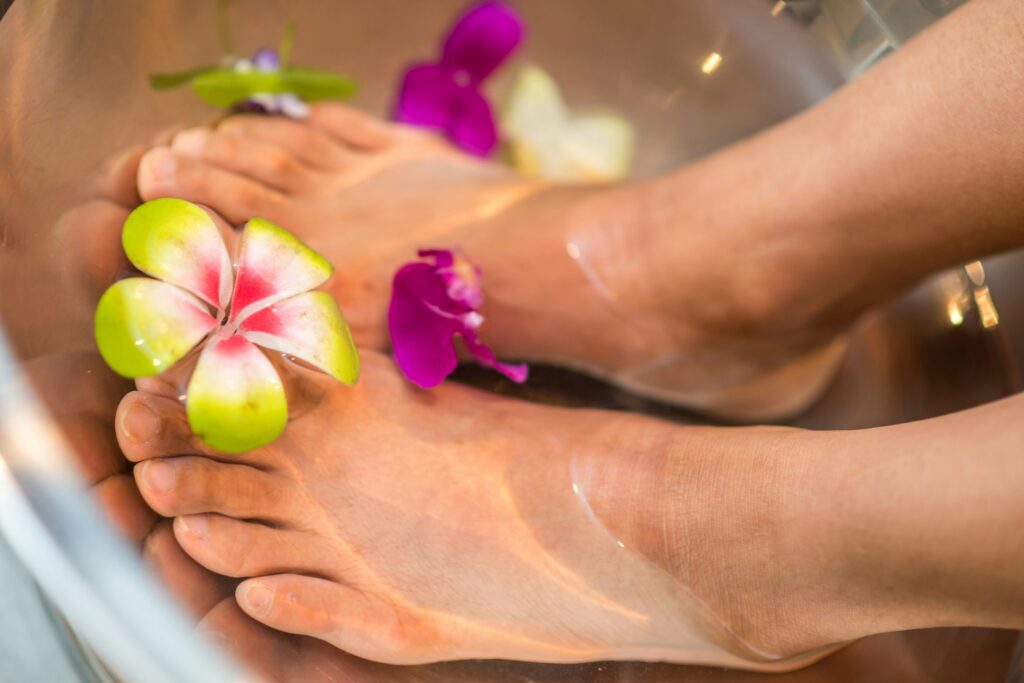
Hot salt foot baths combine warmth and osmotic draw. Heat increases local circulation and softens connective tissue, while salt supports fluid exchange at the skin. Together they restore sensation in feet that feel cold, numb, or stiff, particularly after long periods in enclosed footwear.
Self-massage encourages direct engagement with sensation. Using the hands to explore the sole, heel, and toes improves tissue mobility and sharpens awareness and connection with our own bodies.
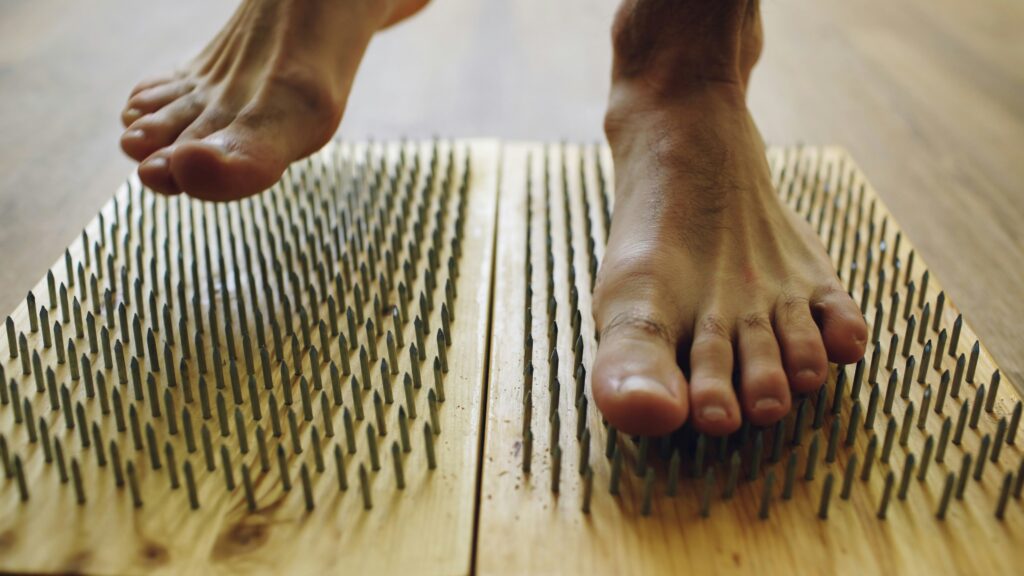
Massage balls and textured balls extend this effect by stimulating a wider range of sensory receptors. Rolling the foot slowly across these surfaces recalibrates feedback and improves tolerance to pressure. You don’t have to walk on a bed of nails, but a spiky ball used carefully can do wonders for the feet!
Simple strength and balance work reinforces these gains. Heel raises strengthen the calf and intrinsic foot muscles that support the arch. Slow balance drills refine proprioception and reveal habitual loading patterns. Mindful stepping trains smooth weight transfer and reinforces coordination through the whole lower limb.
General foot care also plays a role. Maintaining skin health, nail care, and comfort supports sensation and reduces protective tension. These practices function as maintenance rather than indulgence, preserving the interface through which balance and movement depend. Oh, and if they’re indulgent too, well there’s nothing wrong with that!
Foot health, ageing and balance
Ageing brings changes to sensory processing. Nerve conduction slows and background neural noise increases. Sensory signals become less precise, which affects balance and coordination. Muscle strength matters, yet balance relies more heavily on timely and accurate feedback from the feet.
As this feedback degrades, falls become more likely and the consequences potentially more severe in terms of severity of injury, speed of recovery, medical complications, and the impact on confidence and mental health. Addressing foot awareness supports preventative care by preserving sensory clarity. Training awareness improves reaction time and confidence in movement. The brain and foot might seem distant anatomical cousins, but in this sense foot health can actually contribute to mental health.
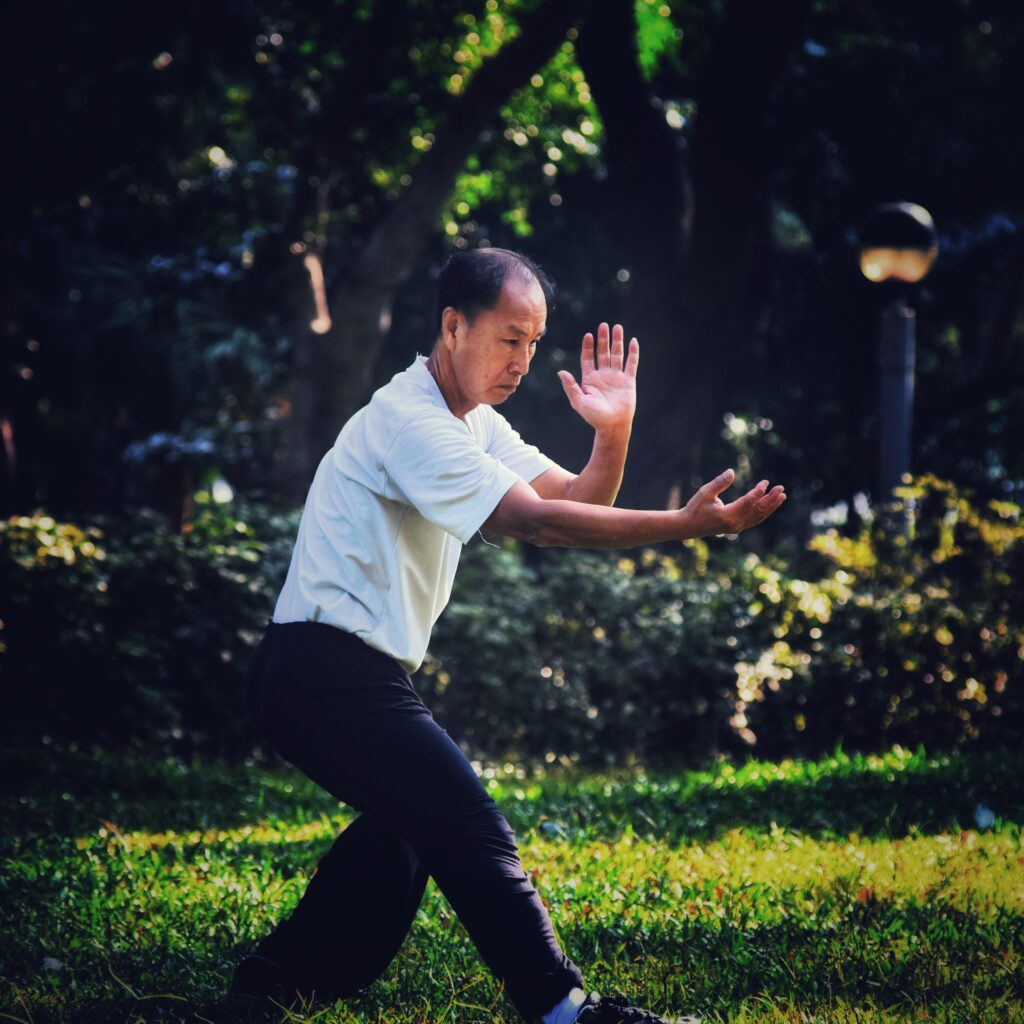
Many studies have been done showing tai chi to be highly beneficial for reducing fall risk and maintaining mobility and balance into old age. Clear sensory input and slow, mindful movements allow the nervous system to adapt to changes in strength and flexibility and retain its capacity for balance and control. This adaptability supports continued engagement in daily activity and reduces the risk of withdrawal from movement due to fear or discomfort. Simply put, if you don’t use it… you lose it.
Here is a link to a 2023 systematic review and meta-analysis of the research on tai chi for fall prevention and balance improvement in older adults, published in Frontiers (vol. 11), which found the practice to be an effective means of reducing fall risk in both healthy and high-risk individuals.
Coming back to where we stand
The feet provide both literal and symbolic grounding. They connect us to our environment, and to the sensory information that supports coordinated movement. When attention returns to this foundation, excess tension dissipates and movement regains ease, fluidity, and confidence.
Small acts of awareness restore connections that modern habits have diminished. Feeling how our weight meets the ground, how pressure shifts, and how the body stacks above the foot reintroduces clarity and awareness into movement. Foot health resonates into many aspects of our lives.
Returning attention to the feet brings the body back into the present moment. Standing, walking, and running become a conscious experience rather than a dull habit; activities to provoke curiosity, exploration, and enjoyment. From this ground, movement proceeds with balance, softness, and control, supported by a nervous system that knows where it is and how it moves.
Paying attention to where you stand, and how you stand, might be more important than you think.
Enjoyed this article on foot health and Chinese medicine? Read on...
- What is Qi?
- How does acupuncture work?
- What is Chinese massage?
- How does TCM diagnose illness?
- Do acupuncture, massage and qigong support lymphatic health?
- Can acupuncture help with anxiety?
- Why am I so tired all the time?
- Why do I get so irritable?
- Is acupuncture really "alternative"?
- Is wild swimming good for me?
- Will acupuncture help my chronic pain?
- Does acupressure relieve migraine?
Looking for a qualified and regulated acupuncturist in your area of the UK? Find acupuncturists near you at the British Acupuncture Council's website.
Follow these links to NHS guidance on foot health and pain:
Thanks for reading!