

A Chinese medicine perspective on different anxiety patterns

Anxiety is a broad label. It gathers many different internal experiences under a single word. One person’s anxiety may centre on racing thoughts and sleeplessness. Another may feel it as chest tightness, digestive upset, or a constant sense of being on edge. Both are described as “anxiety”, yet the underlying patterns are not the same.
Chinese medicine avoids hanging the “anxiety” label around people’s necks altogether. Of course, it acknowledges anxiety, but holds that anxious symptoms are signs that point to an underlying pattern within the body, rather than the often less than helpful diagnosis of: “You have anxiety.” After all, the person seeking treatment knows that already. What they need is not a label to identify with – or worse, define themselves by – but an explanation of their condition and actionable strategies for recovery.
Medications: misleading mask or meaningful change?
Prescription pharmaceuticals for treating anxiety can be literally life-saving. But, whilst medications can be of great help to certain people with acute symptoms, so long as dosages are reviewed regularly and the medications themselves do not become a crutch, the uncomfortable reality is that they are massively over-prescribed. Unfortunately, all too often people are sent away clutching a bottle of pills that only serves to mask the problem, when lifestyle changes and complementary therapies would likely be a better choice.
There are a number of reasons for this, including time-pressured practitioners, the scope of training of GPs, friction or nervousness around departing from the standard pharmaceutical model, and the expectations of the patients themselves. Often a "quick fix" in the form of a pill feels like a more attractive option than addressing the underlying causes or making substantial changes to your life. A familiar misery can feel more comfortable than an uncertain unknown, even if that unknown carries potential for genuine recovery and renewal.
But while there are some promising indications that alternatives are increasingly being considered, we are a long way from a sea change, and meanwhile far too many people are being consigned to years of dependence on medications, many of which come with serious side effects. Is this really the best our modern healthcare system has to offer?

A more optimistic alternative
Consider for a moment the consequences for an already anxious individual to be told that they have "anxiety disorder"; to be told there is something "wrong with them". Consider the downstream effects in terms of their self-image, confidence, life choices, their ability to trust in their own capacity to change, and even the impact on their already strained nervous system – potentially reinforcing stress responses and perpetuating cycles of tension. In this way, the diagnosis becomes a self-fulfilling prophecy, and the person can feel that their only solution is to continue to mask the problem with drugs... which, of course, is no solution at all.
Treating anxiety as an emergent signpost, rather than a clinical disorder in itself, might be a more useful approach. Anxiety isn’t something we have as such, but a collection of symptoms that emerge from a set of identifiable (and often very resolvable) conditions. This matches the reality of felt experience far better, too. After all, anxiety is a feeling, not a personality trait. And feelings, no matter how entrenched, are mutable. They are phenomena that pass through us; they do not define us.
Rather than treating anxiety as a single condition, Chinese medicine looks at how the body is responding to strain, pressure, or prolonged stress. It asks where regulation is breaking down, which systems are under-resourced, and how different patterns interact over time. Anxiety, in this view, is rarely an indication that something is fundamentally wrong. It more commonly reflects a system that has been stretched beyond its current capacity and has lost some of its ability to settle, recover, and reset.
This article offers a way of making sense of those differences. It is intended for insight and orientation, not diagnosis. Many people will recognise themselves in more than one section, and that is expected. Patterns overlap and shift as circumstances change.

How to use this article
Read on with curiosity rather than with the aim of definitively categorising yourself. You are not meant to identify a single type and stop there. Anxiety patterns tend to feed into one another. Prolonged tension can drain physical reserves. Poor sleep can heighten emotional reactivity. Digestive disruption can amplify worry and bodily alarm.
The purpose here is to notice tendencies. Doing so can reduce self-blame and make it clearer why certain approaches help while others fall flat. It also explains why two people with similar symptoms may need very different kinds of support.
Making sense of Chinese medicine language
Chinese medicine uses terms that can sound unfamiliar or misleading when taken at face value. Before exploring the patterns themselves, it helps to clarify what some of these words mean in practice.
Contrary to some views, Chinese medicine diagnosis is highly pragmatic and grounded in observation, palpation, and questioning. It does not rely on belief or invisible “energy flows”. The language can feel poetic in translation, and this can be a strength as human beings relate well to metaphor, but in truth the jargon of traditional medicine can generally be converted to our modern understanding of physiology quite seamlessly.
The Heart
In Chinese medicine, the Heart refers to more than the physical organ that pumps blood. It describes a set of functions related to emotional steadiness, sleep quality, mental clarity, and the capacity to feel settled. When these functions are strained, anxiety, poor sleep, and restlessness tend to follow.
Importantly, terms such as “Heart Qi deficiency” do not describe heart disease or imply cardiac risk. They refer to a functional state, not a structural diagnosis.
The Spleen
In Chinese medicine, the Spleen relates to digestion, energy production, and mental steadiness. It describes how effectively the body extracts nourishment from food and converts it into usable energy. When Spleen function is strained, people may experience fatigue, bloating, loose stools, and a tendency toward worry or rumination, as the system struggles to provide stable energy and support clear, settled thinking.
If you would like a fuller exploration of the Spleen and what happens when it's out of balance, read this article next.
The Liver
The Liver, in this context, is associated with regulation and adaptability. It plays a role in how the body processes emotional pressure, distributes tension, and adjusts to changing demands. When this system becomes constrained, stress is held rather than released. Anxiety linked to frustration, irritability, or a sense of internal pressure often reflects this pattern.
This piece looks in greater depth at the Liver and its tendency towards stagnation.
The Kidneys
In Chinese medicine, the Kidneys refer to foundational resilience. They are associated with long-term reserves, stress tolerance, recovery capacity, and the ability to feel steady under pressure. Kidney patterns show up in anxiety when the system struggles to “anchor” and settle. People may experience early waking, fearfulness, a sense of inner unsteadiness, or fluctuations between being wired and exhausted.
A Kidney disharmony does not mean there is kidney disease. It is a functional description of how the body is coping.

Qi
Qi is notoriously difficult to translate, and it means different things in different contexts. While “vital energy” can be a good broad translation, this isn’t meant in the sense of an invisible or supernatural energetic force.
In Chinese medicine, Qi can be understood as functional activity, efficiency, and regulation. It includes nerve signalling, circulation, metabolic responsiveness, and the coordinated movement that allows the body to adapt smoothly. When Qi “moves freely”, systems adjust without friction. When movement becomes “constrained” or “stagnant”, pressure builds.
For a deeper dive into the meaning of Qi, go here.
Blood
Blood in Chinese medicine includes the physical substance of blood, but the term is also used to describe nourishment of tissues and the capacity to provide stability. It is also thought to house the Shen, or Spirit. This means that when Blood is insufficient, the mind can feel less held. People may notice light sleep, vivid dreams, palpitations with fatigue, poor concentration, dryness, and increased sensitivity to stress.
When the article refers to “Heart Blood deficiency”, it is describing this stabilising, nourishing aspect rather than a cardiovascular diagnosis.
Yin and Yang
Yin and Yang describe complementary aspects of regulation.
Yin relates to cooling, moistening, density, rest, and the ability to settle. When Yin is depleted, anxiety tends to feel restless and sleep becomes disturbed. Heat sensations, night sweats, dryness, and a racing mind can appear.
Yang relates to warmth, drive, movement, and active function. When Yang is depleted, anxiety tends to come with fatigue, coldness, and a sense of reduced inner support. People may feel drained, cautious, and less able to cope, particularly in the morning or in cold weather.
These terms describe functional balance, not mystical forces. They are also relative terms, not absolutes. Blood is Yin compared to Qi, but Yang compared to denser structures like soft tissue or bone.
Deficiency and excess
Deficiency describes reduced reserves or diminished recovery capacity. Excess, by contrast, describes an accumulation or overload. Stagnation, sometimes called constraint, is an expression of excess that relates to immobilising pressure without adequate release. As that pressure builds, Heat builds with it.
Long-standing stagnation can lead to deficiency, and deficiency can make stagnation harder to resolve.
Heat
Heat in Chinese medicine refers to a state of increased agitation and arousal. It can be felt as restlessness, irritability, disturbed sleep, thirst, or literal heat. Heat can arise as an excess pattern, but it can also arise from Yin depletion, where the body lacks the resources that normally cool and contain activity.
Fire describes a more intense form of Heat, where agitation becomes difficult to contain and begins to seriously disrupt sleep, mood, or mental clarity, causing intense agitation or outbursts.
Phlegm
Phlegm in Chinese medicine does not refer only to mucus. It describes states of clouding or obstruction, such as heaviness, fogginess, dizziness, chest oppression, or nausea. Phlegm is understood to arise when fluids are not properly transformed and moved, usually due to strain on digestion and regulation, and it can accumulate over time through prolonged dampness, stagnation, or the combination of Heat and Damp with impaired movement.
In anxiety presentations, Phlegm often shows up emotionally and psychologically as confusion, panic sensations, or a feeling that signals are misfiring.
Two useful descriptive terms
Some classical descriptions capture lived experience particularly well.
“Plum pit Qi” describes a sensation of tightness or obstruction in the throat or upper chest, as though something is stuck and cannot be cleared by swallowing. This commonly accompanies stress, breath restriction, and tension around the diaphragm and neck. It is most frequently associated with stagnation of Liver Qi.
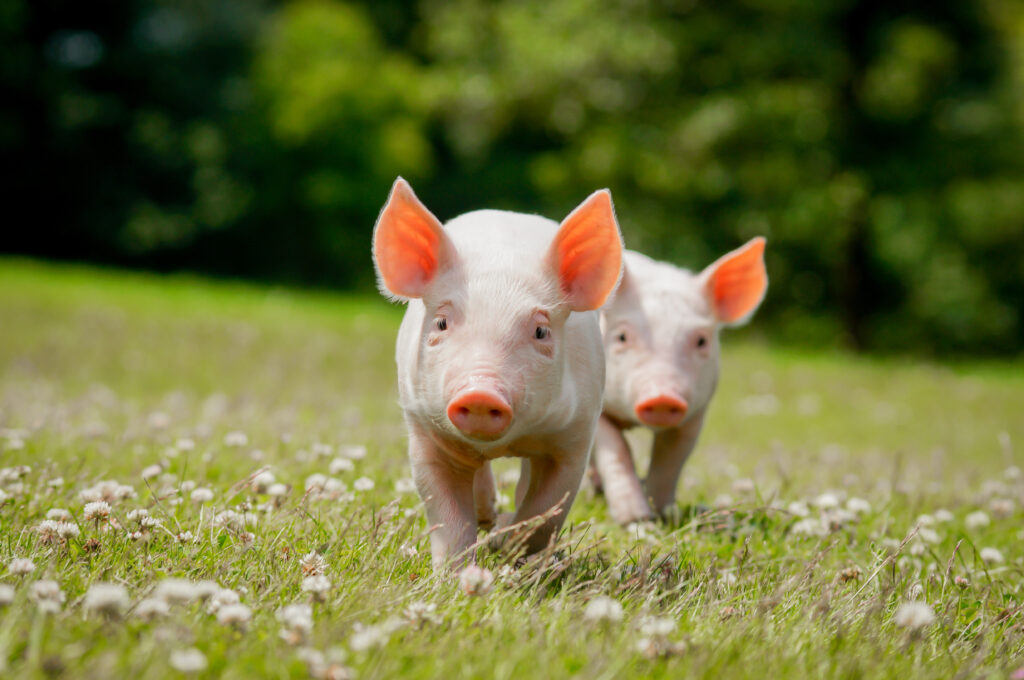
“Running piglet Qi” refers to sudden surging sensations that rise upward through the body. These can include palpitations, heat, nausea, shaking, or panic-like waves. From a physiological perspective, this maps onto abrupt threat responses and autonomic surges. This is typically described in Chinese Medicine as a deficiency in Heart Fire allowing the Kidney Water to flood and surge upwards, creating a sense of the Heart being drowned in a rising tide – a colourful metaphor for what we might simply call a “panic attack”.
The anxiety groups
What follows are broad groupings rather than fixed categories. They describe different ways anxiety tends to manifest when particular systems are under strain. As noted above, you may find several groupings overlap in portraying your particular presentation. This is intended to provide insight into how Chinese medicine describes anxiety rather than a tool for self-diagnosis.
1. The fragile or depleted anxious
These patterns show themselves when anxiety worsens with tiredness, illness, or prolonged effort. People often report that they cope reasonably well until their energy dips, at which point worry, palpitations, or emotional sensitivity surface quickly.
In Chinese medicine, this group includes patterns such as Heart Blood deficiency, Heart Qi deficiency, Spleen Qi deficiency with Heart involvement, and Kidney Qi deficiency. Although the names differ, they share a common theme: insufficient reserves to maintain emotional steadiness under load.
Typical experiences include light or broken sleep, anxiety that appears late in the day, palpitations with fatigue, and a sense of being easily overwhelmed. The tongue may appear pale, sometimes with a slightly swollen appearance if poor digestion and fluid transformation are involved. These observations point toward reduced recovery capacity rather than excess stimulation.
From a physiological perspective, this pattern aligns with autonomic fatigue and reduced stress buffering. When recovery systems are underpowered, even modest demands can feel unmanageable.
In practice, treatment focuses on supporting restoration rather than forcing relaxation. An acupuncture point commonly used in this context is Tàixī “Supreme Stream” (Kidney 3). This point is associated with supporting foundational reserves and stabilising stress responses. Its use reflects the aim of strengthening capacity so that anxiety has less opportunity to take hold.
Warm, nourishing food choices can also make a substantial difference here.

2. The wired, restless, overstimulated anxious
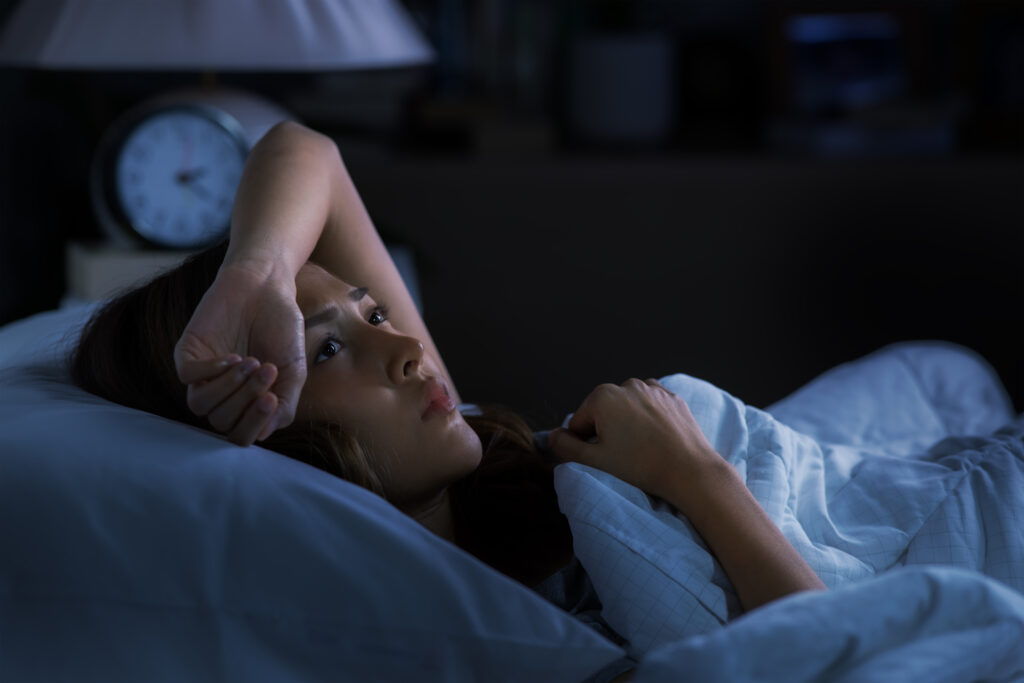
These patterns describe anxiety that feels agitated rather than fragile. People commonly report difficulty switching off, especially at night. Sleep may be light or broken, with a sense of internal restlessness that persists even when the body is tired. Heat sensations, night sweats, or a racing mind may be present.
In Chinese medicine, this group includes patterns such as Heart Yin deficiency, Heart and Kidney Yin deficiency, and Heart Fire arising from Yin deficiency. To understand these terms, it helps to clarify what Yin represents. Yin refers to the body’s cooling, moistening, and stabilising resources. It supports rest, sleep, and the ability to settle. When Yin is depleted, the systems that normally slow and contain activity lose their effectiveness.
This state does not reflect excess energy. It reflects a loss of the internal braking mechanisms that allow arousal to subside. Without sufficient Yin, the nervous system remains alert even when rest is needed.
Physiologically, this pattern aligns with sustained sympathetic activation and disrupted sleep regulation. Elevated arousal interferes with the normal transition into deeper stages of sleep, which in turn impairs recovery and emotional regulation the following day.
Treatment aims to restore the conditions required for settling. An acupuncture point commonly used in this context is Shénmén “Spirit Gate” (Heart 7). This point is associated with supporting sleep quality and emotional steadiness. Its use reflects the goal of re-establishing containment rather than suppressing symptoms.
Quiet, restful evenings and gentle outdoor exercise in the early morning can help nourish Yin and stabilise cortisol release.
3. The emotionally reactive or bottled-up anxious
Here, anxiety is closely tied to emotional pressure that has not found a clear outlet. People may describe chest tightness, frequent sighing, irritability, or anxiety that intensifies around the menstrual cycle. Tension headaches, jaw clenching, or tightness across the shoulders and neck are common.
In Chinese medicine, this group centres on Liver Qi stagnation and related patterns. As described earlier, the Liver governs regulation and adaptability. When its function becomes constrained, emotional stress accumulates rather than dispersing. Anxiety arises as part of that build-up.
A classical description that fits this pattern well is plum pit Qi. This refers to the sensation of something stuck in the throat or upper chest that does not clear with swallowing. It reflects a combination of muscular tension, breath restriction, and heightened autonomic tone.
From a physiological standpoint, this pattern corresponds to sustained muscular guarding, restricted breathing mechanics, and heightened stress reactivity. Emotional processing becomes effortful, and the body remains primed for action.
Treatment focuses on restoring movement and release. A point often selected here is Tài chōng “Great Rushing” (Liver 3). This point is associated with easing tension and supporting smooth regulation. Its use reflects the aim of reducing internal pressure so that emotional responses can resolve more easily.
Breathwork and mindful movement practices can be of great benefit here, too.

4. The foggy, panicky, or chest-tight anxious
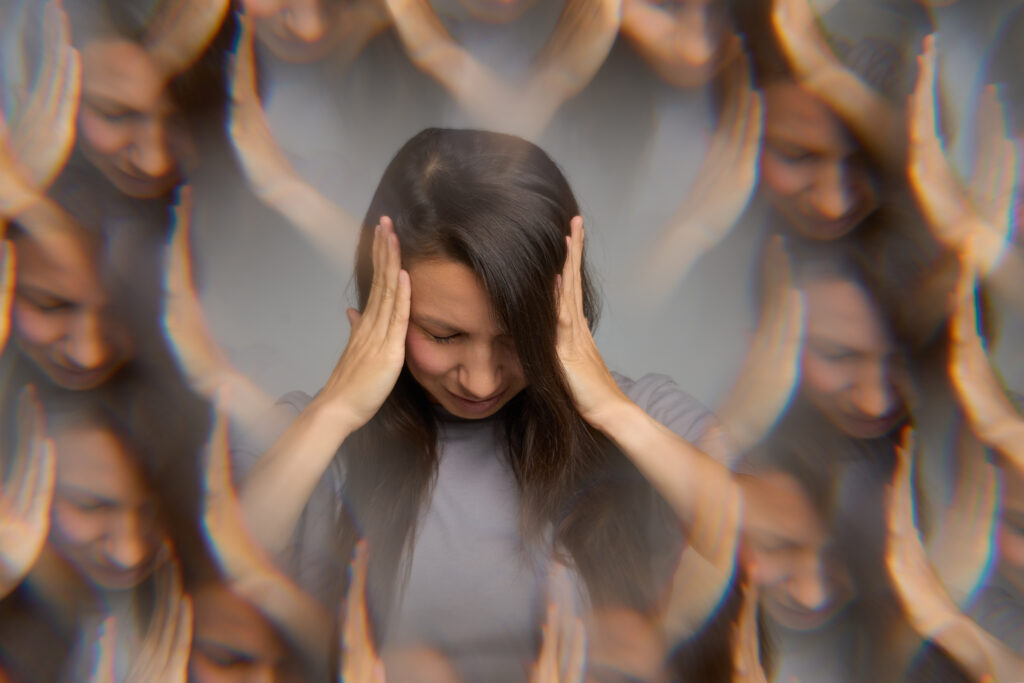
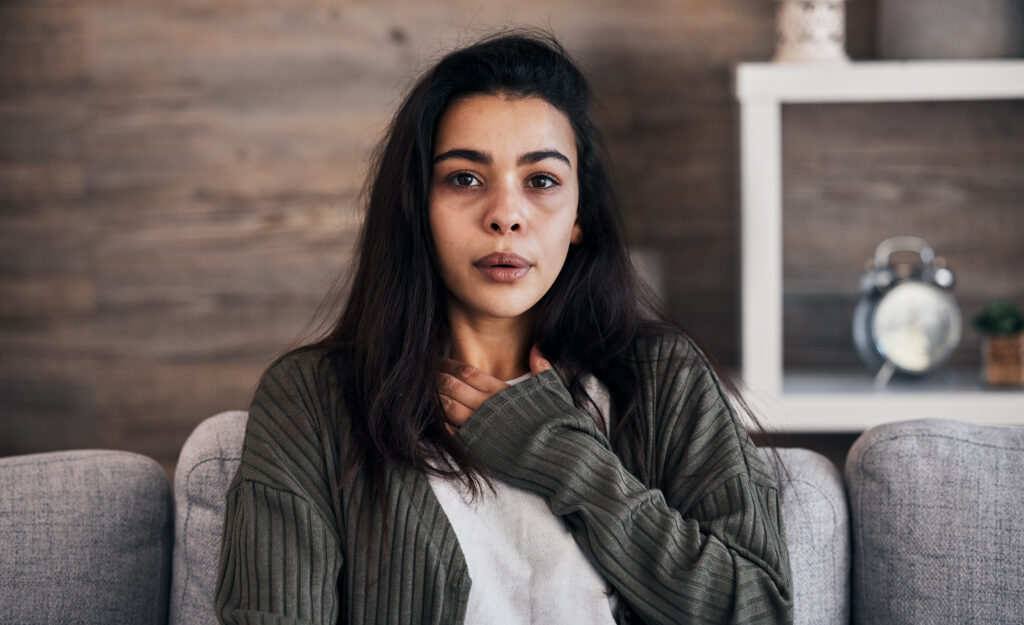
In this presentation, anxiety is felt strongly in the body and may appear suddenly. People may experience waves of panic, chest oppression, dizziness, nausea, or a sense of mental fog. The experience can feel confusing and alarming, particularly when it seems to arise without a clear trigger.
Chinese medicine describes this state using patterns such as Phlegm misting the Heart or Phlegm-Heat disturbing the Heart. As outlined earlier, Phlegm refers to obstruction and clouding rather than mucus alone. In this context, it describes disrupted signalling and a lack of clarity in how bodily sensations are processed.
Physiologically, this pattern aligns with gut-brain axis involvement and autonomic instability. Digestive disturbance, altered vagal tone, and heightened interoceptive sensitivity all contribute to the sense that bodily signals are overwhelming or out of proportion.
Treatment aims to reduce obstruction and improve clarity of signalling. An acupuncture point sometimes used in this context is Nèi guān “Inner Pass” (Pericardium 6). This point is associated with regulating the chest and easing nausea and palpitations. Its selection reflects the goal of settling bodily alarm rather than focusing solely on thoughts.
Somatic therapies, like full-body massage, and dietary changes, like reducing consumption of Heat and Damp-forming foods, can help to alleviate this presentation.
5. The fear-based or unanchored anxious
These patterns centre on anxiety rooted in insecurity or a lack of internal grounding. People may report early waking, persistent fearfulness, sensitivity to cold or heat, and a sense of being unsteady or unsafe without a clear external cause. Physical signs can include low back or knee weakness and fluctuating energy levels.
In Chinese medicine, this group includes Kidney Yin deficiency, Kidney Yang deficiency, and Heart and Kidney disconnection. The Kidneys are associated with foundational resilience and the ability to feel secure. When this system is strained, anxiety takes on a deeper, more existential quality.
Yin-related patterns tend to involve restlessness and heat sensations, while Yang-related patterns involve cold, fatigue, and withdrawal. Both reflect impaired stress buffering rather than situational worry.
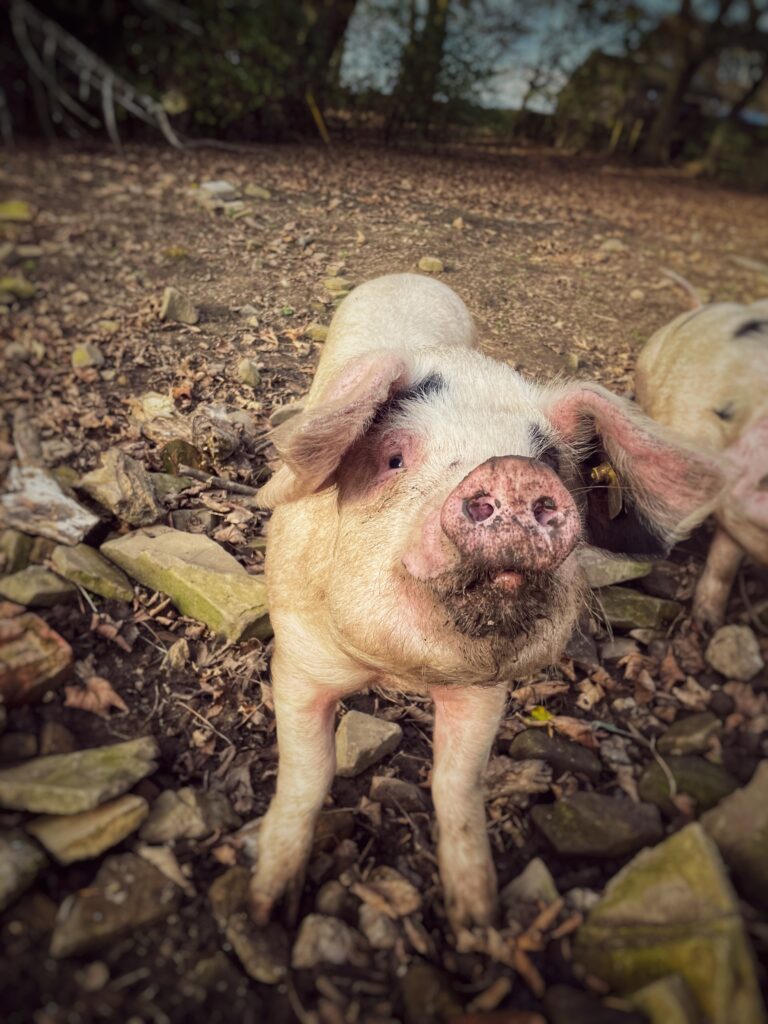
Running piglet Qi is a classical term that captures the lived experience of deficient Heart Fire being overwhelmed by the Kidneys. It describes sudden surging sensations that rise through the body, including palpitations, heat, shaking, or nausea – what we might refer to as a “panic attack”.
Physiologically, this pattern corresponds to chronic threat perception and reduced resilience. The nervous system remains vigilant because it lacks the resources required to downshift reliably.
Treatment focuses on restoring anchoring and stability. Tàixī “Supreme Stream” (Kidney 3), introduced earlier, is also relevant here. Its role reflects the aim of supporting foundational regulation so that fear responses become less dominant.
Establishing regular waking routines and predictable sleep patterns can help immensely to down-regulate the nervous system so the person feels safe and secure.
6. The long-standing or entrenched anxious
Some anxiety patterns develop over many years or follow significant life events. In these cases, anxiety may feel fixed rather than reactive. People may describe persistent hypervigilance, guardedness, chest oppression, or long-standing sleep disturbance that resists simple interventions.
Chinese medicine describes this using patterns such as Qi and Blood stagnation obstructing the Heart, alongside descriptions of post-traumatic disturbance of the Shen. Shen refers to the mind and emotional presence housed by the Heart. When disturbance persists, regulation becomes rigid.
Physiologically, this pattern aligns with long-term nervous system patterning and reduced adaptability. The body has learned to remain on alert, even when immediate danger has passed.
Treatment requires patience and careful pacing. The aim is to restore flexibility rather than force change. Point selection and technique are adjusted to avoid overwhelming systems that have adapted to chronic threat.
Referral to other treatment modalities such as counselling or somatic release may be recommended to supplement Chinese medicine strategies.

Why seeing a professional makes a difference
Anxiety patterns rarely exist in isolation. Over time, one imbalance can feed another. Prolonged emotional tension can drain physical reserves. Poor sleep can amplify reactivity. Digestive disruption can intensify bodily alarm. What begins as one pattern may gradually evolve into a more complex picture.
For this reason, Chinese medicine does not rely on symptom lists alone. A practitioner aims to build a pathological and aetiological picture. This means understanding what set the patterns in motion, what is maintaining them, and which elements are primary or secondary.
Assessment involves several layers. Detailed questioning establishes timelines, triggers, sleep quality, digestion, energy levels, pain patterns, temperature regulation, and emotional tone. Observation includes posture, complexion, breathing patterns, and how a person presents under discussion.
Palpation of the abdomen and channels provides information about tension, sensitivity, temperature, moisture, and areas of reactivity. Tongue observation offers a visible snapshot of fluids, heat, and regulatory state. And pulse assessment adds a dynamic sense of how systems are responding moment to moment.
Taken together, these elements guide treatment strategy. They also provide a way to track change over time. Especially for the anxious person, incremental changes are often more long-lasting, and feel safer, than sudden, dramatic shifts.
Improvement is not judged by the absence of anxiety alone. It is seen in better sleep continuity, fewer bodily surges, reduced chest tightness, improved digestion, and greater emotional flexibility. Professional guidance helps to make sense of these shifts and to adjust care accordingly.
How acupuncture and hands-on therapy help
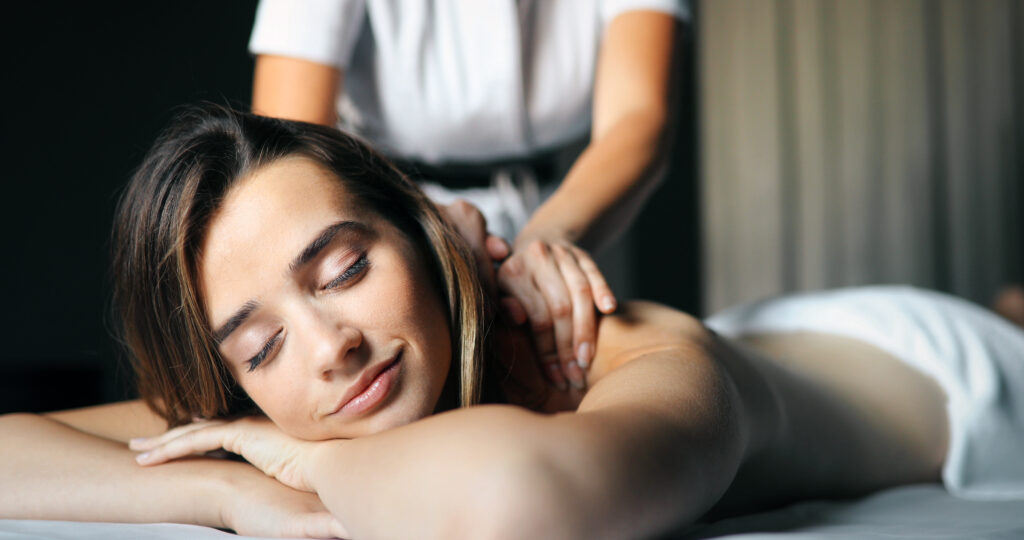
Hands-on therapies such as massage and tuina influence anxiety through direct sensory input. Touch affects muscle tone, breathing mechanics, and tissue tension via input to the nervous system. Organised pressure and contact reduce guarding, improve movement, and alter how the body perceives safety. From a physiological perspective, this sensory input engages nerve pathways that influence autonomic regulation and pain processing.
Acupuncture works alongside this through a different mode of input. Fine needles stimulate specific anatomical sites that correspond to areas of dense nerve supply, connective tissue intersections, and motor points. This allows precise stimulation without the need for sustained pressure. The input can be maintained over time, providing continuous signalling that supports regulation rather than provoking further arousal.
At a local level, needling influences muscle tone and tissue responsiveness. At a broader level, this input feeds into central nervous system processes that govern pain modulation and autonomic balance.
These regulatory changes are accompanied by changes in neurochemistry. Endogenous pain-modulating peptides participate in reducing pain signalling and bodily alarm. Neurotransmitter systems involved in emotional stability and settling, including those associated with serotonin and GABA, take part in this process.
Back to balance
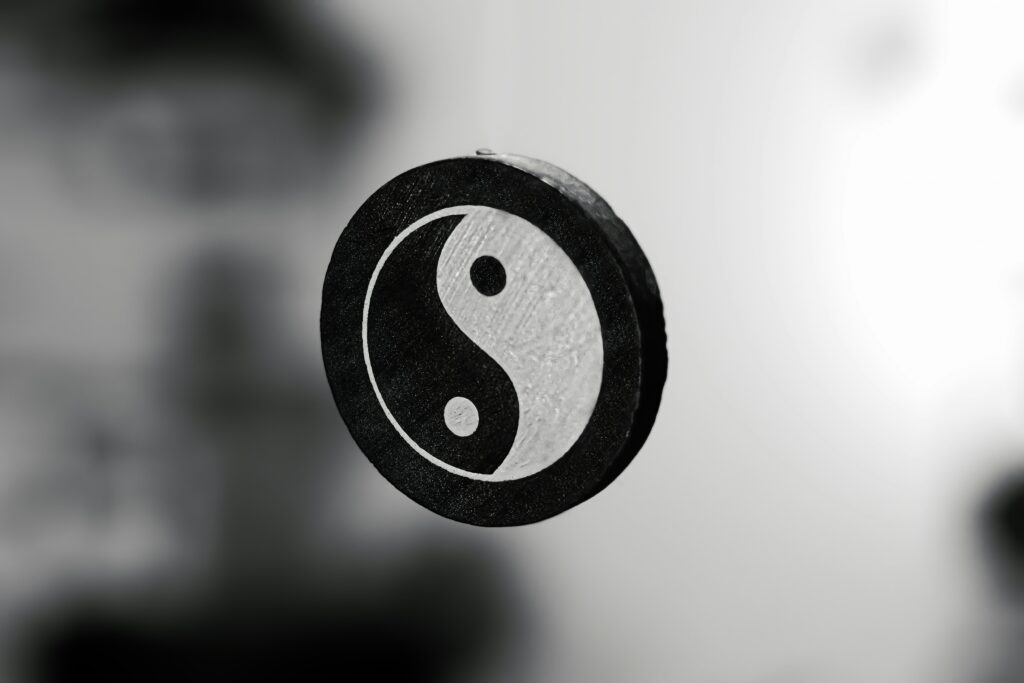
Acupuncture does not act as a pharmaceutical agent that imposes chemical change. Nothing is injected. Rather, it alters the conditions under which the body's systems regulate themselves. Health is re-established by enabling homeostasis. This is partly why the taiji, or Yin-Yang, symbol is so integral to Chinese medicine: we are always looking to return things to a state of dynamic balance.
In Chinese medical language, these effects are described as calming the Shen (or “Spirit”), smoothing constraint, and supporting depleted systems. In physiological terms, they reflect changes in arousal, pain processing, emotional processing, breathing mechanics, and recovery capacity.
When practitioners speak of nourishing what is depleted, they do not mean adding a substance. They refer to supporting restoration. Improved sleep quality, reduced chronic over-arousal, more efficient digestion, and lower pain burden allow reserves to rebuild. Over time, this reduces the background conditions that allow anxiety to persist.
An example of this approach can be seen in the use of Zúsān lǐ “Leg Three Miles” (Stomach 36). This point is associated with supporting digestion, energy regulation, and recovery. Its relevance in anxiety care lies in strengthening the systems that sustain resilience rather than addressing symptoms in isolation.

The relational element and self-agency
Anxiety is shaped not only by internal physiology but also by how a person relates to their experience. This is where talking to an empathetic professional can be invaluable. Being listened to, understood, and reassured reduces threat perception. Clear explanation replaces confusion with orientation. A therapeutic relationship provides a framework for recognising progress and responding to setbacks without alarm.
This approach shifts the internal narrative. Anxiety becomes a signal of strain rather than a personal flaw or pathological label. Understanding one’s patterns allows changes to be recognised as meaningful, even when symptoms fluctuate. Progress may appear as fewer bodily surges, improved sleep continuity, reduced chest tightness, or greater tolerance of everyday stress.
Support does not remove responsibility from the individual. It provides guidance. Knowing what to look for and what matters at each stage helps people participate actively in their recovery without feeling they must solve everything alone.

Supporting regulation between treatments
Regulation is supported by activities that provide predictable, absorbing input to the nervous system. Walking, particularly in natural environments, offers rhythmic movement and sensory consistency, as well as improved circulation and oxygenation. Creative activities such as reading, listening to music, drawing, writing, or gardening engage attention without demanding constant decision-making or placing the person under pressure for “results”.
It is useful to distinguish these from activities that maintain stimulation. Scrolling through digital content or channel-surfing delivers novelty and reward cues that keep the nervous system alert. These behaviours can feel restful because they place little demand on the body or mind, when in fact they actually sustain or increase arousal and deplete resources.
Regular daily rhythms also play a central role. Eating meals at consistent times, allowing a clear wind-down period in the evening, and keeping bedtimes and waking times broadly predictable provide reassurance at a physiological level. Predictability reduces vigilance. Circadian regulation improves digestion, sleep quality, and stress recovery. Rhythm supports smooth functional movement and helps depleted systems regain stability.
Early morning daylight, fresh air, and exercise also provide substantial downstream effects in terms of regulating cortisol release and enabling good quality sleep at night, helping to replace the “tired but wired” racing mind and its perpetual “to do” list with a natural, restful tiredness that facilitates good quality sleep. Sleep is the keystone. Once sleep issues are resolved, everything else tends to fall into line with support, lifestyle changes, and consistency.
This approach does not require rigid scheduling. The aim here is to create a relaxed and workable framework, not a strict timetable that provokes further anxiety if it’s not followed exactly. All we need is enough calm and regularity to signal safety and continuity.
Important caveats
This article offers insight rather than diagnosis. Anxiety patterns overlap and evolve, and individual circumstances vary. Persistent, escalating, or disabling anxiety warrants appropriate medical and mental health support.
Chinese medicine approaches can work for many but should be adopted alongside conventional care when needed. It is crucial to talk with an appropriate medical professional if in any doubt, especially if looking to cease or cut down on prescribed medications.
Practical takeaway
Anxiety is not a single state with a single cause. Different patterns reflect different ways the body loses regulation under strain. Understanding these tendencies clarifies why certain support methods help and others do not. Professional assessment provides a fuller picture of how patterns interact and how change unfolds over time.
The central aim remains consistent. Support seeks to restore capacity, rhythm, and safety so that anxiety has less reason to arise. When it does, as is inevitable in life, it does so less frequently and less intensely, and the person is equipped to recognise and manage their anxiety effectively.

Closing reflections
The question that opened this article was a simple one: which kind of anxious are you? What emerges over the course of this exploration is that anxiety is not a single state with a single cause. It is a family of responses that arise when different systems lose their capacity to regulate under strain.
Chinese medicine approaches this complexity by paying close attention to pattern rather than label. It asks where resources are depleted, where pressure is held, how signals are misfiring, and which systems have lost their ability to settle and recover. The resulting language can sound unfamiliar at first, yet it describes experiences that many people recognise immediately once they are explained.
Seen this way, anxiety becomes intelligible. Fragility, restlessness, reactivity, panic, fear, and long-standing vigilance each reflect a different physiological and functional state. They call for different forms of support and respond along different timelines. This helps explain why some people improve quickly with changes to sleep and rhythm, while others require slower, steadier rebuilding of reserves or careful unwinding of entrenched patterns.
The full picture
Professional assessment matters because these patterns interact. What presents as emotional strain may be sustained by poor digestion or disrupted sleep. What appears as panic may be driven by bodily signalling rather than the nature of the thoughts themselves. A full, holistic picture allows treatment to address what is driving the state rather than chasing symptoms in isolation.
Acupuncture and hands-on therapy contribute by supporting regulation at multiple levels. Through precise sensory input, changes in tissue tone, and effects on nervous system activity and neurochemistry, these approaches help restore conditions in which recovery becomes possible. In Chinese medicine terms, this is described as settling the Shen, smoothing constraint, and supporting what has been depleted. In physiological terms, it reflects improved regulation, reduced threat signalling, and better recovery.
Equally important is the relational context in which care takes place. Clear explanation, attentive listening, and continuity of support reduce uncertainty and help people recognise meaningful change. Progress becomes easier to track when it is understood as increased capacity and flexibility rather than the simple absence of anxiety.
We all need a helping hand from time to time. Reaching out for support is a sign of empowerment, not personal failure.
Insight facilitates targeted care
Returning to the opening premise, the value of asking which kind of anxious you are lies in precision. It replaces vague and emotive self-judgement with a clearer understanding of how your system is responding right now. From there, care becomes more specific, expectations become more realistic, and recovery becomes something that can be guided rather than forced.
Anxiety is a natural and normal part of life. In its healthy, non-chronic expression, it serves a vital, protective, evolutionary purpose. The aim is not to eliminate anxiety altogether: it is to restore enough rhythm, capacity, and stability that anxiety no longer dominates the internal landscape.

If you’ve enjoyed this article or found it useful, please share it. You can find related discussions on acupressure for anxiety, acupuncture to help with sleep, Chinese medicine diagnosis, or the mechanisms of acupuncture, plus much more on the blog. Thanks for reading!