

Dairy in Traditional Chinese Medicine: Nourishment or Dampness?
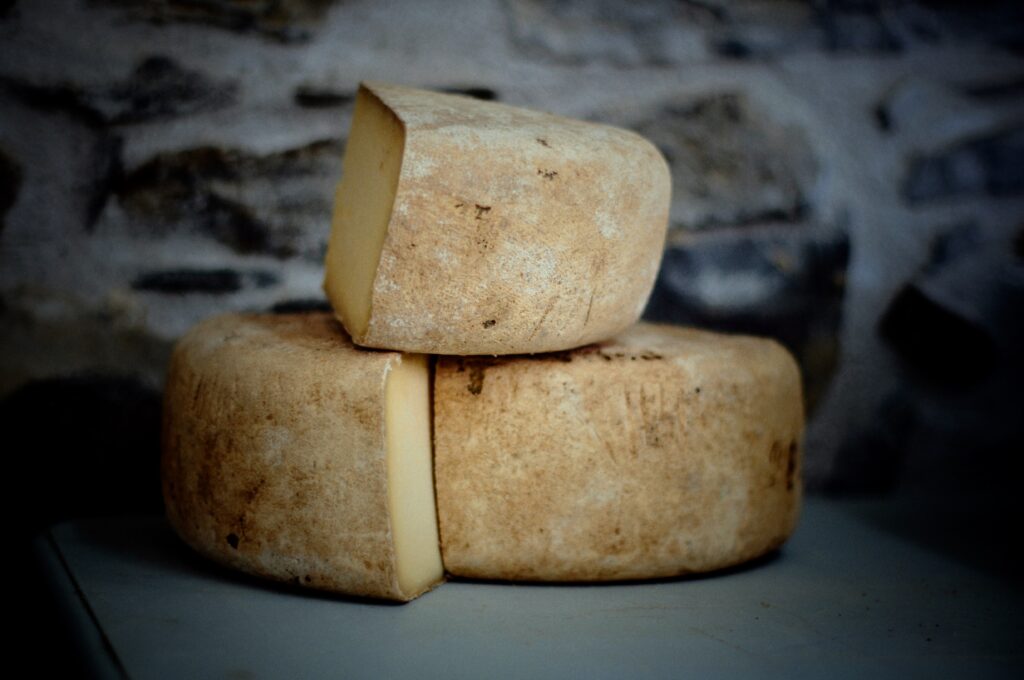
Dairy has long been a point of contention in the wellness world. Some hail it as a near-perfect food: rich in protein, healthy fats, and a spectrum of vitamins and minerals to nourish growing bodies. Others dismiss it outright as “damp-forming” or “inflammatory,” something to avoid for good digestion and overall health.
So where does the truth lie? Like so many questions about food and health, the answer isn’t simple... and in Traditional Chinese Medicine (TCM), context is everything.
In TCM, food is understood not just in terms of nutrients but also in its energetic qualities: how it influences the body’s balance of yin and yang, its thermal nature (cooling or warming), and its effects on the digestive system. This system revolves around the Spleen and Stomach, which are seen as the centre of digestion and energy production.
Yin, Yang, and the Energetics of Food
To understand dairy’s place in this framework, it helps to know a little about food energetics.
- Yin and Yang: Yin represents cooling, moistening, and restorative qualities: the body’s fluids, restful states, and inner calm. Yang, in contrast, refers to warmth, activity, and transformation: the spark that drives metabolism and circulation. Foods can support yin or yang depending on their qualities and how they are prepared.
- Thermal Nature: Foods may be warming, cooling, neutral, or somewhere in between. This affects how they interact with the body’s internal climate.
- Flavour: Each flavour (sweet, sour, bitter, pungent, salty) has specific actions in the body. Sweet flavours harmonise and tonify; taken in excess, they can also slow digestion and encourage dampness.
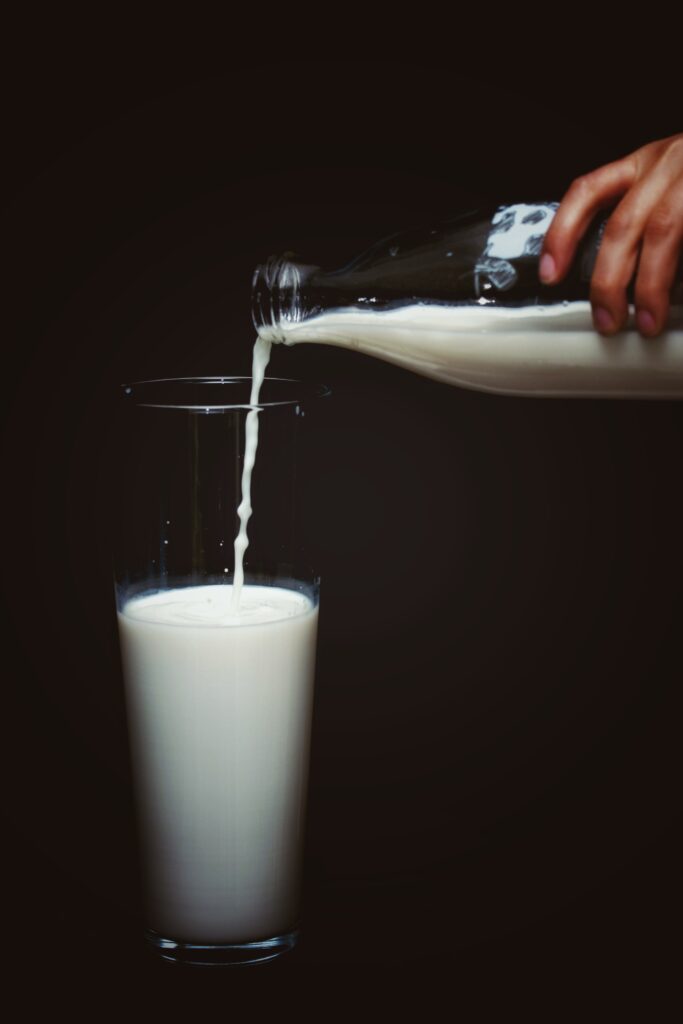
In this system, dairy is considered sweet, cool, and moistening. It nourishes yin and can ease dryness. At the same time, its dense, rich quality means it can be harder to digest for some people and may encourage dampness if overused or poorly tolerated.
Understanding Spleen Deficiency and Dampness

In TCM, the Spleen plays a key role in transforming food into qi (energy) and blood, and in moving fluids throughout the body. When the Spleen is strong, digestion feels light and efficient. Food is converted into nourishment and energy without leaving behind residues.
When the Spleen is weak, a state called Spleen qi deficiency, the system becomes sluggish. This may lead to signs such as:
- Bloating and loose stools after meals
- Fatigue, especially post-meal sleepiness
- Poor appetite
- A sensation of heaviness in the body or limbs
- A pale, swollen tongue with teeth marks along the edges
Over time, this sluggishness can allow fluids to accumulate and congeal into dampness. Dampness in TCM isn’t simply water retention. It is more like a sense of internal mugginess or stagnation.
Signs of dampness include:
- A heavy, bogged-down feeling in the body
- Puffiness or swelling in tissues
- Sticky bowel movements or a sense of incomplete elimination
- A thick, greasy coating on the tongue
What About Phlegm?
Phlegm is essentially dampness that has thickened, often mixed with heat or stagnation, making it thicker, stickier, and harder for the body to move. It isn’t confined to the lungs. In TCM, phlegm can show up in many places:
- The sinuses (congestion, post-nasal drip)
- The chest (a sense of tightness or pressure)
- The digestive tract (nausea, sluggishness)
- Even in the mind: foggy thinking or difficulty concentrating is sometimes described as phlegm misting the mind.
Dairy’s dense, rich nature means it can contribute to dampness or phlegm if digestion is already compromised. For people with strong Spleen qi and no signs of dampness, moderate dairy may still be well tolerated.
Yin Deficiency: When Dairy May Help

At the other end of the spectrum is yin deficiency. Yin represents the body’s fluids and its cooling, moistening, calming qualities. When yin is depleted, heat and dryness can build up in the body.
Common signs of yin deficiency include:
- Dry skin, mouth, or throat
- Restlessness and irritability
- Insomnia or waking frequently at night
- A thin build or difficulty maintaining weight
- A red, dry tongue with little coating
In such cases, dairy’s moistening and cooling nature can actually be helpful. The key is moderation and choosing forms of dairy that suit the individual.
It’s worth noting that yin deficiency and damp-phlegm can coexist. In these cases, nourishing yin alone may not be enough – supporting digestion and resolving dampness is just as important.
Modern Nutrition’s View: Milk as a Superfood?
Modern nutrition focuses on the chemical composition of foods. Dairy, especially milk and fermented products like yogurt and kefir, is valued for:
- Complete proteins (casein and whey) for growth and repair
- Calcium and vitamin D for bone health
- Probiotics in fermented dairy for gut flora support
- Natural sugars and fats for energy and satiety
It’s easy to see why milk is the first food mammals produce for their young. It is dense with the building blocks of life. But adult bodies vary. Many people lose the enzyme lactase and experience bloating, discomfort, or diarrhoea after consuming dairy.
Food Sensitivities: Restrict or Retrain?

For mild intolerances (occasional bloating or discomfort rather than severe reactions), cutting out dairy completely may not always be the best long-term strategy.
Mild sensitivities often reflect an immune and nervous system that is over-alert, perceiving harmless food proteins as threats. From both TCM and modern perspectives, gently supporting digestion and tolerance may work better than strict avoidance.
This might involve:
- Starting with small, well-tolerated amounts (like a spoonful of yogurt) to help the immune system recalibrate
- Supporting gut health with acupuncture, tuina, and digestive tonics
- Reducing stress, which can significantly influence how the gut responds to foods
Overly restrictive diets can also reduce microbial diversity in the gut. Diversity is key for a resilient digestive system. Unless there is a true allergy or a condition like coeliac disease, complete long-term exclusion isn’t always necessary.
Warm Milk, Fermented Dairy, and Milk Alternatives

One way to make dairy more “Spleen-friendly” is through preparation.
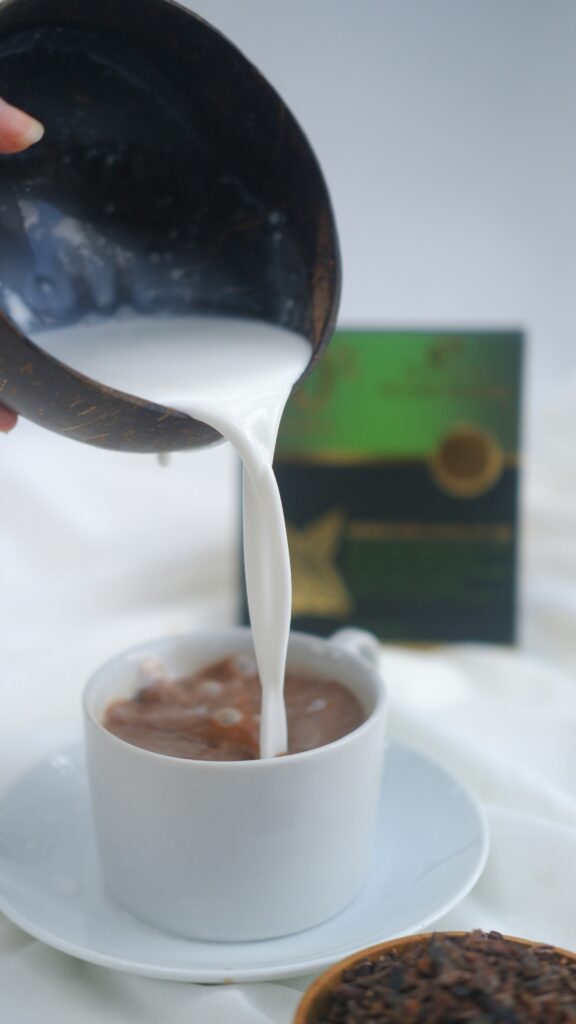
- Warm milk is gentler on digestion than cold milk from the fridge. Adding warming spices like ginger, cinnamon, or cardamom can further balance its cooling nature.
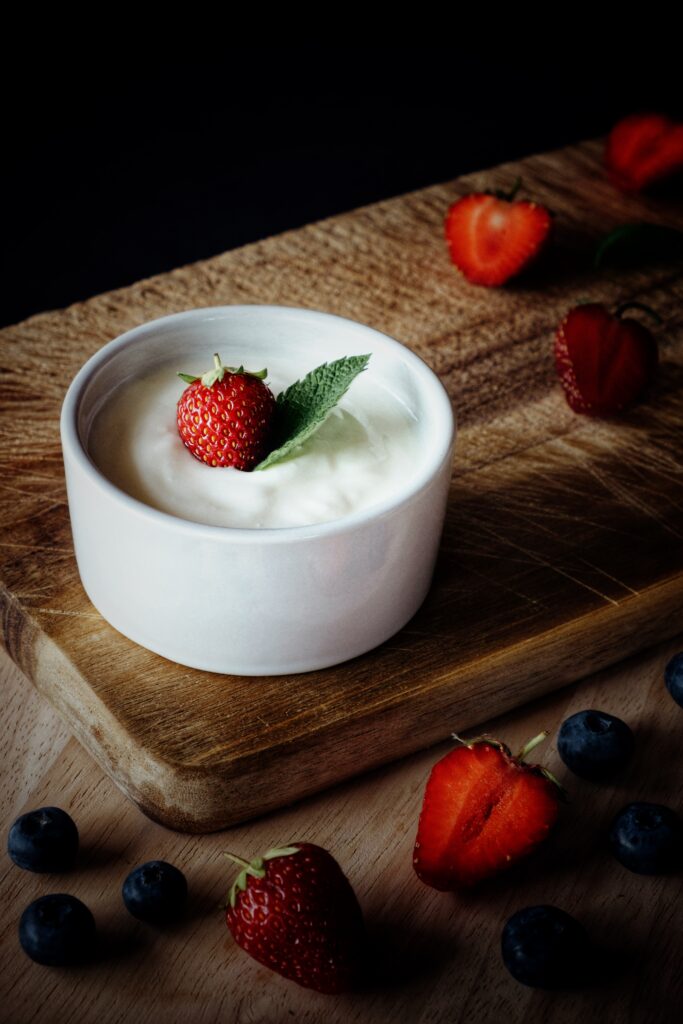
- Fermented dairy (yogurt, kefir, aged cheeses) introduces beneficial bacteria and reduces lactose, making it easier to digest.
- Avoiding excess sugar in dairy products helps reduce dampness.
Not all dairy is equal. Hard, aged cheeses are denser and more concentrated. They are sometimes slightly warming but are also more likely to aggravate phlegm and sinus issues if eaten heavily.
What about plant-based milks? In TCM terms:
- Oat milk is sweet and slightly damp-forming in excess, particularly if highly processed.
- Almond milk is lighter and slightly cooling.
- Soy milk can be beneficial but may cause bloating in sensitive individuals.
Homemade or minimally processed versions tend to be better tolerated than commercial blends filled with gums, oils, and sweeteners.
Finding Your Balance
Rather than seeing foods as inherently good or bad, ask yourself:
- How does this food make me feel?
- Is my digestion strong enough to process it?
- Am I consuming it in a way that suits my constitution (warm versus cold, fermented versus fresh)?
Health isn’t built on rigid rules. It grows from responsiveness to the body’s needs, which are always shifting.
TL;DR: Is dairy good or bad? … Yes!
The Whey Forward

Dairy isn’t universally bad, nor is it a perfect food for everyone. It can be a source of deep nourishment when used wisely and in proportion. The key lies in tuning in to your own needs and supporting them gently, whether that means including dairy, limiting it, or finding creative alternatives. It’s about understanding your body, not demonising a food.
For those navigating digestive sensitivities, acupuncture and tuina can help strengthen the Spleen, calm the gut, and support the nervous system in re-establishing tolerance. A practitioner can guide you in exploring whether dairy, in some form, can be part of a varied, nourishing diet again.
If you’d like to explore further how Chinese medicine could support your digestion and overall sense of balance, you can learn more on the acupuncture, complementary therapies, and tuina pages. And if you feel like wandering further into the world of traditional medicine, there’s also a growing blog collection to explore.