

The Trouble with Wellness Trends: How TCM Offers Wisdom Amidst the Memes
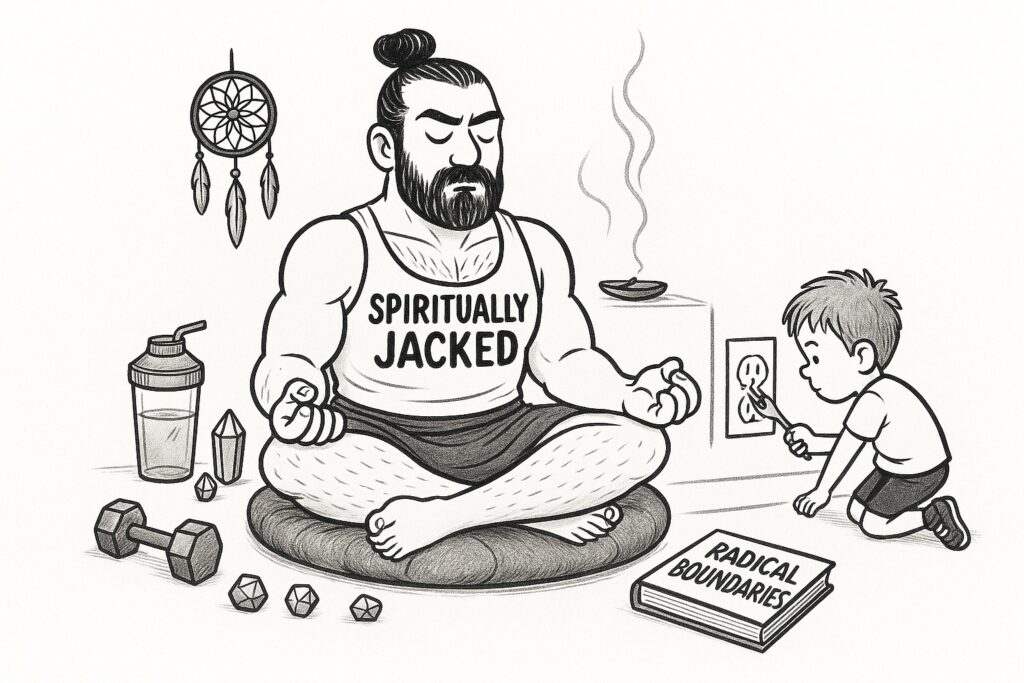
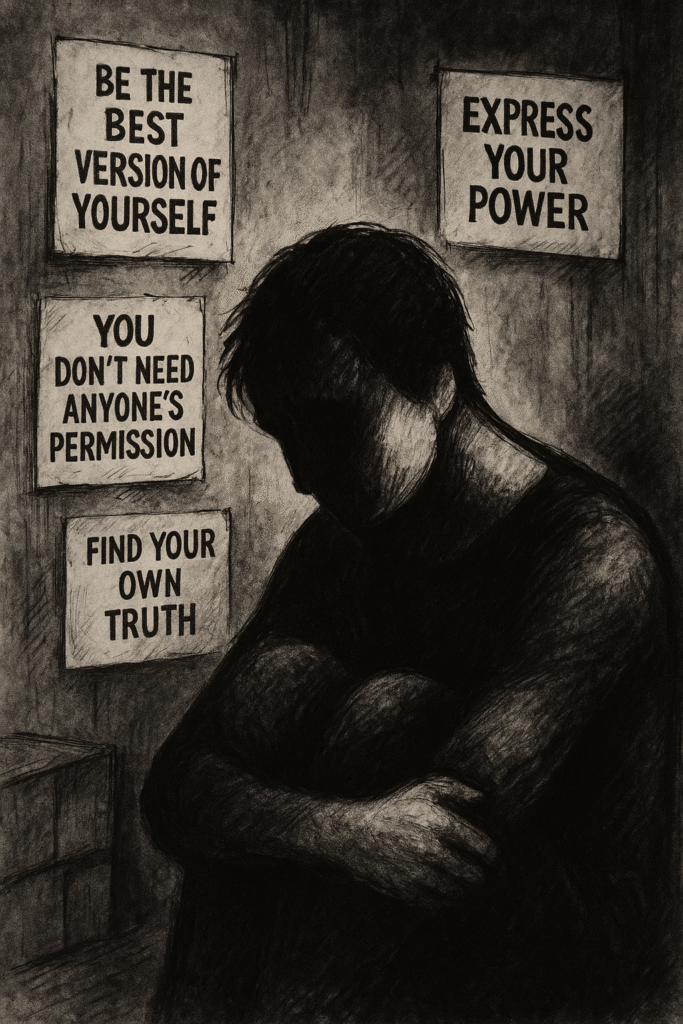
Somewhere out there, the worst person you know is being fed an Instagram graphic on their algorithm telling them it’s okay to “put themselves first”.
Explore how Traditional Chinese Medicine offers nuance and depth in a world of wellness memes, quick fixes, and one-size-fits-all-advice...
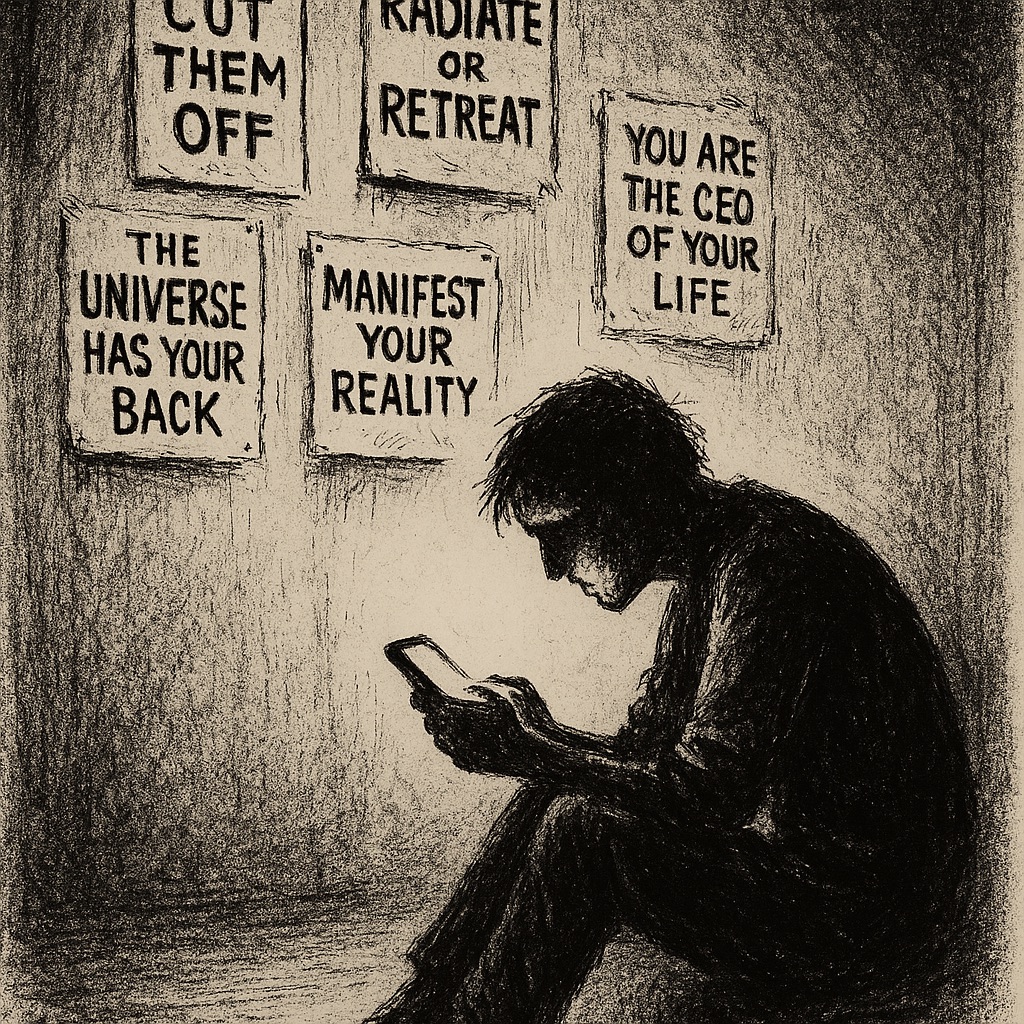
Social media is overflowing with unsolicited advice.
“Empower yourself.”
“Live life for you.”
“Cut off anyone who doesn’t support your vision.”
“Follow your heart, no matter what.”
It’s everywhere — post after post in bold fonts and pastel gradients, telling you how to live, feel, and think. At first glance, these messages seem encouraging. They speak the language of self-worth and healing. But something about them rings hollow.
And if you work with people through the lens of Traditional Chinese Medicine (TCM), you’ll know exactly what that is: they have no roots.
Contextless Advice Is Not Medicine
At the heart of TCM is the principle of individualisation. No two people are treated the same, because no two people are the same — not in constitution, life experience, emotional landscape, external and social environment, or energetic makeup.
One person might benefit from “following their heart.” Another might need to slow down and listen more deeply before rushing into another impulsive choice. One person might need to set firmer boundaries; another might be better served by softening their defences.
Good advice for one person can be terrible advice for another.
This is why TCM practitioners ask so many questions. Why we feel the pulse, look at the tongue, track emotional cycles, ask about dreams and digestion and daily rhythms. Because healing depends on discernment, not generalisation.
Some of these memes verge on the hysterical or even tyrannical — all wrapped in inviting handwritten fonts, like they’re gentle truths whispered just for you. Blind exhortations to “quit your job,” “dump that loser,” or “don’t listen to what anyone else says” are presented as universally empowering mantras, without a shred of nuance or recognition that they might not be good advice for everyone, in every situation.
Take “quit your job” — that might be the right move for someone stuck in a toxic, soul-destroying environment. But for someone dealing with financial insecurity, health issues, or family responsibilities, that same advice could be reckless and destabilising.
It’s carelessness disguised as care. Pseudo-spiritual soundbites pretending to be profound truths, but engineered for shares — not support.
The trouble is, “Try working through a complex issue with compassion, empathy, and an understanding that not everything resolves with clean edges” doesn’t get the upvotes. “Listen to your own heart but also to people you trust and respect” just isn’t punchy enough. Detail and discernment rarely cut through in a black-and-white, like-driven world.
And there’s a central hypocrisy here too. Many of these posts promote radical individualism — “follow your own truth no matter what” — while simultaneously implicitly demanding that you follow the advice in this faceless, unaccountable square. It’s the loudest kind of contradiction.
What TCM Offers Instead
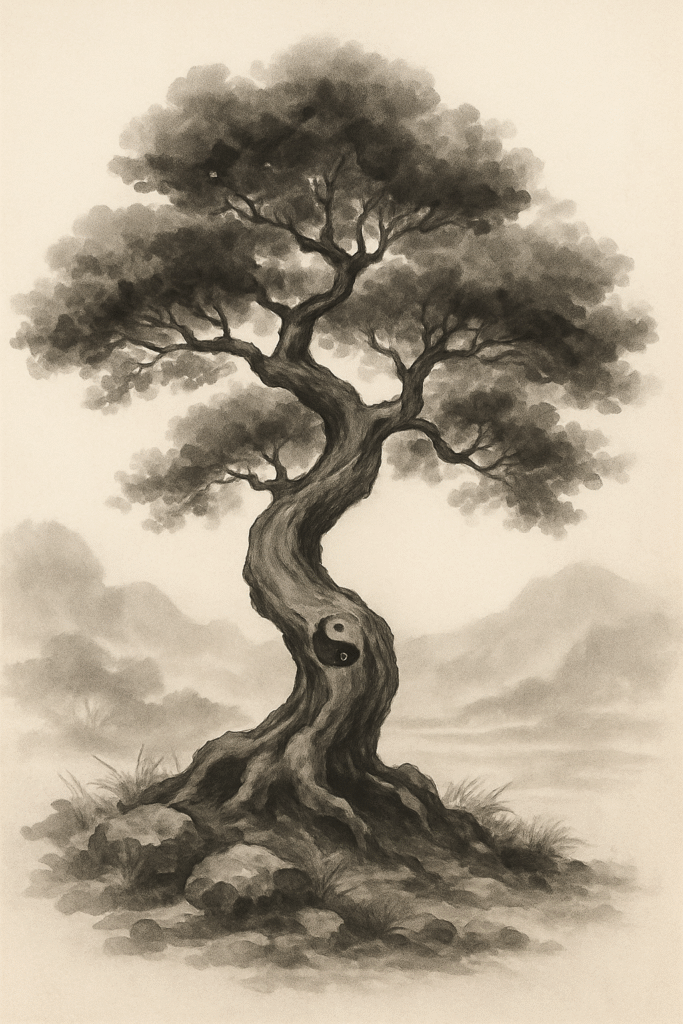
Traditional Chinese Medicine doesn’t deal in blanket advice. It listens — closely, attentively, and without assumption. It tries to understand who you are in the context of your whole life — your body, emotions, relationships, habits, values, and environment. It sees the human being as a dynamic system, always responding to the seasons, to stress, to joy, to nourishment and depletion.
A symptom like fatigue might be rooted in deficiency in one person, stagnation in another, and overwork or grief in a third. Diagnosis is relational and context-based, taking into account the whole person — physical signs like the pulse and tongue, emotional life, seasonal rhythms, and deeper constitutional patterns.
It doesn’t tell you to be more assertive or more soft. It asks:
- What is out of balance?
- What do you need to come back to centre?
Healing is understood as a process of harmonising and responding, not forcing or fixing. TCM doesn’t reduce a person to a slogan — it meets them in their complexity and helps restore balance through careful, nuanced care. It comes not from blanket rules or bold declarations — but from attunement, intuition, knowledge, experience, and a deep understanding of the body–mind connection.
For example, someone might come in with anxiety and poor sleep. But we don’t just offer generic stress advice — we ask: is the Heart Blood depleted, leaving the mind unanchored? Is stagnant Liver Qi overheating the system? Is the Spleen too weak to generate the calm needed for rest? Each of these patterns looks similar on the surface, but they’re treated entirely differently. That’s what makes TCM personal — it doesn’t treat the symptom, it treats the system behind it.
And unlike most of the messages bombarding us online, acupuncture and tuina (Chinese medical massage) don’t rely on words at all — let alone lazy slogans. These treatments speak to the body directly. They bypass the pressure to explain or perform, offering something quieter, more honest. It’s not that affirmations are bad. Far from it. Affirmations can be extremely powerful when they’re personal, timely, and attuned. But mass-produced mantras handed out to strangers are something else entirely.
Like any tradition, Chinese medicine is not a panacea. But its strength lies in its quiet refusal to generalise. It doesn’t offer a cure-all — it offers a relationship, one that begins with listening, not declaring. And in a world of noise, that might be the most healing thing of all.
The Illusion of Empowerment
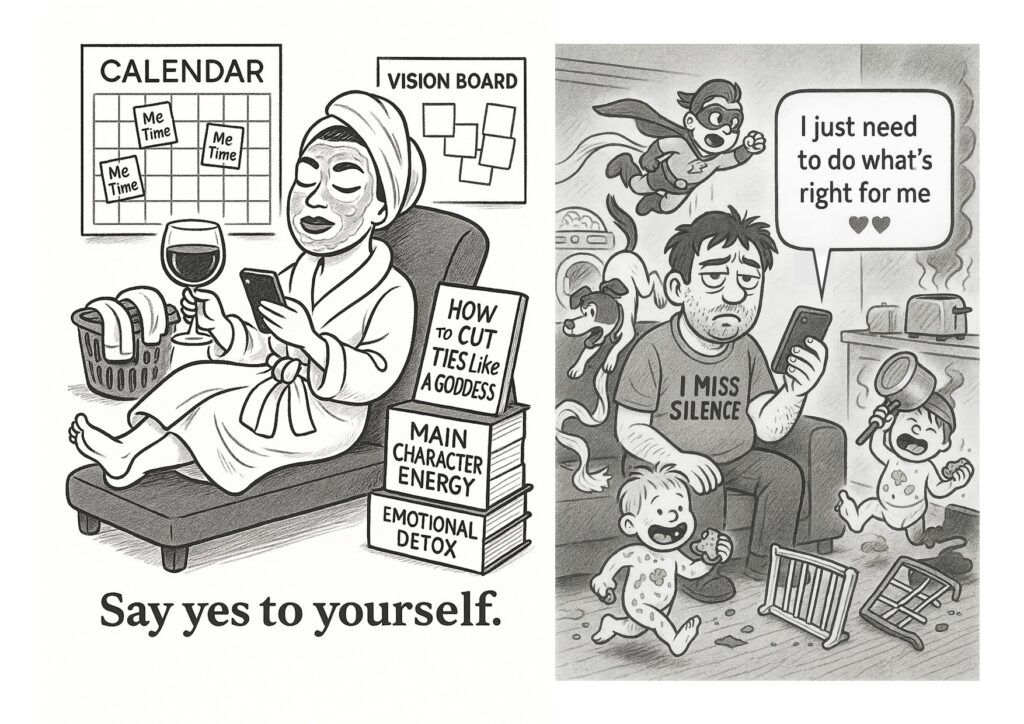
“Follow your heart,” “cut off anyone who doesn’t support your vision,” “don’t let anyone tell you what to do” — these messages sound empowering, but often promote a kind of flattened individualism.
- They ignore complexity — what if your heart is confused, reactive, or traumatised?
- They disregard relationships — what if “living for you” means harming others or abandoning shared responsibilities?
- They imply everyone is starting from the same place — ignoring class, culture, trauma, health, and capacity.
Such pop psychology is built on oversimplification. It promises freedom, clarity, and self-trust, but often encourages a kind of emotional absolutism. What gets presented as empowerment can in fact be emotional bypassing dressed up in glossy typography; self-prioritisation disguised as self-realisation. It turns complex relational dynamics into bite-sized moral binaries. And worse, it encourages people to act on feelings without ever examining their origin.
- “Cut off anyone who doesn’t support you” might be good advice for someone trapped in a toxic situation — but damaging for someone who needs to learn to tolerate difference and repair conflict.
- “Live life for you” can be a balm for the over-pleasing, self-effacing soul — or a licence for someone already avoidant to disregard others entirely.
In TCM, feelings are observed and respected, but they are not the final authority — they’re part of a wider pattern that needs to be understood, not obeyed blindly.
The Pressure to Feel a Certain Way
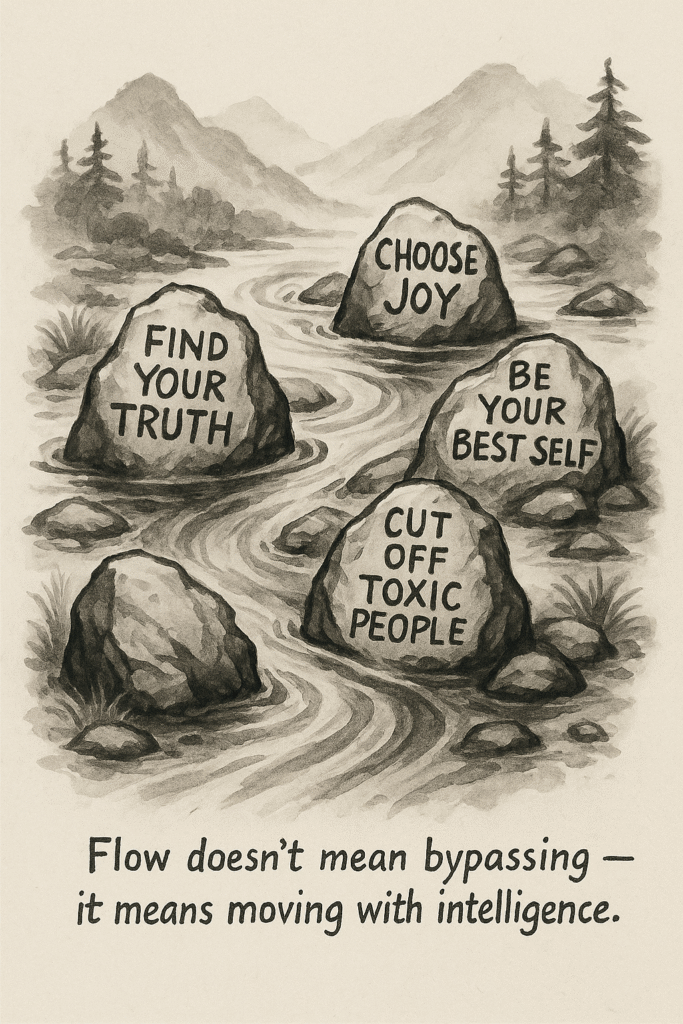
Many of these insidious messages go beyond advice. They start prescribing emotional states:
- “Choose happiness.”
- “Protect your peace.”
- “Don’t let anyone steal your joy.”
These imply that emotions like grief, anger, or fear are signs of failure — things to suppress or transcend. Or things to be ashamed of. But in TCM, emotions are messengers. They’re meaningful, necessary, and often wise. Grief, anger, worry, fear, and joy are all part of being human — not problems to fix, but messages from the body–mind system. Trying to override or suppress them creates deeper imbalance that is energetically harmful.
Such exhortations may seem harmless, even inspiring — but they subtly reinforce the belief that if you’re not happy or calm, you’re doing something wrong. They turn emotions into a kind of personal brand, something you’re meant to curate and maintain.
Ultimately, they echo the logic of consumerism: your feelings are yours to control and optimise. Which, ironically, is deeply at odds with most genuine healing traditions — including TCM, which sees emotional states as reflections of deeper imbalances, relationships, and cycles.
The result? A growing pressure to display emotional wellbeing, even when you’re struggling. To curate your inner world for public consumption. To turn healing into a highlight reel.
But you don’t have to be radiant all the time. You don’t have to keep your peace at all costs. You don’t have to be “the best version of yourself”. Sometimes healing looks messy. Sometimes your Shen is unsettled, your Liver is stuck, or your Heart is tired. And that’s okay.
Ironically, the more someone scrolls through these empowering messages, the more likely they are to feel like they’re failing at empowerment.
You’re supposed to:
- Live your truth
- Cut out the drama
- Be your highest self
- Never settle
- Radiate joy
- Have boundaries
- Be soft
- Be fierce
It’s a full-time job!
What’s meant to inspire often ends up shaming people for not “being better.” It feeds the very anxiety and self-doubt it claims to cure.
Most people share these memes with good intentions. Maybe the message resonated with something they’re going through — or they hope it might help someone else. But what speaks to one person’s moment of clarity might deepen another’s confusion. Resonance isn’t the same as relevance. We sometimes hand out medicine without knowing the diagnosis.
When Help Isn’t Helpful...
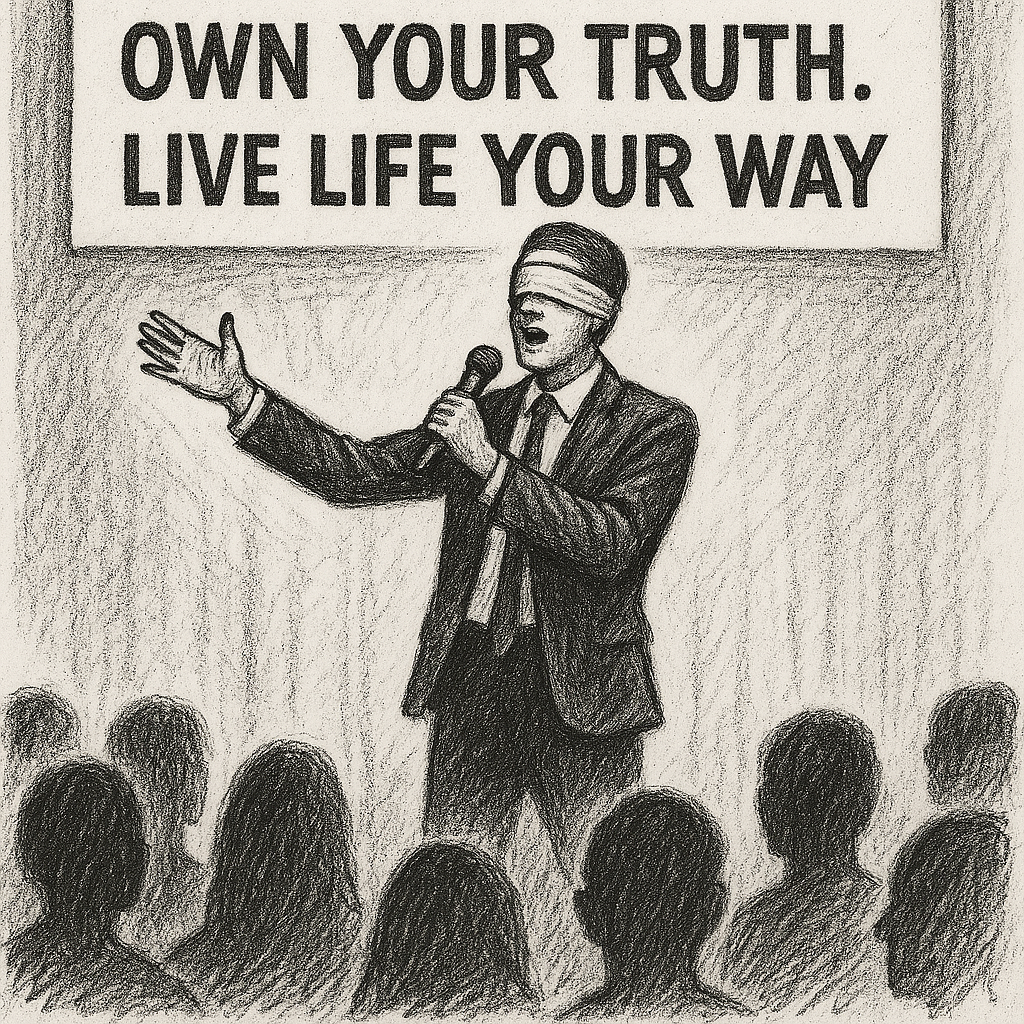
There’s also something predatory in this trend. Much of this content is created not out of genuine care, but because it drives likes, shares, and engagement. Emotional pain becomes marketing currency. Your insecurity is the algorithm’s opportunity.
It mimics the form of support without the substance: there’s no relationship, no responsibility, no feedback loop. Just an unaccountable directive. And a vague implication that if you don’t resonate with it, you’re doing healing wrong.
Such inspirational pop-psych platitudes create the appearance of care, but really, they're often closer to emotional branding: stirring your pain or confusion just enough to make you click.
But healing isn’t a performance. It’s not an aesthetic. And it’s never one-size-fits-all.
... When Humility Becomes a Backdrop for Ego...
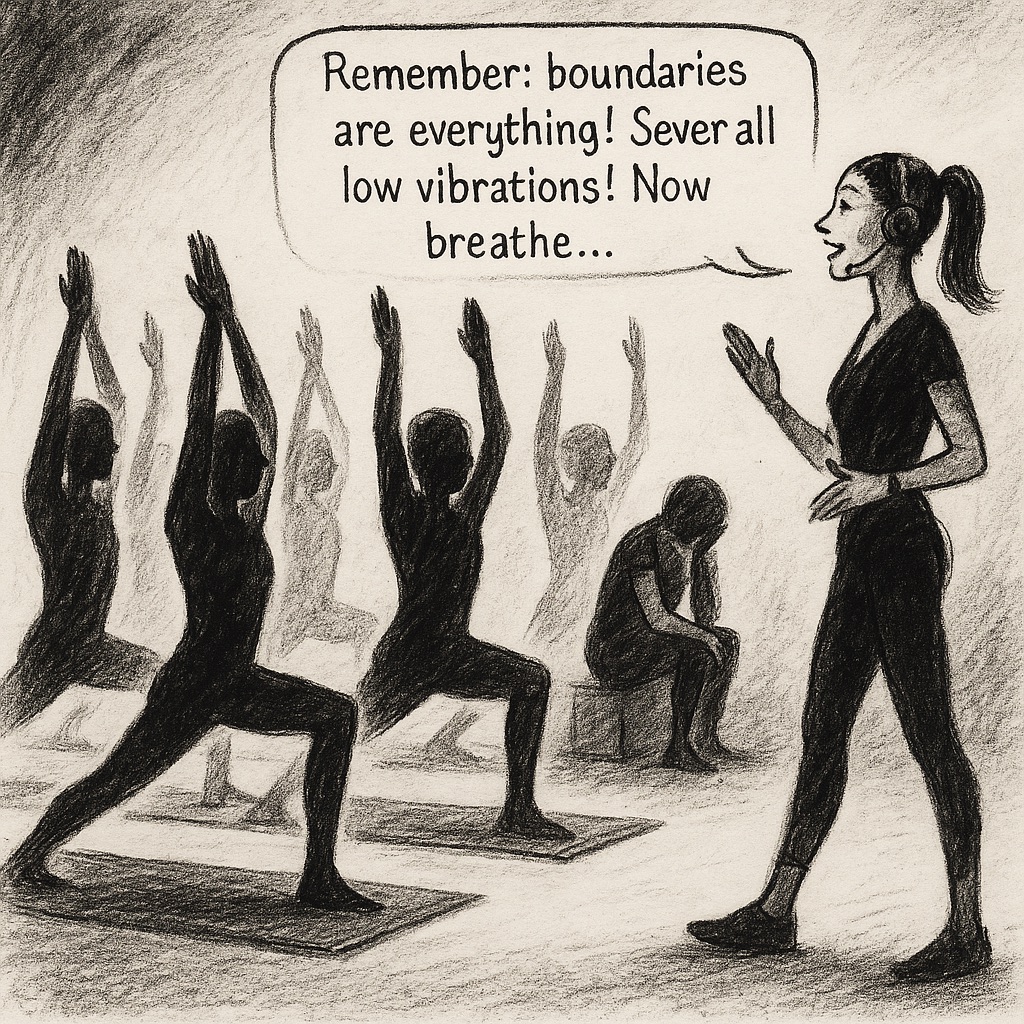
It’s not just the slogans themselves that can mislead. It’s the packaging — the soft lighting, the serene aesthetics, the carefully curated vulnerability — all used to promote an image of self-awareness, while quietly reinforcing the very pressures the post claims to reject.
You’ll see it in things like:
· A yoga teacher sharing a heartfelt “realisation” that true yoga isn’t about external performance — in a carousel of professionally edited images of themselves holding flawless postures on a beach at sunset.
· A qigong or tai chi influencer posting about the importance of stillness and non-striving — alongside footage of themselves moving in silk robes on a mountain peak, with hashtags engineered to maximise reach.
· A mindfulness coach preaching the value of presence, while churning out a steady stream of graphics, soundbites, and branded content designed for dopamine-fuelled scrolling.
These aren’t inherently bad people, and their practices may be sincere — but the medium dilutes the message. The teachings they invoke often call for simplicity, self-awareness, and the relinquishing of ego. And yet, the delivery suggests something else: aspiration, status, aesthetic control, and egotism aplenty.
It’s not that we can’t share beauty or insight. It’s that when every post becomes a subtle pitch, reduced to a pithy and easily-digestible phrase, it’s hard to know what’s real — and easy to feel like we’re not doing enough, not evolved enough, not well-lit enough.
The result? Teachings that were once about freedom from image become tools for polishing it. And those watching — often in pain or self-doubt — are left comparing their messiest moments to someone else’s staged epiphany.
It’s easy to poke fun or grow weary of the posturing — but many people caught in these patterns are genuinely trying to help, or trying to make sense of their own healing. Sometimes, the person posting the polished affirmation is just as lost or tender as the one reading it. We’re all navigating a noisy world. The antidote isn’t more judgement — it’s discernment, humility, and care.
... And When the Medium Undermines the Message
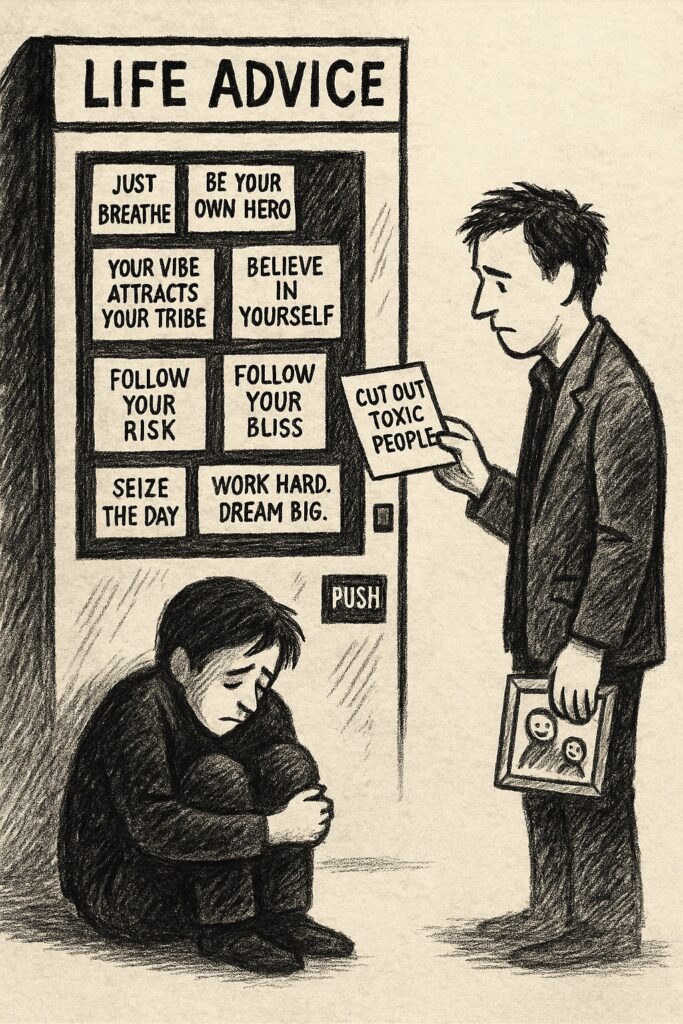
It’s not just the advice that’s problematic. It’s the delivery system.
Social media is designed to exploit emotional reactivity, and this kind of emotional clickbait is proliferating. The algorithms that govern our feeds aren’t interested in whether a post is wise, kind, or true — they care only whether it makes you react.
That might mean you click. Or comment. Or keep scrolling.
Outrage, confusion, longing, and even sadness are all good for business.
And so the platform becomes part of the problem. Even when the content seems supportive, the environment erodes its meaning. It encourages you to consume without questioning, ingest without processing, and adopt other people’s truths without checking in with your own body.
Worse, it distorts how we see ourselves and others. We’re fed a constant stream of curated success, filtered positivity, and motivational soundbites. We compare ourselves to ideals that aren’t real, and then blame ourselves for falling short.
Meanwhile, content that’s divisive or emotionally intense gets pushed harder by the algorithm. Our attention is hijacked. Our inner compass is overwhelmed. What feels like a search for truth can end up as a loop of noise, an endless armchair parade of hollow, healing hashtags. .
Advice memes plug neatly into this structure. They’re bite-sized, emotionally charged, and easy to circulate. But they’re also generic and contextless — shared without knowing the lives or struggles of those who see them. What might feel empowering to one person may feel shaming, disorienting, or hollow to another.
And often, these messages borrow language from deep-rooted spiritual and healing traditions — Buddhism, indigenous medicine, Chinese philosophy — stripped of nuance and context. What once carried depth becomes decoration. Real wisdom doesn’t survive disconnection.
Meanwhile, the social media environment creates its own kind of pressure. You’re constantly seeing other people’s curated highlights — their productivity, their glow-ups, their performative gratitude — and being told to match that mindset, whether or not it reflects your reality. It fosters comparison, performance, and internalised failure: “Everyone else is thriving. Why can’t I?”
Even when the messages are well-meant, the medium often undermines them. It encourages you to shout rather than listen, insist rather than understand, declare rather than question, and scroll rather than reflect. Healing becomes something you’re meant to display — not something you’re allowed to quietly experience.
Real Help Is Rooted in Relationship
Actual guidance — whether therapeutic, medical, or spiritual — requires:
- Knowing the person in front of you
- Understanding timing, readiness, and receptivity
- Offering advice that grows out of listening, not assumption
Memes bypass all of that. Untethered and uncaring, they deliver direction without discernment. And while many are shared with good intent, their effects can be subtly shaming, disorienting, or misleading.
Real healing can’t be mass-produced. Universal advice can't be applied to unique people. What helps one person might harm another. A deeply self-effacing, anxious person may need encouragement to assert themselves. But someone already narcissistic doesn’t need more licence to centre on their own needs. Memes don’t know the difference.
And yet, when repeated often enough, they form a kind of internalised script — as if not living according to these aphorisms makes one weak, unevolved, or inauthentic.
We’re not meant to live by slogans. We’re meant to live by relationship — both with ourselves and with the world around us.
So the next time a meme tells you how to live, pause. Ask what you need — not what someone else has decided is good advice.
Because real wisdom doesn’t shout from a square on your screen. It whispers from within, when you’re ready to listen.
The truth is, this isn’t just about the content of advice. It’s about the medium that delivers it, and the culture that profits from our confusion. And maybe the real antidote isn’t a better quote — it’s breaking the hypnotic trance, stepping away from the scroll, and coming back to yourself.
Postscript: What Acupuncture Really Offers
While this article has focused on the dangers of one-size-fits-all advice, it’s worth briefly grounding the discussion in what acupuncture, tuina, and Traditional Chinese Medicine (TCM) actually offer — and why they stand apart in the current “wellness” landscape.
TCM is one of the oldest, most enduring forms of physical medicine, with deep cultural roots in East Asia and beyond. It’s been practised across many centuries and many cultures, not only as an alternative system, but as mainstream medicine — including in modern hospitals across China, Japan, Korea, and increasingly, in the West, too.
Acupuncture is now one of the most researched branches of complementary and alternative medicine. A growing body of science supports its effectiveness in conditions like neck pain, tension headaches, chronic stress, anxiety, insomnia, and more. Its mechanisms — including modulation of blood flow, calming of the nervous system, and activation of the brain’s pain-relieving pathways — are increasingly well understood.
It works by stimulating specific acupuncture points on the skin using very thin needles, selected according to the individual’s constitution, symptoms, and underlying imbalances. These points lie along meridians, or channels, which map the body’s dynamic internal communication — a system that may sound abstract, but often aligns with fascial planes, neural networks, and vascular pathways.
Importantly, TCM aims not just to treat symptoms, but to improve balance, resilience, and recovery over time. This might involve acupuncture, massage, herbal prescriptions, tailored lifestyle advice, exercise like qigong or tai chi, and support for emotional processing.
It doesn’t offer platitudes or panaceas. It offers presence, pattern recognition, and personalisation. And it does so quietly — through relationship, not slogans.
In a world obsessed with instant fixes and loud advice, that kind of medicine is more valuable than ever.
Curious to discover more? This is just one thread in a much wider tapestry. Continue your journey into TCM by discovering more articles at our blog page here.