

A New Kind of “Wisdom” Appearing Everywhere
Over the past few years a strange cultural shift has accelerated across YouTube, TikTok, and Instagram. Entire channels now publish “talks” delivered in the voices of beloved spiritual teachers. Some imitate Alan Watts. Others mimic Ram Dass, Chögyam Trungpa, Krishnamurti, or any figure whose speech patterns can be pieced together from recordings. Their faces appear on the thumbnail, their voices narrate the script, and their names sit in the title with only a subtle mention of “style” or “inspired by” tucked away somewhere easy to miss. Welcome to the dystopian world of synthetic wisdom.
The messages are often sweeping statements about love, relationships, suffering, the ego, purpose, and freedom. They carry the tone of insight but none of the lived experience behind it. Their cadence resembles wisdom, yet something essential is missing. Viewers listen with trust, not realising that these are not teachings from real human beings but synthetic monologues generated by large language models and wrapped in a famous voice to make them sound meaningful.
Many people cannot easily recognise AI phrasing. To them, this sounds authentic. They believe they are spending time with a real thinker who lived, practised, struggled, studied, and shaped ideas through direct experience. Instead, they are listening to pattern-matching stitched into sentences. This shift carries significant cultural and psychological implications. It matters far more than a question of aesthetics or personal taste.
The aim of this article is not to criticise technology. I use AI frequently. It is an extraordinary tool for drafting, organising ideas, clarifying language, and making writing less laborious. The concern lies elsewhere: the misuse of AI to manufacture synthetic wisdom, the exploitation of vulnerability, and the erosion of the real human depth behind genuine teaching.
Synthetic Spirituality as a Growing Industry

Scroll long enough on social media and you will encounter AI-generated sermons, monologues, affirmations, and parables. The production process is fast and cheap. Channels can publish dozens of videos each week. A single prompt can yield several ten-minute “talks” in minutes. Many creators monetise these through advertising or donations, taking advantage of people searching for emotional comfort or existential reassurance.
Some videos try to differentiate themselves with wording such as “in the style of…” yet the overall presentation is designed to make the viewer forget this distinction. For all practical purposes the model is impersonating the teacher outright. It takes a lifetime of work, reflection, lineage, hardship, and growth, then flattens it into an empty, generative script.
This does not simply dilute the original message. It replaces it with something hollow. These synthetic talks do not emerge from meditation, study, or compassion. They emerge from a statistical process designed to predict the next likely word. There is no awareness of suffering. There is no discernment. There is no real care for the listener.
The result is a strange new category of content that feels spiritual on the surface yet has no real substance underneath. It imitates the shape of guidance without grasping the reason genuine teaching matters: the relationship between teacher and student.
Why Misrepresentation Is a Real Ethical Problem
What we are seeing today is fundamentally different from human creativity or interpretation. The ethical concerns fall into several clear areas.
Using someone’s identity to lend authority
Imitating the voice and image of real teachers is not harmless. These people built their reputations through decades of practice and responsibility. Borrowing their authority without their permission, their intention, or their nuance is a kind of intellectual trespass. It trades on their credibility to deliver messages they never approved. In the cases of deceased writers and thinkers, they can’t approve any of it. It’s a fundamentally disingenuous thievery.
Dilution and distortion
Once the internet is filled with a hundred thousand AI-generated “talks,” the genuine work of these teachers becomes harder to find. Search algorithms prioritise quantity. The original teachings risk being drowned in synthetic echoes.
Emotional exploitation
Many viewers who turn to spiritual content are lonely, grieving, confused, or seeking comfort. Content farms capitalise on this, offering easy answers in the voice of a teacher the viewer already trusts. The viewer thinks they are receiving insight. What they are actually receiving is engagement bait constructed for financial gain.
The absence of responsibility
A real teacher has a duty of care. They carry the weight of their words. AI has no such burden. It cannot be accountable for the consequences of the advice it generates. It cannot apologise, revise its understanding, or sit with someone’s pain. Yet its output is packaged as if it came from a person who could.
This is where the ethical barrier becomes clear. These videos mimic the appearance of wisdom while carrying none of the integrity and nuance that makes wisdom safe.
What Large Language Models Actually Do

Sadly, many people assume that a model producing calm, reflective sentences must possess some degree of understanding. This is a natural reaction to fluent language, because human beings associate coherent speech with awareness. Yet this is not how these systems work.
A large language model creates text by estimating which word is most likely to follow the one before it. It does this using patterns learned from enormous datasets. The model does not know what love is. It does not grasp suffering, ethics, purpose, or the complexity of the human heart. It simply reproduces arrangements of language it has seen elsewhere, shaped by statistical probability rather than lived insight.
This does not mean the technology is useless. It is valuable in many practical ways. It can help a writer refine structure, tighten phrasing, or explore possible angles. It can assist with organisation, speed up the early stages of drafting, and remove some of the friction that can make long-form writing more labour-intensive. When used with transparency and intention, AI is an excellent tool.
What it cannot do is replace the human source of meaning. This article is a good example. The ideas, concerns, and arguments were developed through reflection, observation, experience, and discussion. The model was then used to help shape the material into clear language. It has been carefully prompted, edited, and checked. The direction remains human. The responsibility remains human. The insight remains human.
Problems arise when the model is used as a lazy, cynical substitute for human wisdom rather than an instrument shaped by it. If someone prompts an LLM with “write a spiritual teaching about love in the style of Alan Watts,” the model will produce something more or less convincing on the surface. Yet it will be shallow in a way that cannot be corrected, because the model has no perspective of its own and no ability to care about the person receiving the message.
This is the core misunderstanding in the current surge of synthetic spirituality. People assume they are hearing a thoughtful perspective. In reality, they are listening to a sophisticated form of auto-complete that has been engineered to sound authoritative. The outer form looks familiar, yet the inner substance is missing. What we are presented with is an empty shell that looks and feels authentic and meaningful, but is in fact devoid of all meaning, care, and genuine insight.
When AI Advice Reaches Vulnerable People
One of the most troubling aspects of this trend is how easily these synthetic teachings find people in moments of pain. Someone sitting alone late at night may search for guidance on heartbreak, grief, self-worth, or existential fear. They may click a video with the face of a great teacher and believe they are receiving the kind of wisdom that can help them. Instead, they hear a monologue that only resembles reflection. They are feeding their hearts and souls with empty words.
A real teacher or therapist would respond entirely differently. They would consider age, history, culture, temperament, readiness, patterns of behaviour, and the emotional state of the person standing before them. They would ask questions, explore nuance, challenge assumptions, or soften the edges of a difficult truth. They would see the whole person.
A language model cannot do this. It cannot weigh the effect of its words. It cannot recognise when someone is fragile. It cannot sense when a message risks causing harm. It simply generates language that fits the prompt, delivered in a voice designed to feel trustworthy.
This becomes more dangerous when people rely on these synthetic messages as guidance. There are documented cases of individuals developing emotional attachments to AI companions, mistaking these systems for understanding minds. Some models have amplified delusions because they were designed to appear agreeable. There are even services selling AI replicas of deceased loved ones so clients can “continue the relationship”. These practices cross profound ethical lines and can have real psychological consequences. I don’t think it’s going too far to call them evil.
Many "spiritual talks" dole out relationship advice, which amounts to little more than clumsy pop psychology dressed up as spiritual wisdom. These messages often concentrate on love and relationships, pushing an individualistic agenda that reinforces existing insecurities and doubts, perpetuating negative self-talk rather than challenging beliefs or fostering genuine growth.
The concern is not the tool itself. It is the idea that we can outsource the role of teacher, guide, friend, or confidant to a system that is fundamentally incapable of those relationships. Human beings need attunement, presence, honesty, and the shared reality of another conscious person. Without that, guidance becomes mechanical and unanchored.
A Culture Drifting Toward Synthetic Connection

Beyond the spiritual content itself, a wider shift is taking place. More people are turning to AI for companionship, reassurance, motivation, or comfort. Some companies actively market AI “friends” who never disagree or disappoint. Others encourage users to build relationships with digital clones that mimic the voices of celebrities, influencers, or imagined partners.
Influencers and business owners are themselves encouraged to have these clones made so they can invest time in people without actually having to invest time in people. It’s dressed as “streamlining” – in truth it’s a bypassing of responsibility and human connection.
When it comes to people forming bonds with AI, the emotional risks are clear.
• A synthetic companion cannot hold boundaries.
• It cannot challenge destructive behaviour.
• It cannot protect someone from their own confusion or distress.
• It cannot recognise when a person is spiralling.
• It cannot share the unpredictability, vulnerability, and presence that make human connection meaningful.
When someone replaces real intimacy with these systems, loneliness deepens rather than heals. The person may feel comforted in the short term, yet over time the relationship becomes more isolating because it cannot be reciprocal in any sense that matters.
These trends affect how people relate to each other. If an AI companion always agrees, a real friend may feel difficult by comparison. If a synthetic “teacher” always offers neat answers, the real labour of reflection can seem unnecessary. We begin to drift toward simulated relationships that ask nothing of us, and this erodes our capacity to meet one another with honesty.
What Real Teachers and Practitioners Offer That AI Cannot
When we turn to a real teacher, mentor, therapist, or practitioner, we are not only seeking information. We are seeking relationship. The value lies in the human presence behind the words: someone who can listen, interpret, and respond with care. Someone who has lived through their own difficulties and can speak from experience rather than imitation.
A genuine teacher feels the responsibility of the moment. They can adjust their message if they sense confusion. They can soften a phrase if the listener is overwhelmed, or offer a firm truth if it is needed. They notice tone, posture, silence, and emotional undercurrents. This responsiveness is central to the integrity of teaching.
The same is true in therapeutic settings. Whether acupuncture, counselling, psychotherapy, medicine, chaplaincy, or pastoral care, the practitioner works with a whole person sitting in front of them. The treatment is shaped by history, constitution, state of mind, signs, symptoms, and personal circumstances. No two sessions are the same because no two people are the same. Often, it’s necessary to present disruptive challenges to a person’s internal narrative.
This is an essential contrast with AI. A generative language model does not perceive. It does not attune. It does not carry responsibility for the effect of its words. It cannot feel the difference between reassurance and avoidance. It cannot sense when someone needs grounding instead of inspiration. These are subtle human capacities rooted in empathy, ethics, and lived experience.
People often assume that words alone are the medicine, yet much of the healing process lies in the quality of the encounter. Someone is seen, heard, and met with honesty. The practitioner offers clarity where there is confusion, steadiness where there is fear, and containment where emotions feel unmanageable. This environment cannot be replicated by a statistical system producing language without presence.
Real connection creates the conditions for growth. Synthetic connection gives the appearance of guidance without the substance that makes it meaningful.
A Balanced View of AI as a Tool
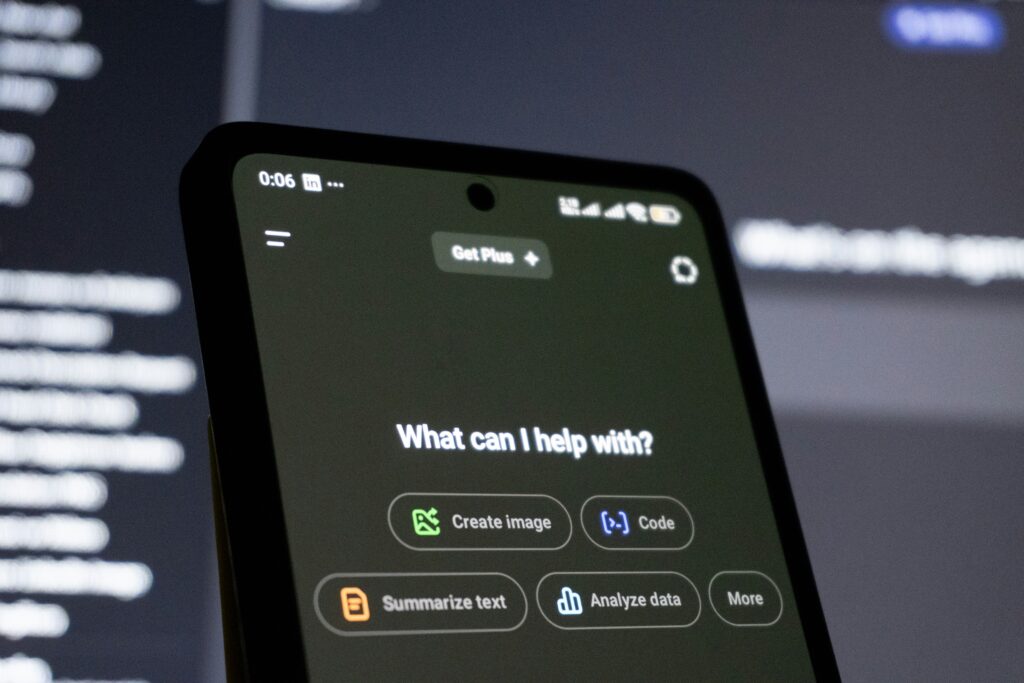
It is important to be clear that this article is not a condemnation of AI. These systems can be remarkably useful. They can help writers organise ideas, summarise long texts, refine drafts, and overcome blocks. They can support practitioners with administrative tasks, research summaries, and logistical planning. They can speed up work that once consumed hours.
The strength of the tool lies in productivity and clarity, not in understanding. When used transparently, with thoughtful oversight, AI can free people to focus on the human parts of their work. It becomes a form of assistance rather than an authority.
The problems arise when AI is positioned as a source of wisdom or emotional guidance. This invites confusion between fluency and insight. A model can generate sentences that resemble depth, yet the absence of comprehension makes those sentences unreliable as teaching. Without awareness, accountability, or personal understanding, its advice floats without context. This is where harm can begin.
A healthy relationship with AI means recognising the boundary between utility and meaning. We can use these tools to lighten our workload while keeping the essential aspects of care and guidance firmly in human hands.
Safeguarding Wisdom in a Synthetic Age
As synthetic spiritual content becomes more common, we face a cultural question. Do we want our sources of wisdom to come from people who have lived, reflected, struggled, and grown, or from systems that assemble language without comprehension?
If the internet becomes saturated with artificial teachings (and it already is), authentic voices risk being buried beneath a flood of imitations. This makes it harder for people to find true guidance. It also risks reshaping our expectations of wisdom into something convenient and algorithmic, rather than something that emerges from depth and practice.
Discernment becomes essential. Viewers need to know when a video or post has been generated by AI. Creators should label their content clearly. Platforms should consider transparency measures that prevent imitation from being mistaken for authenticity. Viewers and listeners need to be educated to recognise this kind of exploitative content and, preferably, to ignore it en masse. We need to cultivate a cultural habit of pausing before accepting language that merely sounds insightful.
Wisdom is not a sequence of well-formed sentences. It is a relationship between speaker and listener, grounded in responsibility and experience. This is precisely what AI cannot offer.
Real Wisdom Requires Real Humans

We are living through a transitional moment in cultural history, where new tools are reshaping how people search for meaning. AI is powerful, helpful, and impressive, yet it cannot replace the qualities that give teaching and therapy their depth.
Real insight comes from human beings who have walked through confusion, learned from experience, and carry genuine concern for the person standing before them. Real healing emerges from relationship. Real guidance requires awareness and responsibility.
AI can support our work, but it cannot carry the moral or emotional weight of being a teacher, healer, friend, or companion. When synthetic wisdom is presented as authentic, it risks misleading and harming those who turn to it in their most vulnerable moments.
We can enjoy the benefits of this technology while safeguarding what truly matters: genuine human connection, the integrity of real teachings, and the depth that comes from lived understanding. These are irreplaceable, and they always will be.
Why does Chinese Medicine still matter in modern healthcare? Read about Qi in the Age of AI here.
Explore Ki Acupuncture, discover more blog articles, or find a properly qualified, regulated acupuncturist in your area of the UK here.