

The Modern Hunger for Authenticity
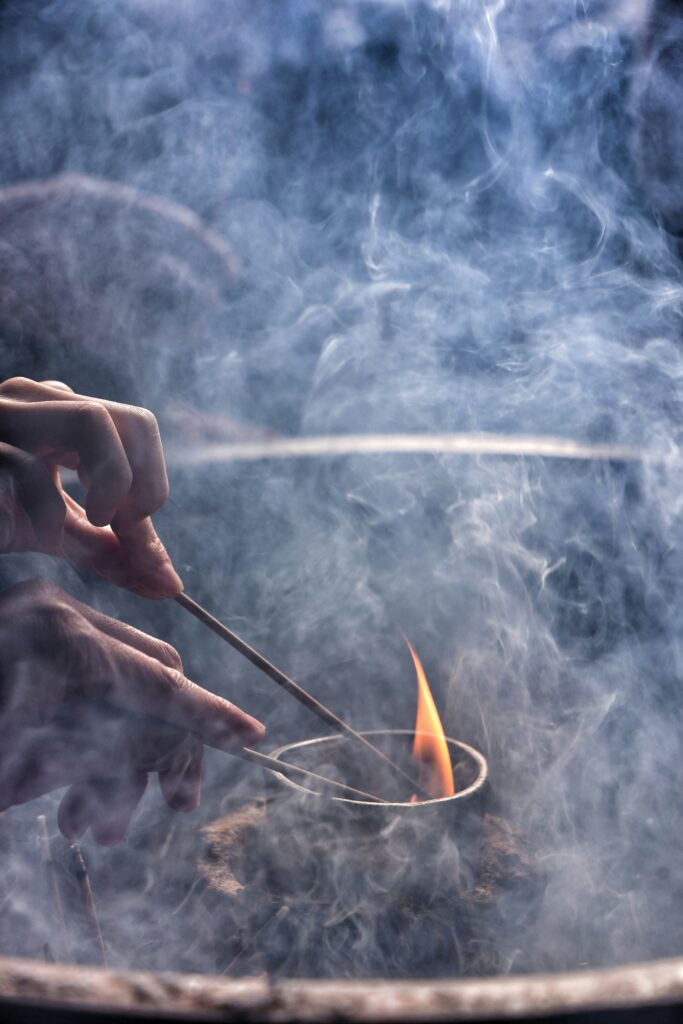
In today’s cultural climate, individuality is sometimes celebrated as the highest expression of truth. People are often encouraged to find their own way, trust their intuition, and shape their lives according to personal conviction. In spiritual practice, this shift has opened extraordinary possibilities: people can explore traditions once separated by geography or language, drawing inspiration from many sources. Yet there is also a quiet unease that something essential may be thinning out as everything becomes customisable.
When a discipline is inherited across generations, its forms are not arbitrary. They are living patterns that shape understanding in ways difficult to see from the inside. Whether in ritual, medicine, or meditation, the outer form often holds the key to inner transformation. The paradox of our time is that the more we claim freedom, the more easily depth can slip through our fingers.
Traditional Chinese medicine provides a valuable lens for exploring this tension. For more than two thousand years it has evolved through lineages of scholars, physicians, and practitioners who balanced personal insight with collective responsibility. Each generation refined what came before, contributing new layers of understanding without breaking the thread of continuity. That same balance remains the challenge for all living traditions: how to stay vital without becoming rootless, how to stay grounded without becoming rigid.
How Traditions Evolve
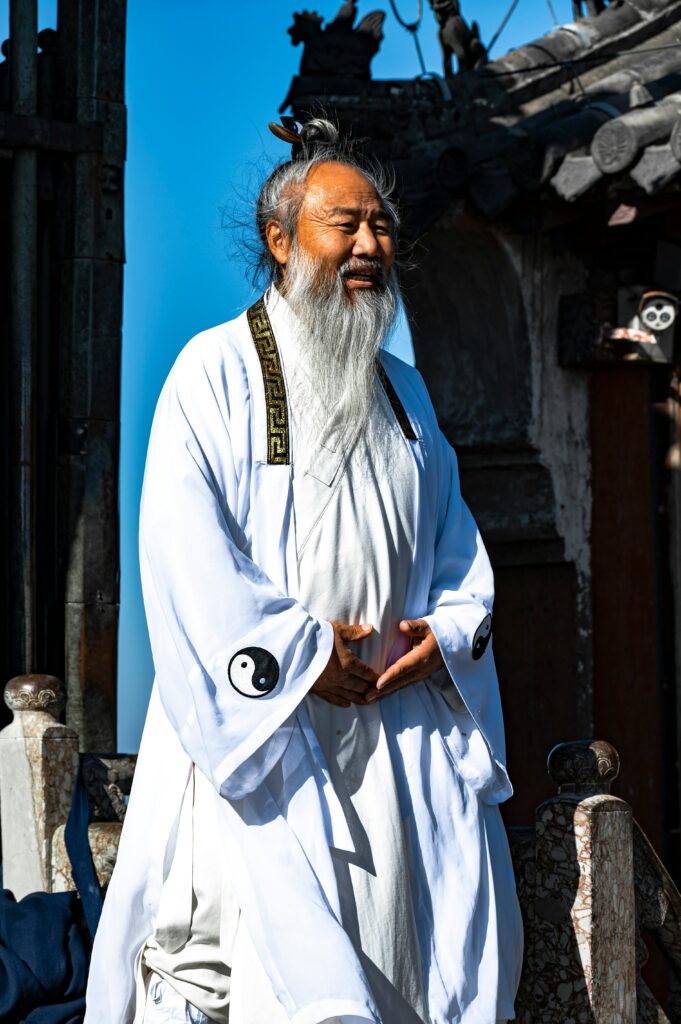
Every tradition begins with observation. In ancient China, physicians documented the relationship between climate, emotion, diet, and illness. These observations coalesced into the Huangdi Neijing, the foundational medical classic that linked the rhythms of Heaven and Earth with the human body. Yet even that text was not a fixed doctrine. Each dynasty produced new commentaries, corrections, and regional adaptations. Tradition was never still; it was a conversation across centuries.
The same principle appears in other cultures and practices. Daoist adepts preserved cosmological teachings through lineages of practice that valued both precision and intuition. Buddhist teachers passed down meditation methods while encouraging direct experience. Celtic and Druidic traditions adapted to changing landscapes and social structures while maintaining reverence for the natural world. None of these systems were inventions of a single mind; they were the gradual crystallisation of collective insight.
To belong to a lineage is not to surrender individuality but to enter into dialogue with those who came before. Each generation learns the established forms and, through lived experience, adjusts them slightly to reflect new realities. In this way, tradition remains alive. It is both the soil that nourishes innovation and the framework that prevents it from losing coherence.
The Modern Rebellion Against Orthodoxy
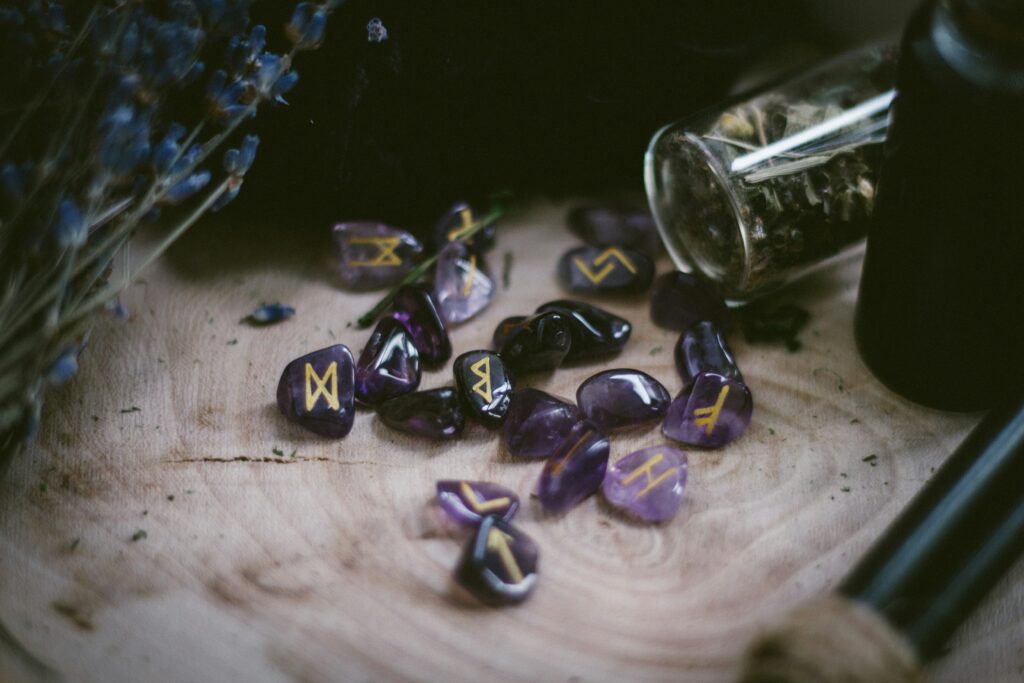
Modern spirituality emerged in part as a reaction to authority. Institutional religion had too often claimed monopoly over truth, leaving many people alienated from the direct experience of the sacred. The twentieth century brought an understandable desire to recover that immediacy. People began experimenting freely with meditation, ritual, healing, and symbol, often outside of formal structures.
This movement had clear benefits: accessibility, inclusivity, and an openness that allowed ancient wisdom to cross cultural boundaries. Yet freedom also brought dilution. When practice is removed from the framework that once held it, meaning can fragment into personal preference. The same phenomenon has shaped how Chinese medicine is understood today.
In the twentieth century, political and cultural forces in China simplified and standardised the medicine into what became known as TCM. Much of its classical subtlety was set aside in favour of a modern curriculum designed for hospitals and research. In the West, acupuncture has since been filtered through biomedical and psychological perspectives, sometimes losing the philosophical depth that originally animated it. The result is a medicine that remains effective in many respects, yet sometimes disconnected from the worldview that gave it depth and coherence.
None of this is a condemnation of progress. Every tradition must adapt to survive. But when adaptation occurs too quickly, or acquired wisdom is sacrificed at the altar of individualism, the roots can loosen. The same pattern can be seen in many spiritual and healing movements: enthusiasm outpaces understanding, and the hard-earned knowledge of lineage is replaced by improvisation. The question is not whether change should happen, but how it can happen without eroding the depth that made these systems worth preserving.
Modern Witchcraft and the Personality of Practice
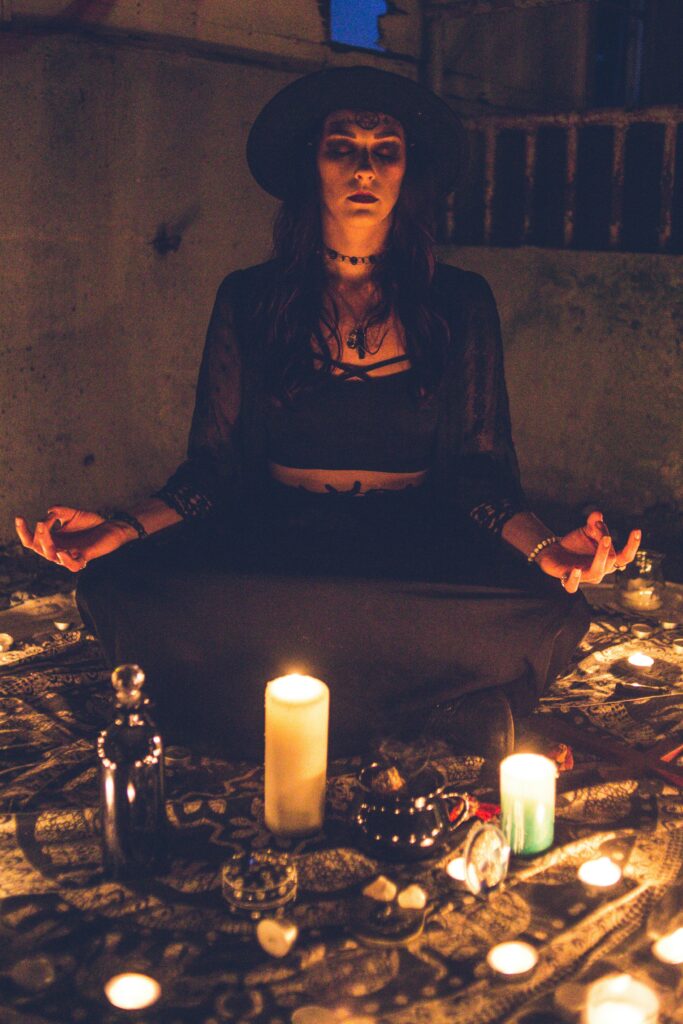
Modern witchcraft offers a vivid example of how individualism reshapes tradition. Unlike older initiatory paths that pass knowledge through formal lineages, contemporary witchcraft thrives in a decentralised landscape. It has no single hierarchy or authority, which allows it to evolve quickly and inclusively. This openness has empowered many people to reclaim intuitive, nature-based forms of spirituality once excluded from mainstream culture.
Within that diversity lies both strength and complexity. The absence of a unified framework means practice is often shaped by personality, creativity, and community influence. Some practitioners study historical texts and preserve the craft with scholarly care. Others follow a more intuitive approach that reflects their experiences and environment. At its worst it becomes a soup of wishful thinking and self-delusion; at its best, an exploration of intent, ritual, nature, and spiritual forces, informed by centuries of observation and experience, encoded in grimoires reaching back to the Middle Ages and before. The result is a living mosaic of practices: inventive, responsive, and deeply personal.
This kind of freedom mirrors changes in many other fields, including modern complementary medicine. Charisma, branding, and digital presence can sometimes overshadow depth of study or connection to lineage. In a society that prizes efficiency and personal freedom, shortcuts, synopses, and whimsical reinvention can usurp the long study, commitment, and humility that lineage practices demand. Yet this is not unique to witchcraft or to healing arts. It is a feature of the wider culture, where visibility often outpaces substance and individuality is rewarded more readily than continuity.
To recognise this is not to criticise those who practise sincerely. It is simply to acknowledge that every tradition faces the same question: how to balance openness and discipline, intuition and craft. When form dissolves entirely, coherence can fade. When it is preserved without renewal, vitality diminishes. Modern witchcraft illustrates this tension clearly: an evolving art that continues to search for harmony between structure and freedom, between the collective wisdom of the past and the individuality of the present.
Tradition as a Vessel of Wisdom: The Classical Chinese Perspective

The physicians of early China did not see their work as purely technical. Medicine was a moral art, inseparable from philosophy and personal cultivation. A healer’s duty was not only to relieve pain but to act in harmony with natural law, serving the balance between Heaven, Earth, and humanity. This ethos was expressed in careful study, apprenticeship, and lifelong refinement.
Training followed the lineage model. Students learned under masters whose understanding came from direct transmission rather than detached theory. Only after internalising their teacher’s method could they begin to adapt it. Skill was measured not by novelty but by the depth of understanding that allowed innovation without losing coherence. In this sense, medical training was akin to calligraphy, music, kungfu, or qigong: a discipline that shaped both technique and temperament.
The classical texts themselves encourage this balance. The Neijing and later works present structure and spontaneity as complementary. They describe the physician as one who “follows the patterns of Heaven and Earth,” implying both obedience to natural principle and responsiveness to change. The theories of Yin and Yang, the Five Phases, and the channels are not fixed doctrines but flexible frameworks. They are languages for describing transformation, capable of endless adaptation without losing their grammar.
This attitude continues to inform genuine practice today. A skilled acupuncturist studies deeply, not to imitate past masters, but to understand the principles that guided them. Each treatment is then shaped by the living context: the season, the patient’s nature, and the practitioner’s presence of mind. It is a dialogue between structure and intuition, between the long echo of tradition and the immediacy of experience.
When Chinese medicine is taught or practised with this awareness, it retains both its roots and its relevance. It becomes not a relic of ancient cosmology but a model for how any living art can evolve responsibly.
The Middle Way: Freedom Within Form
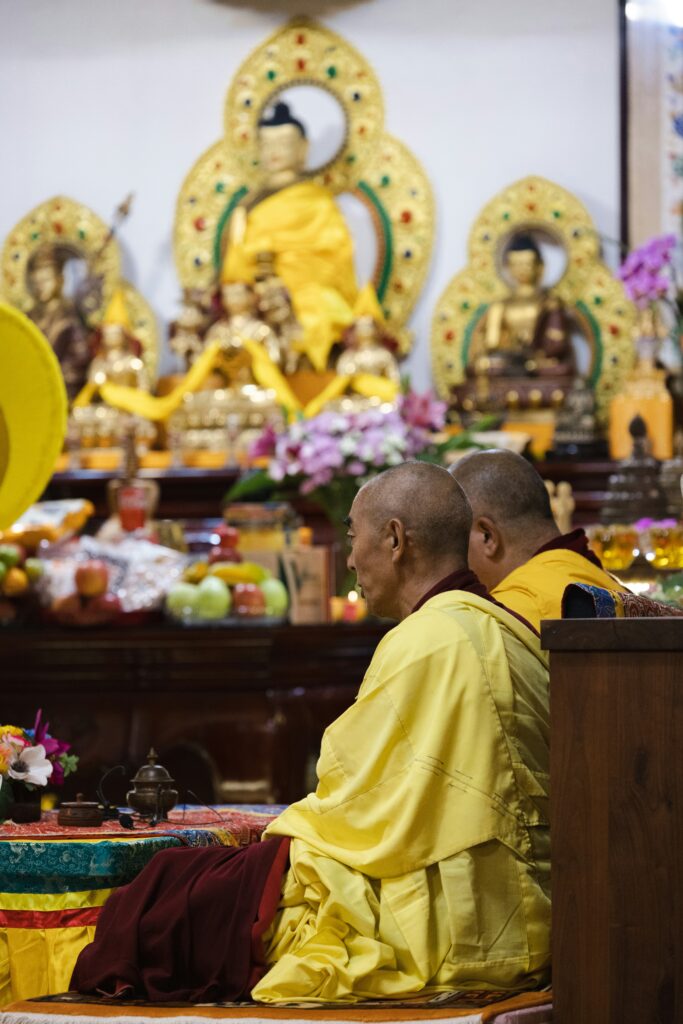
Across many traditions, wisdom arises from recognising that structure and spontaneity are not opposing forces. Daoism speaks of wu wei: action in harmony with the natural flow, where effort and receptivity coexist. Buddhism describes the Middle Way as freedom from extremes, guiding practitioners to live responsively rather than rigidly. The Celtic world viewed time not as a straight line but as a cycle, where adaptation and continuity moved together through the turning seasons.
Each of these perspectives reflects the same insight: true freedom depends on relationship, and a thorough grasp of what has come before. It grows from understanding the principles that sustain life, not from rejecting them. A person who moves with the currents of nature is freer than one who struggles against them. In this sense, discipline is not a restriction but a means of joining the wider pattern.
In acupuncture, this balance is lived every day. The practitioner draws from structure (the channels, point categories, and classical correspondences) but adapts according to what is present. No two treatments are alike, yet all rest upon the same foundation. When practice loses connection to principle, it becomes random. When it clings to theory without listening, it becomes mechanical. The art lies in staying awake to both.
Recovering Reverence in a Self-Made Age
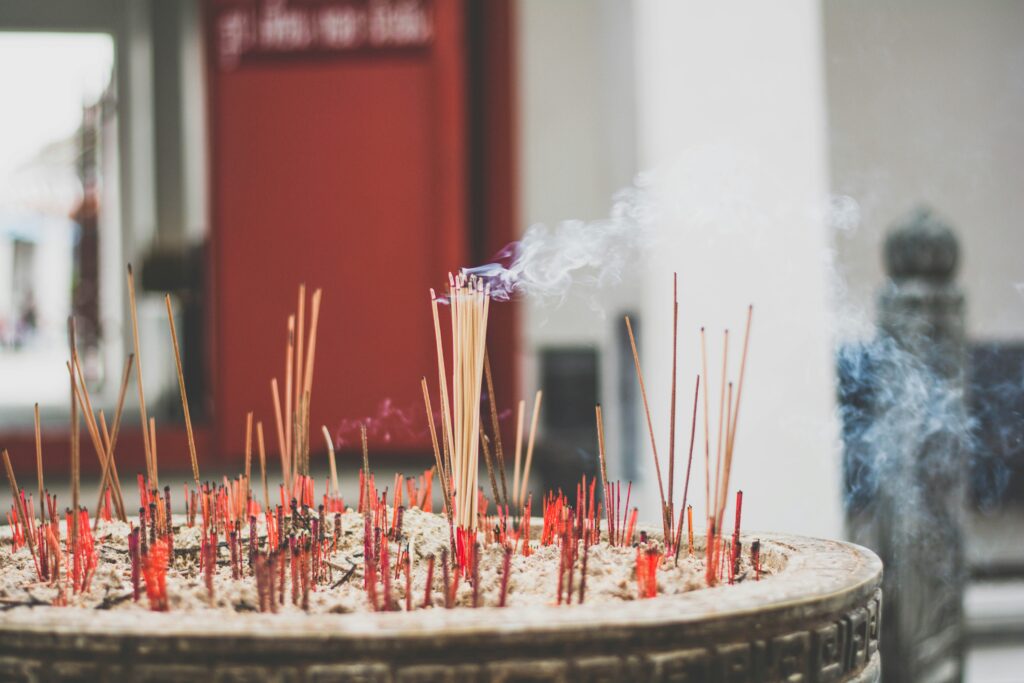
Modern culture often treats knowledge as a possession rather than a relationship. The digital world encourages speed, novelty, and visibility, leaving little space for quiet apprenticeship or patient refinement. In this environment, ancient arts risk being reduced to techniques, fragments lifted from context. What disappears is not information but attitude; the reverence that once linked craft, study, and nature.
Reverence and ritual do not require unquestioning conformity or rigidity. Reverence is a feature of attention, an understanding that wisdom is received rather than invented. Within Chinese medicine, this might mean studying the seasonal cycles rather than rushing to classify symptoms, or observing how the pulse shifts with breath and emotion before reaching for theory. In daily life, it might mean slowing down enough to notice that the same principles govern our own well-being: rhythm, rest, balance, and renewal.
Many modern practitioners are rediscovering this sensibility. Some return to the classical texts; others observe the moon, the solstices, or the quiet patterns of nature as ways of re-anchoring their practice. These gestures need not be nostalgic. They are reminders that healing and wisdom grow from participation in larger rhythms, not from self-assertion.
A Living Balance
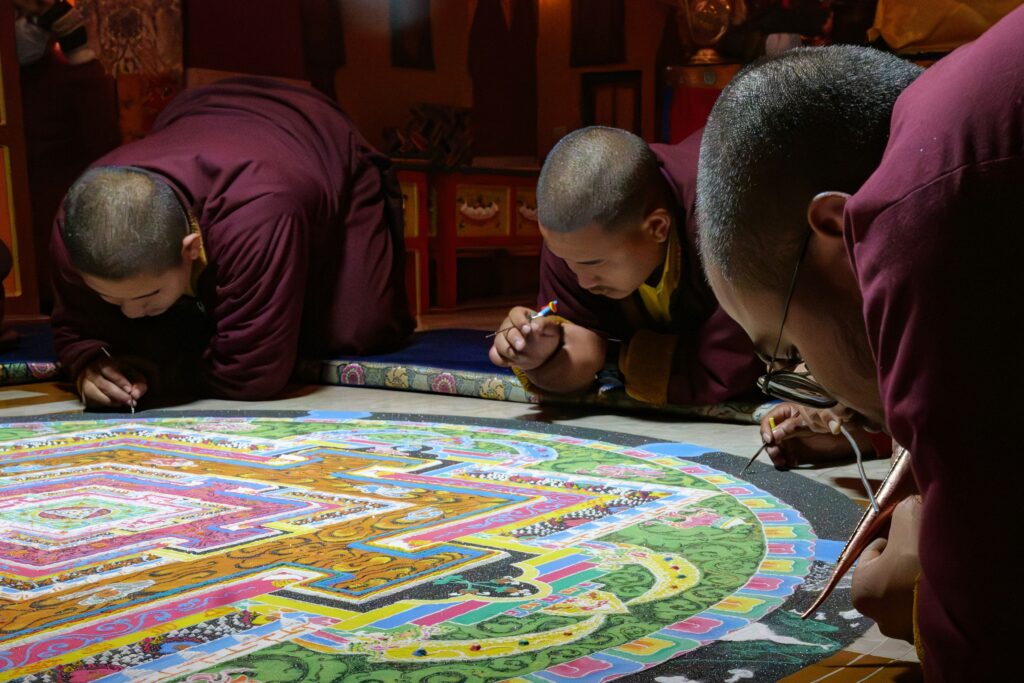
The dialogue between freedom and form is as old as culture itself. Every generation inherits a body of knowledge and faces the choice of how to carry it forward. Too much reverence, and the tradition ossifies. Too much reinvention, and it dissolves into fragments. The skill lies in moving between these poles with awareness.
Chinese medicine offers a model for this kind of maturity. It is neither strictly orthodox nor entirely individualistic. It survives because it listens – to the body, to nature, and to its own evolving voice. It invites both discipline and curiosity, showing that form and freedom are partners rather than rivals.
In the end, the same balance underlies all living wisdom traditions. Whether through witchcraft, Daoism, Buddhism, or Druidic practice, the task is similar: to honour what has been handed down while remaining alive to the present moment. When that dialogue continues, tradition becomes a vessel that breathes. It shelters individuality without confining it, allowing the past and present to meet in the quiet work of understanding.
It’s an unfortunate feature of the human mind to grasp instinctively for absolutes. We want a clear hierarchy between tradition and presence. As ever, the truth lies in the fuzzy, uncomfortable middle ground. We need both, in constant dialogue. Life is a push and pull of process and transformation. Whenever we attempt to overlay it with rigid external rules, we always miss the mark.
Thanks for reading! To explore these ideas further, click here and explore how traditional Daoism has been distorted by modern simplifications and misunderstandings.