

"Technically Speaking"
You can look at any human life as the sum of a complex collection of chemical reactions,
in much the same way as you can look at any beautiful painting as a simple collection of pigments,
Which is to say,
you can miss the point of anything.
Jarod K. Anderson: Field Guide to the Haunted Forest (2020)
Bridging the Gap: The Question of Integration
"How does acupuncture work?"
It’s a question that’s both simple and incredibly complex. Simple, because we can point to centuries of clinical outcomes, to patients who sleep better, digest more easily, feel less pain, or feel more at home in their bodies after treatment. Complex, because despite thousands of studies and decades of research, there’s still no single mechanism that fully explains why stimulating specific points on the body can produce such wide-ranging physiological effects.
And the traditional explanation of manipulating qi just doesn't cut it in today's world of sophisticated microbiology. It's too vague for the modern mindset, at least at first glance. But as you will discover in this article, the ancient theories of Chinese medicine may actually prove to be our best working model.
We know what happens when we needle a point in terms of local tissue response or neural signalling. We can describe some of the changes: shifts in neurotransmitters, hormone levels, brain activity, and inflammation. But none of this quite accounts for the deeper mystery of how certain combinations of points seem to elicit meaningful, system-wide change. That mystery has always been part of acupuncture’s power, though in recent years, it’s also made the practice a target for sceptics who assume anything unexplained must be unscientific.
At the heart of the problem lies a blind spot in modern medicine: we’re very good at analysing the body’s parts, but less good at understanding how those parts work together in a continuous, intelligent process. We can isolate pathways and mechanisms in exquisite detail. But what’s still missing is a clear explanation of how those pathways integrate so precisely across systems and tissues to generate the whole.
This is where Traditional Chinese Medicine (TCM) offers something unique: a framework for understanding the body as an interconnected and dynamic whole. The concept of qi helps us describe this. Qi, in the context of medicine, was never meant to suggest a magical or mysterious energy. Rather, it’s a way of describing the intelligent, coordinated processes that animate and regulate life: the movement and transformation of substances, the communication between systems, and the body’s capacity to respond, adapt and rebalance itself.
When viewed this way, qi becomes less an exotic concept and more a working metaphor; an attempt to describe the integrative logic of the body in terms that precede modern physiology, but are not incompatible with it.
An Uncanny Convergence
And it’s here that something interesting starts to happen. Over the last few decades, thinkers and researchers from a range of disciplines—embryology, fascia research, neurology, biomechanics, osteopathy—have started noticing patterns that resonate with this older view. They may not use the language of qi or channels, but they’re often describing something very similar: an underlying coherence, a deep connectivity, a structural intelligence within the body that science is only beginning to glimpse.
This article is an exploration of that convergence. We’ll look at the work of people like Phillip Beach, Daniel Keown, Robert Becker, Helene Langevin, Tom Myers, and Robert Schleip. We’ll examine the role of fascia, contractile fields, embryological development, and neurological regulation in shaping how we understand acupuncture today. We’ll also touch on some of the research around ATP, adenosine, brain imaging, and the shift toward parasympathetic dominance during treatment.
None of this is meant to replace traditional Chinese medicine or to force its concepts into modern scientific boxes. But it might help bridge a gap in understanding, and offer language that both honours the tradition and makes sense to those looking for evidence-based insight. And along the way, it might bring us closer to appreciating what qi has always pointed to: not an extra force within the body, but its own deep, systemic intelligence.
Qi as Functional Intelligence
For many people, the idea of qi is where things start to get uncomfortable. It’s often treated as the line between what’s considered “real” and what’s supposedly mystical or unscientific. The problem isn’t really the term itself; it’s what people think it means.
In its original context, qi doesn’t refer to a ghostly substance floating through the body. It’s not a kind of magic fuel. In Chinese medical theory, qi describes the active, functional processes that underlie life: movement, warmth, growth, transformation, protection, and communication. It’s what ensures that blood circulates, digestion proceeds, tissues repair, breath deepens, and the body responds to its environment in real time.
In this sense, qi is closer to a verb than a noun. It doesn’t exist as a thing you can extract or contain. It describes what the body does when it’s alive and functioning well. When qi flows smoothly, things work; when it becomes stagnant, deficient, or excessive, function becomes impaired.
Think of qi as a shorthand for the body’s capacity to organise itself. It reflects how the nervous system communicates with the immune system, how hormones regulate cycles, how movement creates internal change. It’s the logic behind function, not an explanation that replaces it.
Ancient Informs Modern
It's worth remembering that this was a concept developed well before the age of molecular science and brain imaging technology. And for a framework devised without intricate knowledge of cell biology, hormones, and nerve pathways, it's astounding how well it still stands up today. Many modern medical techniques, like tibial nerve stimulation (PTNS) to help overactive bladder, echo what Chinese medicine practitioners knew more than two millennia ago.
In modern terms, we might talk about bioelectricity, cellular signalling, neuroendocrine feedback loops, or fascial responsiveness. These are mechanisms: descriptions of how something happens. Qi is more like a map of what should be happening when things are in balance, and a language for recognising when they’re not.
And while modern science can describe individual processes in remarkable detail, what it often lacks is a vocabulary for how these processes interact across systems. How does a shift in posture affect digestion? Why does working on the feet relieve headaches in some people? How does a stimulus on the skin create emotional release? These are all valid clinical observations, but they don’t always fit neatly within the separate boxes of neurology, endocrinology, or musculoskeletal function.
This is where qi remains useful. It gives us a way to track patterns and relationships across the entire system. It’s not an alternative to physiology, but a lens for perceiving its integration.
Increasingly, research is starting to support this kind of thinking, even if it doesn’t use the same terms. In fascia studies, in systems biology, in embryology, in brain imaging and bioelectric mapping, there’s a growing sense that the body operates as an intelligent whole, rather than just a bundle of systems working side by side: an adaptive network where structure, function, and response are inseparable.
Meridians as Functional Fields

For anyone trained in Western anatomy, the idea of meridians can be hard to accept. They don’t show up on dissection tables. They're not blood vessels or nerves. You can’t inject dye into a meridian and watch it travel. But dismissing them because they don’t conform to anatomical norms misses the point. Meridians were never meant to represent physical tubes or wires. They were developed as maps of function, not form.
If we let go of the need for meridians to be literal structures, a different picture starts to emerge: one in which meridians represent patterns of connection, coordination, and responsiveness. They are the lines along which tension is held or released, sensation moves, change is felt. They’re not anatomical in the Western sense, but they are anatomical in a functional sense; they trace the paths along which the body behaves as an integrated system.
This is where fascia comes in.
Fascia is the connective tissue network that envelops, links, and separates muscles, organs, and systems. Once thought to be inert packing material, fascia is now understood to be rich in nerve endings (about 250 million, which is more than a human eyeball possesses), highly responsive to mechanical force, providing interoceptive information about stretch, tension, and pressure, and intimately involved in movement, posture, inflammation, and pain. It’s continuous from head to toe—wrapping the limbs, lining the abdomen, anchoring the organs, and interpenetrating muscle fibres.
Researchers like Tom Myers, through his work on Anatomy Trains, have mapped out myofascial lines—longitudinal chains of muscular and fascial tension that spiral and weave through the body in recognisable patterns. These lines closely resemble the sinew channels of Chinese medicine (jing jin): pathways that describe how muscular patterns affect posture, flexibility, and function.
Other researchers, like Robert Schleip, who wrote Fascia: The Tensional Network of the Human Body, have shown that fascia isn’t just mechanically responsive—it’s neurologically active, such that the nervous system plays a vital role in what some might view as purely “physical” restrictions. Fascia can contract, conduct signals, and adapt to long-term movement patterns or immobility. It forms part of the body’s communication system, linking sensation, coordination, and structural integrity. It forms our form.
Zones of Influence
In this light, meridians might not be invisible myths but functional fields: zones where the fascial, muscular, neural, and even emotional aspects of the body interact in predictable ways. Stimulating these areas (whether through acupuncture, tuina massage, or movement) doesn’t activate a “line” as such, but it intervenes in a functional network that shapes how the body behaves.
This idea is central to biotensegrity: the concept that the body’s structure isn’t held together like a scaffold or stacked bricks, but rather like a tensegrity model—an arrangement of continuous tension and local compression. Fascia plays the role of the tension matrix, distributing force and supporting movement across the whole body. This dynamic model explains why a change in one area—say, tension in the feet—can influence areas seemingly far away, like the neck or jaw. It also helps explain why acupuncture at one distal point can relieve symptoms in a seemingly unrelated area. An often-used comparison is to think of pinching the material of a shirt, and how that affects lines of fabric distant from the point of tension.
In short, meridians may not be structures you can cut or stain, but they describe something very real: the body’s capacity to coordinate movement, posture, tension, and sensation across wide distances, through lines of internal communication that we’re only just beginning to measure.
Contractile Fields and Archetypal Postures

Phillip Beach, an osteopath and acupuncturist, offers one of the most intriguing modern takes on how the body organises itself. In his book Muscles and Meridians: The Manipulation of Shape, he proposes that human structure is governed not by isolated muscles but by larger, patterned fields of contraction and release—what he calls contractile fields.
These fields aren’t limited to one anatomical layer. They involve muscles, fascia, nerves, and bones acting in coordination, forming emergent zones of function that shape how we move, stand, and even how we heal. They overlap in a way that maps surprisingly well onto traditional meridian pathways, particularly the sinew channels. In Beach’s view, acupuncture points may correspond to key areas within these fields: zones where tension accumulates, where information flows in and out, where touch or pressure can affect the whole. Being movement-dependent, they would not be present in a cadaver, thus postmortem searches for these channels would prove fruitless.
But Beach goes further. He argues that these patterns of organisation are not just mechanical, but embryological. The body develops from a set of primitive, spiralling, folding movements. These early patterns become the blueprint for how adult tissues interact. In this model, meridians aren’t overlaid on the body after the fact; they’re inscribed into it from the very beginning.
A Lost Literacy
Beach also introduces the idea of archetypal postures—primordial positions that humans are designed to return to again and again. These include squatting, kneeling, sitting cross-legged, and other positions commonly seen in young children or in traditional cultures where chairs are not the norm. According to Beach, these postures aren’t just culturally interesting, but biologically essential. They help maintain joint mobility, tissue hydration, fascial elasticity, and neuromuscular balance.
In modern life, many of us have lost the ability to access these postures. We sit in chairs, wear rigid shoes, walk on artificial flat planes, and avoid deep flexion. Over time, this erodes our access to natural movement, compromises our posture, and contributes to chronic pain or dysfunction. In the West, where squatting is something most only do at the gym, and then reluctantly, and where children are trained to sit obediently in chairs from nursery school, it may be no coincidence we have an epidemic of chronic back pain. Our bodies have lost their shape literacy: their capacity to reorganise themselves efficiently.
From this perspective, therapeutic approaches like tuina, acupuncture, and qigong aren’t just about treating symptoms. They help restore the body’s ability to re-pattern itself—reactivating forgotten fields, reawakening postural intelligence, and supporting the return to more integrated movement. Needling a point might not simply reduce inflammation or interrupt a pain signal; it may send a prompt through the body’s deeper blueprint, helping it remember what it once instinctively knew how to do with ease.
Beach’s framework sits beautifully alongside Chinese medical thinking: both are concerned with flow, integration, and the relationship between form and function. And both assume that health emerges not from isolated repair jobs, but from reconnecting the body’s own innate organisation.
Embryological Origins and the Logic of the Channels
If fascia helps us understand how the body maintains coherence in adulthood, embryology offers a glimpse into how that coherence is first established. In The Spark in the Machine and The Uncharted Body, Dr Daniel Keown makes a bold but compelling claim: that acupuncture channels are not mysterious lines added on to anatomy, but are the first organising systems of the body. They emerge early in embryonic development, as germ layers (endoderm, mesoderm, and ectoderm), before organs and limbs are fully formed, and act as guides for growth and differentiation.
Embryologically, the body begins as a simple tube. From there, it folds, segments, buds, and twists into the complex human form. Throughout this process, groups of cells communicate with extraordinary precision—sending biochemical signals, changing shape, moving toward or away from stimuli. Keown argues that this early signalling network is effectively what Chinese medicine calls the channel system. It isn’t a nervous system or vascular tree, but something more foundational: a pre-structural scaffolding of communication and orientation, guiding cells to their proper place and function.
This idea helps explain why stimulating a point on the foot might affect the pelvis, or why certain distal points influence the head. These connections were laid down before the adult anatomical layout was finalised. Many were literally connected before the body unfurled during gestation. The body didn’t grow on top of a completed structure, but unfolded from within a dynamic, responsive field that kept track of all its emerging parts. That field never disappears; it just becomes harder to see.
The Vanishing Organ and the Six Divisions
Keown also reframes the San Jiao (Triple Burner)—often dismissed in modern texts as a mysterious or metaphorical organ, the "organ without form" that links upper, middle, and lower torso. In his interpretation, the San Jiao represents the body’s capacity to manage internal space and flow: pressure gradients, fluid movement (including interstitial fluids), and metabolic heat. Rather than being a solid organ, it reflects a functional architecture essential to life: the relationship between containers and contents, between form and flux. This is exactly the kind of logic that embryology reveals, and that Chinese medicine tracks in its own language.
His work also draws attention to the six divisions (taiyang, shaoyang, yangming, etc.), which are deeply significant in classical thought, and which, unlike the yin-yang pairings of Spleen and Stomach, for example, pair channels by their physical and functional aspect—Lung and Spleen follow the anterior yin aspect of the arms and legs respectively, and both function as our borders of exchange with air and food.
These divisions describe paired pathways and functional states that regulate how the body responds to climate, emotion, and internal imbalance. Interestingly, some of these divisions appear to map quite closely to dermatomes and myofascial spirals, again suggesting that ancient channel theory may reflect real patterns of neurodevelopment and musculoskeletal organisation.
From this perspective, acupuncture becomes more than a technique: it becomes a way of interacting with the body’s original design language. The channels emerge from within, as part of the same intelligence that tells cells how to divide, organs where to form, and tissues how to move together as one.
Fascia and the Language of the Body

Fascia is having a moment. Once treated as little more than the wrapping on the body’s meat, it’s now recognised as one of the most important tissues in human physiology: a vast, continuous, intelligent network that links every part of us to every other part. And it may well be the medium through which acupuncture speaks most fluently to the body.
Fascia surrounds, supports, segregates, and interpenetrates every muscle, organ, nerve, and vessel, comprising almost a fifth of our bodyweight. It forms the structural matrix that gives our bodies shape and coherence, yet it’s far from passive. Fascia is rich in mechanoreceptors and sensory nerves, contains immunological cells, and contributes to the flow of interstitial fluid.
Crucially, mechanoreceptors (movement receptors) compete with nociceptors (pain receptors) for the same space in our conscious experience, which may help explain how by affecting the fascia with needles we can modulate our experience of pain.
Fascia responds to tension and compression, communicates with the immune and nervous systems, and can change its properties in response to mechanical stimulation. In other words, it’s alive, responsive, and deeply intelligent in its own right. This has major implications for acupuncture.
Dr Helene Langevin, a physician and researcher at Harvard and the NIH, has conducted some of the most influential studies on how acupuncture needles interact with connective tissue. Her research shows that when a needle is inserted into fascial tissue and gently rotated, the fascia wraps around the needle in a spiral—an effect she termed “needle grasp.”
For centuries, Chinese acupuncture has emphasised the importance of attaining deqi, the felt sensation of energy arriving at a point, whether that be heat, vibration, aching, or the tissue grabbing the needle. Twisting, pecking, and otherwise manipulating the needle are common classical techniques, and this fascial wrapping may well be the explanation behind its clinical significance.
This mechanical coupling triggers a cascade of responses, from cellular deformation to biochemical signalling and the release of endogenous painkillers. Fibroblasts (the cells responsible for maintaining the extracellular matrix) change shape, gene expression alters, and signalling molecules like ATP are released.
That last point is particularly interesting. ATP is the body’s energy currency, and when it’s broken down in the extracellular space, one of its metabolites—adenosine—has powerful effects. It binds to receptors that reduce pain perception and inflammation. In some studies, acupuncture has been shown to raise adenosine concentrations significantly in local tissues, helping explain its analgesic effects in physiological terms. Placebo effect is likely to play a role in acupuncture, as it is with all medical interventions—and to great benefit—but it can't fully account for these measurable biological responses.
Meanwhile, Robert Schleip’s work has shown that fascia itself is contractile, meaning it can respond not just passively to stretch, but actively engage in movement patterns. It behaves like a tissue that belongs as much to the nervous system as to the musculoskeletal system. It’s sensitive, adaptive, and capable of long-distance communication via fluid shifts, tension propagation, and possibly even electromagnetic conduction or piezoelectric charge.
Orchestrated Bodies
Tom Myers, in mapping the myofascial lines of the body, has helped visualise how this continuity plays out in motion. His “anatomy trains” show that muscles don’t operate in isolation; they work as parts of chains or spirals, with tension and load distributed across broad, seemingly unrelated areas.
This has long been taught and capitalised on by qigong practitioners and internal martial artists. Whole-body power and integration are fundamental to Chinese arts like taijiquan, baguazhang, xingyiquan, and bajiquan. When we speak of meridians or contractile fields, this is part of what we’re describing: an extended field of influence, where local stimulation can have systemic effects.
Together, these researchers support the idea that acupuncture doesn’t work by activating a single mechanism. It works by engaging with the body’s primary matrix of responsiveness. Fascia doesn’t just hold us together: it feels, responds, and remembers. A needle inserted into fascial tissue becomes a stimulus not only to the site itself but to the surrounding network, potentially initiating change across broader functional lines.
This begins to explain how acupuncture may affect multiple systems at once—nervous, immune, hormonal, structural—without targeting any one of them directly. It engages the ground substance of the body: the tissue that connects and communicates across boundaries. In this way, fascia becomes the meeting point between classical Chinese medicine and modern biology. It’s the web through which qi may act—not as a supernatural force, but as a pattern of intelligent responsiveness.
Electricity, the Nervous System, and the Body’s Control Centres
Fascia may provide the structural and sensory matrix through which acupuncture exerts its effects, but the nervous system is where many of those effects take root. Needling doesn’t just trigger local responses; it can alter patterns of brain activity, hormonal output, and autonomic tone. In this sense, acupuncture functions not only as a local intervention but as a neurological event, capable of influencing the body’s most central regulators.
This brings us to the work of Robert Becker, an orthopaedic surgeon and pioneer in the field of bioelectricity. In The Body Electric, Becker proposed that the body’s tissues generate weak but measurable electrical fields, and that these fields are essential for processes like healing and regeneration. He demonstrated that electrical potentials guide tissue repair and that certain sites on the body—especially near joints or limb junctions—are more electrically active.
What’s striking is that many of these electrically sensitive zones coincide with acupuncture points. Becker’s findings suggest that acupuncture may work not by adding energy into the system, but by interacting with the body’s native bioelectrical communication, nudging it back into coherence where it’s been disrupted.
More recently, in We Are Electric: The New Science of Our Body's Electrome, Sally Adee discussed how every cell has bioelectric voltage that affects how we develop in the womb, how we heal, and how we become ill.
When a needle stimulates the skin or underlying fascia, sensory information is carried to the spinal cord and then to the brain. But this isn’t just a reflex arc; it engages multiple brain centres, some of which govern far more than pain perception.
Functional MRI studies have shown that specific acupuncture points correlate with predictable patterns of brain activation. For example:
- LI4 (Hegu) can activate the somatosensory cortex, limbic system, and brainstem pain-modulating areas.
- ST36 (Zusanli) has been shown to influence regions involved in gastrointestinal regulation and autonomic function.
- GB37 (Guangming) can be seen to modulate brain activity in the visual cortex.
Scalp acupuncture, a growing field building on traditional scalp points and informed by our modern understanding of the brain's functional structure, likely operates by interacting with nervous pathways that connect with the vagus nerve, which helps regulate digestion, heart rate, and respiration, and plays a significant role in the parasympathetic ("rest and digest") branch of our nervous system.
Influential Points
Beyond sensory processing, acupuncture appears to influence the hypothalamic–pituitary–thyroid (HPT) axis, a hormonal system that regulates metabolism, stress, and immune response. Studies suggest that acupuncture can alter cortisol levels, reduce sympathetic overdrive (chronic "fight or flight"), and promote more resilient parasympathetic tone.
This shift toward parasympathetic dominance—the state of rest, digestion, and repair—is one of the most clinically valuable outcomes of treatment. It’s often described by patients as a sense of deep calm, emotional release, lightness, groundedness, or reconnection with the body. These aren’t side effects: they’re evidence of a reset at the level of autonomic regulation.
There’s also growing interest in how acupuncture affects brain areas involved in emotion, motivation, and behaviour. The limbic system, which governs emotion and memory, shows measurable changes in response to needling. So does the basal ganglia, involved in motor control and habit formation, and the prefrontal cortex, the part of the brain responsible for attention, planning, and self-regulation.
In other words, acupuncture seems to reach into the command centres of the body—not just adjusting symptoms, but creating space for new patterns to emerge. It may help explain why regular treatment can shift not just pain levels, but mood, sleep, digestion, posture, and even outlook.
Dermatomes, Huatuojiaji Points, and Spinal Modulation

So far we’ve looked at fascia, contractile fields, embryology, and brain imaging—but there’s another perspective that offers compelling insight into how acupuncture works: the spinal cord.
The spinal cord isn’t just a highway for transmitting signals to and from the brain. It’s also a powerful site of local regulation, where sensory inputs, motor commands, and visceral functions are coordinated in real time. This is where dermatomes and the Huatuojiaji points come in.
Dermatomes are regions of skin that correspond to specific spinal nerve roots. Stimulate a point on the skin, and you’re influencing the nerve that supplies that region, as well as the muscles, joints, blood vessels, and even internal organs linked to that same spinal segment. This creates a powerful channel for modulating function through targeted sensory input.
Acupuncturists have long taken advantage of this reflexive map, even if they haven’t used the term dermatome. Distal points often work segmentally: needling the wrist affects the shoulder, the foot affects the hip or lower back. This reflects neurological convergence, where inputs from skin, muscle, and viscera converge onto the same spinal segment and influence each other.
The Central Pillar
The Huatuojiaji points—a series of bilateral points running along the spine, just lateral to the spinous processes—are especially interesting in this context. Named after the physician Hua Tuo, these points sit directly over the facet joints and adjacent to the spinal nerve exits. Needling them can influence both musculoskeletal tension and autonomic outflow to the organs.
For example:
- Needling T4–T6 can affect the lungs and chest.
- T9–T11 corresponds with digestive and pancreatic function.
- L2–L4 may influence reproductive and urinary systems.
Some practitioners describe the Huatuojiaji points as “reset switches”—ways of rebalancing local spinal reflexes that may have become stuck due to chronic tension, trauma, or inflammation. Needling here may interrupt maladaptive feedback loops and restore normal tone to both local tissues and the organ systems they influence.
This segmental approach supports a broader view of acupuncture as a kind of nervous system tuning. Rather than working only through mechanical release or local blood flow, it interfaces with the spinal cord directly—inviting it to recalibrate, redistribute, and reintegrate sensory and motor information.
It’s yet another way that acupuncture moves beyond the symptom-based model of treatment. By engaging with the neurovisceral map of the body—skin, muscle, fascia, nerve, organ—it acts as a systemic prompt. And because this map is mirrored all along the spine, literally the central pillar of our being, the Huatuojiaji points offer a direct and potent channel into the body’s internal organisation.
So… What’s Actually Happening When We Needle a Point?

With all these layers in play—fascia, embryology, neurology, bioelectricity—it’s tempting to look for a unifying explanation. A mechanism that explains, once and for all, what acupuncture does. But that search might be the wrong approach.
Instead of reducing acupuncture to a single action or effect, it may be more accurate to see it as a systemic prompt: a signal that the body receives in multiple places at once. A well-chosen acupuncture point likely does many things simultaneously:
- It mechanically deforms fascia, triggering local and downstream signalling.
- It stimulates sensory nerves, altering spinal and brain activity.
- It modulates autonomic tone, nudging the system toward parasympathetic rest.
- It shifts bioelectric fields, resetting local tissue charge.
- It re-engages developmental patterns, evoking structural memory.
- It reorganises tension, changing movement, breath, and internal pressure.
Any one of these responses might be measurable. But the real effect comes from how they interact. This is where modern science, with its tendency towards specialisation and isolation, often struggles—not in identifying components, but in explaining how those components work together as a whole.
A particular acupuncture point may have well-documented effects on pain, digestion, or emotion. But it’s the combinations of points, the sequencing, the tone and rhythm of treatment, that create the real shift. This is difficult to quantify. There’s no single receptor, pathway, or gene that explains why needling PC6 with SP4 (Yin Wei Mai & Chong Mai) can alter both heart rhythm and gut motility, or why working with BL62 and KI6 (Yang & Yin Qiao Mai) can help reorganise sleep cycles and anxiety patterns.
The Nudge of a Needle
We’re left with a striking observation: acupuncture appears to coordinate the body across systems. It doesn’t override the body’s intelligence... it reminds it. The combination of points acts like a message: a set of instructions, invitations, or questions that the body responds to not with one action, but with a cascade of responses that ripple through its networks.
This is part of why attempts to study acupuncture using narrow, reductionist methods often fall short. The effects are real, but they’re not always linear. Theories on micro-damage by needles causing the release of painkillers don’t nearly explain its complexity. And individualised, holistic, hands-on treatments involving therapeutic relationship do not fit neatly into the pharmaceutical gold standard of double-blinded randomised controlled trials—nor are they generally large enough or long enough.
One treatment might help with sleep, pain, digestion, and mood—not because it’s working on four separate systems, but because it’s shifting the body back into a more coherent, integrated state. And that treatment might look different for a person of differing constitution or presenting different patterns of disharmony.
This coherence is what Chinese medicine calls harmony. But from a physiological perspective, it may reflect a state in which the body’s various networks—nervous, immune, endocrine, fascial—are talking to each other more effectively, re-establishing relationships that have been strained or lost.
This doesn’t mean we can’t study acupuncture with rigour. It just means we need models that account for complexity, pattern, and integration—something Chinese medicine has always recognised, and something modern science is only beginning to grasp.
The Missing Map: Ancestral Intelligence

We understand a great deal about the body’s individual systems. We know how nerves conduct signals, how hormones regulate metabolism, how muscles contract and blood flows and immune cells communicate. We’ve sequenced the genome, mapped the brain, and catalogued the microbiome. And yet, for all this knowledge, there remains something we can’t quite explain: how it all fits together.
It’s not just that the body has many systems. It’s that these systems interact with astonishing coherence. Signals travel between tissues at different speeds—electrical, chemical, mechanical—and yet decisions are made in fractions of a second. The heart speeds up before the first step of a sprint, and with every in-breath. The gut slows down during stress. An old scar affects how we walk. A fearful thought changes our posture. Somehow, the body adjusts moment by moment, keeping us in balance... or at least, trying to.
This ability to self-regulate across systems isn’t accidental. It points to a deeper kind of organisational intelligence, something that traditional Chinese medicine has always assumed. Qi theory, in this light, isn’t about energy: it’s about coordination. It’s an attempt to describe the body’s capacity to adapt, prioritise, distribute, and respond in a way that preserves function and promotes renewal.
The problem is, we don’t yet have a modern scientific model that captures this integration in full. We have pieces of the puzzle—biotensegrity, systems biology, neurovisceral reflexes, the body schema—but no map that shows how they all relate in real time. We can observe that fascia links muscle to organ, that embryological segments create functional zones, that sensory input shapes autonomic output… but how does the body know what to prioritise? How does it coordinate change across so many systems at once?
The Road to Integrity
Acupuncture seems to touch that integrative mechanism. When it works well, it doesn’t just relieve symptoms. It reorganises. People feel different—more centred, more at ease in their bodies, more connected. Sometimes the changes are immediate. Sometimes they unfold over days or weeks. But often, they arrive with a sense of return, as if the body had remembered something it had forgotten, and now knows how to proceed.
This isn’t something we can fully quantify. It’s not reducible to a single neurochemical shift or anatomical structure. And that’s why, despite decades of research, the real mechanism of acupuncture remains elusive. It likely involves multiple systems interacting in synchrony. But it also points to something beyond mechanism: the alluring possibility that the body holds its own deep map—a memory of how it was meant to function, shaped by evolution, development, and lived experience. An ancestral intelligence.
Acupuncture doesn’t impose change. It invites it. Nudges it. It initiates a conversation in the body’s own language: pressure, stretch, pulse, breath, stillness. In doing so, it activates the body’s capacity not just to fix problems, but to rediscover coherence.
The Mystery That Connects Us

Acupuncture defies easy explanation. It works across systems, across tissues, across time. Sometimes it relieves pain. Sometimes it lifts mood or shifts digestion or helps a person sleep for the first time in years. Sometimes it does all of these at once.
We can describe many of its effects in biological terms: the release of ATP and adenosine, the activation of brain regions on fMRI scans, the modulation of spinal reflexes and the shift toward parasympathetic tone. We can trace its engagement with fascia, its influence on embryological patterning, its effects on neuroendocrine feedback loops and postural tone. Each of these offers a glimpse into how acupuncture might work.
And yet, none of them explains the full picture.
The body is not a machine composed of separate parts. It is a living, sensing, communicating whole—a network of networks, coordinated through millions of feedback loops that most of us are barely aware of. Acupuncture seems to reach into this system not by targeting it, but by inviting it to remember how to regulate itself. It doesn’t force change. It asks for it, and the body responds—sometimes in subtle ways, sometimes dramatically.
The Bigger Picture
This is where the traditional concept of qi still holds value. Not as an invisible substance or mystical force, but as a way of understanding the relational intelligence that animates the body. Qi describes flow, transformation, responsiveness, and repair. It describes the body’s ability to communicate with itself across time and space, from cell to organ to consciousness.
Does qi move through the fascia, nervous system, bloodstream, interstitial fluids, or muscles and sinews?... Yes! It is a felt expression and descriptor of all our biological functions. It is the energy that sustains us, but it is not separate from us. It is the conductor who brings structure and harmony to the orchestra of the living body. And while science hasn’t yet found a way to quantify qi directly, it continues to uncover mechanisms—bioelectrical, fascial, neural, embryological—that resonate with its logic.
There’s a humility required here. Acupuncture continues to work in ways we do not yet fully understand. We don't really know why particular points and combinations do what they do. That doesn’t mean it’s unscientific. It means that science is still catching up with complexity. And it means we need to build bridges between traditions that have long valued pattern, integration, and internal coherence, and newer models that are only beginning to appreciate these same principles in biological terms.
There are some sceptics who would happily throw out the centuries of wisdom accumulated by Chinese medicine, dismissing it as pseudoscience because of cultural prejudice, misunderstanding, or sheer wilful ignorance. There is a tendency to assume that the whole thing is built on fanciful notions of mysterious energies, to close minds and to look no deeper.
Then there are those who would "sanitise" acupuncture by extracting it from its TCM paradigm, and lodging it firmly in the realm of dry needling, or Western Medical Acupuncture. This reductionist approach to acupuncture strips it of its psycho-emotional depth, its elegant interpretation of complex functions, and centuries of careful observation, insight, and wisdom.
I would strongly urge against such an extreme course. Traditional East Asian Medicine, with its top-down, interconnected and holistic viewpoint, may well be the missing link, or at least have much to inform the next leap of understanding. There is so much about ourselves that we still do not fully understand. And when faced with mystery, our best instinct is exploration and conversation, not entrenchment and arrogant dismissal.
In the clinic, none of this is abstract. What matters is the person in front of you: their pain, their energy, their recovery. But behind every treatment is this larger dialogue—between systems and signals, between past and present, between what we can measure and what we can feel. Acupuncture sits in that space. It speaks a language the body recognises, even if we’re still learning how to translate it.
So perhaps the question isn’t only how acupuncture works. Perhaps it’s also what acupuncture reveals—about the depth of the body’s intelligence, about its capacity for reorganisation, about what we don't yet know, and about our growing understanding that healing is not the correction of parts, but the recovery of wholeness.
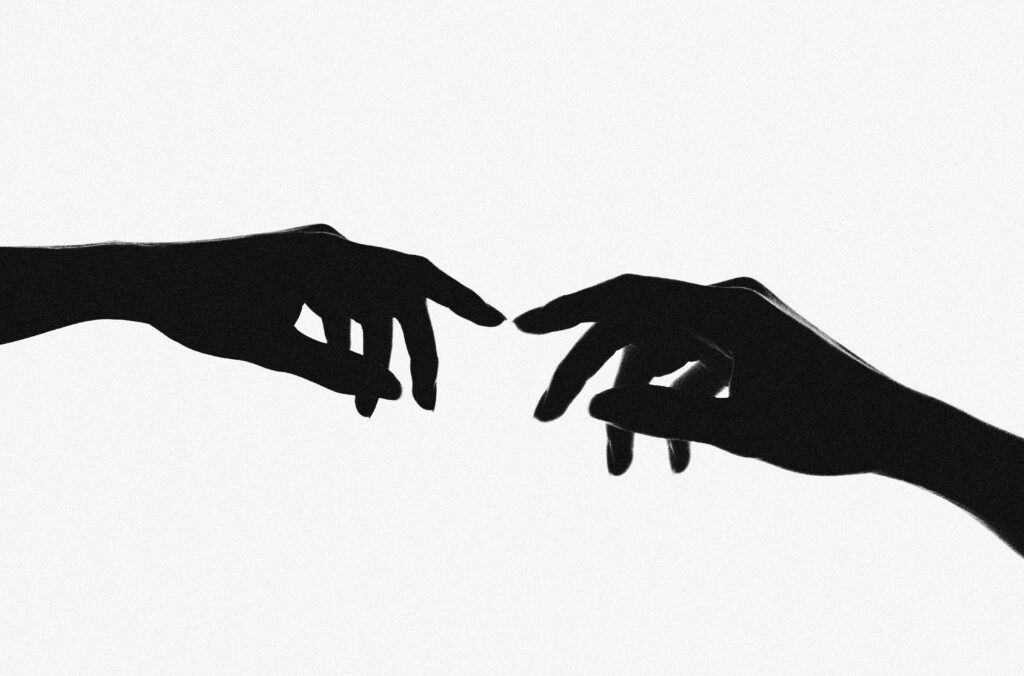
We're not a collection of pigments on canvas. We're works of art.
There's a lot more to explore...
Click here to learn more about Chinese medicine, or here to see how acupuncture, qigong, and tuina can support your health and wellbeing.