


Struggling with anxiety?
Acupressure, a simple yet powerful technique, has been used for thousands of years to promote relaxation and emotional well-being. By stimulating specific points on your body, acupressure can soothe the nervous system, ease physical tension, and reduce symptoms of anxiety naturally. In this article, we’ll explore how acupressure works, the science behind it, and five essential pressure points for effective anxiety relief.
Key Takeaways
- Acupressure is an ancient, non-invasive therapy that alleviates anxiety by stimulating specific body points.
- Five key acupressure points—Shen Men, Yin Tang, Sanyinjiao, Neiguan, and Baihui—are particularly effective for reducing symptoms of anxiety.
- Scientific evidence supports acupressure as a complementary treatment for managing anxiety, alongside other therapeutic strategies.
Understanding Acupressure and Anxiety
Acupressure is one of the oldest healing techniques in Traditional Chinese Medicine (TCM), with archaeological evidence of stone needles from a Neolithic site in Mongolia estimated to be between 4,000 and 10,000 years old.
Like acupuncture, acupressure focuses on specific points along the body’s energy pathways, known as meridians or channels, to restore balance and improve health. However, instead of needles, acupressure uses gentle yet firm touch to activate these points, using either tools or direct contact.
In TCM, emotional health is deeply connected to the flow of qi (pronounced “chee”), which is way of describing the body’s vital energy. Anxiety is often attributed to imbalances or blockages in qi. For instance, TCM associates anxiety with the Heart, Kidney, and Spleen networks, which can manifest as physical symptoms like palpitations, overthinking, or fearfulness.
Acupressure provides an effective way to address these imbalances. By targeting specific points, it calms the mind, improves circulation, and restores the body’s natural harmony.
How Anxiety Manifests in the Body
Anxiety doesn’t just affect your mind—it takes a toll on your body as well. Common physical symptoms include:
- Racing heart or palpitations: A rapid heartbeat is a classic sign of anxiety, often accompanied by a sense of dread.
- Muscle tension and stiffness: Stress often settles in the shoulders, neck, or jaw, causing discomfort or pain.
- Shortness of breath: Anxiety can trigger shallow breathing or hyperventilation, making it harder to feel grounded.
- Restlessness and fatigue: Feeling simultaneously “wired” and exhausted is a hallmark of chronic anxiety.
- Digestive issues: The gut-brain connection means anxiety can lead to nausea, cramping, or irritable bowel symptoms.
- Sleep disturbances: Struggling to fall asleep or waking in the middle of the night can perpetuate the anxiety cycle.
These symptoms can be overwhelming, but acupressure offers a simple, effective way to break free from the grip of anxiety.
Why Acupressure is Effective
Acupressure has stood the test of time for good reason—it’s accessible, safe, and backed by modern science. Here’s why it works so well:
- Safe and Non-invasive
Unlike medications, acupressure comes with minimal risks or side effects. It’s a gentle, natural approach to anxiety management. - Accessible Anytime, Anywhere
One of the best things about acupressure is that it requires no special tools or settings. You can practise it at home, during a stressful commute, or even at your desk. Simple tools can be used, but applying pressure with the fingers or thumbs is just as effective. - A Holistic Solution
Acupressure addresses anxiety at its roots by balancing both physical and emotional symptoms. By encouraging free flow of qi, the body's inherent communication and healing pathways can be restored to normal and efficient functioning. - Scientifically Supported
Research shows that acupressure regulates the parasympathetic nervous system, reducing heart rate and promoting relaxation. It also encourages the release of feel-good chemicals like serotonin and dopamine.
The Roots of Anxiety
Anxiety often arises from a combination of emotional and physical stressors, which may
feed back into each other to create a chronic state of unease. Here are some common causes:
- Chronic worry or overthinking: Constant rumination can leave you feeling stuck in a loop of negative thoughts.
- Poor sleep habits: Irregular sleep patterns or insomnia can exacerbate anxiety, making it harder to cope with stress.
- Overwork and burnout: Pushing yourself too hard without rest can lead to feelings of overwhelm and tension.
- Digestive imbalances: The gut-brain axis plays a significant role in emotional health. Anxiety often coincides with symptoms like bloating, nausea, or indigestion.
- Past trauma: Unresolved emotional experiences can manifest as chronic anxiety or fear.
By addressing these root causes, acupressure not only provides immediate relief but also contributes to long-term emotional resilience.
How Acupressure Calms the Mind and Body
The benefits of acupressure go far beyond temporary relief. Here’s what happens when you stimulate specific pressure points:
- Activates the Parasympathetic Nervous System
This is your body’s “rest and digest” mode, the opposite of the fight-or-flight response triggered by anxiety. Acupressure encourages the body to relax, lowering heart rate and blood pressure. - Promotes Neurochemical Balance
By stimulating specific points, acupressure helps release endorphins and serotonin, the body’s natural “feel-good” chemicals. At the same time, it reduces cortisol, the stress hormone that fuels anxiety. - Improves Circulation
Anxiety often leads to muscle tension, which restricts blood flow. Acupressure releases this tension, improving circulation and helping you feel more grounded. - Fosters Mindfulness
The simple act of focusing on your breath and applying pressure to key points brings your awareness to the present moment, reducing racing thoughts. There is also great psychological benefit in regularly and proactively employing strategies to help yourself.
Key Acupressure Points for Anxiety Relief

Acupressure uses specific points on the body to calm the mind, ease tension, and restore emotional balance. Acupressure points are identical to acupuncture points; the difference is in whether or not the skin is pierced. Both acupressure and acupuncture can be great therapeutic strategies for alleviating anxiety symptoms.
Below, we’ll explore five key points that are especially effective for anxiety relief, along with detailed guidance on how to locate and stimulate them. There are many more great points, like Yongquan (Kidney 1) on the sole of the foot and Shanzhong (Ren 17) in the centre of the chest, which didn't quite make the shortlist. Which points would you have included?
Shen Men (Heart 7)
Location: On the wrist crease, at the base of the pinky side.
Translated as “Spirit Gate,” Shen Men is a major point for emotional well-being. Lying along the Heart meridian, it helps to calm a racing mind, stabilise emotions, and ease anxiety symptoms such as restlessness, insomnia, and heart palpitations. This makes it particularly effective for managing the physical sensations often associated with stress and anxiety.
Shen Men is the Earth point of the Heart channel, and a Yuan-source point, which means it is a deep and nourishing well of calming and stabilising energy.
How to find it:
- Extend your arm with your palm facing up.
- Locate the wrist crease on the pinky side of your hand.
- Feel for a small hollow beside the tendon, just off the pisiform bone.
How to use it:
- Press gently but firmly with your thumb or index finger.
- Use circular motions or apply steady, firm pressure for about 1–2 minutes.
- Focus on even, deep breaths, especially extending your exhale to relax further.
When to use:
Shen Men is a great point to press when you’re experiencing racing thoughts or physical restlessness, such as before bed or during moments of acute stress.
Yin Tang (Hall of Impression)
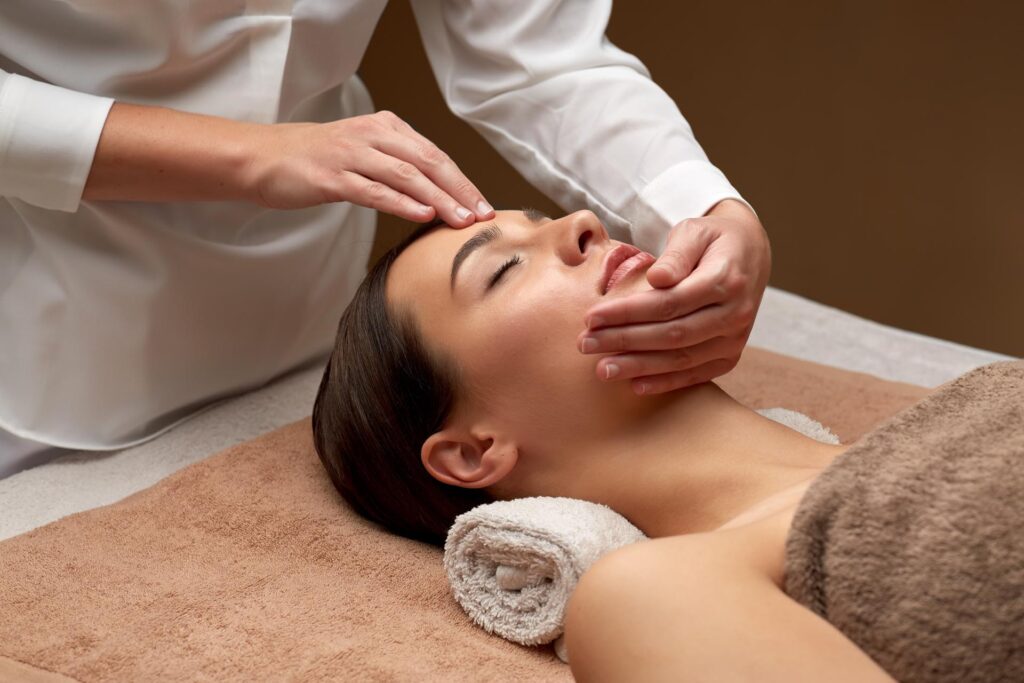
Location: Between the eyebrows, at the “third eye” point.
Yin Tang is one of the most commonly used acupressure points for relaxation and clarity. It’s highly effective at quieting the mind, reducing emotional distress, and promoting restful sleep. This point is also helpful for tension headaches, a common symptom of anxiety. Where there is heaviness and oppression, Yin Tang brings lightness and focus.
This point lies along the Ren channel, also known as the Conception vessel, although it is generally considered an "extraordinary point" rather than a classical Ren point.
Due to the anatomical alignment of Yin Tang and the pineal gland, located deep within the brain, some have posited there may be neural pathways that link the two, possibly via the prefrontal cortex, or the hypothalamus and limbic system, or through activation of the parasympathetic nervous response. The pineal gland secretes the hormone melatonin, which regulates the sleep-wake cycle, coinciding with Yin Tang's traditional property of aiding sleep.
How to find it:
- Locate the midpoint between your eyebrows, directly above the bridge of your nose.
How to use it:
- Use your thumb or index finger to apply light, circular pressure for 1–2 minutes.
- Keep your eyes closed, jaw relaxed, and focus on slow, steady breathing as you gently massage the point.
When to use:
Yin Tang is an excellent point to press when you feel overwhelmed or overstimulated, such as after a long day or before a stressful event.
Sanyinjiao (Spleen 6)
Location: On the inner leg, about four finger widths above the ankle bone
Sanyinjiao, or the “Three Yin Intersection,” is a versatile acupressure point with powerful grounding properties. It connects the Spleen, Liver, and Kidney meridians, making it especially effective for stabilising emotions, calming the nervous system, and improving digestion. It’s often used to counter feelings of being unbalanced or “scattered.”
How to find it:
- Sit comfortably and locate the inner ankle bone. Ensure the leg is relaxed and well supported.
- Measure four finger widths directly above the peak of ankle bone (the medial malleolus), along the inside of the leg.
- Feel for a slight indentation or tender spot near the shinbone.
How to use it:
- Massage the area with your thumb using a firm yet gentle circular motion.
- Apply steady, firm pressure for 1–3 minutes, focusing on slow, deep breathing.
- Avoid this point during pregnancy, as it may stimulate uterine contractions.
When to use:
Use Sanyinjiao when you’re feeling overwhelmed or ungrounded, or if stress and anxiety are causing digestive discomfort. It’s also helpful for easing premenstrual tension.
Neiguan (Pericardium 6)
Location: Three finger widths above the wrist crease, between two tendons.
Meaning the “Inner Pass,” Neiguan is a key point for calming anxiety-related chest tightness, nausea, and emotional distress. It’s particularly effective for reducing the “fluttery” sensation in the chest that often accompanies anxiety and panic attacks. Neiguan is all about protecting the heart and keeping you feeling guarded, in the healthy sense of maintaining strong emotional boundaries.
Because it calms the stomach and prevents nausea, many people elect to wear elasticated wrist bands over this point for preventing travel sickness.
How to find it:
- Turn your palm upward and locate the wrist crease.
- Measure three finger widths above the crease, in the centre of the forearm.
- Feel for a small hollow between the two tendons.
How to use it:
- Apply steady, gentle pressure with your thumb or index finger for 1–2 minutes.
- Massage in a small, circular motion, focusing on your breath as you release tension.
When to use:
Neiguan is ideal for moments of acute stress, such as before a presentation, during a difficult conversation, or while travelling.
Baihui (Du 20)
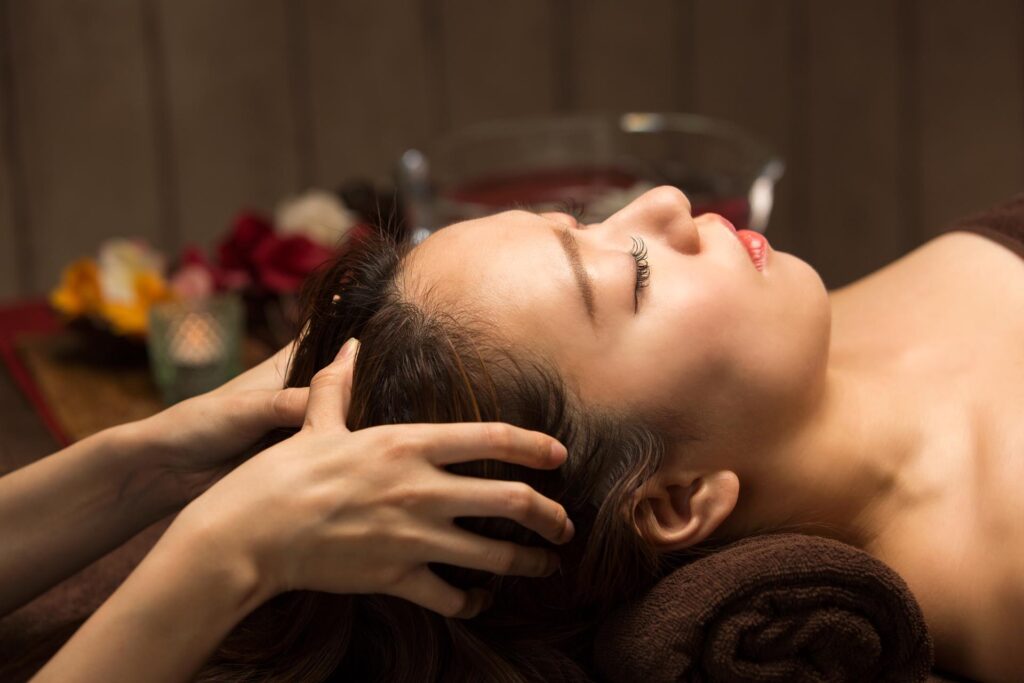
Location: At the crown of the head, where an imaginary line between the ears meets the midline.
Baihui, or the “Hundred Meetings,” is a powerful balancing point that uplifts the mind and alleviates mental fog. It’s ideal for reducing dizziness, feelings of heaviness, and overwhelm, while promoting a sense of clarity and calm.
Bailhui's central position at the highest point of the body reflects its profound ability to connect, uplift, and balance body and mind. The point corresponds to the hollow left after the closure of the fontanelle, and in some traditions is seen as a sense orifice, strongly associated with our connection to the heavenly.
How to find it:
- Sit comfortably and locate the top of your head.
- Imagine a line connecting the tips of your ears—Baihui is where this line meets the body’s midline. You're searching for a small hollow, which can be more pronounced on some people than others.
How to use it:
- Use your fingertips to apply gentle, circular pressure for 1–2 minutes.
- Sit upright, keeping your shoulders relaxed and breathing steadily.
When to use:
Baihui is particularly helpful during periods of mental fatigue or low mood, as well as when you’re seeking focus and clarity.
Tips for Using Acupressure Points Effectively
- Be Mindful of Pressure
While acupressure requires firm contact, it’s important not to press so hard that it causes discomfort. Apply firm pressure to a level that feels therapeutic but not painful. - Incorporate Breathing Techniques
Pairing acupressure with deep, quiet breathing amplifies its calming effects. Focus on lengthening your exhale, as this helps activate the parasympathetic nervous system. - Use Acupressure Regularly
Consistent practice yields the best results. Try incorporating acupressure into your daily routine, whether it’s part of your morning meditation or a pre-bedtime ritual. - Listen to Your Body
Everyone’s body responds differently. Experiment with the points to see which ones provide the most noticeable relief for your anxiety.
Benefits of Acupressure for Anxiety
Acupressure is a practical and powerful tool for stress and anxiety relief. It offers several benefits that make it an excellent choice for both immediate stress relief and long-term emotional resilience:
1. Regulates the Nervous System
Anxiety often activates the sympathetic nervous system, also known as the “fight or flight” response. This leads to physical symptoms such as a racing heart, rapid breathing, and muscle tension. Acupressure helps counteract this by stimulating the parasympathetic nervous system, which promotes relaxation and restores balance.
When regularly practised, especially when paired with deep breaths in a peaceful and safe environment, acupressure can help you recover more quickly from stress and return to a state of calm after an anxiety-inducing event.
2. Promotes Feel-Good Chemicals
Acupressure encourages the release of natural mood-enhancing chemicals, including:
- Endorphins: These are your body’s natural painkillers, which also create feelings of euphoria and relaxation.
- Serotonin: A neurotransmitter that regulates mood, sleep, and appetite, often called the “happy chemical.”
- Dopamine: Known as the reward neurotransmitter, dopamine fosters positive emotions and motivation.
By encouraging the production of these neurochemicals, acupressure helps break the cycle of anxiety and low mood.
3. Reduces Stress Hormones
One of the key benefits of acupressure is its ability to lower cortisol, the hormone released in response to stress. While cortisol is useful in small amounts, chronic stress can lead to persistently high levels, which can negatively affect sleep, digestion, and immune function. Regular acupressure can help bring cortisol levels back to normal.
4. Improves Sleep
Anxiety and poor sleep often go hand in hand, creating a vicious cycle. Acupressure helps to calm the mind, release physical tension, and prepare the body for deep, restorative sleep. For example, points like Shen Men and Yin Tang are particularly useful for quieting racing thoughts before bedtime. Many people report falling asleep faster and waking up feeling more refreshed after incorporating acupressure into their nightly routine.
5. Easy, Non-Invasive, and Cost-Effective
One of the greatest advantages of acupressure is its accessibility. Unlike other therapies that may require professional assistance or ongoing expenses, acupressure can be practised at home, anytime and anywhere. With no equipment required, it’s a highly cost-effective option for anxiety relief.
Scientific Evidence Supporting Acupressure
While acupressure has its roots in Traditional Chinese Medicine (TCM), classical Chinese medicine, and likely even older traditions, modern research has provided evidence for its effectiveness in managing anxiety.
Key Study: 2022 Systematic Review
A landmark 2022 study published in the Journal of Integrative and Complementary Medicine analysed multiple trials on acupressure’s role in anxiety relief. Here are the key findings:
- Anxiety Reduction: Participants who used acupressure consistently reported significant reductions in anxiety compared to control groups.
- Diverse Applications: Acupressure was found to be effective for situational anxiety (e.g., before surgery or exams) as well as chronic anxiety disorders.
- Physiological Impact: The studies demonstrated that acupressure helps regulate the nervous system, reduce cortisol levels, and improve heart rate variability (HRV)—all markers of a healthier stress response.
Why Acupressure Works
Acupressure’s ability to ease anxiety lies in its impact on both the nervous system and the brain’s neurochemistry:
- Neurochemical Effects: Stimulating acupressure points encourages the release of endorphins, serotonin, and dopamine, while simultaneously reducing cortisol.
- Nervous System Regulation: It activates the parasympathetic nervous system, helping the body shift into a state of relaxation.
- Heart Rate Variability (HRV): Improved HRV is linked to better stress resilience and a quicker return to calm after stressful events.
This combination of physical and emotional benefits makes acupressure a well-rounded tool for managing anxiety.
Practical tips
To maximise the benefits of acupressure, keep the following tips in mind:
- Set Aside Time for Practice
While acupressure can be done anytime, it’s most effective when incorporated into your daily routine. Try adding it to your morning meditation or as a part of your bedtime ritual. Avoid distractions so you can apply your full awareness to the experience. - Pair with Deep Breathing
Breathing deeply while applying pressure to specific points enhances the calming effect. Focus on lengthening your exhale, as this helps slow the heart rate and activate the parasympathetic nervous system. - Start Slowly
If you’re new to acupressure, begin with shorter sessions of 1–2 minutes per point. Gradually increase the time as you become more comfortable. - Experiment with Points
Each body is unique, so certain acupressure points may work better for you than others. Experiment to discover which ones provide the most noticeable relief. - Be Gentle
While acupressure involves firm contact, avoid pressing so hard that it causes discomfort or pain. A dull ache, warmth, or vibration are all good signs you have made a connection with the point. The goal is to feel a therapeutic release, not strain.
When to Use Acupressure
You can use acupressure in moments of intense stress, like before an important presentation, performance, or to help reduce preoperative anxiety. Adding acupressure into your nightly routine may also help promote restful sleep. Use deep breaths and pay close but soft attention to your own body.
Engaging in consistent practice, regardless of whether one is experiencing anxiety at that moment, helps to reduce overall stress levels and promotes emotional well-being.
Precautions and Contraindications
While acupressure is generally safe, avoid pressing on broken skin, infections, or near recent injuries. Pregnant individuals should steer clear of points like Sanyinjiao (Spleen 6), and others known to stimulate labour. When in doubt, consult a healthcare professional.
Combining Acupressure with Other Therapies
Acupressure works best alongside other treatments and strategies as part of a holistic approach to anxiety. Combine it with:
- Mindfulness practices: Meditation, yoga, or tai chi.
- Bodywork sessions: Regular sessions with an acupuncturist or massage therapist.
- Therapeutic techniques: Cognitive therapy or talking therapies with a mental health professional.
- Lifestyle adjustments: Regular exercise, healthy eating, and quality sleep.
Summary
Acupressure offers a safe, natural, and effective therapeutic strategy for managing anxiety symptoms. By learning key points like Shen Men, Yin Tang, Sanyinjiao, Neiguan, and Baihui, you can take control of your emotional well-being and alleviate both physical and mental symptoms of stress.
Regular practice, combined with other holistic strategies, can make a significant difference in reducing anxiety and improving overall mental health.
Why not try it today? Start with one of these pressure points and experience the calming effects for yourself!
Frequently Asked Questions
Acupressure is a traditional therapy that involves pressing specific points on the body to release tension, promote relaxation, and alleviate anxiety.
Acupressure calms the nervous system, releases mood-enhancing chemicals, and reduces stress hormones, making it a highly effective tool for anxiety management.
Yes! Acupressure is easy to learn and safe to do at home with proper guidance. Many people find it empowering to use this technique as part of their self-care routine.
Daily practice yields the best results, but you can also use it as needed during moments of high stress. Regular use helps build resilience and reduces overall anxiety levels.
Acupressure is generally safe, but certain points, such as Sanyinjiao, should be avoided during pregnancy. It’s also best to avoid pressing on injured or infected areas. If you’re unsure, consult a properly trained and qualified acupuncturist or healthcare provider.