

When to Say No To Going With The Flow
Daoist language is everywhere in modern spiritual culture, often floating free from the roots it grew from. Phrases like “go with the flow” or “trust the universe” are now so common they appear on tote bags and countless social media memes. But what do they really mean? And are they true to the tradition they claim to reflect?
In truth, Daoism is not always gentle or easy. It doesn’t exhort us to control, but it doesn’t ask us to give up either. It points towards something else: a way of living that is precise, grounded, and engaged. One that honours the rhythm of things without collapsing into either passivity or overexertion. A better image might be a boat…
Between Struggle and Resignation
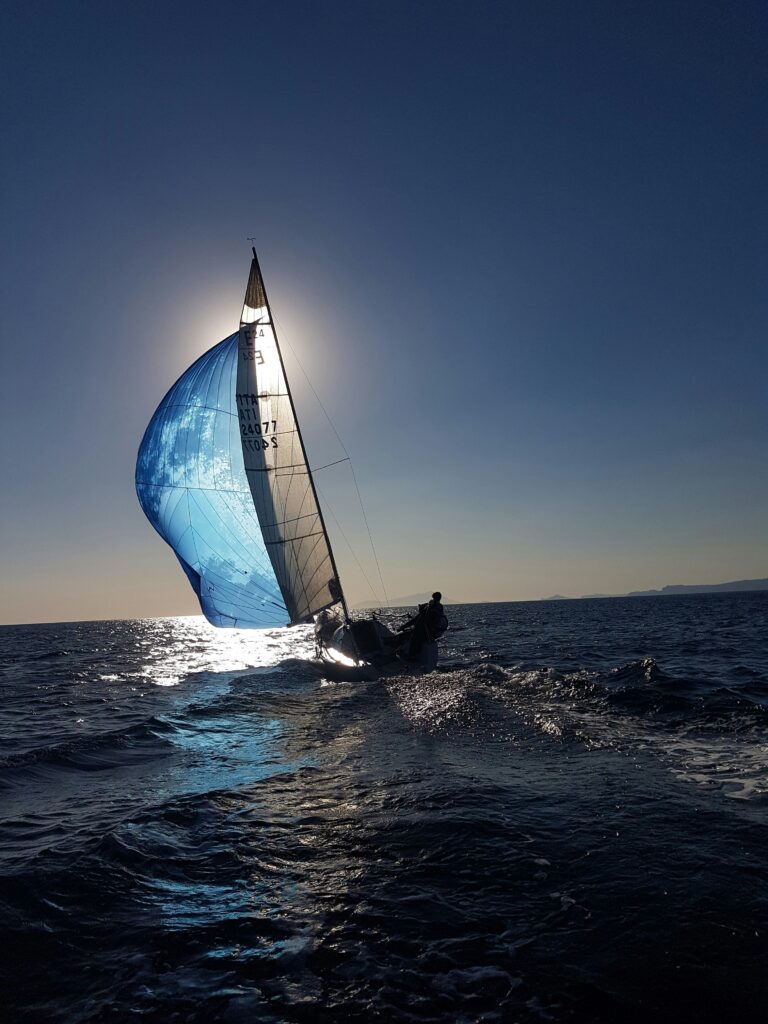
There are times in life when we feel uncertain or overwhelmed, and we let the oars slip from our hands. We drift, trusting the current to take us somewhere meaningful. At other times, we row hard against the current, determined to go a particular way, straining against everything around us. We might even keep rowing when the current is already in our favour, acting from habit, fear, or a vague sense that we should be doing something. But there is another way. Instead of drifting, or striving needlessly, we can raise a sail. We can respond to the wind and water with awareness and understanding. We can use what’s already here to move in the direction we need to go, not through force or surrender, but with effortless skill. Not effortlessness, but the kind of skill that makes struggle unnecessary.
This is the spirit of Daoism; neither detachment nor resistance. It is neither self-improvement nor resignation. It is responsiveness, rooted in attentiveness to what is. It requires the capacity to act, the humility to wait, and the wisdom to know which is needed.
This also sits at the heart of acupuncture and Chinese medicine, which was informed by both Daoism and earlier shamanic practices. A good treatment is not imposed, it is tuned. It meets the body where it is. There are moments to move what is stuck, moments to support what is weak, moments to clear what is excessive, and moments to do nothing at all. Diagnosis is not just about naming a pattern and formulating an effective prescription, but recognising where the person is in the wider movement of their life and health. The question is always one of timing and proportion. What does the body need, and how little is needed to help it remember?
None of this is conveyed by the slogans that often pass for Daoist insight. Let go. Do nothing. Trust the process. These phrases may feel comforting, but they can also become a kind of spiritual avoidance. If misused, they point people away from agency, away from engagement, and away from the possibility of moving through difficulty with clarity and responsibility. They can encourage a kind of soft fatalism, a belief that things will just unfold as they should if we stop interfering.
This isn’t what Daoism teaches. It isn’t what the early texts describe, or what Daoist cultivation actually involves.
Carrying the Beautiful and the Unbearable
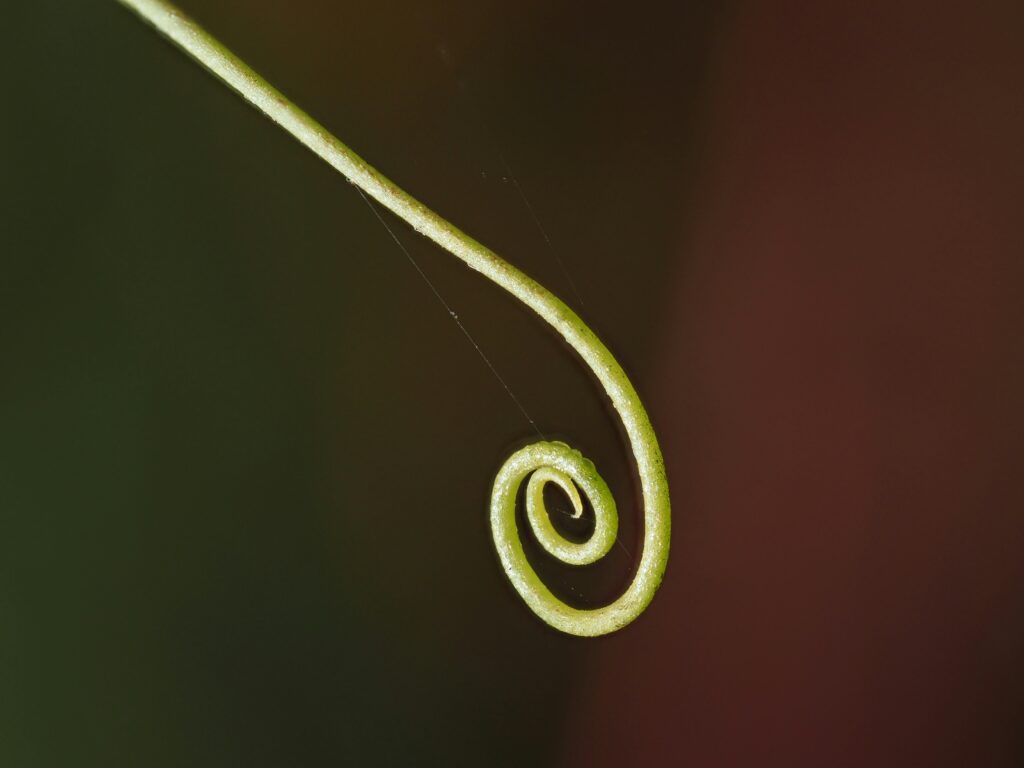
The Dao is not a force that protects us or rewards faith. It is not a benevolent being with a plan. It doesn’t carry us forward or backward based on how surrendered we are. It is the shape of things. The way clouds gather, the way a vine curls, the way the body grows and withers. The Dao is movement, change, arising and falling, interdependence, impermanence. It is not a presence we can trust in the way we trust a parent or a guide. It is what unfolds. And we are part of that unfolding.
The Dao De Jing puts it plainly:
“Heaven and Earth are not benevolent.
Dao De Jing, Chapter 5
They treat the ten thousand things as straw dogs.”
This might be interpreted as harsh, but really it’s about scale. The Dao is not moral in the way humans are. It doesn’t choose sides. It doesn’t reward goodness. It doesn’t spare the gentle or punish the selfish. It includes everything. Storms and stillness. Creation and collapse. It carries the beautiful and the unbearable with the same quiet breath.
This can feel disorienting. If we are used to thinking of the universe as something that wants the best for us, it can be confronting to realise that the world simply moves. But this is not a message of despair. It is a call to presence. If nothing is guaranteed, then everything must be attended to. If the Dao is not here to save us, it becomes something else entirely: it becomes the pattern we must learn to feel, to follow, to engage with in real time.
To live in accord with the Dao is not to give up. It is to show up, fully. With attention, and with discernment. This is where the idea of wuwei comes in. And it is rarely what people think.
Wuwei: Non-action Or Skilful Action?

Wuwei (無為) is one of the most misunderstood concepts in Daoism. It is often translated as “non-action,” which makes it sound like withdrawal or laziness, or a kind of passive resignation. But that is not how it was understood in the classical texts, and it is not how it functions in real life.
Wuwei does not mean doing nothing. It means not forcing. It means not interfering or acting unnecessarily. It points to a way of acting that is precise, timely, and in harmony with the situation. It is the difference between pushing and guiding, between struggling and aligning. It is what happens when skill, clarity, and presence meet.
The image often used in the Daoist tradition is water. Water does not fight. It does not try to be anything other than what it is. But it flows into every space. It nourishes. It wears down stone. It finds its way through the landscape without resistance. It seeks the most appropriate and efficient path. That is wuwei. Not absence of action, but the presence of unobstructed movement.
To act without force requires a different kind of effort. Not less, but subtler. You have to observe. You have to feel what is needed. You have to wait for the right moment, and then move cleanly and with clear purpose. In acupuncture, this shows up in the way we approach the body. We do not chase symptoms. We do not override the person’s own intelligence. We look for the pathway that is already half open, and we use the lightest touch possible to complete the circuit.
This kind of skill can look effortless from the outside. But it is not automatic. It has to be cultivated. It depends on a kind of listening that is both sensitive and steady. The same applies in life. We are not told to stop making choices. We are told to make choices from a place of awareness. To watch the weather. To raise the sail. To use the wind and the current, not ignore or fight them.
The Danger of Soft Interpretations
One of the problems with the modern spiritual use of Daoist language is that it often strips away this depth. The phrases that get passed around are usually fragments, removed from their original context, devoid of nuance. They sound beautiful. They offer comfort. But they lack context. They become soft slogans, easy to repeat, but difficult to live, and missing their mark.
Let go. Do nothing. Trust the universe.
These are not inherently wrong, but they’re not the full picture. They can drift into a kind of wishful thinking, or worse, into a system that avoids reality altogether. The universe is not always gentle. It is not always kind. It is not trying to teach us something. Sometimes it gives us what we need, and sometimes it doesn’t. The idea that things are “meant to be” can offer reassurance, but it can also become a way to avoid responsibility, or to ignore suffering, or to stay in situations that require us to move.
Daoism does not ask us to surrender our agency. It asks us to refine it. To temper our action so that it becomes timely and resonant. There is a sharp difference between being open and being indiscriminate. Between surrender and collapse. Daoism values clarity above comfort. It is not about trusting the universe to sort things out. It is about developing the sensitivity to recognise what is moving, and the capacity to respond without resistance.
There is an idea in the Daoist tradition, drawn especially from the sage, Zhuangzi, that when a person becomes truly attuned to the Dao, their movements become seamless. They act without hesitation, because their whole body-mind is in accord with the situation. There is a famous story in the Zhuangzi of a butcher who never needs to sharpen his knife. He moves through the joints of the ox, never cutting bone, because his sense of rhythm and anatomy is so precise that his blade glides effortlessly. His work is not mechanical. It is alive. He is not forcing anything. He is not detached either. He is present, responsive, and fluent. And his immense skill is the expression of years of experience and acquired knowledge.
This is wuwei. Not detachment from life, but full engagement with it. Not magical ease, but practiced ease. And like all real skill, it is alive to change. It adapts.
The danger of reducing Daoism to a few soft-edged phrases is that it removes this dimension. It replaces skill with comfort. It replaces discernment with generalities. It can sound poetic, but it disconnects people from the very clarity that Daoism was meant to cultivate.
And there is another layer to this. Sometimes people misinterpret Daoism not because they are lazy or shallow, but because they are looking for relief. Life is hard. Illness is confusing. Change can feel threatening. The desire to hand things over to a larger force is deeply human. And there are times when letting go is exactly what we need. But if we let go of everything—if we stop navigating, stop choosing, stop seeing, we are not aligning with the Dao. We are drifting.
The task, always, is to return to attention. To feel what is actually happening. To move from that. Daoism does not ask us to stop. It asks us to see more clearly.
Zhuangzi’s Parables
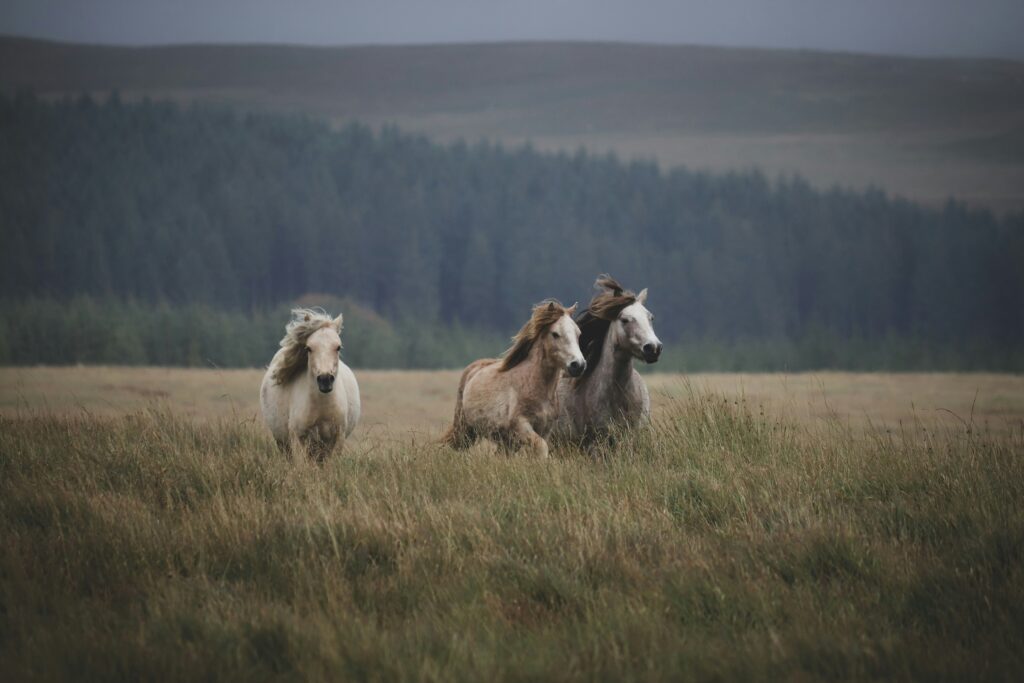
One of the most well-known stories from the Zhuangzi collection follows a farmer and his son:
The farmer’s horse runs away. His neighbours say, “How unlucky.” The farmer replies, “Maybe.”
Later, the horse returns, bringing with it a group of wild horses. “How lucky,” the neighbours say. “Maybe,” says the farmer.
The son tries to tame one of the horses and falls, breaking his leg. “How terrible,” the neighbours say. Again, the farmer replies, “Maybe.”
Soon after, soldiers come to conscript all the young men in the village. But because the son is injured, he is left behind. “How fortunate,” say the neighbours. The farmer: “Maybe…”
The point is not that nothing matters. The point is not that we should detach or avoid judgement. The point is that things unfold. Fortunes shift. Situations change. What appears disastrous can open a path. What appears fortunate can carry consequences. We are not blessed with foresight. The story invites us to step back from rigid certainty and stay present with the movement of things. To take a longer view.
This is not a prescription for passivity. The farmer does not give up on life. He works, responds, watches. But he does not cling to a fixed story about what is good or bad. His attention stays fluid. He responds without becoming entangled or attaching definitive value.
In clinical practice, this is a vital quality. A patient might come in with one clear symptom, but it may not be the root of their pattern. A technique that works in one moment may not work in another. A point that clears one person’s heat might scatter another’s qi. If we hold too tightly to fixed ideas about what “should” be happening, we miss the unfolding of what is.
The story also speaks to something broader: our modern tendency to over-personalise the universe. To treat life as though it is always about us. To believe that things happen to us, or for us, or because of some cosmic reckoning. Daoism doesn’t frame reality this way. The Dao moves, and we are part of that movement. Sometimes the tide turns in our favour. Sometimes it doesn’t. Neither is proof of virtue, failure, or destiny. What matters is how we respond, and how we carry ourselves through the turning.
This is a sharp contrast with how Daoist ideas are sometimes used in the wellness world. There is a recurring pattern where people take ancient ideas and soften them until they lose their structure. Daoism becomes little more than aesthetic passivity. “Let go and trust.” “Everything happens for a reason.” “You’re exactly where you’re meant to be.” These phrases can be comforting, but they often ignore the complexity and texture of real life. They can even prevent people from making necessary changes, or from taking opportunities when they present themselves.
There is nothing Daoist about ignoring harmful patterns, staying in situations that deplete us, or abandoning the need to choose. Daoism is not about letting go of boundaries. It is about sensing the right ones. Nature does not give everything equal access. Trees drop their leaves. Animals grow fur. Rivers carve channels. Protection is part of alignment.
There is a kind of openness that is really just collapse; a kind of acceptance that is really just avoidance. Daoism asks us to pay closer attention, not to surrender responsibility for our lives.
Daoism Through the Lens of Individualism
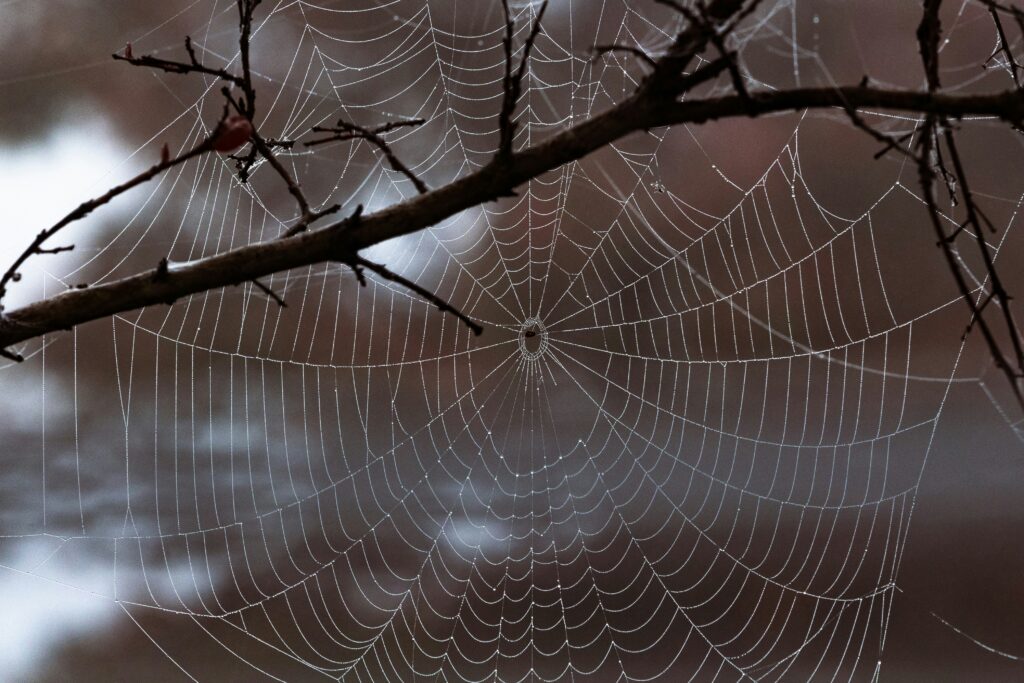
This also touches on a wider problem: many modern readings of Daoism take place through an individualistic lens. The emphasis is on the self. What feels good. What flows for me. What the universe is offering me. But traditional Daoist texts speak of the person as embedded in relationship. With nature. With family. With place. With time. The self is not a floating bubble. It is an expression of the moment, entwined inextricably in a web of relationship. And it carries responsibilities.
To act in harmony with the Dao means to consider the context. It means asking not only what is good for us, but what is good for the situation as a whole. When a practitioner chooses a treatment, they must think about the person in front of them, their presentation in the moment and the history, lifestyle, emotional patterns, and circumstances that have led them to this point. But they must also consider the season, the climate, the progression of the condition, and the dynamics between organ systems. The same applies to daily life. What is appropriate in one moment may not be in another. The Dao is not a static rule. It is a shifting field. And we must meet it with care.
Daoism does not reject action. It refines it. It does not erase selfhood but dissolves the illusion of isolation. It does not ask us to float: it asks us to listen.
Daoism’s roots stretch back into something older than philosophy. Something lived, felt, and shaped by ritual. Many scholars and practitioners have suggested that Daoism has deep links to early animist and shamanic traditions. These traditions recognised spirit in everything: wind, river, rock, tree, animal. They were not systems of belief in the modern sense. They were ways of being in constant relationship with the world around and within.
Beyond Daoism: Confucianism, Chan, and the Living Body of Practice
Daoism evolved in conversation with other traditions, not in isolation. Its emphasis on spontaneity, naturalness, and alignment with the Dao was often set in contrast to Confucianism, which stressed order, ethics, and social responsibility. But this contrast can be overstated. Daoist texts may question rigid moral frameworks, yet they do not reject responsibility. Instead, they invite it to arise from attentiveness and balance, not from external obligation. A truly attuned person does not need a rulebook to behave with care.
Chan Buddhism, later known as Zen in Japan, also drew deeply from Daoist soil. While rooted in Buddhist teachings on emptiness and impermanence, Chan took on a distinctly Daoist flavour: terse dialogues, paradoxical stories, sudden awakenings in nature, and the notion that truth cannot be grasped by the thinking mind. Yet even here, letting go did not mean passivity. Chan monks trained in meditation, martial arts, and manual labour. Their insight was not abstract. It was cultivated in the body, through discipline and attentiveness.
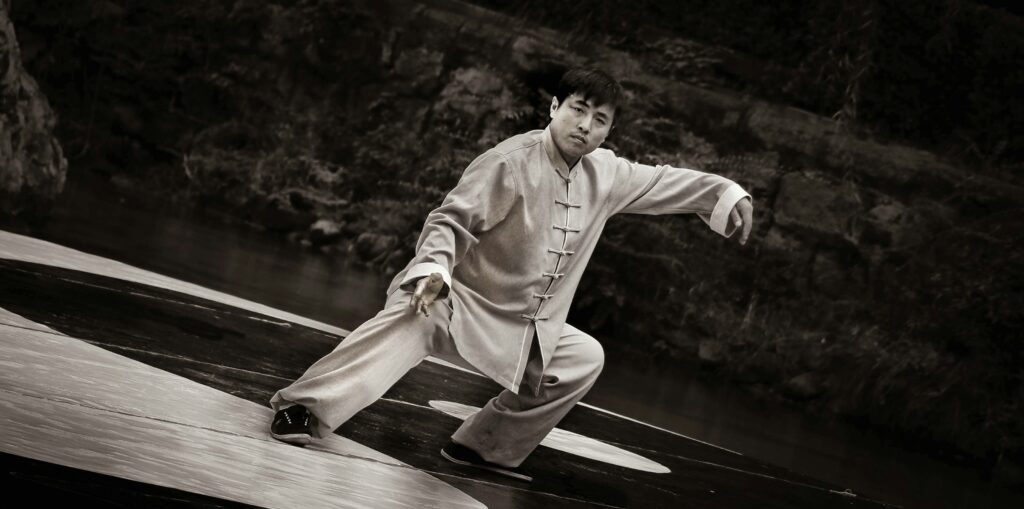
Martial arts offer another living link to Daoist thought as an embodied philosophy of yielding and assertion. A martial artist does not blindly resist, nor do they collapse into openness. They respond. They feel pressure, direction, timing. They know when to yield and when to strike. These principles are not learned from theory alone. They are felt through contact. And the same is true for life.
Yin and yang are not separate techniques but modes of relationship. In martial arts, as in Daoism, this means moving in harmony with the situation, not according to fixed rules. What is called for today may be very different from what is needed tomorrow. There is no map. There is only the moment, and the quality of your response.
Relational Traditions: Spirit, Myth, and Boundary
This emphasis on deep relationality is not unique to ancient China. It appears across many cultures that have grown close to the land and lived without rigid institutional religion. In some North American indigenous traditions, for example, the world is full of spirit. There are stories of helpful spirits, ancestral guides, elemental forces, and other beings that shape human experience. But these spirits are not always kind. They are not all protective. Some are mischievous. Some are dangerous. There is no assumption that everything in the unseen world is benevolent. This is important. It teaches discernment. It teaches relationship. You do not throw yourself open to everything. You observe. You learn. You listen for what is safe, what is useful, and what is not.
Daoist practice, too, includes methods for protection. Rituals, talismans, boundary-setting techniques. The tradition does not teach indiscriminate openness. It teaches attunement. Openness balanced with clarity. It is not wise to dissolve all boundaries. The human organism, like any healthy ecosystem, needs membrane and structure.
This understanding has often been lost in modern spiritual movements. Many people today speak of being “open to the universe,” or “allowing whatever wants to come through,” as though the spiritual world is always safe or always supportive. This can be comforting, especially for those who feel disconnected from more structured belief systems. But it can also be naïve. Not everything that arises is helpful. Not everything that presents itself as truth should be accepted. The work of spiritual practice includes discernment. And that means knowing when to close a door as much as when to open one.
Traditional polytheistic systems offer a powerful mirror here. In Norse cosmology, for example, the gods are not abstract symbols or moral authorities. They are beings with personalities, flaws, relationships, conflicts, and stories. Thor is not “the god of thunder” in the modern comic book sense. His role in the mythology is deeper than that. He is a protector of the human realm, a wielder of strength, a slayer of giants. He has a temperament, not just a domain. The same applies to Odin, Loki, Freya, and the rest. These beings are not conceptual placeholders. They are characters with agency and unpredictability.
In Greek mythology, the same is true. The gods are not moral paragons. They are jealous, wise, lustful, creative, vengeful. They meddle. They fall in love. They punish and protect. Human beings do not simply worship them. They relate to them. Offerings are made, stories are told, and relationships unfold. There is danger, wonder, risk. These traditions, like early Daoism, reflect a view of the cosmos as alive and full of power. And not all of that power is soft or safe.
Spiritual life in these systems is not about removing oneself from the world. It is about learning to move within it. To pay respect. To form relationships. To know what to invite and what to avoid.
This is why so many of the ancient traditions include forms of ritual and practice that act as filters. Not walls, but gates. Chanting, movement, symbols, sacred texts, even silence: all of these shape the conditions for connection. They create space that is alive, but not wide open.
Daoism, too, has this. Whether in the form of qigong, inner alchemy, breath practices, or ritual observance, the work is to refine the container. To strengthen what protects. To clear what obscures. To listen closely. And to choose wisely.
Dynamic Balance: A Life of Practice
Modern interpretations often strip these protections away. What remains is a vague sense of openness and flow. But when everything is allowed, nothing is held. When all spirits are welcomed, we forget that some may disorient or deplete. This is not fear. This is clarity. Boundaries are not barriers to spirituality. They are the vessels that hold it.
The idea of “letting go” is not wrong. But it has to be held within the wider practice of discernment. Letting go of what? At what time? For what purpose? Who benefits? What is gained, and what might be lost? These questions are not signs of doubt. They are signs of care. Daoism teaches us to see. And sometimes what we see requires us to say no.
Daoism is often spoken of as if it were a single thing. But it is not. It is a river with many streams. The earliest surviving Daoist text is the Dao De Jing, attributed to Laozi. It offers brief, enigmatic chapters full of paradox and observation. Some read like poetry. Others resemble political philosophy. The tone is quiet, observational, elliptical. It never claims authority. It points.
Not long after came the works attributed to Zhuangzi. These are more wild and playful. They mix prose and allegory, dreams and dialogues. They are full of laughter and disorientation. One moment we hear about the joy of a fish in a river. The next, we’re deep in a story about a man who dreams he is a butterfly, and wakes unsure whether he is a man who dreamt of being a butterfly, or a butterfly now dreaming he is a man.
In these early texts, we see a worldview emerging that values change, uncertainty, and spontaneity. These are not instructions for how to live. They are provocations. They ask us to look again. To step out of the structures we’ve inherited. To move with greater ease and awareness. But even in these beginnings, there are signs of something more structured forming.
Over time, Daoism developed into formal schools of practice. There were temples, lineages, and transmission systems. Rituals were codified. Internal alchemy was mapped in fine detail. There were breathing patterns, fasting protocols, energy meditations, sacred calendars. Some strands of Daoist religion became highly ceremonial, with priesthoods and cosmological charts. Others remained rooted in solitary cultivation.
This shift did not dilute Daoism. It gave it body. It allowed people to live the philosophy more deeply. Not just to think about it, but to move in it through their breath, their bones, their rhythms. Daoism became not just a view of the world, but a set of practices for living within it.
The Body, the World, and Lived Daoism
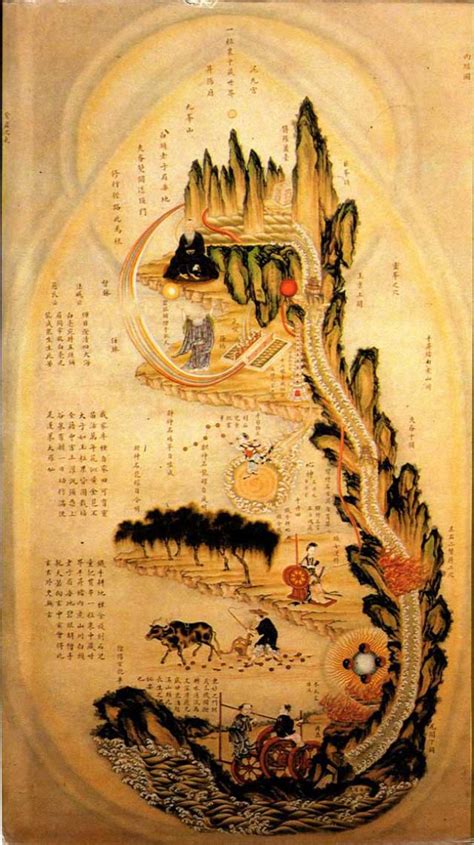
These practices were not detached from the body. Quite the opposite. Daoism has always recognised the body as a field of connection. The body is not just a vehicle or shell. It is part of the Dao. Every organ system, every rhythm, every subtle change in breath or posture reflects a deeper harmony or dissonance. The goal is not transcendence. It is alignment.
This is where Daoism and Chinese medicine overlap. Both recognise that health is not a fixed state, but a dynamic process. Both observe how the natural world flows through us: in pulses, in patterns, in the changing qualities of qi, blood, fluids, and breath. Both look for where things are stuck, where things are weak, where things are spilling or shutting down. And both aim to restore movement that is timely and true.
Qigong is a clear example. It combines movement, breath, and awareness. It is not exercise in the usual sense. The aim is not strength or sweat. The aim is integration. When practiced consistently, it changes not just posture but perception. It sharpens awareness of the internal landscape. It shows us what it feels like when we are aligned. And once we know that feeling, we start to notice when we have left it.
Breathwork and stillness training (sometimes called zuowang, or “sitting in forgetting”) are also common in Daoist cultivation. These are not distractions or accessories. They are tools for clearing. Clearing the mind, the heart, the energetic field. Not by force, but by allowing what is not needed to settle, by creating space, finding connection, and allowing the body to breathe and find its own natural rhythms beyond the disturbances of the thinking mind or agitated emotions. In doing so, what is needed often rises on its own.
Inner alchemy is a more esoteric practice that developed in later Daoist schools. It involves guiding qi through internal pathways, refining jing into qi, qi into shen, and shen into emptiness. The process is often mapped in metaphor: furnaces, cauldrons, pearls, dragons. These metaphors are not decorative. They speak to deep embodied processes. The language is symbolic, but the experience is real. Those who practice it speak of profound shifts in perception, vitality, and resonance.
All of these practices are ways of living Daoism. They move beyond belief or theory. They place the human being within a larger ecology and offer methods for adjusting that relationship with care. This is not about worship, and nor is it about moral purity. It is about movement. Refinement. Responsiveness. Relationship.
In the same way, Chinese medicine is not about fixing a machine. It is about restoring the harmony of the person in context. Acupuncture is a way of speaking to the body in its own language. A way of clearing stagnation, calming agitation, nourishing what is thin, and opening what is closed. The best treatments are not those that do the most. They are those that do what is needed, with clarity.
Daoism lives in this kind of subtlety. It is not a doctrine. It is a conversation between the body and the world. Daoism has been called many things. A philosophy of non-action. A mysticism of nature. A manual for rulers. A guide to health. A path of immortality. But at heart, it is a way of attending. It does not ask us to believe. It asks us to look. And to keep looking, without assuming we have understood.
The world is not fixed. The body is not static. Our relationships shift. Our conditions change. What feels true in one season may not apply in the next. Daoism invites us into this changing landscape without clinging to certainty or performance. It helps us find steadiness without becoming rigid, and clarity without becoming cold. There is a fine path between effort and surrender. This is where skill lives.
Affirmation... With Discernment

A metaphor often used for the Dao is water. Soft, but unstoppable. Flowing, but never lost. But water alone is not enough. We are not rivers. We are vessels that float, steer, and sometimes resist.
Let us return to our boat metaphor briefly. The current runs beneath you. You could drift with it, hoping it takes you where you need to go, never raising a hand to steer. Or you could dig your oars into the water and push, labouring against resistance, sweating to move against a force that cannot be bent. You could even labour needlessly when the current is already taking you in the direction you intend. But there is that other option. You could raise a sail.
To sail is not to give up. It is not to collapse into passivity. It is a discipline. You must observe the wind. You must adjust the rigging. You must feel the moment when the sail fills and the boat begins to move; not from force, but from a relationship between your effort and the environment.
Sailing the Dao is like this. It is not the same as drifting. It is not the same as striving. It is the art of responding. Of knowing when to act and when not to. Of noticing whether the wind is with you or against you. And of using that awareness to move, not wherever life pushes, and not wherever you wish, but towards something that feels aligned with the wider unfolding.
Carl Jung once wrote that “the symbols of the self arise in the depths of the body.” He saw the psyche as inherently relational, shaped not only by personal memory but by archetypes that reflect deep patterns of human experience. His concept of synchronicity, or meaningful coincidence, echoes Daoist ideas about resonance between inner and outer worlds.
But Jung also warned against magical thinking. He did not believe the universe always acted in our favour. Rather than abandoning discernment, he emphasised the importance of staying grounded while remaining open to deeper patterns. The same balance appears in the work of Alan Watts, who cautioned against treating Eastern philosophy as a self-help shortcut. Teachers from Buddhist traditions, such as Thich Nhat Hanh and Shunryu Suzuki, have echoed this clarity. They speak of presence, interconnection, and letting go, but never at the cost of personal responsibility. There is a quiet discipline in these teachings. They do not ask us to give up agency, but to move with awareness in the midst of uncertainty.
This sensitivity to the space between action and surrender also runs deep in the early roots of Daoism. Long before it became a formalised religion, Daoism was shaped by animist and shamanic worldviews in which spirit was not something outside or above nature, but immanent within it.
This is neither romantic nor vague. It is a practical skill, refined by practice. Daoist cultivation, Chinese medicine, and qigong are all part of this training. Not as rituals of obedience, but as ways to tune our perception. To make our bodies and hearts more sensitive to the current.
Practice, Not Escape: Moving With Care

It is tempting, in today’s world, to want a system that will protect us from harm. Or a method that guarantees results. Or a worldview that lets us escape discomfort. Daoism offers none of these. It offers instead a way to stay close to reality. To move with integrity. To hold stillness without freezing, and flexibility without collapse.
There is no fixed goal. No checklist for success. No promise of arrival. There is only this moment, and the one that follows. Daoism gives us tools for navigating. It reminds us that nature does not rush, but it does not hesitate either. It adapts. It discerns. It protects and it yields. And we can too.
In a culture that prizes certainty, the refusal of set views can appear incoherent. And conversely, in a spiritual world that prizes openness, boundaries can seem like limits. Daoism offers something different. A rhythm of engagement that does not need to shout. A trust that is not blind. A way of living that listens first, then moves. Many of us do need to let go a little. Trust a little more. Be more aware and accept what is given to us. But absolving ourselves totally from agency in our own lives, or surrendering entirely to fate, are too often a mask for avoidance and fearfulness.
This is not about detaching from life. It is about being in it fully. And learning, again and again, how to move with care, to know and be kind to ourselves and, perhaps, even how to move towards wisdom… and keep moving.

You’ll find much more to explore in our blog, from the ancient roots of Chinese medicine to thoughtful reflections on how its principles connect with modern practice and everyday wellbeing.