
Acupuncture is a holistic therapy rooted in Traditional Chinese Medicine. It aims at restoring balance and promoting the body’s natural healing process. Acupuncture can help with pain relief, overall wellbeing, and a multitude of other health issues.
At your first acupuncture appointment, I’ll take time to understand your health needs, preferences, and any areas you’d like to focus on. I aim to foster an atmosphere of mutual trust and open communication, so if you have any questions or uncertainties, always feel free to ask!
I'm Richard, a fully qualified acupuncture practitioner. I hold a BSc degree in traditional acupuncture and Chinese medicine, a diploma in advanced tuina medical massage, and am a certified qigong teacher and member of the British Acupuncture Council. My approach to health and wellbeing is grounded in this training and shaped by a wealth of ongoing clinical experience.
Feedback from clients is consistently 5-star across verified platforms. View Google reviews for Bradford and Leeds clinics, or take a look at the client testimonials page.

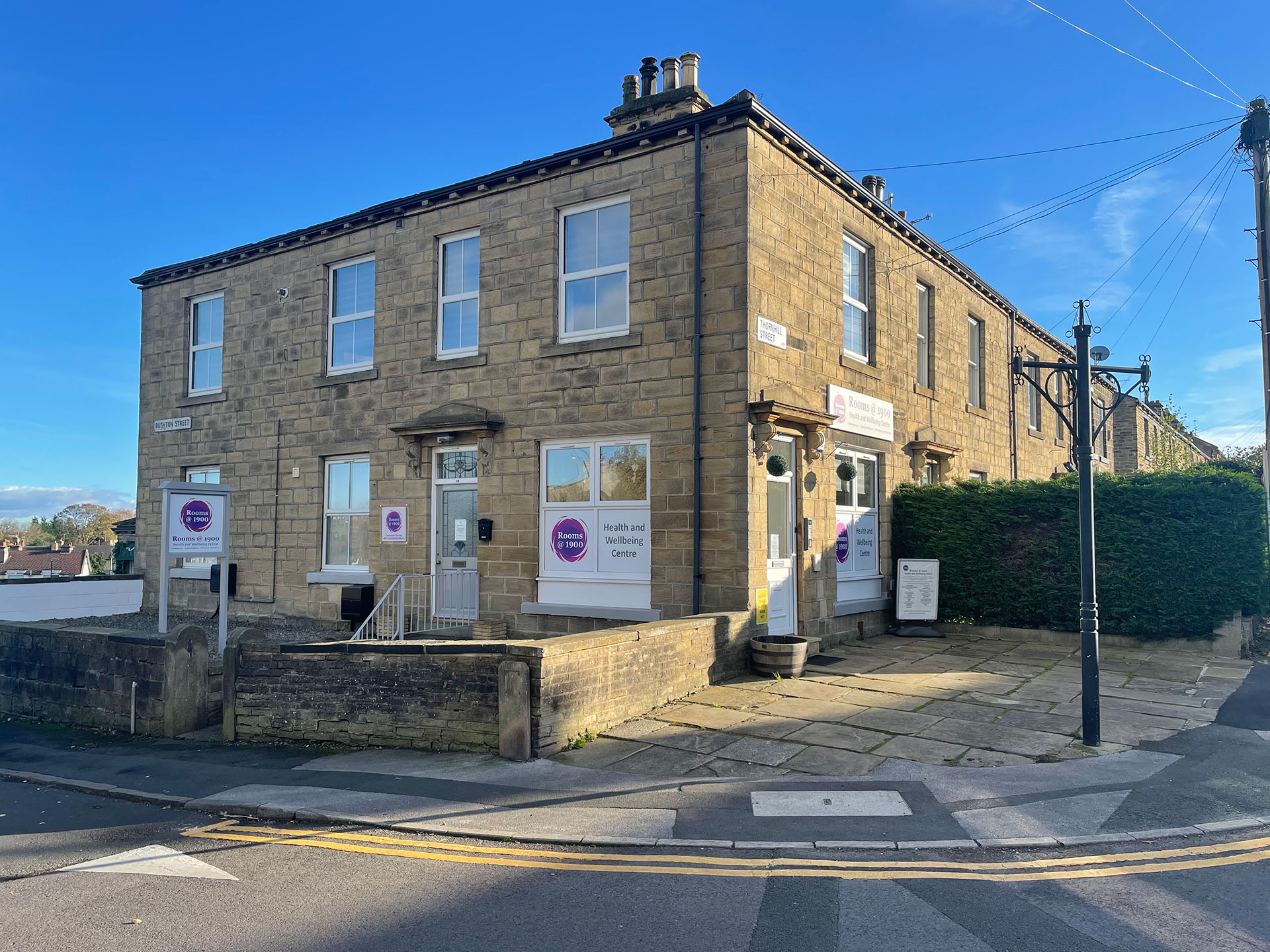
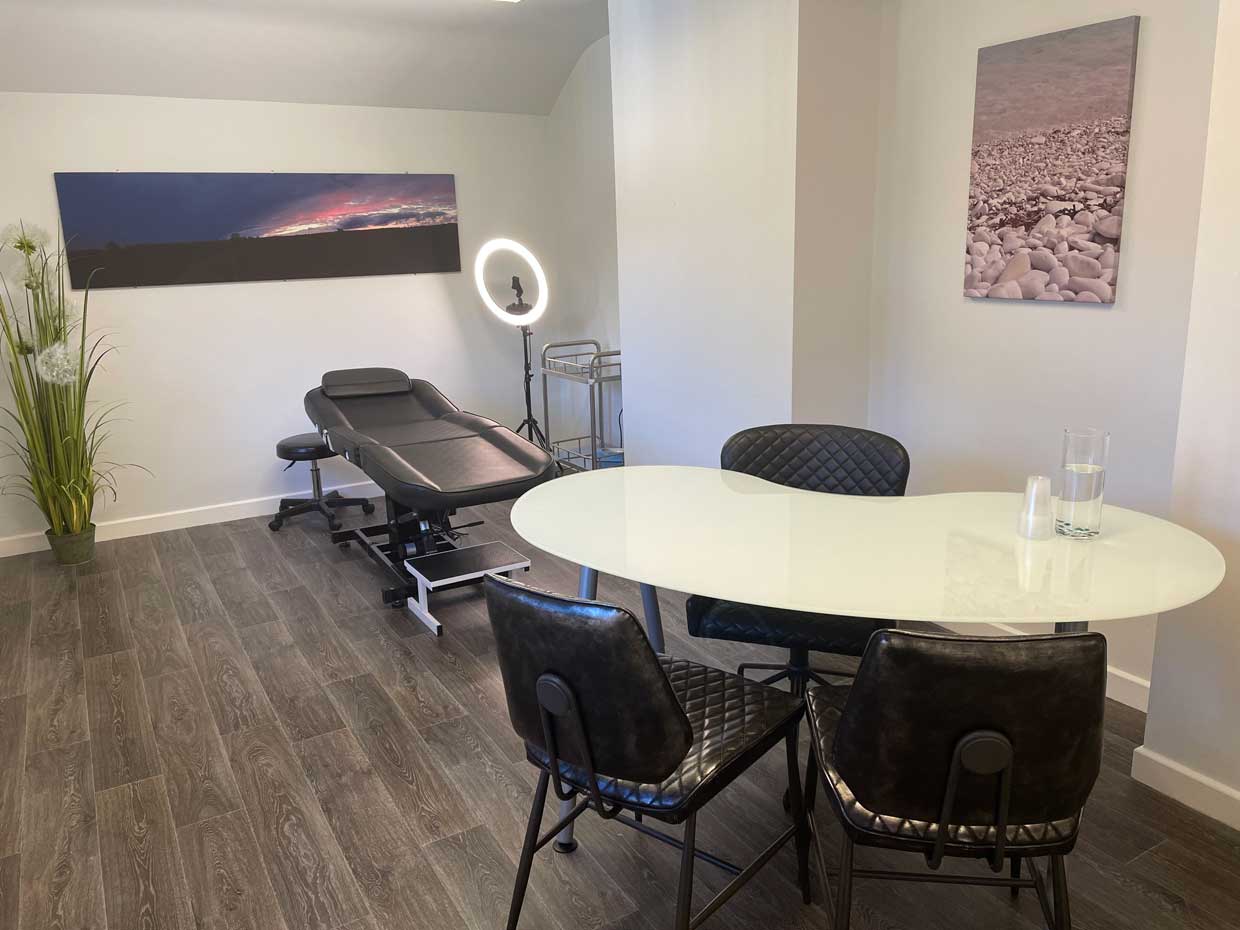
Based at The Tower Clinic in Cookridge and at Rooms@1900 in Calverley, the Leeds acupuncture clinics both provide a safe, clean, and relaxing environment. You can expect to feel comfortable and supported throughout your acupuncture treatment.

Acupuncture treatment offers a multitude of benefits, making it a popular choice for those seeking a natural and minimally-invasive approach to health care. Here are some of the key advantages...
Acupuncture treatment is renowned for its ability to alleviate chronic pain and reduce inflammation, providing relief for conditions like arthritis and musculoskeletal pain.
By promoting the body’s natural healing processes, acupuncture enhances overall health and well-being.
From chronic pain and digestive disorders to emotional, hormonal, and fertility issues, acupuncture is versatile in its applications.
Acupuncture is a gentle treatment option that avoids the need for medications or overly invasive procedures.
Acupuncture treatment can be effectively combined with other therapies, such as Chinese herbal medicine and physiotherapy, for a comprehensive approach to health.
When performed by a qualified practitioner, acupuncture treatment is a safe and effective treatment option with minimal side effects.


The two lovely clinic spaces in Calverley and Cookridge are easily accessible, with free on-street or private parking available.
Arriving at Calverley...
You will have received an email confirming your room booking. Ring the corresponding buzzer number and I will let you in and come to greet you in the waiting room at the time of your appointment.
Rooms@1900, 45 Thornhill Street, Calverley, Pudsey LS28 5PR
Arriving at Cookridge...
Take a seat in the reception area when you arrive and I will meet you at your prearranged appointment time.
The Tower Clinic, 8 Tinshill Lane, Cookridge, Leeds LS16 7AP
I offer a variety of treatments, including acupuncture, cupping, gua sha, electro-acupuncture, heat lamp therapy, acupressure, and massage—tailored to your individual needs.


At your first appointment, I'll take time to understand your goals, answer your questions, and address any concerns.
I’ll review your medical history, medications, and any relevant precautions. Then, by asking questions and using diagnostic tools like pulse reading, tongue observation (which provides a window into your internal tissues), and palpating the abdomen ("hara") and channels, I assess your internal systems and identify areas of focus.
During treatment, ultra-fine needles are gently inserted and typically left in place for about 20 minutes, depending on the chosen method. I'll monitor your comfort throughout, adjusting or removing needles as needed—you’re always in control.
Afterward, I may incorporate massage or other complementary therapies, and suggest take-home practices. As your sessions progress, I’ll refine your treatment plan together, helping you on your path to improved health and balance.

Ready to begin? Get in touch to discuss your needs and book your initial appointment!
I offer flexible options, from single sessions to longer appointments that include massage, cupping, gua sha, or acupressure. For those seeking consistent care, discounted four or eight-session packages are a great way to experience lasting benefits, and existing clients can access a subscription-based care plan that keeps regular treatment affordable.
Every session is personalised, with additional take-home therapies provided as needed. Together, we’ll design a plan that supports your wellbeing journey.
Take the first step toward a healthier you. Get in touch today!
Comfortable clothing
Come to your acupuncture sessions in loose, comfortable clothing. Generally, I will need to access arms and legs, head and neck, and abdomen. Some conditions may call for the selection of points on the back, chest, or hips. Draping is provided for modesty when needed.
It’s a good idea to have a light snack an hour or so before treatment.
History & medications
On your first visit we will discuss your health concerns and priorities, your medical history, and any medications you might be taking.
These are important to consider with respect to your treatment, so please arrive with any relevant information to hand. Your information is kept confidential, in full compliance with data protection regulations.
Acupuncture uses fine needles, generally smaller in diameter than a human hair, and insertion is normally painless. Some points are more sensitive than others, and of course tolerance can vary from person to person. But most people find the experience comforting, restorative, and relaxing.
I remain in constant communication with you, and in the case of any discomfort the needles can be quickly adjusted or removed.
Sometimes I might gently manipulate the needles a little to generate some sensation and help you connect with the needles. You may feel a mild ache, warmth, or tingling - often a sign that the treatment is working. These feelings are quite pleasant and nothing to worry about. Once we have established this connection (known as deqi), I allow you to relax and let the needles do their work.
With the needles in place, I encourage you to enjoy this peaceful space and to pay soft attention to sensations such as the rise and fall of your breath, or the contact points of your body against the supportive couch. Needle removal afterwards is swift and pain-free.
The dosage of needles can vary significantly depending on your condition(s), age, constitution, sensitivity, stage of treatment, and the style of acupuncture employed. On average, 10–20 needles are used, although sometimes fewer. More needles do not equal a more effective treatment!
Depending on your presenting condition(s), I may select points local to the affected area, or they may be elsewhere on the body, aligning with the channel theory of Chinese medicine.
Some points aim at symptomatic relief, others at underlying problems or constitutional weaknesses. Clinical experience shows this “root and branch” approach produces the best results over time.
Once the needles are in place, I let you relax for at least 20 minutes, and normally a little longer. This is a good amount of time to allow the body to relax and the mind to unwind.
For certain styles of treatment, such as Japanese scalp acupuncture, the needles might be retained for as long as 45 minutes.
I strive to offer you the best possible bespoke needle prescription, but ultimately you are always in control – I view acupuncture as a wholly collaborative process.
If you feel particularly apprehensive about needles, we can discuss other options that might be suitable. I may use fewer or thinner needles, choose points avoiding more sensitive areas of the body, or suggest other therapies such as acupressure or therapeutic massage to avoid the needles altogether.
Acupuncture can help with a range of acute and chronic health conditions. It has been shown to:
Reduce acute and longstanding pain
Modulate muscle tightness and ease inflammation
Improve circulation and promote tissue healing
Balance the nervous system and boost metabolism
Enhance sleep quality and increase alertness
Elevate energy levels, vitality, and mental clarity
Help with stress, anxiety, and low mood
Foster a sense of calm and inner wellbeing
Regulate hormones, aid fertility, and strengthen immune response
Support cardiovascular, respiratory, and digestive health
Everyone responds differently to acupuncture. For acute (recent or flaring) conditions, improvements can sometimes be felt immediately or seen after just one or two treatments. Chronic (recurring or embedded) issues often respond within three to six sessions, but this can vary. Attending twice a week can help shift things initially, before gradually reducing frequency. Weekly sessions usually yield good results, too.
For chronic conditions, I recommend following your initial appointment with a package of four sessions to give acupuncture a fair chance to work its magic. Most patients notice significant improvements within this period, as the cumulative effects of treatment begin to take hold. This approach ensures you experience the full potential of what acupuncture can do for your health.
Acupuncture for fertility typically involves weekly or twice-weekly sessions, with some timed to align with specific stages of the IVF process.
For a very small number of patients, existing symptoms for chronic issues may worsen before improving, often referred to as a “healing crisis”. This reaction is believed to occur when acupuncture triggers a sudden shift in a long-standing condition, prompting a disproportionate immune or nervous system response. In these exceptionally uncommon cases, I adapt and support you as your symptoms stabilise and the healing process unfolds.
Following your acupuncture treatment you should:
Drink plenty of water
Keep warm
Relax
You should avoid:
Heavy exertion
Hot baths
Large meals
Caffeine
Alcohol
Take it easy and give your body time to relax and adjust to the acupuncture treatment.
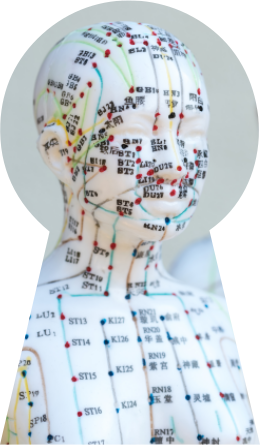

Acupuncture works on multiple levels to activate the body's natural healing response. Scientific research shows it stimulates the nervous system, triggering the release of endogenous biochemicals such as endorphins and serotonin, which reduce pain and inflammation while supporting relaxation and healing. It also improves circulation, delivering oxygen and nutrients to promote tissue repair, and creates a cascading effect of healing throughout the body. By regulating and coordinating internal processes, acupuncture helps restore balance, addressing not only the symptoms but also their underlying causes.
Our modern understanding of acupuncture complements the traditional framework of qi and meridian theory beautifully. Qi theory offers a simple yet elegant model based on the balance of Yin and Yang and the harmonious flow of qi—an intelligent coordination of all our processes and functions—emphasising the body as an interconnected whole. Disruptions or stagnation in our energy can lead to imbalances, which ultimately manifest as discomfort or illness. This approach helps identify patterns of disharmony that might not be immediately evident through a purely biomedical lens, providing a broader context for understanding health and disease.
Modern science offers precision in understanding mechanisms, while traditional qi theory provides an overarching framework for assessing balance and interconnectedness. Together, these perspectives are not at odds but rather enrich one another, like viewing the body through two complementary lenses. By integrating both, acupuncture underscores the profound potential of the body’s innate ability to heal when balance is restored.
Acupuncture is a versatile therapy that can address a wide array of health conditions. Some of the common issues treated with acupuncture include:

I ask for payment on confirmation of your booking. To help manage the clinic schedule, I kindly ask for at least 48 hours’ notice for cancellations and rearranged bookings.
Please note that cancellations within 48 hours of your appointment time may incur a £15 short notice fee, unless there are exceptional circumstances.
Unfortunately, cancellations on the day of your appointment cannot be refunded.
The intention behind this policy is not punitive, but rather to set up boundaries of mutual respect and consideration. Aside from loss of earnings, a missed appointment is a lost opportunity for another patient who may be waiting for a slot.
If you suspect you are suffering from a contagious or infectious illness, please get in touch before your appointment so we can discuss the possibility of rebooking.
This is in the interest of protecting potentially vulnerable patients.
Acupuncture is largely free of side effects, and adverse reactions are very uncommon. Occasionally, there may be a small bruise or a tiny spot of blood at the needle site, which settles quickly. Some patients may feel drowsy or light-headed following treatment. If this happens, you’re welcome to sit and relax until you feel better.
In rare instances, people can feel faint or dizzy. This is most likely to occur in people receiving acupuncture for the first time, or in cases of fatigue or low blood sugar. Having a light snack about an hour before your appointment can significantly reduce the chances of fainting. Gua sha (scraping) therapy will leave petechiae (red spots) that may last for several days. Cupping leaves painless ecchymoses (bruise-like marks), which may remain visible for up to two weeks.
Serious side effects are extremely rare. If you experience any adverse effects following treatment, never hesitate to get in touch and discuss your concerns.
Many health insurers cover acupuncture by registered practitioners. Check your policy for specific coverage.
I am a member of the British Acupuncture Council – the UK’s largest professional body for traditional acupuncturists, and therefore recognised by many health insurers.
Please note that the standard automated payment receipt may not include all the details required by your insurer. I happily provide insurance-compliant receipts on request.
Yes, you can. As of August 2026, the previous waiting period following acupuncture has been removed for people treated by suitably qualified and regulated practitioners.
This means you no longer need to wait four months after treatment before donating blood, provided you meet the usual eligibility criteria.
Yes! I am committed to promoting inclusivity and as such strive to provide a safe and welcoming place for all. All venues are wheelchair accessible, and I will always aim to meet your requirements.
I do work from some first floor spaces, so please let me know if you require a ground floor room for wheelchair access or mobility reasons. I'm always happy to accommodate.
Yes! Being full of energy, children can respond very well to acupuncture. Generally, I would use fewer needles, and thinner needles, with less stimulation.
Children should remain under supervision of a parent or guardian throughout the session.
I always seek to respect and safeguard the dignity and privacy of every client, and to ensure appropriate draping and privacy measures.
I aspire to deliver safe, effective, and professional treatments, informed by my training and experience. However, you are always ultimately in control of your session and can refuse treatment at any time.
All your information is kept secure and confidential, in accordance with data protection regulations.
The traditional viewpoint
Within the framework of Traditional Chinese Medicine, acupuncture works by stimulating specific points on the body to regulate energy flow along pathways called channels or meridians.
When energy flows smoothly and harmoniously, the body is in a state of balance and good health. Where a blockage, deficiency, or imbalance arises, this can lead to pain or illness.
By inserting fine needles at certain points, acupuncture helps to restore proper flow and balance, and to support the body’s natural healing process.
Acupuncture can target specific symptoms, like headaches, migraine, stress and anxiety, sports injuries, back and neck pain, and many other conditions, but its great strength is to treat the whole person, restoring the internal balance and flow of bodily systems.
In this way traditional medicine can help to break cycles of stagnation and deficiency for a renewed sense of vitality – a new lease of life!
The modern viewpoint
In modern scientific terms, acupuncture works by stimulating the nervous system to release neurotransmitters, endorphins, and other natural chemicals that help relieve pain and promote healing.
The insertion of needles at specific points can influence how the brain and body communicate and regulate various body systems. This helps to alleviate symptoms, enhance the body’s self-healing capabilities, and support overall health and wellbeing. Brain imaging studies have shown certain acupuncture points to induce dramatic and specific effects on brain activity.
The relaxing nature of treatment can help reduce chronic sympathetic dominance (being stuck in “fight or flight” mode), reduce pain perception, modulate excess muscular tension and inflammation, and enhance tissue healing.
All this means that acupuncture has been well-demonstrated by high-quality research to be a valid medical intervention with reproducible results, and not “just a placebo” as it has occasionally been dismissed.
There is still much to be studied in this fascinating field. More research is needed but, mechanisms aside, clinical experience consistently shows positive results.
Yes! Acupuncture is one of the safest medical procedures available when performed by a qualified practitioner. I use single-use, sterile disposable needles and place the highest priority on delivering safe and effective treatments.
The National Institute for Health & Care Excellence (NICE) recommends acupuncture for managing chronic pain and headaches.
Acupuncture treatment is broadly free of side effects, and not painful as many assume. In fact, most people find it extremely relaxing and eagerly look forward to their next session.
“Balances the body’s systems.”
Traditional East Asian Medicine emphasises that the body’s systems should be in dynamic balance – working optimally and harmoniously, like a well-tuned orchestra. Acupuncture helps to restore this balance by addressing root causes and correcting underlying disharmony.
“Treats root and branch.”
Unlike many conventional treatments that target individual symptoms, traditional acupuncture treats the whole person, often bridging seemingly unrelated issues. Traditional Chinese Medicine takes a “root and branch” approach, treating both symptoms and underlying issues, and aiming to rectify imbalances before they develop into illness. Prevention is the best medicine.
“Encourages natural growth and harmony.”
Acupuncture prompts the body towards balance by promoting proper order, smooth energy flow, and natural vitality. Just as a garden needs the right conditions to flourish, so the body needs the right environment to foster healing and growth.
You don’t have to choose between traditional and modern approaches – they work hand in hand!
“Integrating ancient wisdom with modern research.”
I integrate the wisdom of traditional practices with a commitment to evidence-based treatments. While acupuncture has been successfully practised for more than two millennia, modern research increasingly supports its benefits for a variety of health concerns.
Although large-scale double-blinded randomised controlled trials – the gold standard in medical research – can be challenging to apply to personalised therapies like acupuncture, I draw on such research where available. This is complemented by a wealth of supportive evidence, and of course centuries of clinical practice based on close observation and continuous refinement.
“The best of both worlds.”
Many high-quality recent studies confirm the specific effects of acupuncture, validating its traditional uses. I value both the well-documented, localised effects of needle insertion and the broader, interconnected understanding of the body that typifies Traditional East Asian Medicine.
It’s not without good reason that acupuncture has stood the test of time and remains a mainstay in primary care worldwide, practised alongside Western medicine in many hospitals globally. I believe that generations of accumulated knowledge, systematic investigation, and insight should not be lightly discounted, and I see first-hand every day in clinic the wide-ranging effectiveness of traditional internal medicine.
You can explore the blog for a more in-depth look at both traditional medicine and the physiological mechanisms of acupuncture.
Ki is the Japanese equivalent of qi, or chi, a Chinese term that loosely translates to “vital energy”.
In Traditional East Asian Medicine, ki describes how our vital systems self-organise and interact. It is what allows us to grow, transform, repair, function, and maintain balance, keeping all our physiological and mental processes communicating and working efficiently.
Chinese Medicine describes this energy flowing through a network of interconnected channels, like rivers coursing throughout the body. Acupuncture works by enhancing your flow of ki, promoting balance and health across all your body’s systems.
Absolutely! Regular acupuncture sessions are a fantastic way to address pre-existing issues and prevent problems from developing, supporting your overall wellbeing.
As living beings, we are an intricate web of interwoven transformational processes—organised exchanges of energy. Chinese medicine teaches that energetic deficiencies and blockages impair normal, efficient, and coherent functioning (qi), laying the groundwork for stagnancy and the physical symptoms of disease.
Life has a way of rooting out our weaknesses, pulling at those threads, and unravelling us into further imbalance. Acupuncture works by prompting the internal reorganisation needed to restore functional integrity. The selection and placement of needles can be compared to tuning a drum: each point is carefully chosen to adjust and harmonise the body's inner environment, improving symptoms without necessarily directly targeting them.
As acupuncturists, we look for underlying disharmonies and use combinations of points to influence the overall relational balance of the whole person. The needles act as messengers, signalling to the nervous system to respond and initiate the healing process.
"Preventative care is the best medicine."
Regular acupuncture can be an integral part of your wellness routine, maintaining health, reducing stress, and supporting long-term vitality, clarity, and harmony. By gently guiding you back toward your stable and nourishing centre, acupuncture helps ensure balance across all aspects of your life.
To support regular care, I offer both discounted, flexible treatment packages and an ongoing subscription plan.
“Complementary therapies for holistic healing.”
Alongside acupuncture, I offer a range of complementary therapies, including:
Acupressure
Cupping
Electro acupuncture
Gua sha (scraping)
Tuina (Chinese medical massage) & Swedish massage
Moxibustion (heat therapy)
“Supporting your wellbeing beyond the treatment room.”
I may also recommend movement practices like yoga and qigong to enhance your treatment outcomes. Additionally, we’ll explore crucial lifestyle factors such as diet, sleep, emotional balance, and exercise to accelerate your path to better health.
I offer support and expertise in both traditional Chinese acupuncture and movement practices, but if I feel you would benefit from a referral to another therapist, such as a practitioner of Chinese herbal medicine, or a Western biomedical professional, I would always put your needs first.
Health is something to be nurtured and developed, not a fixed point of arrival. By cultivating the right conditions – physically, emotionally, and spiritually – I aim to help you not just feel better, but to feel better and better!
Members of the British Acupuncture Council belong to an accredited register, regulated and approved by the Professional Standards Authority for Health & Social Care (PSA).
The PSA oversees the registration and regulation of healthcare professionals, offering a mark of quality for high training standards, safe practice, and professional conduct.
Provided you see a properly trained and adequately qualified practitioner, acupuncture is one of the safest procedures available in contemporary medicine.
British Acupuncture Council: A comprehensive resource in traditional acupuncture and its evidence base. https://acupuncture.org.uk
Evidence Based Acupuncture: An excellent overview of current research and safety in acupuncture practice. https://evidencebasedacupuncture.org
The Acupuncture Evidence Project: A detailed review of clinical evidence with a plain English summary. https://asacu.org/wp-content/uploads/2017/09/Acupuncture-Evidence-Project-The.pdf
World Health Organisation report: Includes a global overview of conditions that can be treated with acupuncture. https://iama.edu/wp-content/uploads/2019/10/acupuncture_WHO_full_report.pdf